





Futuristic Sydney-Area Home of Late Australian Businessman Lists for A$9 million
The concrete-and-steel house, last owned by Peter Woodland of Barbeques Galore, has Pacific Ocean views and a helicopter hanger

 3 min
3 min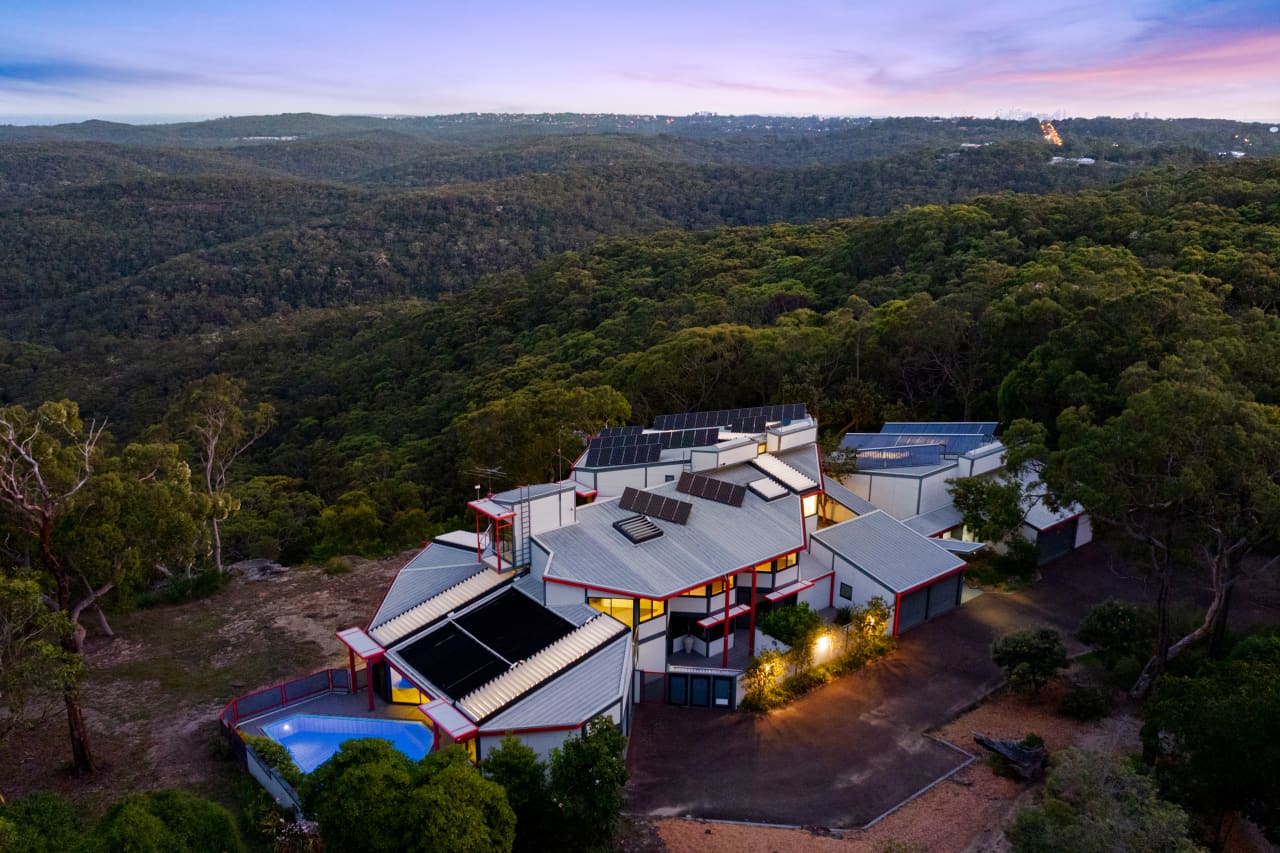
The home of an Australian businessman who died tragically in a helicopter crash in 2022 is on the market with a A$9 million (US$5.9 million) price guide.
Peter Woodland, the late director of Barbeques Galore who purchased the expansive family estate just north of Sydney in 2017, was killed in April 2022, when his helicopter crashed in the Snowy Mountains in New South Wales. He was 75.
Woodland, who was a keen pilot and even installed a helicopter hanger and helipad at the residence, bought the home from acclaimed landscape photographer Richard Green, who built the unique property in Terrey Hills in the 1990s. He also died in a helicopter crash in 2015 .
The vast five-bedroom house is located in a lush native bushland setting off Mona Vale Road.
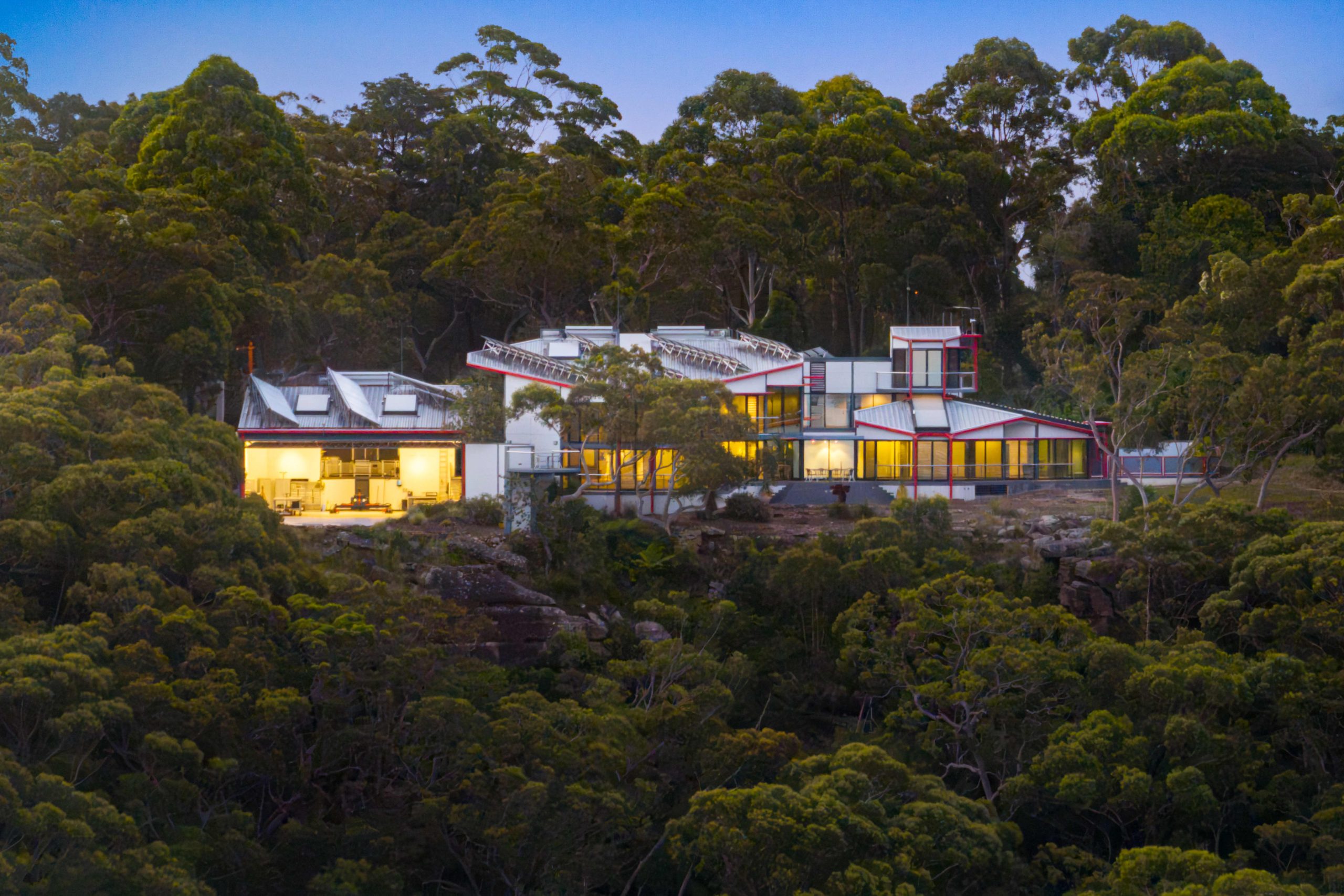
“Sitting right on the cliff’s edge, it looks right out over the bush to the water, and its proximity to the beach and even the city means it’s pretty special,” said listing agent Shayne Hutton of Sydney Country Living, which listed the home earlier this month.
Walls of fireproof glass and dozens of skylights with electronically operated Vergolas mean the natural landscape acts as a dramatic backdrop to every room. The neighboring national park and 5 acres of landscaped gardens are met with panoramic views stretching to the Pacific Ocean.
“It’s really country living in the city. That’s the only way to describe it. This place is perfect for anyone who is just sick of crowds and wants to get away, even if it’s as a secondary property they’ll use as a weekender,” he added.
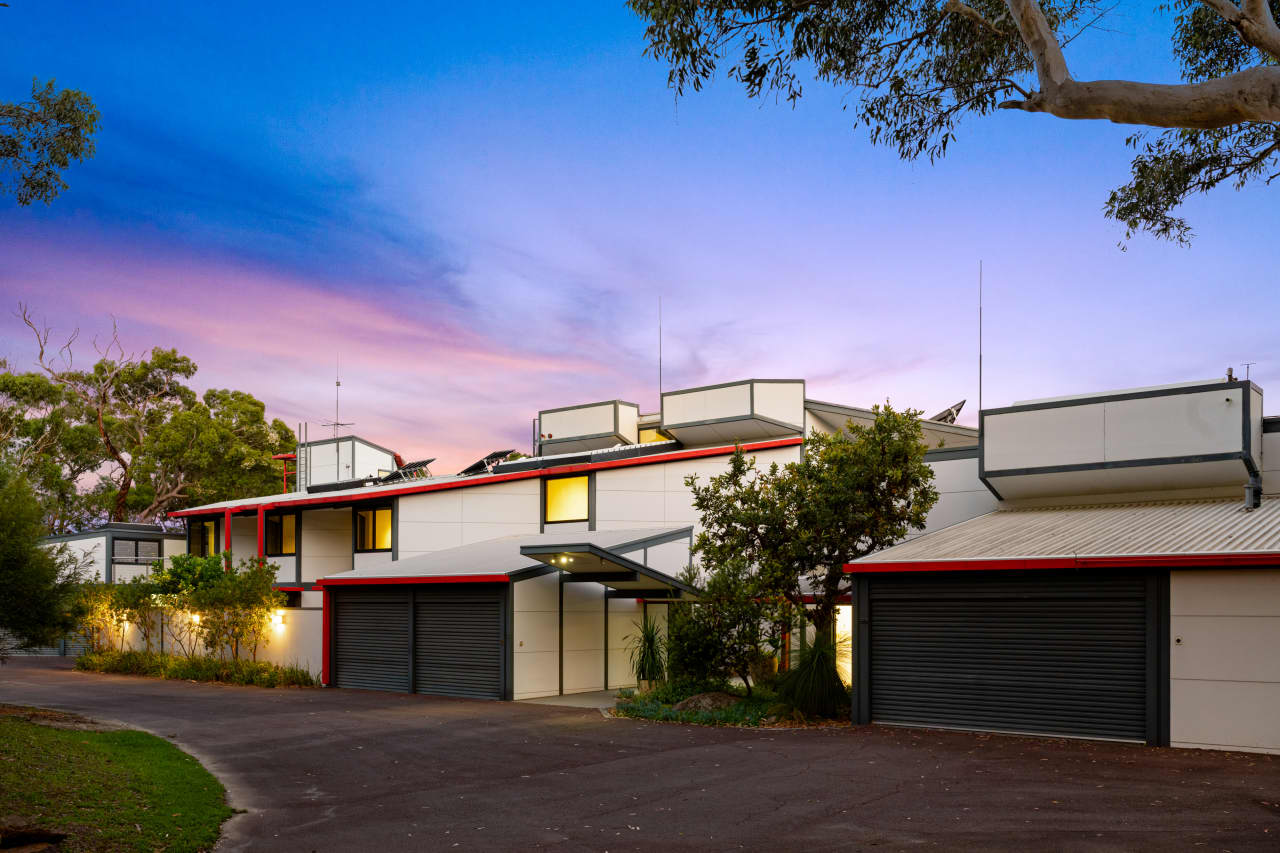
The concrete-and-steel trophy home has a Travertine-tiled entrance foyer with 20ft ceilings which leads through to two separate wings; one for living and another for sleeping. With a choice of everyday spaces, each living zone has sweeping district views and doors to the wraparound veranda.
In addition to casual living and dining rooms, there are formal entertaining areas, a library, a home office or extra family room, a professional photographer’s darkroom plus a large artist’s studio that could also be used as a poolside cabana with wet bar.
The granite kitchen has Gaggenau appliances, a grand island bench, a walk-in pantry, and an adjoining central courtyard with water features, perfect for a chef’s herb and vegetable garden.
While two bedrooms sit on the ground floor, four more occupy the upstairs accommodation level including a palatial primary suite. This parents’ retreat has a balcony, a vast dressing room plus walk-in wardrobe and a deluxe ensuite with freestanding bathtub, a double shower and twin vanities. One other bedroom features an ensuite and two more share a full family bathroom and powder room.
Outside, there are multiple entertaining terraces and courtyards, but the icing on the cake is the solar-heated pool and sun deck. Then the property’s standout feature is its state-of-the-art helipad with a fully incorporated turntable and a full-size helicopter hangar. Above the helipad, there is also a treetop viewing platform.
“A lot of people who might live on a farm have helicopters or just want the convenience to get in from the airport. It’s a great feature of the home and could be used for a variety of uses. For buyers without a helicopter, it could be an ideal car showroom,” Hutton said.
Additional features of the Terrey Hills residence include remote-controlled lock-up garages for up to five cars, storerooms, a wine cellar, ducted air conditioning, a security alarm and video intercom.
The Sydney sanctuary is surrounded by walking and biking trails, is a short drive to the transport and shopping hub of Chatswood and is an approximate 15-minute drive to local beaches.
 Copyright 2020, Dow Jones & Company, Inc. All Rights Reserved Worldwide. LEARN MORE




On the owner’s deck, a 20-metre swimming pool incorporates Feadship’s patented ContraWave technology and extends indoors as a suspended, glass-bottomed infinity pool.

Automobili Lamborghini is turning its attention to something considerably more difficult to define: what makes Italian excellence uniquely Italian?
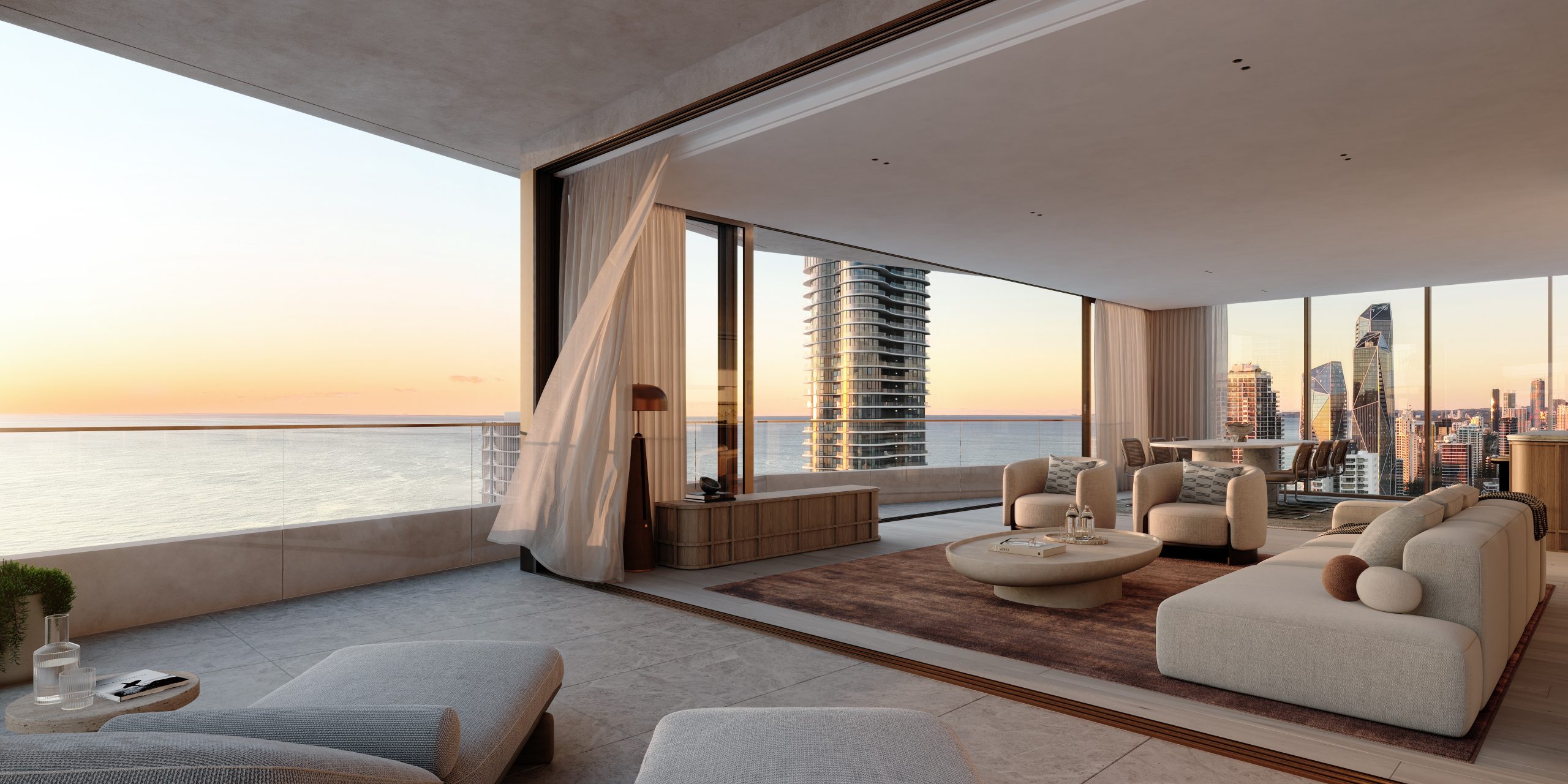
Mirvac’s 45-level Trielle has topped out at Yarra’s Edge, pairing riverfront apartments with wellness facilities, private dining and resident services.
3 min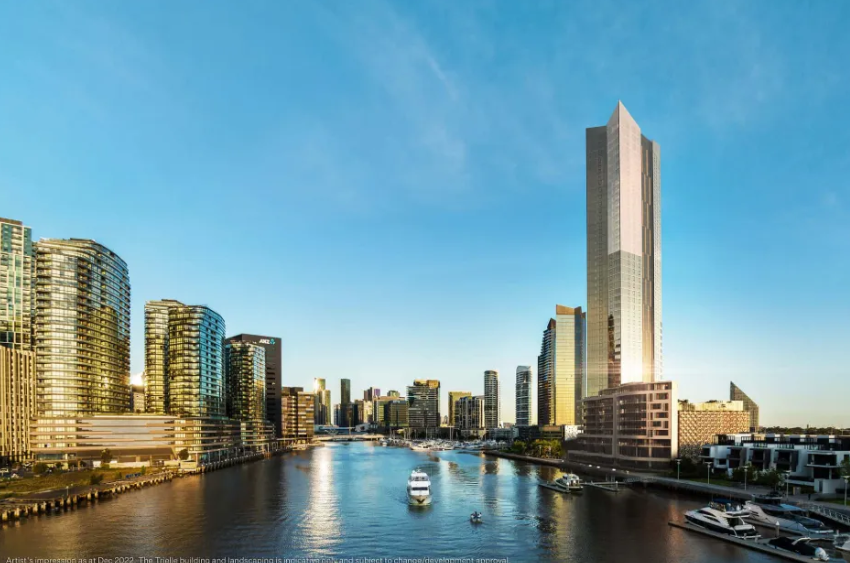
Mirvac has topped out Trielle at Melbourne’s Yarra’s Edge, with more than 70 per cent of the riverfront development sold and approximately 80 per cent of purchasers intending to make their apartment a home.
The figures, released on September 22, point to an owner-occupier audience for one of the precinct’s final residential towers. Mirvac began developing Yarra’s Edge in 2003, and its latest addition occupies one of the remaining absolute riverfront sites.
Mirvac CEO of Development Stuart Penklis said existing residents were among those moving up within the neighbourhood.
“Many purchasers already have a connection to Yarra’s Edge,” Mr Penklis said, describing buyers whose changing needs were encouraging an upgrade within the precinct.
“As one of the final residential towers within Yarra’s Edge, Trielle represents the culmination of more than two decades of creating one of Melbourne’s most established and sought-after waterfront communities,” Penklis said.
“Positioned on the Collins Street axis with absolute river frontage, Trielle offers residents a rare opportunity to enjoy sweeping views across the Yarra River, Melbourne skyline and Port Phillip Bay, while remaining seamlessly connected to the CBD. With Trielle now more than 70 per cent sold, we’re continuing to see strong demand from buyers seeking quality homes in established locations.”
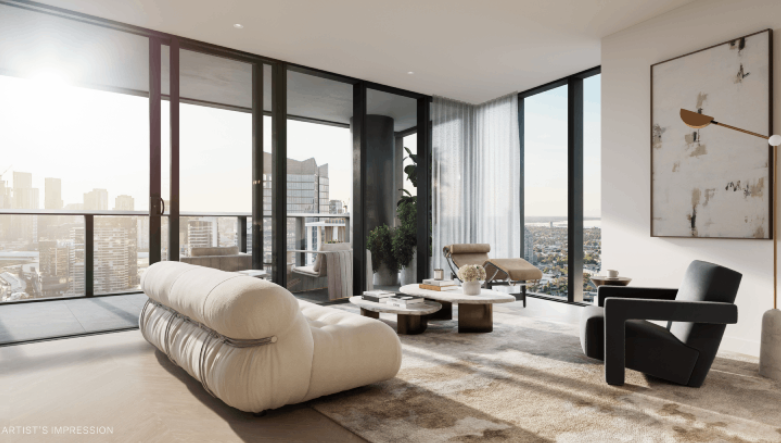
The developer also flagged a penthouse and sub-penthouse collection with larger layouts, premium finishes and broad outlooks. The planned wellness centrepiece, The Oasis, encompasses a 900-square-metre elevated urban rainforest.
Mirvac General Manager Residential Development Victoria Elysa Anderson said Trielle had resonated strongly with buyers seeking a rare lifestyle offering in Melbourne.
“Opportunities to secure a new luxury residence on a riverfront site of this calibre are incredibly rare, particularly within a community like Yarra’s Edge,” Anderson said.
“What makes Trielle unique is the combination of exceptional views, world-class residential facilities and the lifestyle that already exists around it. Residents are buying into a mature waterfront community with parks, promenades, dining, wellness and strong community connections already in place.”
The 45-level tower brings a substantial new presence to that waterfront. Its residential offering spans one-, two-, three- and four-bedroom apartments, with Signature, Prestige and Sub-Penthouse collections accommodating different household sizes. The north-facing position connects the apartments visually to the river and city beyond.
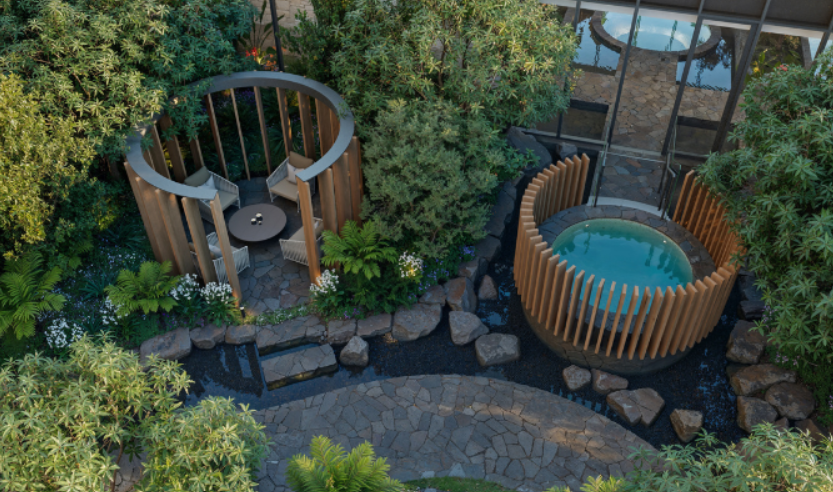
Seven storeys above the promenade, the planned Oasis combines planting and a running stream with a Scandinavian-inspired wellness club developed with spa specialist Naomi Gregory. Facilities include a 25-metre lap pool, hot magnesium pool, sauna, hydrotherapy, a gym, yoga and Pilates room, and treatment spaces.
The amenity extends beyond exercise. Residents will have access to The Biblioteca library and workspaces, ground-floor work pods, and The Salone piano lounge. A private Chef’s Table dining room offers a setting for larger gatherings, while a cinema, games room and sports lounge broaden the entertaining options. Concierge services and a dog-wash area support everyday routines.
Trielle comprises a collection of one, two, three and four-bedroom residences. Reflecting strong demand from owner occupiers, approximately 80 per cent of purchasers to date intend to live in their homes, highlighting the project’s appeal to those seeking a long-term waterfront lifestyle.
Mirvac has recently delivered The Albertine, a premium apartment development on the edge of Melbourne’s CBD, and is nearing completion of Prince & Parade in Brunswick, further strengthening its portfolio of thoughtfully designed apartment communities in some of Melbourne’s most sought-after urban locations.

The megamansion was built for Tony Pritzker, heir to the Hyatt Hotel fortune and brother of Illinois Gov. JB Pritzker.
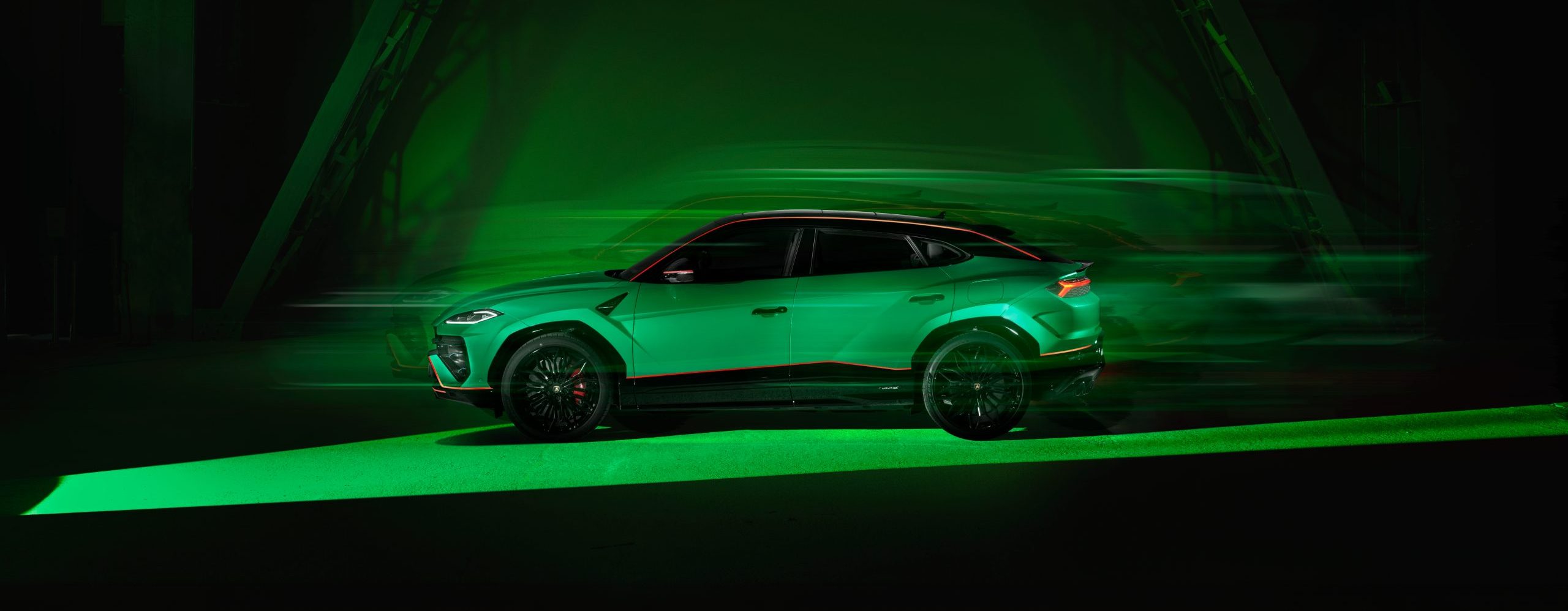
Limited to 630 units, Lamborghini’s latest Urus Capsule pushes personalisation further than ever, blending hybrid performance with over 70 bespoke design combinations.

