The top 7 ways COVID changed the Australian property market
The closed borders and construction delays were just some of the pandemic-induced effects on the local property market
 2 min
2 min
CoreLogic research director Tim Lawless has revealed seven ways in which COVID changed Australian housing market trends.
“It was four years ago when the World Health Organisation declared COVID-19 a worldwide pandemic,” Mr Lawless said. “Since that time economic trends, including housing metrics, have been on a rollercoaster ride. Although lockdowns and the uncertainty of vaccination programs are well behind us, the legacy of COVID will be with us for a long time yet.”
1. Surging home values
Australia’s home price median surged 32.5% between March 2020 and February 2024, providing an incredible uplift of approximately $188,000 for homeowners in just four years. Housing values initially dipped when COVID hit but then surged 30.8% higher to a cyclical peak in April 2022. The market slumped 7.5% as interest rates rose, but as supply dried up and migration spiked, housing values entered a new growth cycle in February 2023 and have since risen 9.5% to date.
Mr Lawless said house values have increased by 37.9% while unit values have risen 16.5%, reflecting buyers’ preference for more space during COVID, and the ability to work from home allowing them to move to city outskirts or regional areas where they could afford a house. This led to regional home prices rising faster than capital city values. Today, regional prices are up a collective 47.6% compared with a 28.5% rise in capital city prices.
2. Rising rents
Mr Lawless said rental markets have tightened substantially, with vacancy rates holding around 1% and weekly rents surging. Nationally, rents have jumped 32.4% since March 2020, adding approximately $150 per week to the median weekly rent.
3. Interest rates
Mr Lawless said emergency low interest rates stimulated demand but in May 2022, when the Reserve Bank began increasing rates to fight inflation, market activity was quickly quelled.“So far borrowers have navigated higher mortgage rates much better than expected with mortgage arrears holding below pre-pandemic levels,” Mr Lawless commented.
4. Inflation
Mr Lawless said unprecedented peacetime fiscal stimulus, low interest rates and stronger global demand once COVID restrictions were lifted created higher inflation. This was exacerbated further by global supply chain disruptions due to the war in Ukraine. “Inflation is now beating forecasts, fuelling speculation we could see rate cuts later this year,” he said.
5. Low unemployment
Strong employment is seen as a crucial factor in keeping the property market stable. Once lockdowns ended and social distancing measures were eased, the jobs market tightened significantly. “Although labour markets are now loosening, RBA forecasts have the unemployment rate holding below 4.5% through to at least mid-2026,” Mr Lawless said.
6. Demographic trends
One factor keeping housing demand strong throughout the pandemic, despite closed borders, was the average household size shrinking as more people bought or rented houses, Mr Lawless explained. Since international borders reopened, record high overseas migration led by students has added massive new demand, particularly in the rental market.
7. Low supply
Low supply of homes for sale and fewer homes being built during COVID resulted in the unusual situation of housing values increasing at the same time as interest rates.
“Dwelling completions have held relatively flat through the pandemic to date, with supply chain constraints, materials and labour shortages, and a surge in construction costs creating a challenging environment for delivering new housing supply,” Mr Lawless said.
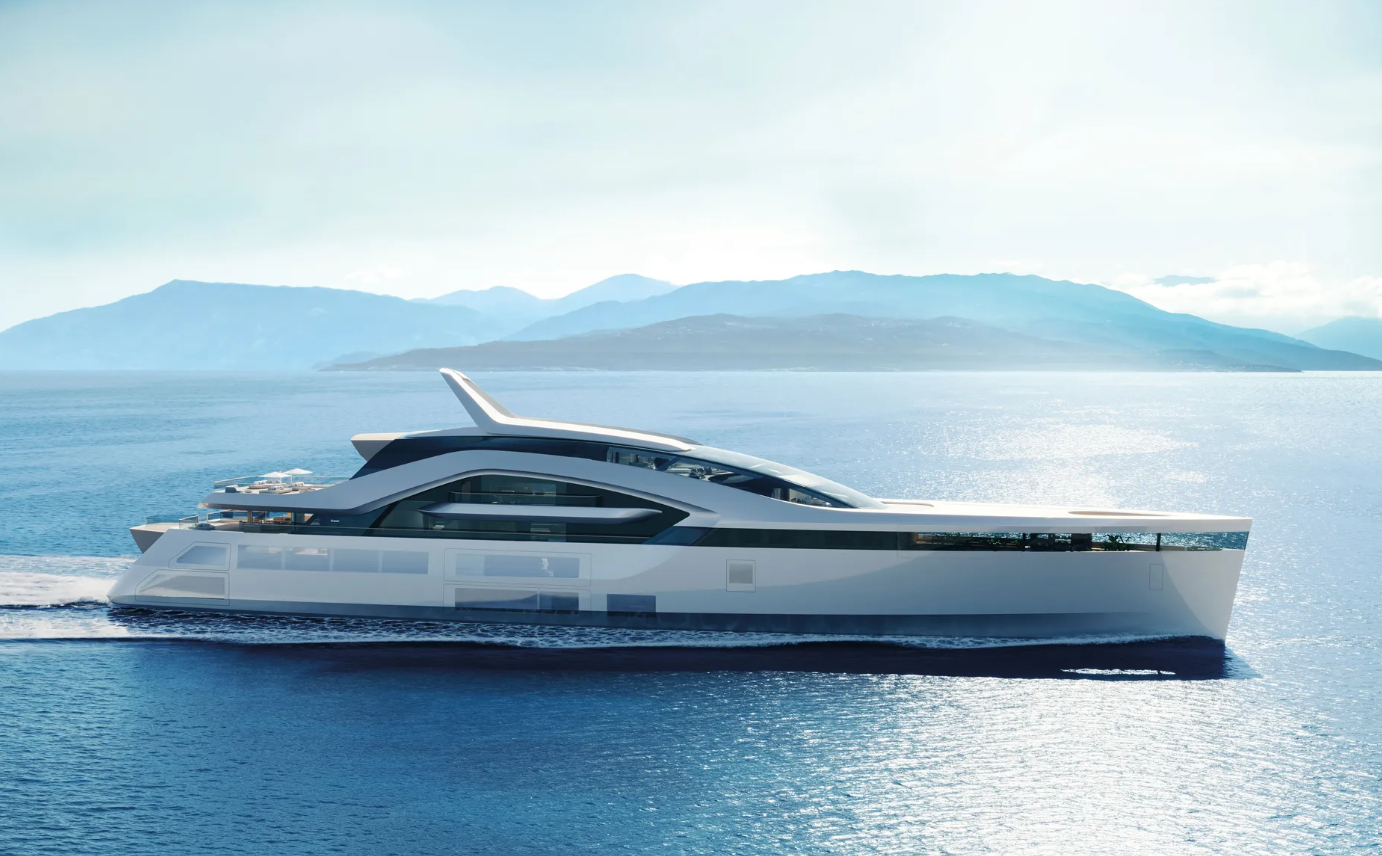
On the owner’s deck, a 20-metre swimming pool incorporates Feadship’s patented ContraWave technology and extends indoors as a suspended, glass-bottomed infinity pool.

Automobili Lamborghini is turning its attention to something considerably more difficult to define: what makes Italian excellence uniquely Italian?

Mirvac’s 45-level Trielle has topped out at Yarra’s Edge, pairing riverfront apartments with wellness facilities, private dining and resident services.
3 min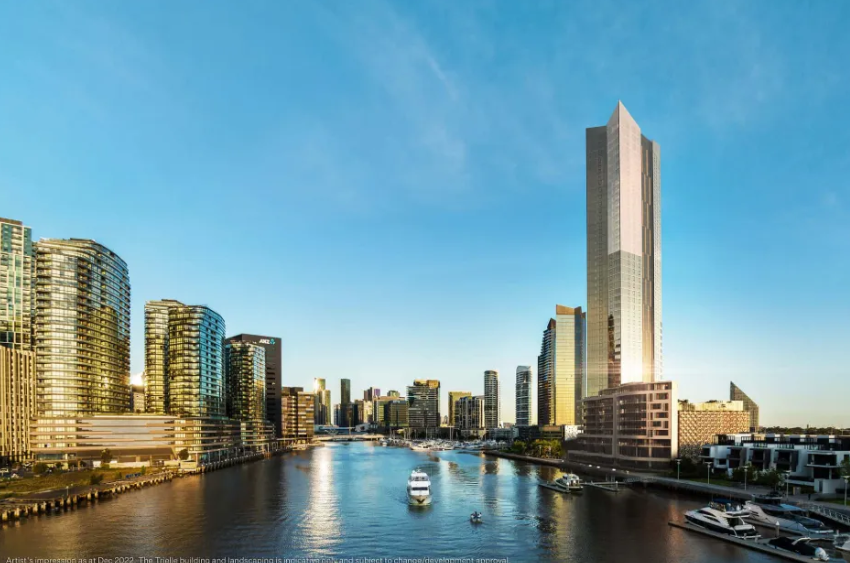
Mirvac has topped out Trielle at Melbourne’s Yarra’s Edge, with more than 70 per cent of the riverfront development sold and approximately 80 per cent of purchasers intending to make their apartment a home.
The figures, released on September 22, point to an owner-occupier audience for one of the precinct’s final residential towers. Mirvac began developing Yarra’s Edge in 2003, and its latest addition occupies one of the remaining absolute riverfront sites.
Mirvac CEO of Development Stuart Penklis said existing residents were among those moving up within the neighbourhood.
“Many purchasers already have a connection to Yarra’s Edge,” Mr Penklis said, describing buyers whose changing needs were encouraging an upgrade within the precinct.
“As one of the final residential towers within Yarra’s Edge, Trielle represents the culmination of more than two decades of creating one of Melbourne’s most established and sought-after waterfront communities,” Penklis said.
“Positioned on the Collins Street axis with absolute river frontage, Trielle offers residents a rare opportunity to enjoy sweeping views across the Yarra River, Melbourne skyline and Port Phillip Bay, while remaining seamlessly connected to the CBD. With Trielle now more than 70 per cent sold, we’re continuing to see strong demand from buyers seeking quality homes in established locations.”
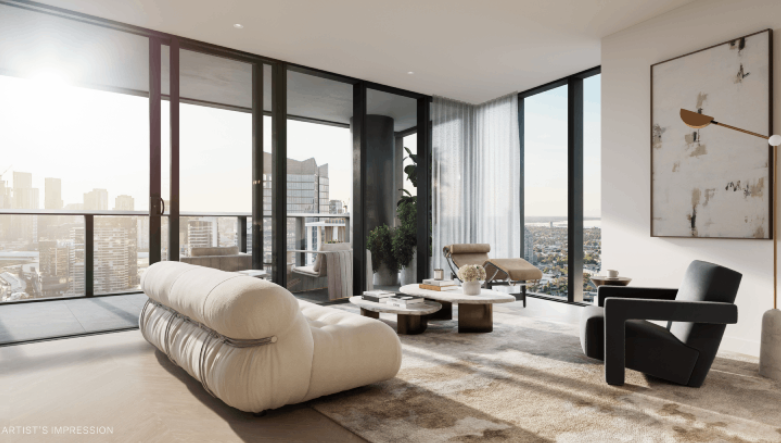
The developer also flagged a penthouse and sub-penthouse collection with larger layouts, premium finishes and broad outlooks. The planned wellness centrepiece, The Oasis, encompasses a 900-square-metre elevated urban rainforest.
Mirvac General Manager Residential Development Victoria Elysa Anderson said Trielle had resonated strongly with buyers seeking a rare lifestyle offering in Melbourne.
“Opportunities to secure a new luxury residence on a riverfront site of this calibre are incredibly rare, particularly within a community like Yarra’s Edge,” Anderson said.
“What makes Trielle unique is the combination of exceptional views, world-class residential facilities and the lifestyle that already exists around it. Residents are buying into a mature waterfront community with parks, promenades, dining, wellness and strong community connections already in place.”
The 45-level tower brings a substantial new presence to that waterfront. Its residential offering spans one-, two-, three- and four-bedroom apartments, with Signature, Prestige and Sub-Penthouse collections accommodating different household sizes. The north-facing position connects the apartments visually to the river and city beyond.
Seven storeys above the promenade, the planned Oasis combines planting and a running stream with a Scandinavian-inspired wellness club developed with spa specialist Naomi Gregory. Facilities include a 25-metre lap pool, hot magnesium pool, sauna, hydrotherapy, a gym, yoga and Pilates room, and treatment spaces.
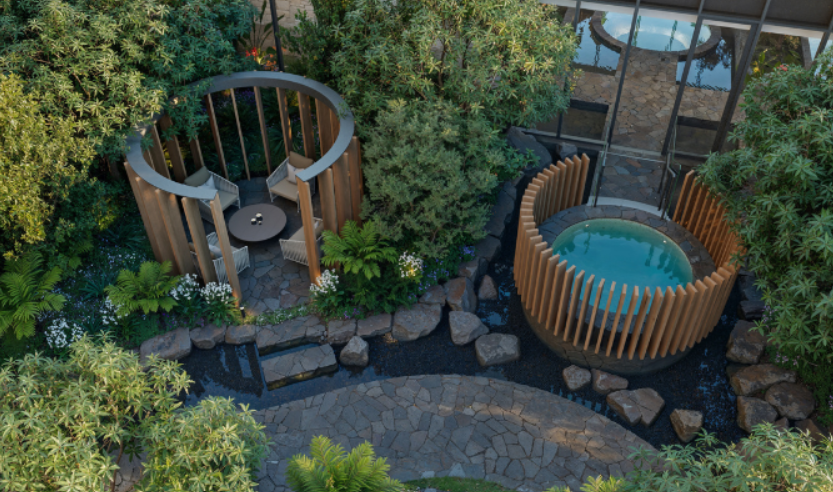
The amenity extends beyond exercise. Residents will have access to The Biblioteca library and workspaces, ground-floor work pods, and The Salone piano lounge. A private Chef’s Table dining room offers a setting for larger gatherings, while a cinema, games room and sports lounge broaden the entertaining options. Concierge services and a dog-wash area support everyday routines.
Trielle comprises a collection of one, two, three and four-bedroom residences. Reflecting strong demand from owner occupiers, approximately 80 per cent of purchasers to date intend to live in their homes, highlighting the project’s appeal to those seeking a long-term waterfront lifestyle.
Mirvac has recently delivered The Albertine, a premium apartment development on the edge of Melbourne’s CBD, and is nearing completion of Prince & Parade in Brunswick, further strengthening its portfolio of thoughtfully designed apartment communities in some of Melbourne’s most sought-after urban locations.

Barnet, in North London, lays claim to two of the country’s most expensive roads to own a home.

Two coming 2027 models – the first of the “Neue Klasse” cars coming to the U.S. early next year – have been revealed.