From business park to thriving Sydney community: the continuing evolution of Norwest
With an emphasis on sustainable living, the new Norwest Quarter masterplan is already attracting attention
 4 min
4 min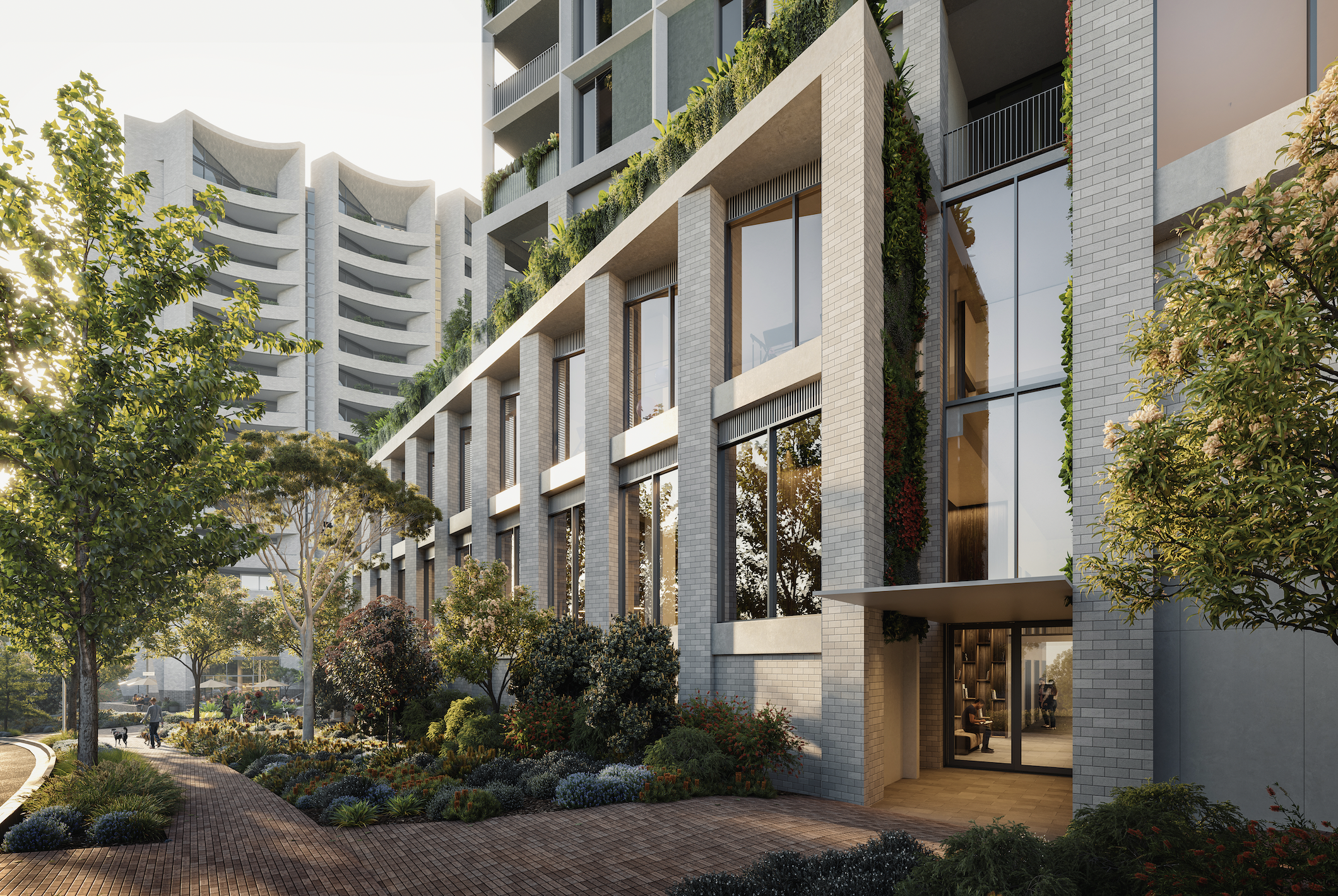
There are many aspects that attract potential homeowners and investors in the apartment sector. For some, it’s about potential for capital growth and yield on their property. For most, though, it’s all about location.
For the longest time, Norwest in Sydney’s Hills District was best known as a business park bordering the neighbouring suburbs of Kellyville, Castle Hill and Baulkham Hills. In recent years, however, it has become home to a thriving community attracting a diverse group of residents across a range of demographics. Scratch the surface and it’s not hard to see why.
In addition to the business park, which continues to provide significant employment opportunities, the suburb is well serviced by schools and shopping precincts. With public transport links including Norwest Metro Station and bus services offering connection to the rest of Greater Sydney — part of a $9 billion investment in infrastructure — it’s no surprise that the Norwest apartment market has experienced strong growth over the past three years. This has been fuelled in part by projected population growth, with Transport NSW forecasting an average increase of 1.3 percent between now and 2037. The result is an additional 5,400 dwellings will be required over the next 15 years.
As demand for housing continues to exceed supply, prices are already on the move.
The median unit price in Norwest has increased by 6.3 percent per annum over the past 10 years and median sales price went up 8.7 percent in the past 12 months across 328 settled transactions. For prepared buyers and investors, opportunities to buy into the area should be seized upon.
Property developer Mulpha has been ahead of the curve in Norwest, with more than 30 years in the area spent developing the $2.5 billion commercial, retail and residential estate.
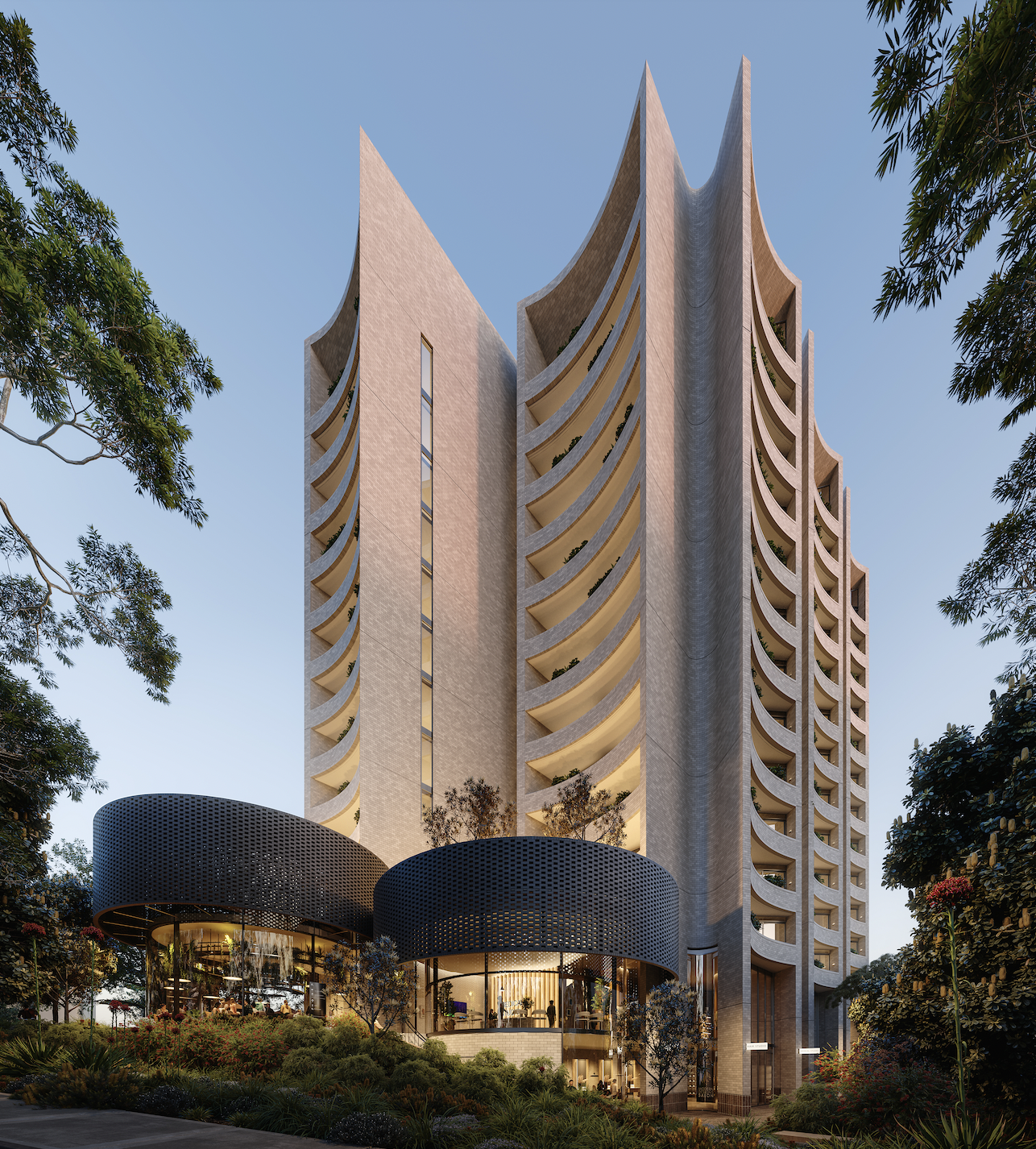
The release of its ground-breaking Norwest Quarter development is now poised to set a new standard for residential development in the Hills District, with a focus on liveability and sustainability.
Significantly, the mixed used development will provide housing for more than 2,000 residents across eight residential towers containing 864 apartments. Stage 1 has been designed by award-winning architectural firm Bates Smart and Smart Design Studio in consultation with environmental sustainability firm Finding Infinity and urban heat researchers at Western Sydney University. The development will not only aim to achieve carbon zero status, it will be a pleasure for residents to live in as well. Residential amenities will include EV charging points and community gardens with 70 percent of the 3.8ha site dedicated to open green space. The all-electric fit out of apartments will be off set by rooftop solar panels.
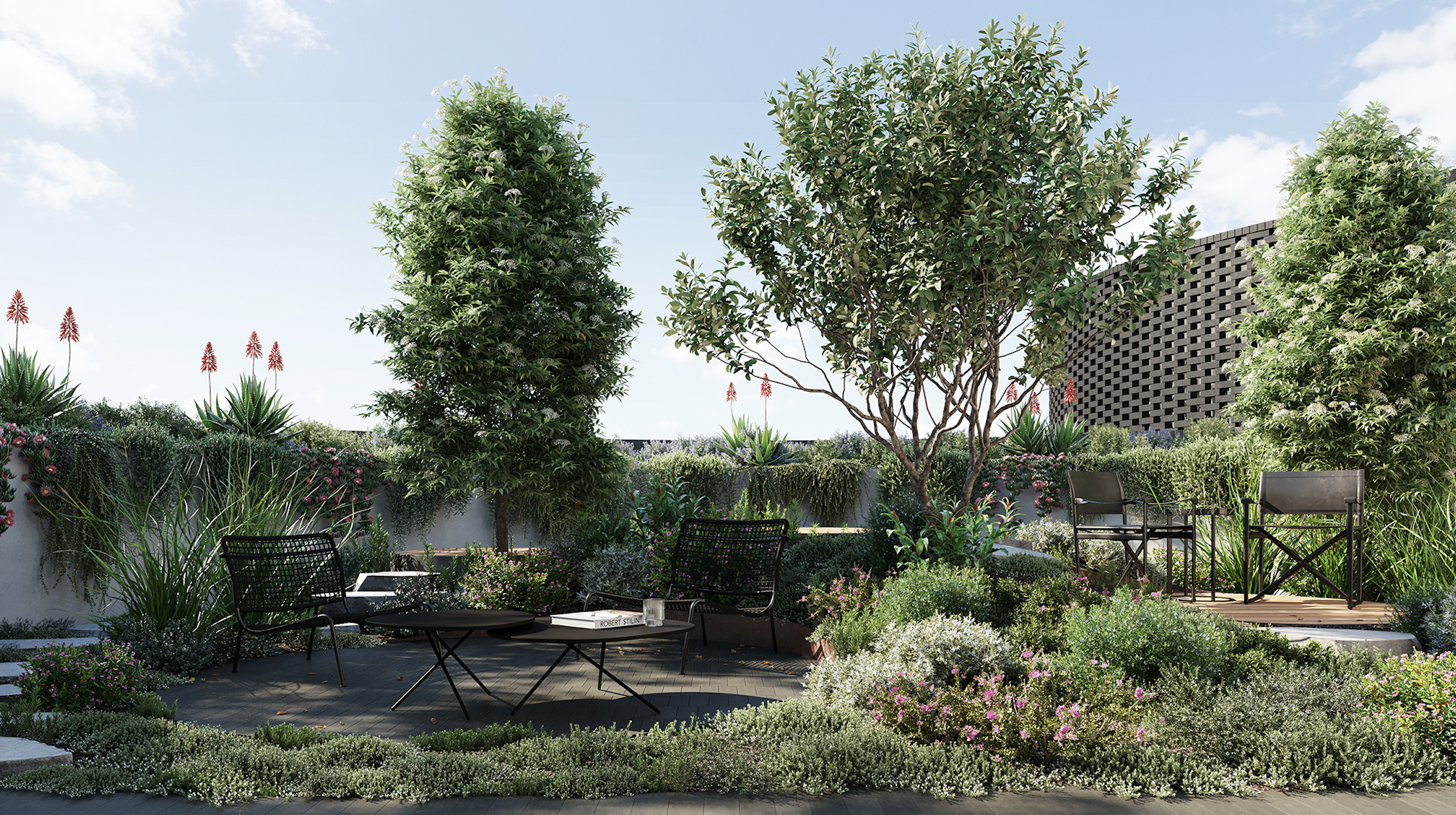
Beyond the residential design, Norwest Quarter will provide 6000sqm of space for cafes, restaurants, shops and services — everything that makes for vibrant, thriving neighbourhoods. And what makes good sense for residents makes a sound choice for investors.
Mulpha’s Head of Development, Tim Spencer said the demand for quality apartments in Norwest reflects a change in mindset in how people view apartment living.
“The demand for quality apartments will continue to grow not just due to relative affordability but also the lifestyle benefits,” he said.
“These include being able to live in a great location close to transport connections, education and public amenities, parks and recreational facilities, all within a vibrant community.
“This is increasingly appealing to a broad range of people from singles, couples and families, to empty nesters who want convenience and community. With people enjoying busy and active lifestyles through all stages of life, many people don’t want the responsibility, time commitment and cost of maintaining a house and garden.
“Of course, the most important consideration with buying any apartment is the quality of design and construction, by a developer with a strong track record and commitment to the area who stand behind their product.”
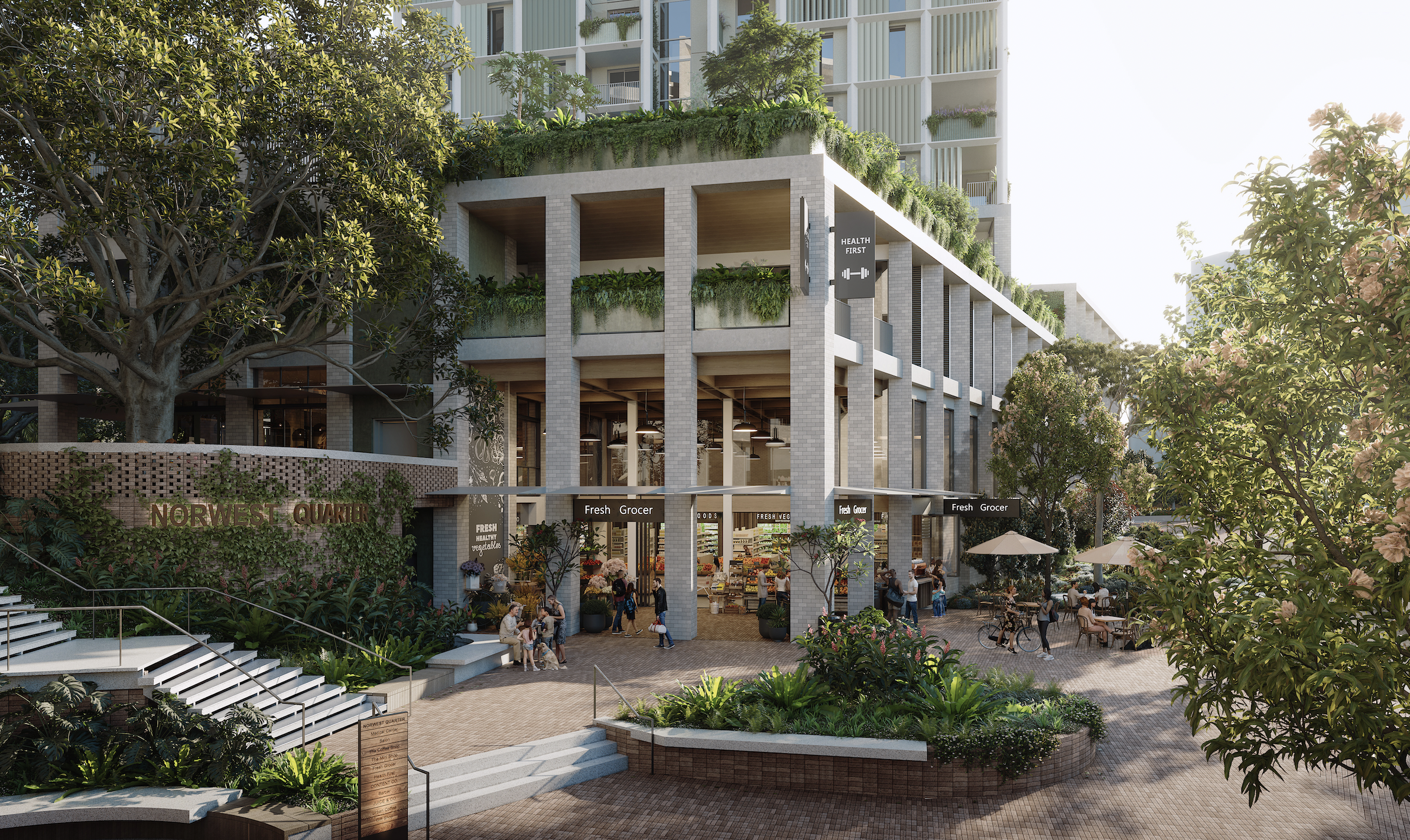
Norwest apartment purchaser, retired professor Lindsay Wasson, agrees. Having recently sold an apartment he owned with his wife at Norwest Lake — in Mulpha’s Watermark building — the couple have just bought a north-facing apartment in Norwest Quarter with full-length balcony.
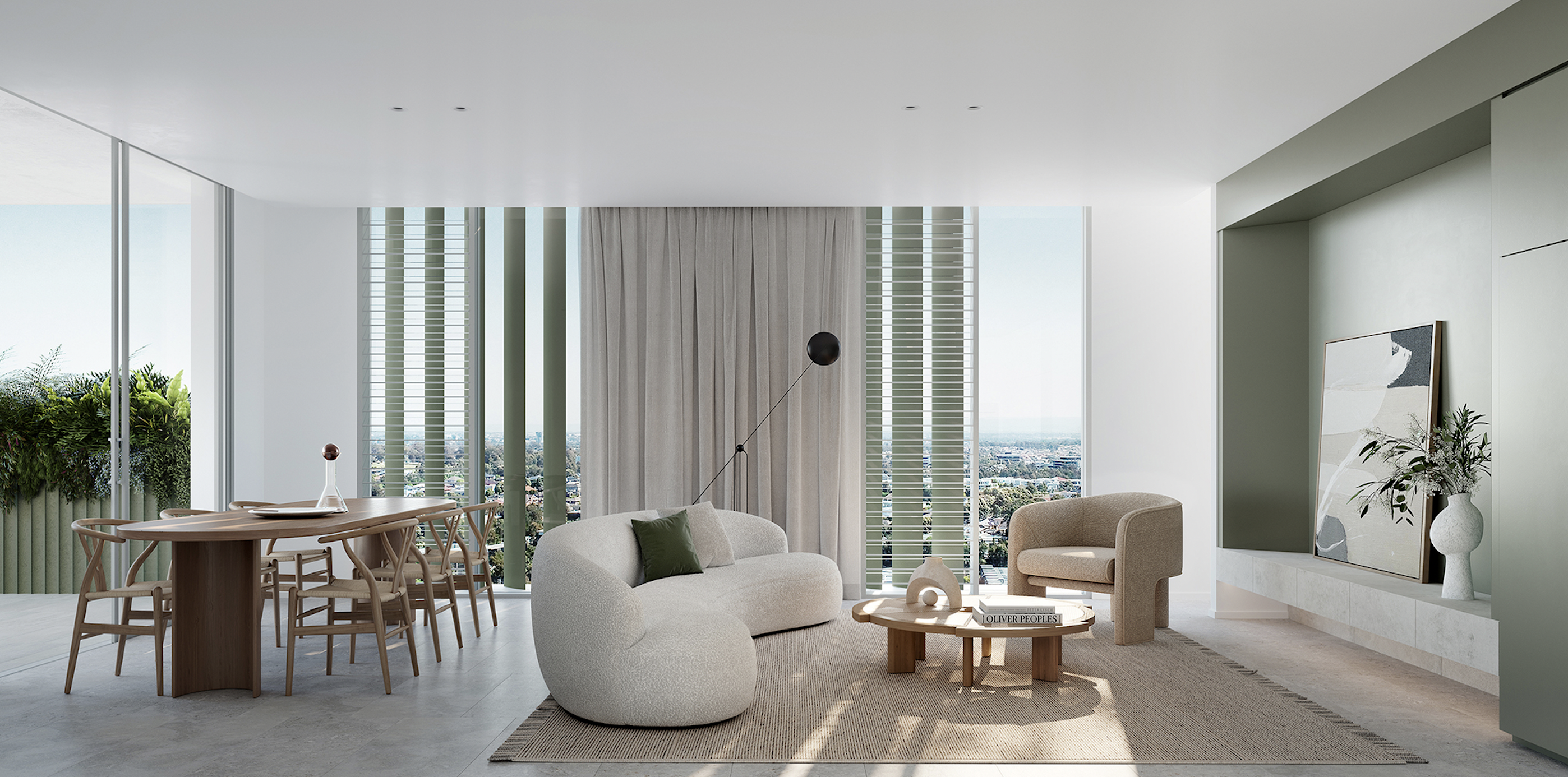
“The apartment we have bought in Norwest Quarter is all-electric with double glazing, solar roof panels, high-rating insulation, water and energy efficiency, EV charging in car spaces and the list goes on,” Mr Wasson said.
“Combine these great elements (earning a NatHERS rating of 7.8) with Mulpha’s outstanding build quality, and the confidence we have in the company, buying into Norwest Quarter is probably the best decision we have ever made.”
Mr Wasson said he and his wife are confident they’ve made a sound choice.
“We are excited by the development and absolutely relaxed about the purchase,” he said. “We know we are buying from a quality developer who has earned our trust over many years. While this purchase is not for investment purposes, we also know that this future-proof building can only increase in value as an exemplar of design excellence and high-level sustainability.”
For more information, visit norwestquarter.com.au

From making unpopular decisions to learning when to listen, leaders from five businesses reveal what nobody prepared them for — and how running a company has challenged their expectations.

Technology and semiconductor shares fell sharply as investors questioned the debt financing the AI infrastructure boom and confronted higher rates and Chinese competition.

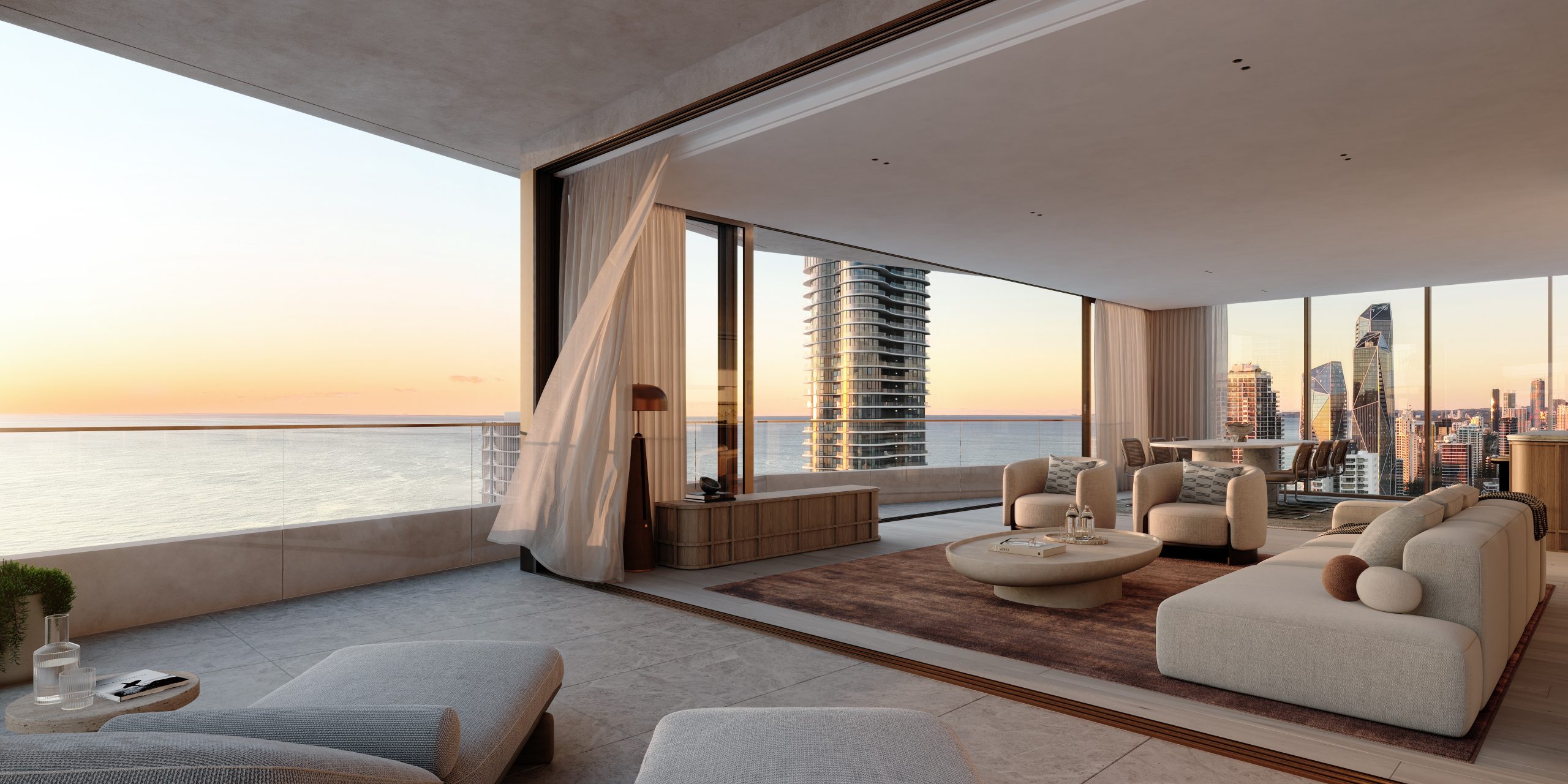
Mirvac’s 45-level Trielle has topped out at Yarra’s Edge, pairing riverfront apartments with wellness facilities, private dining and resident services.
3 min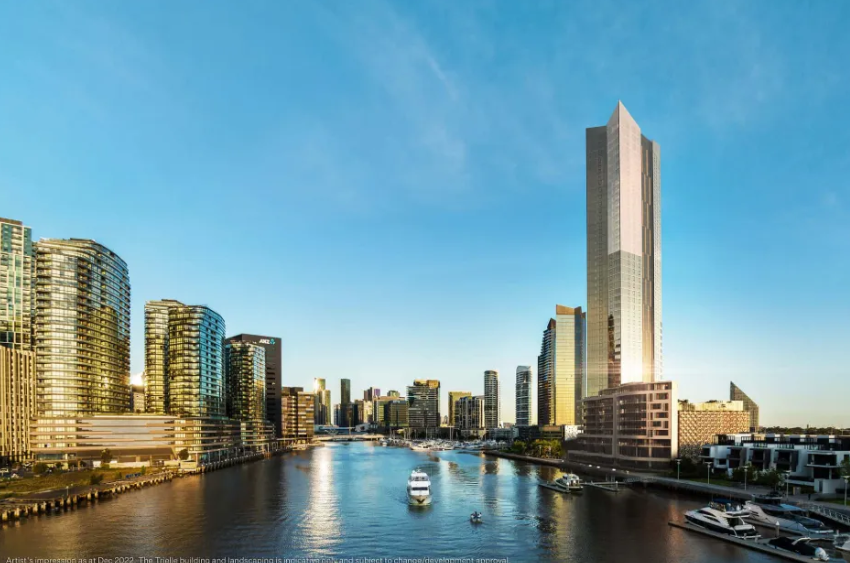
Mirvac has topped out Trielle at Melbourne’s Yarra’s Edge, with more than 70 per cent of the riverfront development sold and approximately 80 per cent of purchasers intending to make their apartment a home.
The figures, released on September 22, point to an owner-occupier audience for one of the precinct’s final residential towers. Mirvac began developing Yarra’s Edge in 2003, and its latest addition occupies one of the remaining absolute riverfront sites.
Mirvac CEO of Development Stuart Penklis said existing residents were among those moving up within the neighbourhood.
“Many purchasers already have a connection to Yarra’s Edge,” Mr Penklis said, describing buyers whose changing needs were encouraging an upgrade within the precinct.
“As one of the final residential towers within Yarra’s Edge, Trielle represents the culmination of more than two decades of creating one of Melbourne’s most established and sought-after waterfront communities,” Penklis said.
“Positioned on the Collins Street axis with absolute river frontage, Trielle offers residents a rare opportunity to enjoy sweeping views across the Yarra River, Melbourne skyline and Port Phillip Bay, while remaining seamlessly connected to the CBD. With Trielle now more than 70 per cent sold, we’re continuing to see strong demand from buyers seeking quality homes in established locations.”
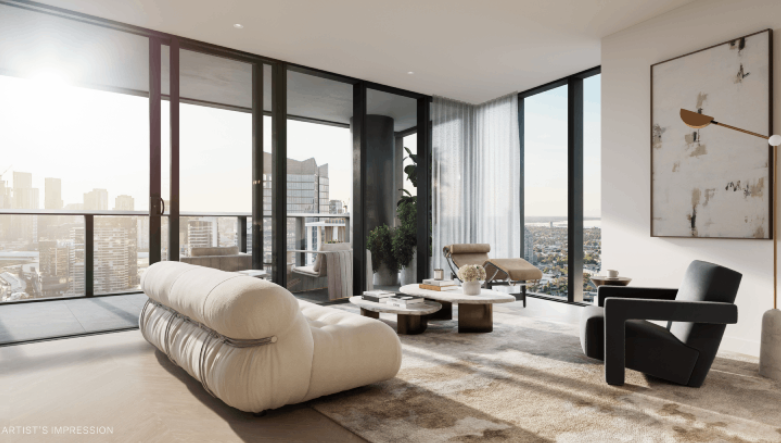
The developer also flagged a penthouse and sub-penthouse collection with larger layouts, premium finishes and broad outlooks. The planned wellness centrepiece, The Oasis, encompasses a 900-square-metre elevated urban rainforest.
Mirvac General Manager Residential Development Victoria Elysa Anderson said Trielle had resonated strongly with buyers seeking a rare lifestyle offering in Melbourne.
“Opportunities to secure a new luxury residence on a riverfront site of this calibre are incredibly rare, particularly within a community like Yarra’s Edge,” Anderson said.
“What makes Trielle unique is the combination of exceptional views, world-class residential facilities and the lifestyle that already exists around it. Residents are buying into a mature waterfront community with parks, promenades, dining, wellness and strong community connections already in place.”
The 45-level tower brings a substantial new presence to that waterfront. Its residential offering spans one-, two-, three- and four-bedroom apartments, with Signature, Prestige and Sub-Penthouse collections accommodating different household sizes. The north-facing position connects the apartments visually to the river and city beyond.
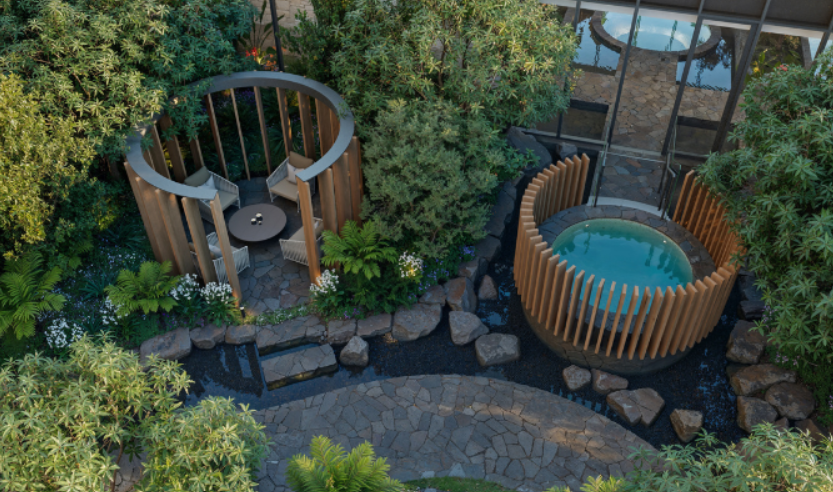
Seven storeys above the promenade, the planned Oasis combines planting and a running stream with a Scandinavian-inspired wellness club developed with spa specialist Naomi Gregory. Facilities include a 25-metre lap pool, hot magnesium pool, sauna, hydrotherapy, a gym, yoga and Pilates room, and treatment spaces.
The amenity extends beyond exercise. Residents will have access to The Biblioteca library and workspaces, ground-floor work pods, and The Salone piano lounge. A private Chef’s Table dining room offers a setting for larger gatherings, while a cinema, games room and sports lounge broaden the entertaining options. Concierge services and a dog-wash area support everyday routines.
Trielle comprises a collection of one, two, three and four-bedroom residences. Reflecting strong demand from owner occupiers, approximately 80 per cent of purchasers to date intend to live in their homes, highlighting the project’s appeal to those seeking a long-term waterfront lifestyle.
Mirvac has recently delivered The Albertine, a premium apartment development on the edge of Melbourne’s CBD, and is nearing completion of Prince & Parade in Brunswick, further strengthening its portfolio of thoughtfully designed apartment communities in some of Melbourne’s most sought-after urban locations.

From elevated skincare to handcrafted home pieces, this year’s most thoughtful gifts go beyond the expected.
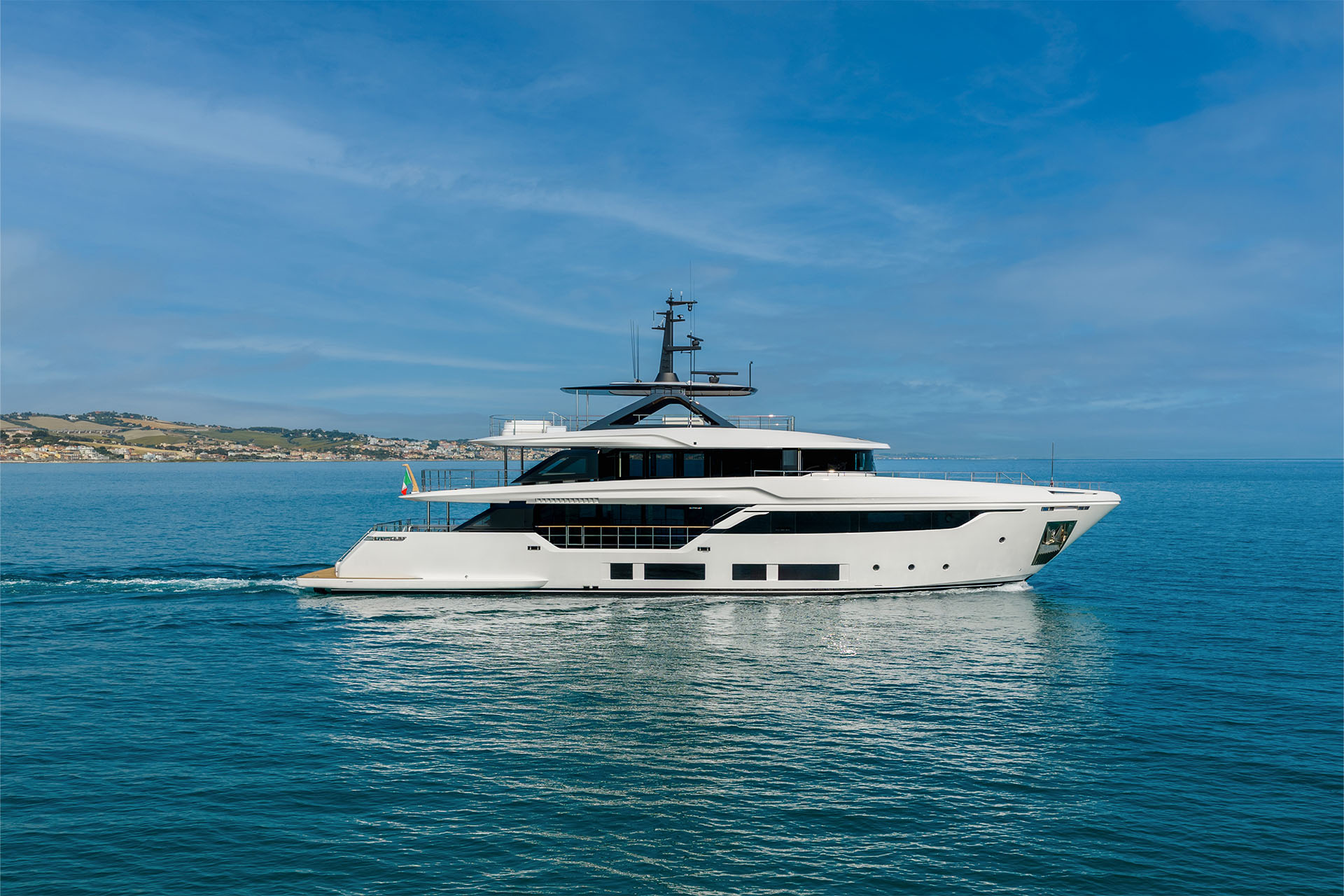
Four decks, 34.5 metres and a made-to-measure interior: step aboard the new Custom Line Navetta 35, unveiled at Cannes.