

Concrete Is One of the World’s Worst Pollutants. Making It Green Is a Booming Business.
The material accounts for more than 7% of global carbon emissions, according to some estimates

 3 min
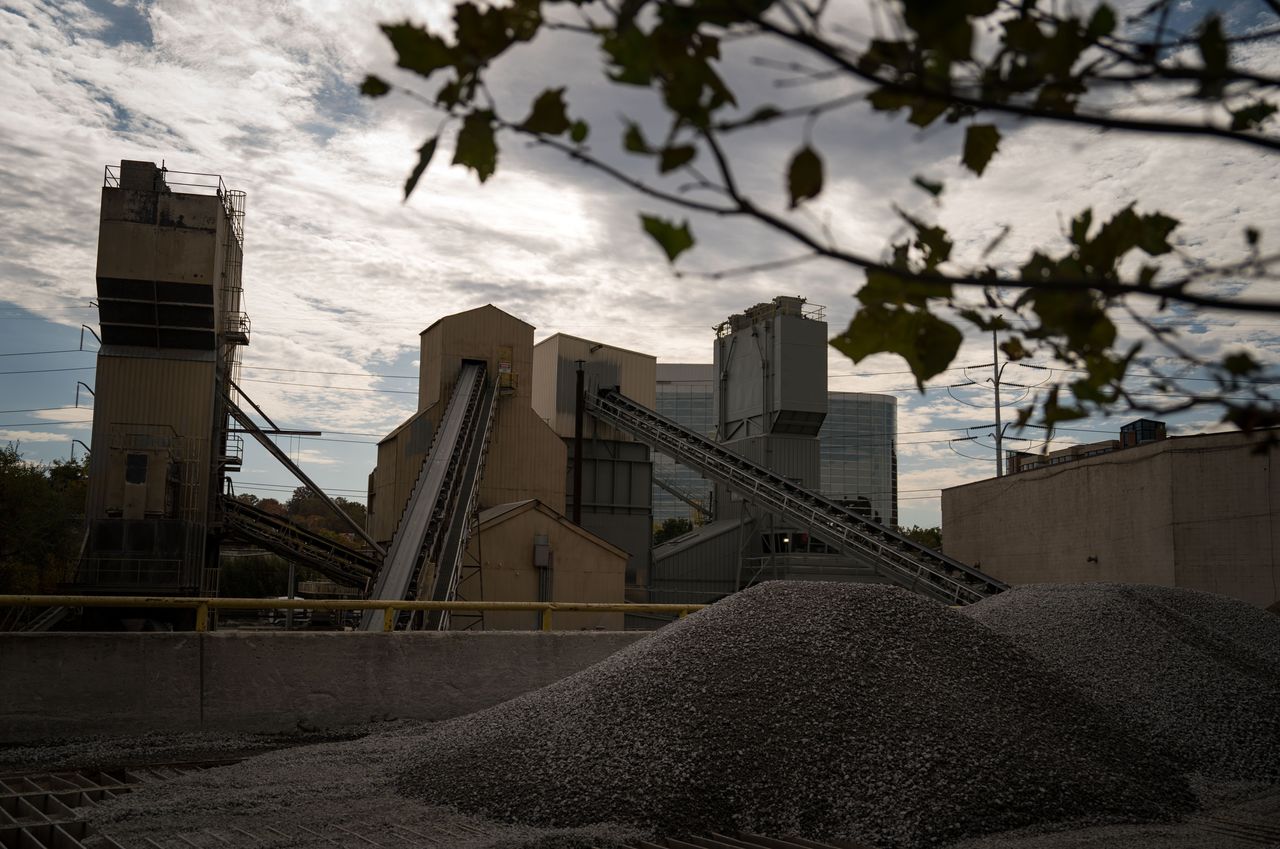
Bill Gates , Jeff Bezos and former Los Angeles Laker Rick Fox are part of a new wave of investors and entrepreneurs looking to make one of the world’s worst pollutants greener.
Concrete accounts for more than 7% of global carbon emissions, according to some estimates. That is roughly the same as the CO undefined produced by all of India and more than double the amount produced by the global aviation industry.
Most of those emissions are caused by cement, the glue that binds together sand and gravel to make the concrete used to build roads, bridges and tall buildings.
Concrete, the second-most-used material in the world after water, is popular because it is cheap, relatively easy to produce, fire-resistant and extremely strong.
“It’s the most democratic material,” said Admir Masic , an associate professor of civil and environmental engineering at the Massachusetts Institute of Technology.
It is also very, very dirty. Cement is made by heating limestone and clay at around 2,700 degrees Fahrenheit in giant kilns and turning them into marble-sized granules called clinker, which are then turned into a powder and mixed with other materials. As it heats up, the limestone releases a lot of CO undefined , and the whole process is often powered by fossil fuels such as coal or gas.
Big cement producers and startups including Brimstone and Partanna, a startup based in the Bahamas and headed by three-time NBA champion Fox, are developing new technologies to produce cement while producing less CO undefined . Breakthrough Energy Ventures, which was founded by Gates and is backed by Bezos, Jack Ma and Michael Bloomberg among others, Fifth Wall and other venture firms have poured tens of millions of dollars into these companies.
These companies are being motivated in part by the federal government, which is dishing out grants and setting aside billions to decarbonise materials such as cement. Local regulators are also encouraging these new technologies. California in 2021 passed a law to cut emissions from cement and New York in 2023 issued rules that limit emissions on concrete used in state-funded construction projects.
Some companies are trying to make cement from different materials that are less polluting. Brimstone said it developed a way to make cement from rocks that contain no carbon. The company said it has raised around $60 million in venture funding to date.
Others are selling substitutes for cement so that concrete mixers need less of it. Eco Material Technologies, for example, harvests coal ash from landfills and volcanic ash from mines and sells it to concrete mixers. These substitutes aren’t new, but the company says it has worked out ways to increase its share in concrete.
“Our goal is to be able to use the last several generations of trash as the next several generations of greener concrete,” said CEO Grant Quasha .
Still others are removing pollutants from the air. The Halifax, Nova Scotia-based startup CarbonCure came up with a process to pump CO undefined into concrete as it is being made and raised $80 million in venture funding this past year.
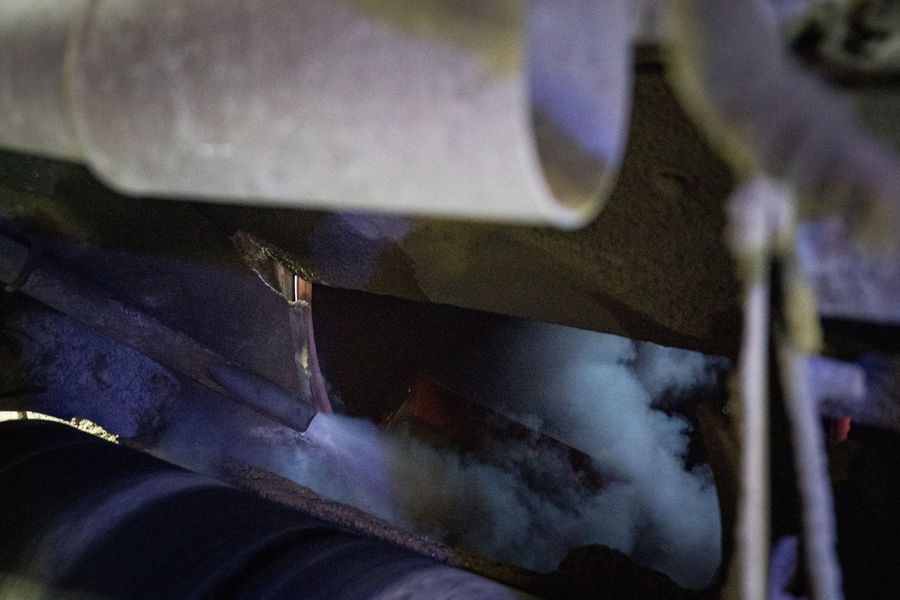
Partanna, which uses brine from saltwater desalination to make concrete, said homes made from its material suck carbon out of the air.
It is unclear if the greener concrete alternatives will ever catch on broadly. Building codes have rigid rules on what concrete must contain, and many builders don’t like to try out new materials, Masic said.
Cost is another issue. Eco Material’s most environmentally friendly cement alternative, for example, costs around twice as much as standard cement, according to Quasha. CEO Cody Finke said Brimstone’s cement will be as cheap or cheaper than the common sort, but the company has yet to build a factory.
“If I go to the developing world and tell them you’re going to have to pay 20% more for your cement, they won’t do it,” said Eric Toone , a managing partner at Breakthrough Energy Ventures.
Even if some of these new technologies succeed, the startups have yet to prove that they can produce green cement at the vast quantities needed to make a dent in global warming.
Still, Toone said cement makers have no choice but to find cheap ways to cut emissions because ditching the material isn’t an option.
“Cement is sort of this wonder material,” he said. “It’s so cheap, it’s so valuable, it’s so good for what we need that it’s really hard to think of ways around it.”
 Copyright 2020, Dow Jones & Company, Inc. All Rights Reserved Worldwide. LEARN MORE


From making unpopular decisions to learning when to listen, leaders from five businesses reveal what nobody prepared them for — and how running a company has challenged their expectations.

Technology and semiconductor shares fell sharply as investors questioned the debt financing the AI infrastructure boom and confronted higher rates and Chinese competition.
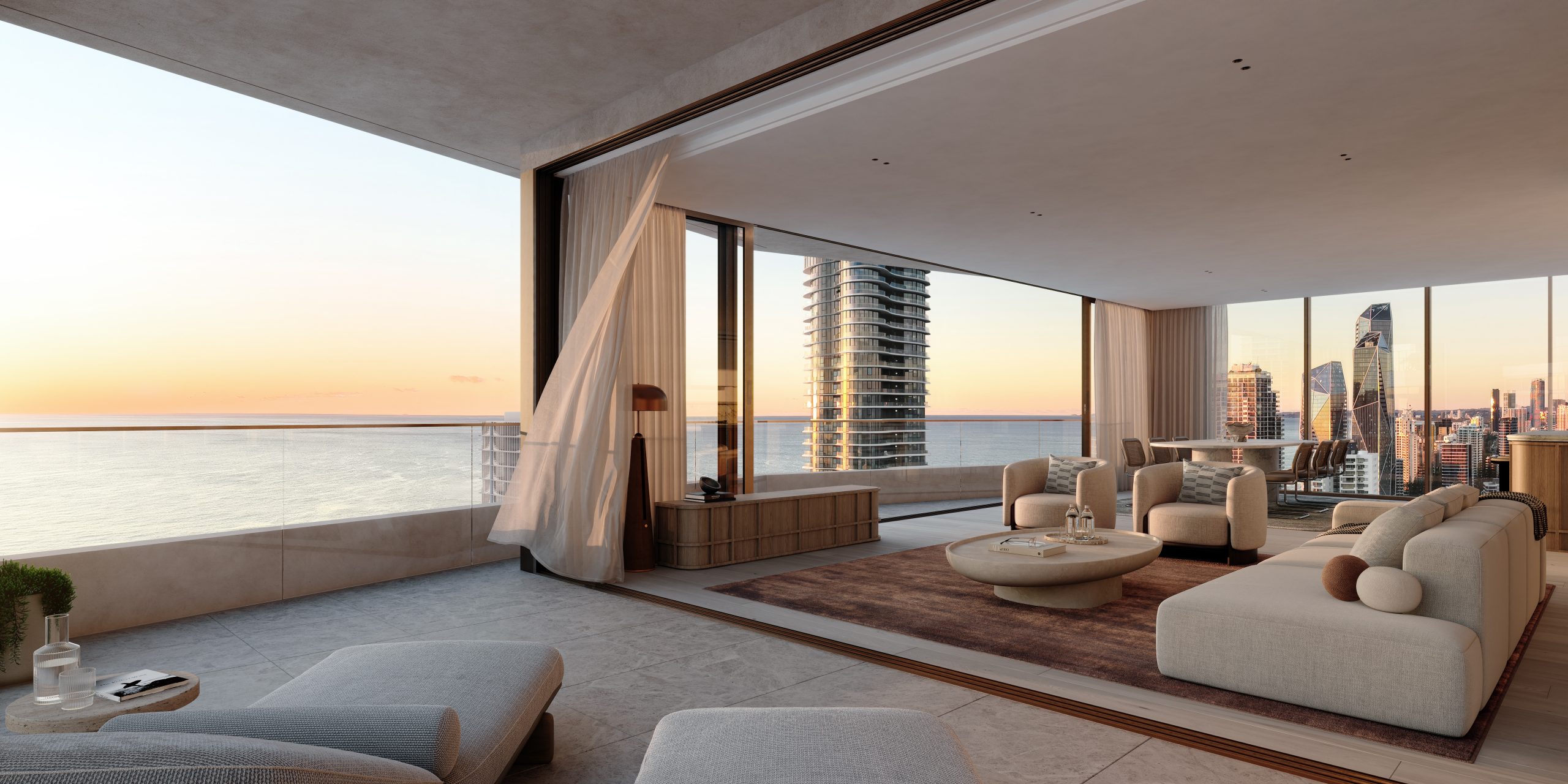
Mirvac’s 45-level Trielle has topped out at Yarra’s Edge, pairing riverfront apartments with wellness facilities, private dining and resident services.
3 min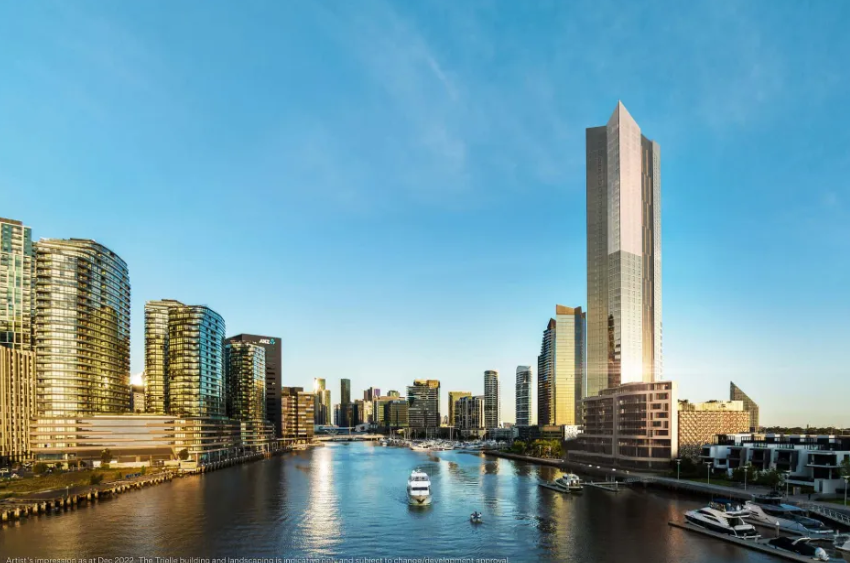
Mirvac has topped out Trielle at Melbourne’s Yarra’s Edge, with more than 70 per cent of the riverfront development sold and approximately 80 per cent of purchasers intending to make their apartment a home.
The figures, released on September 22, point to an owner-occupier audience for one of the precinct’s final residential towers. Mirvac began developing Yarra’s Edge in 2003, and its latest addition occupies one of the remaining absolute riverfront sites.
Mirvac CEO of Development Stuart Penklis said existing residents were among those moving up within the neighbourhood.
“Many purchasers already have a connection to Yarra’s Edge,” Mr Penklis said, describing buyers whose changing needs were encouraging an upgrade within the precinct.
“As one of the final residential towers within Yarra’s Edge, Trielle represents the culmination of more than two decades of creating one of Melbourne’s most established and sought-after waterfront communities,” Penklis said.
“Positioned on the Collins Street axis with absolute river frontage, Trielle offers residents a rare opportunity to enjoy sweeping views across the Yarra River, Melbourne skyline and Port Phillip Bay, while remaining seamlessly connected to the CBD. With Trielle now more than 70 per cent sold, we’re continuing to see strong demand from buyers seeking quality homes in established locations.”
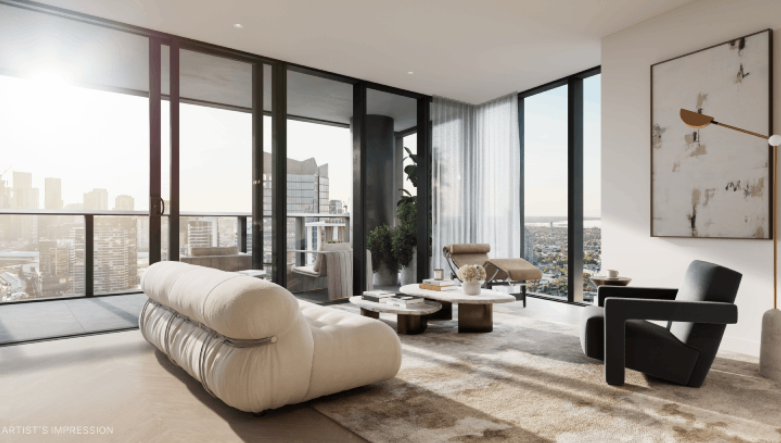
The developer also flagged a penthouse and sub-penthouse collection with larger layouts, premium finishes and broad outlooks. The planned wellness centrepiece, The Oasis, encompasses a 900-square-metre elevated urban rainforest.
Mirvac General Manager Residential Development Victoria Elysa Anderson said Trielle had resonated strongly with buyers seeking a rare lifestyle offering in Melbourne.
“Opportunities to secure a new luxury residence on a riverfront site of this calibre are incredibly rare, particularly within a community like Yarra’s Edge,” Anderson said.
“What makes Trielle unique is the combination of exceptional views, world-class residential facilities and the lifestyle that already exists around it. Residents are buying into a mature waterfront community with parks, promenades, dining, wellness and strong community connections already in place.”
The 45-level tower brings a substantial new presence to that waterfront. Its residential offering spans one-, two-, three- and four-bedroom apartments, with Signature, Prestige and Sub-Penthouse collections accommodating different household sizes. The north-facing position connects the apartments visually to the river and city beyond.
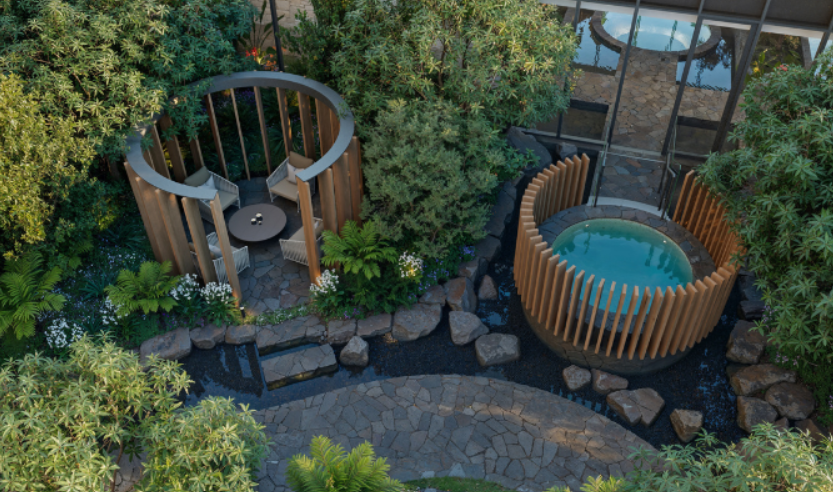
Seven storeys above the promenade, the planned Oasis combines planting and a running stream with a Scandinavian-inspired wellness club developed with spa specialist Naomi Gregory. Facilities include a 25-metre lap pool, hot magnesium pool, sauna, hydrotherapy, a gym, yoga and Pilates room, and treatment spaces.
The amenity extends beyond exercise. Residents will have access to The Biblioteca library and workspaces, ground-floor work pods, and The Salone piano lounge. A private Chef’s Table dining room offers a setting for larger gatherings, while a cinema, games room and sports lounge broaden the entertaining options. Concierge services and a dog-wash area support everyday routines.
Trielle comprises a collection of one, two, three and four-bedroom residences. Reflecting strong demand from owner occupiers, approximately 80 per cent of purchasers to date intend to live in their homes, highlighting the project’s appeal to those seeking a long-term waterfront lifestyle.
Mirvac has recently delivered The Albertine, a premium apartment development on the edge of Melbourne’s CBD, and is nearing completion of Prince & Parade in Brunswick, further strengthening its portfolio of thoughtfully designed apartment communities in some of Melbourne’s most sought-after urban locations.

Once a sleepy surf town, Noosa has become Australia’s prestige property hotspot, where multi-million dollar knockdowns, architectural showpieces and record-setting sales are the new normal.

Wealthy Aussies are swapping large family homes for high-end apartments, with sales of prestige units tripling over the past decade.