Australian construction and property industries tackle modern slavery
On the international day of remembrance of victims of slavery, new research reveals the lengths Australian property and construction businesses are going to to end the scourge
 3 min
3 min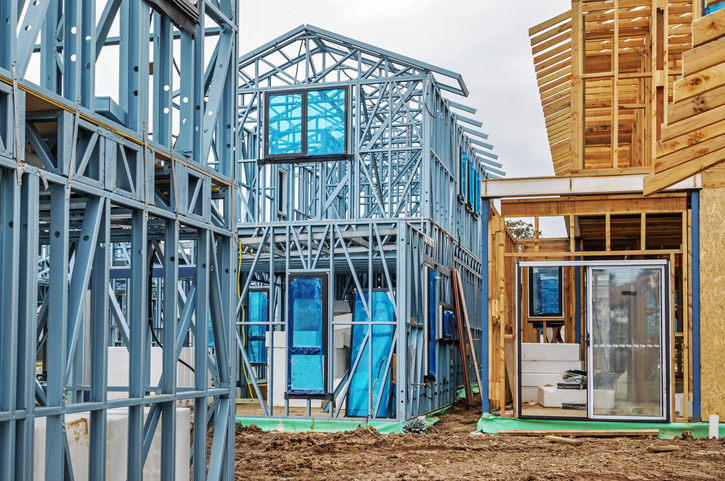
Concerns about modern slavery usually focus on the garment and technology sectors but new research in Australia has focused on ways of identifying and dealing with the scourge in construction supply chains.
The Property Sector’s Modern Slavery Act Response Research Project is a joint project between Bond University, Better Sydney and Informed 365, an Australian tech company focused on monitoring compliance and supply chain transparency under the Australian Modern Slavery Act 2018.
The Act mandates annual reporting for companies with revenues of more than $100 million. The Global Slavery Index 2022 estimates that modern slavery accounts for nearly 50 million worldwide. Since the Act was introduced, company boards have been held responsible for public statements made by their companies on their abilities to assess and manage the risk of modern slavery in supply chains. The construction industry is considered to be particularly vulnerable thanks to the lack of visibility over long and complex supply chains, as well as the high demand for a low-skill labour force.
The research project, released to coincide with the International Day of Remembrance for the Victims of Slavery, was tasked with examining the Australian industry’s ability to cope with assessing and managing reports of slavery in the supply chain. It follows on from the launch of the Property Council Supplier Platform in 2019 by the Property Council of Australia and Informed 365 to provide a digital platform for the local property and construction sector to collect, compare and understand supply chain data on human rights and modern slavery.
Supply chain slavery issues are notoriously complex to identify but Property Council national policy director Francesca Muskovic said modern slavery in construction impacts millions of people in Australia and abroad and needed to be addressed at a national level.
“Our industry provides jobs for more than 1.4 million Australians – more than mining and manufacturing combined. This extensive influence places us in a unique position to address the social impacts of our activities and improve people’s lives,” Ms Muskovic said.
She said despite the challenges, the Australian construction and property industry sought to improve human rights outcomes both here and overseas.

“Our supply chains are geographically diverse, multi-tiered and complex. Understanding the human rights and modern slavery risks within them is essential in helping the industry make their supply chains more ethical and sustainable,” Ms Muskovic said.
“The property sector has forged a world-leading position on environmental sustainability, and it is pleasing to see leaders continue to step up their efforts on social sustainability.”
The research revealed that while 88 percent of suppliers to Australia’s leading construction and property firms understand what modern slavery is and 44 percent reported they had processes in place if a human rights incident or modern slavery was identified, smaller firms were less prepared.
“Many smaller firms were not aware of supply chain issues due to a lack of engagement, resources or audits, so there were mixed results in terms of supply chain mapping and risk assessment,” said Robin Mellon, CEO of Better Sydney, Board member for the UN Global Compact Network Australia, and Project Manager for the Property Council’s Human Rights and Modern Slavery Working Group.
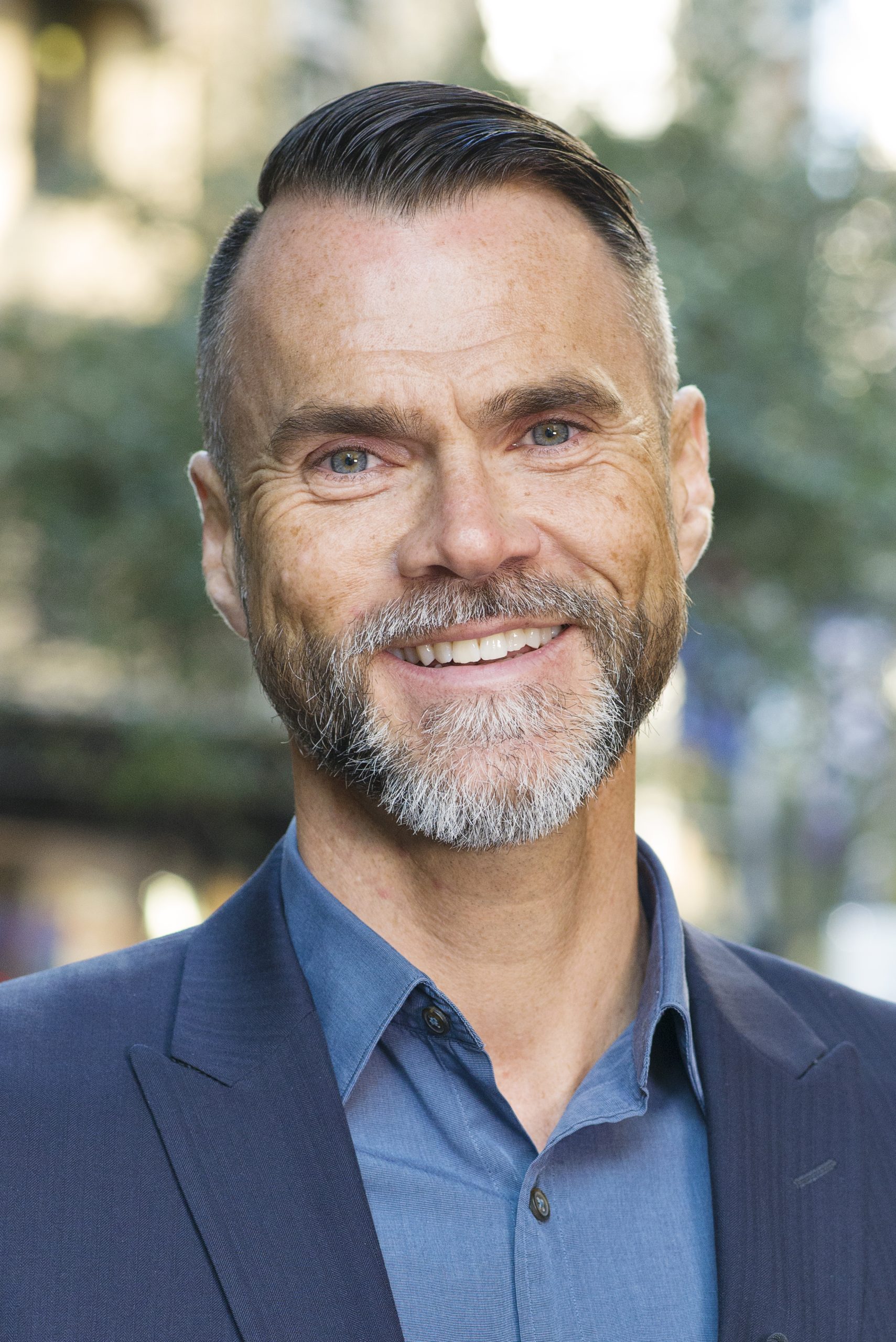
“The report found 56 percent of suppliers who assessed their supply chains beyond their own immediate suppliers found some human rights issues or concerns, showing how important it is to investigate all levels of supply chains.”
Designed to better understand the challenges, strengths and opportunities for the property sector to improve its response to slavery, the research is part of Australia’s ongoing contribution to eradicating it worldwide.
Mr Mellon said access to resource materials are key to helping property and construction businesses stay informed.
“There are now excellent learning materials available through the Property Council, the UN Global Compact Network Australia, and anti-slavery organisations to help engage, educate and support suppliers towards continuous improvement,” he said.
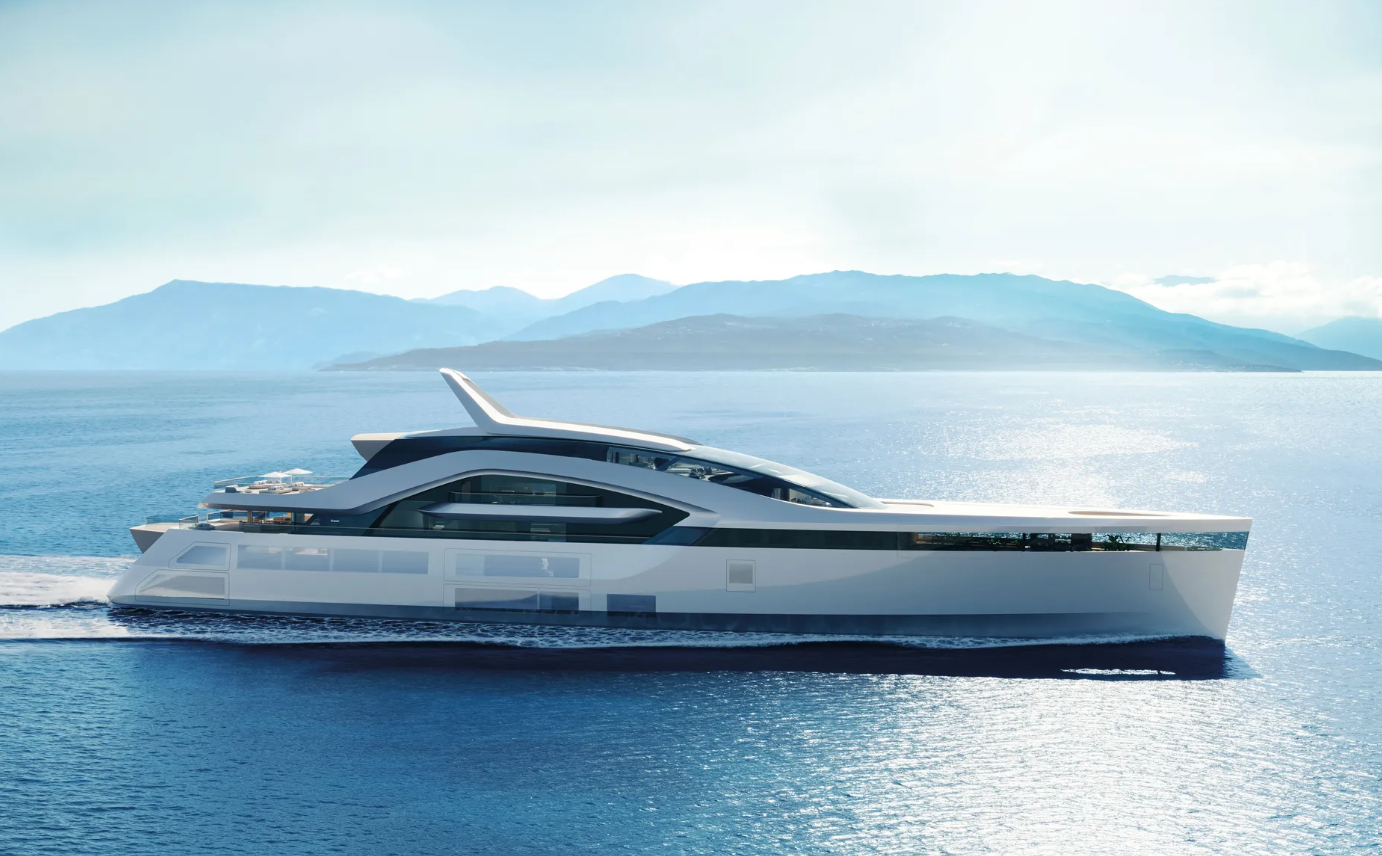
On the owner’s deck, a 20-metre swimming pool incorporates Feadship’s patented ContraWave technology and extends indoors as a suspended, glass-bottomed infinity pool.

Automobili Lamborghini is turning its attention to something considerably more difficult to define: what makes Italian excellence uniquely Italian?
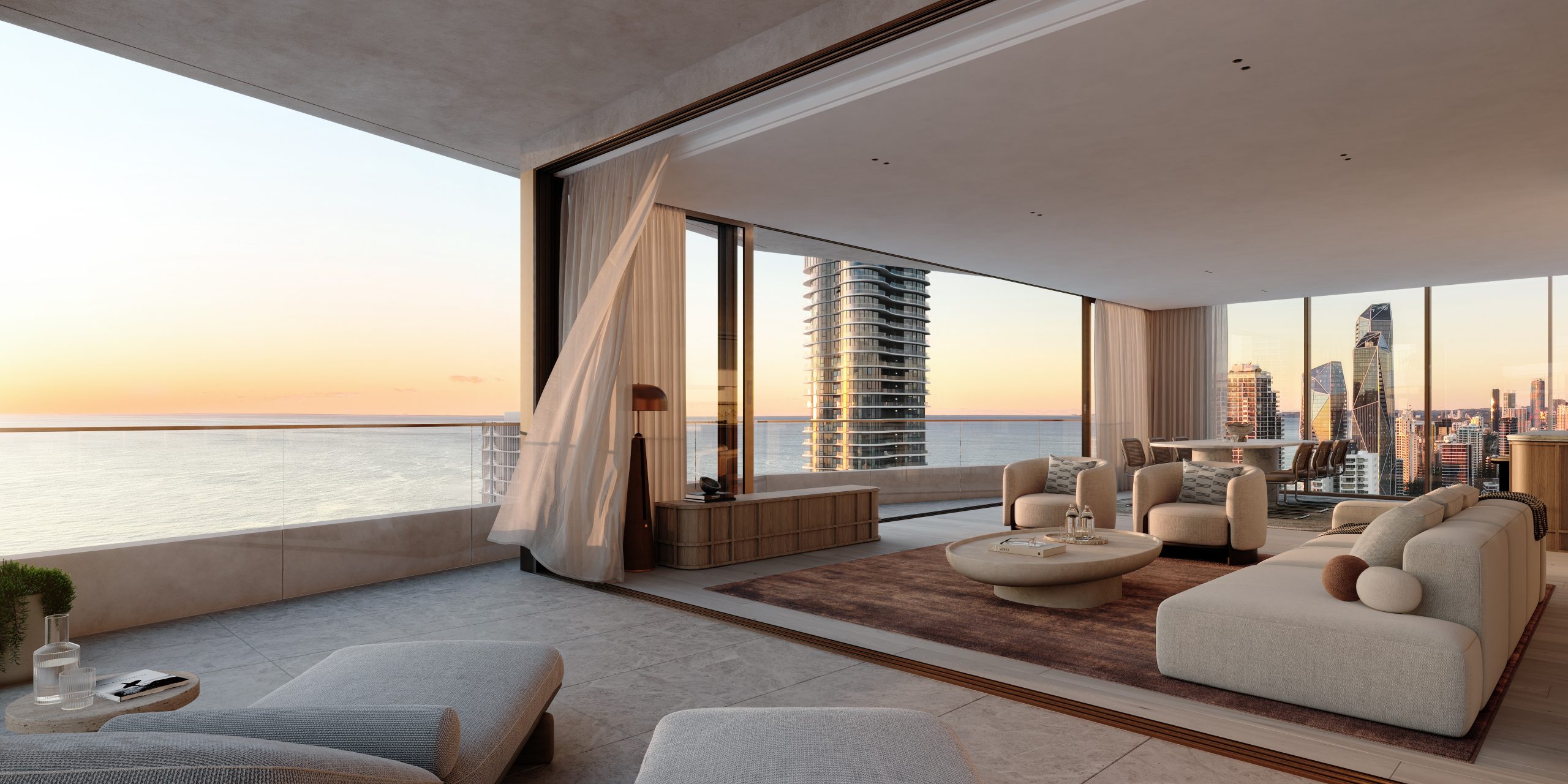
Mirvac’s 45-level Trielle has topped out at Yarra’s Edge, pairing riverfront apartments with wellness facilities, private dining and resident services.
3 min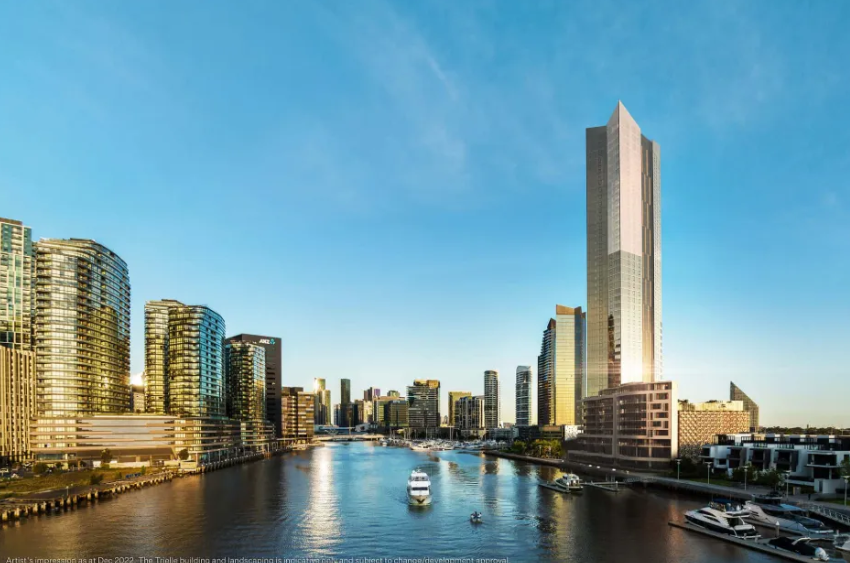
Mirvac has topped out Trielle at Melbourne’s Yarra’s Edge, with more than 70 per cent of the riverfront development sold and approximately 80 per cent of purchasers intending to make their apartment a home.
The figures, released on September 22, point to an owner-occupier audience for one of the precinct’s final residential towers. Mirvac began developing Yarra’s Edge in 2003, and its latest addition occupies one of the remaining absolute riverfront sites.
Mirvac CEO of Development Stuart Penklis said existing residents were among those moving up within the neighbourhood.
“Many purchasers already have a connection to Yarra’s Edge,” Mr Penklis said, describing buyers whose changing needs were encouraging an upgrade within the precinct.
“As one of the final residential towers within Yarra’s Edge, Trielle represents the culmination of more than two decades of creating one of Melbourne’s most established and sought-after waterfront communities,” Penklis said.
“Positioned on the Collins Street axis with absolute river frontage, Trielle offers residents a rare opportunity to enjoy sweeping views across the Yarra River, Melbourne skyline and Port Phillip Bay, while remaining seamlessly connected to the CBD. With Trielle now more than 70 per cent sold, we’re continuing to see strong demand from buyers seeking quality homes in established locations.”
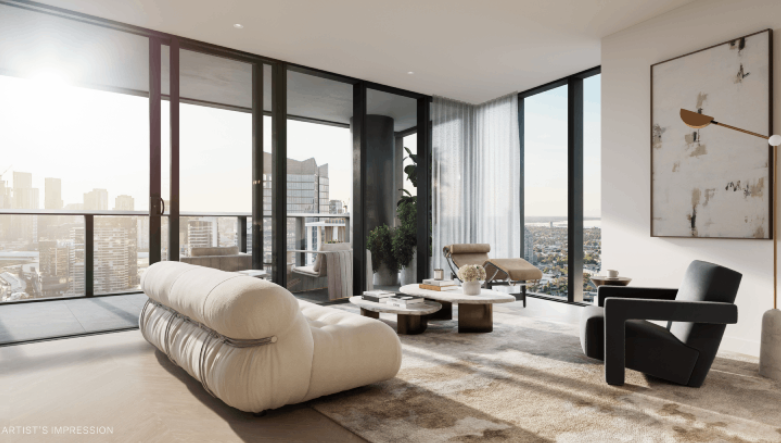
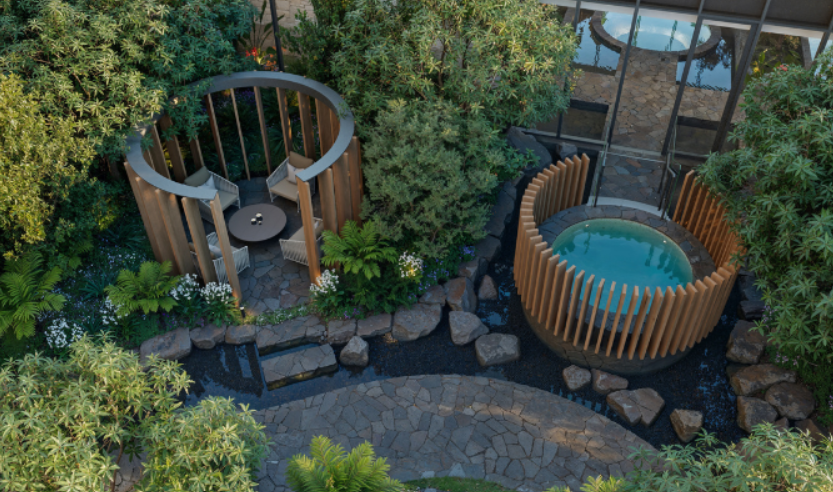
The developer also flagged a penthouse and sub-penthouse collection with larger layouts, premium finishes and broad outlooks. The planned wellness centrepiece, The Oasis, encompasses a 900-square-metre elevated urban rainforest.
Mirvac General Manager Residential Development Victoria Elysa Anderson said Trielle had resonated strongly with buyers seeking a rare lifestyle offering in Melbourne.
“Opportunities to secure a new luxury residence on a riverfront site of this calibre are incredibly rare, particularly within a community like Yarra’s Edge,” Anderson said.
“What makes Trielle unique is the combination of exceptional views, world-class residential facilities and the lifestyle that already exists around it. Residents are buying into a mature waterfront community with parks, promenades, dining, wellness and strong community connections already in place.”
The 45-level tower brings a substantial new presence to that waterfront. Its residential offering spans one-, two-, three- and four-bedroom apartments, with Signature, Prestige and Sub-Penthouse collections accommodating different household sizes. The north-facing position connects the apartments visually to the river and city beyond.
Seven storeys above the promenade, the planned Oasis combines planting and a running stream with a Scandinavian-inspired wellness club developed with spa specialist Naomi Gregory. Facilities include a 25-metre lap pool, hot magnesium pool, sauna, hydrotherapy, a gym, yoga and Pilates room, and treatment spaces.
The amenity extends beyond exercise. Residents will have access to The Biblioteca library and workspaces, ground-floor work pods, and The Salone piano lounge. A private Chef’s Table dining room offers a setting for larger gatherings, while a cinema, games room and sports lounge broaden the entertaining options. Concierge services and a dog-wash area support everyday routines.
Trielle comprises a collection of one, two, three and four-bedroom residences. Reflecting strong demand from owner occupiers, approximately 80 per cent of purchasers to date intend to live in their homes, highlighting the project’s appeal to those seeking a long-term waterfront lifestyle.
Mirvac has recently delivered The Albertine, a premium apartment development on the edge of Melbourne’s CBD, and is nearing completion of Prince & Parade in Brunswick, further strengthening its portfolio of thoughtfully designed apartment communities in some of Melbourne’s most sought-after urban locations.

MAISON de SABRÉ’s new Spring Harvest Collection turns everyday produce into collectible leather charms and introduces fresh silhouettes in its cult Bucket bag family.
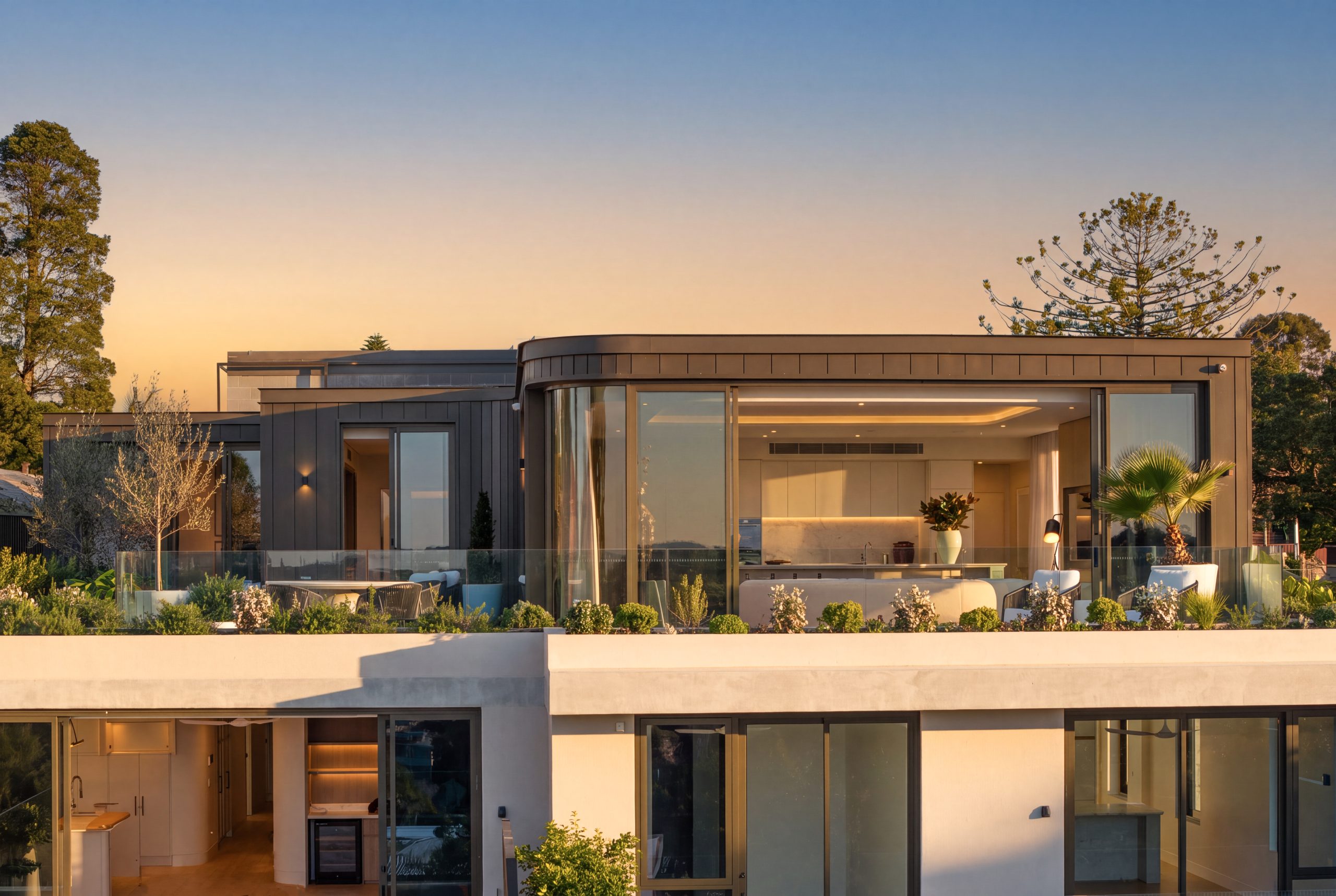
The completed penthouse at Park Residences showcases a considered approach to luxury apartment living, combining northern light, curated interiors and the privacy of a whole-floor residence.