Five Things You Should Stop Doing Before Applying For a Home Loan
If you’re looking to secure a home loan, you might want to consider these expert tips…
 5 min
5 min
No matter whether you’re a first home buyer or a seasoned investor, entering the property market right now, in whatever capacity, is a tricky task thanks to high interest rates and a super competitive market across the board.
With Google searches like ‘how much deposit do I need to buy a house’ and ‘how to get a home loan’ currently trending, there’s one question potential buyers should be asking, as well: ‘what are the things to stop doing before applying for a home loan’.
Barbara Giamalis, a mortgage broker at Tiimely Home, has over 25 years of experience on the matter, and says there are certainly some factors to consider when applying for a home loan that can better your chances of success.
“There’s no right or wrong time to purchase a home; it all depends on every person’s financial situation, but you must ensure you’re comfortable paying back the loan based on your personal financial circumstances,” said Ms Giamalis.
“The number one question I’m asked is, ‘how much can I borrow?’, but there’s a huge difference between what people can borrow now in comparison to rates. By enacting some of these small tips below, it might just be the difference between getting approved or denied for a home loan.”
Below, Ms Giamalis lists five things you should consider stopping if you’re planning to apply for a home loan. And with predications of lower interest rates coming into play this year, there’s never been a better time to get on top of the home loan race.
—
1. Consider cancelling your credit card
This is a simple one. Typically, if you’re looking to borrow more money for a higher loan, it’s wise to close any credit card accounts you have open. Contrary to popular opinion, you definitely don’t need a credit card to build your credit score to get a home loan.
“If you’ve got credit cards, try and pay them off and cancel them before applying for a loan because it gives you greater borrowing power,” said Ms Giamalis.
“You don’t need a good credit score through a credit card to get approved for a home loan as your credit rating is what it is. If you’re a first-time borrower and never had a loan, your rating won’t be great, it might be around 700, but it’s better than having 800 with two credit cards.”
Typically, a credit card rating is calculated from your credit report, which is essentially a history of your credit card actions. It’s calculated based off your line of credit (the amount you have borrowed), your credit application history, and whether you have paid your debts in time. Your score will be highlighted between zero to 1,200; the higher the score, the better your odds are of getting a loan. The lower your score, riskier you present to potential lenders.

2. Stop using ‘Buy Now, Pay Later’ schemes
We’ve all been there. ‘Buy Now, Pay Later’ services present as extremely attractive payment alternatives when shopping online. But therein lies the danger; such services rely on its customers not making repayments in time.
And if you’re considering applying for a home loan, it’s wise to avoid using such services all together.
“If an applicant opts to pay off purchases in increments, even interest-free payments, this could signal to some lenders that the applicant may not be financially stable,” said Ms Giamalis.
“Most lenders will look at the living expenses of an applicant. If an applicant is using ‘buy now, pay later’ services more than what they have in their savings, this could be a red flag and lenders could question whether they can afford a loan.”
Services like Afterpay also have the right to report any missed payments on your credit history, which could definitely have a negative impact to your credit score.
3. Don’t put off saving for future mortgage repayments
Before applying for a home loan, a good indication of whether you would be able to afford the monthly repayments on your mortgage is demonstrating the ability to save the amount. This, along with saving for your ten or 20 percent deposit, will put you in good stead for your home loan preparation, and will show lenders that you’re disciplined when it comes to finances.
“One of the best tips for young people, and one they can start doing now, is to start saving for their monthly mortgage payment before applying for a home loan as it shows dedication,” said Ms Giamalis.
Ms Giamalis adds that having a three-month saving history is a great way to prove this to potential lenders.
Here are some friendly financial tools to assist you along the way.

4. Stop gambling and making cash withdrawals
According to Gambling Statistics Australia, 6.8 million Australians participate in some form of gambling each year. This could include activities like buying a ticket in the lottery right through to using gambling apps and visiting casinos. This can present as an obvious red flag to lenders, who will take this into account when deciding to service a home loan application or not.
Another factor to consider is cash withdrawals. If you’re someone who is making regular ATM cash withdrawals per week or per month, this can be a problem as the potential lender can’t track where this money is going. Experts suggest it’s better to have purchases that are traceable.
“Large one-off purchases such as a couch, a new hot water service or a motor vehicle, won’t be taken into an applicant’s living expenses as it’s a one-off meaning the banks will look at that as a discretionary cost,” added Ms Giamalis.

5. Don’t hold onto student debt
One of the key considerations your mortgage broker or financial professional will consider in the home loan application process is paying out any debts you may have outstanding, such as your higher education debt.
It might seem obvious that paying off a HECS debt will strengthen your chances of obtaining a home loan, however, Ms Giamalis says many people often don’t factor in these debts.
“The Higher Education Loan Program (HELP) impacts your borrowing power. HELP debt is a liability that you need to declare in the home loan application process,” said Ms Giamalis.
“The impact of HECS on your ability to get a home loan may vary depending on your income level and the amount of your HECS debt. Seeking financial advice before deciding to pay off your debt is crucial.”
Many are not in the position to pay off their student loans immediately, so this point comes as an additional should you be in the position to do so. This also applies even in light of the Federal Government’s proposal to wipe a reported $3 billion in debt from three million Australians who have HECS debts through indexation changes, essentially capping indexation rate for loans. The proposal is designed to lend a hand in helping young tertiary educated Australians pay off their student loans.
—
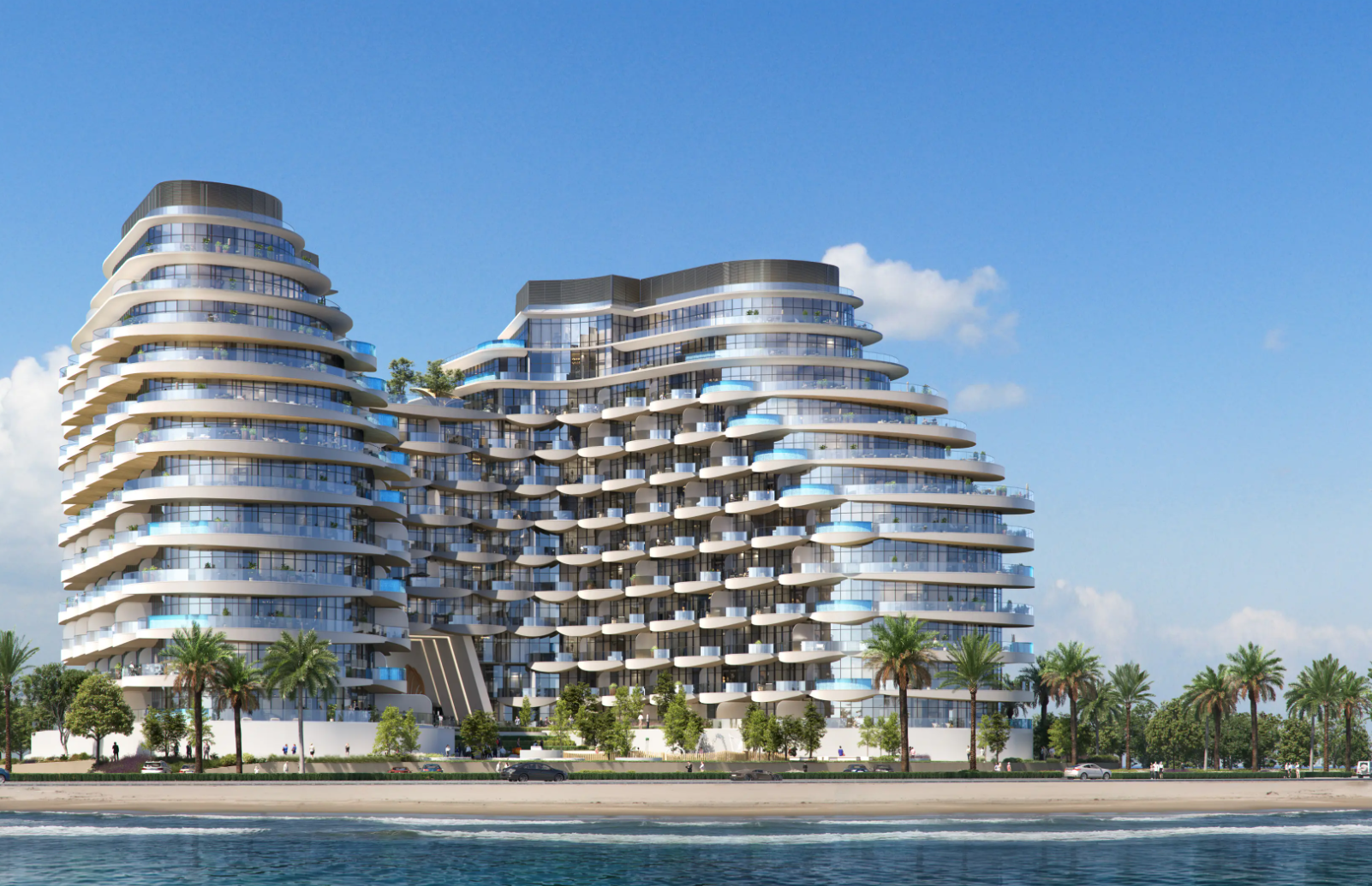
BNW Developments has established a Sydney presence, joining Arada and Sobha Realty among the growing number of UAE developers pursuing Australian buyers and development opportunities.

Australian shares fell on Thursday as Wall Street weakness, rising oil and persistent rate concerns weighed on most of the market. The S&P/ASX 200 declined 0.72 per cent to 8,702. The All Ordinaries lost 0.66 per cent to finish at 8,897. Mining stocks were hit particularly hard, while real estate also dragged on the index. …
Continue reading “ASX falls 0.7 per cent as miners and property stocks retreat”
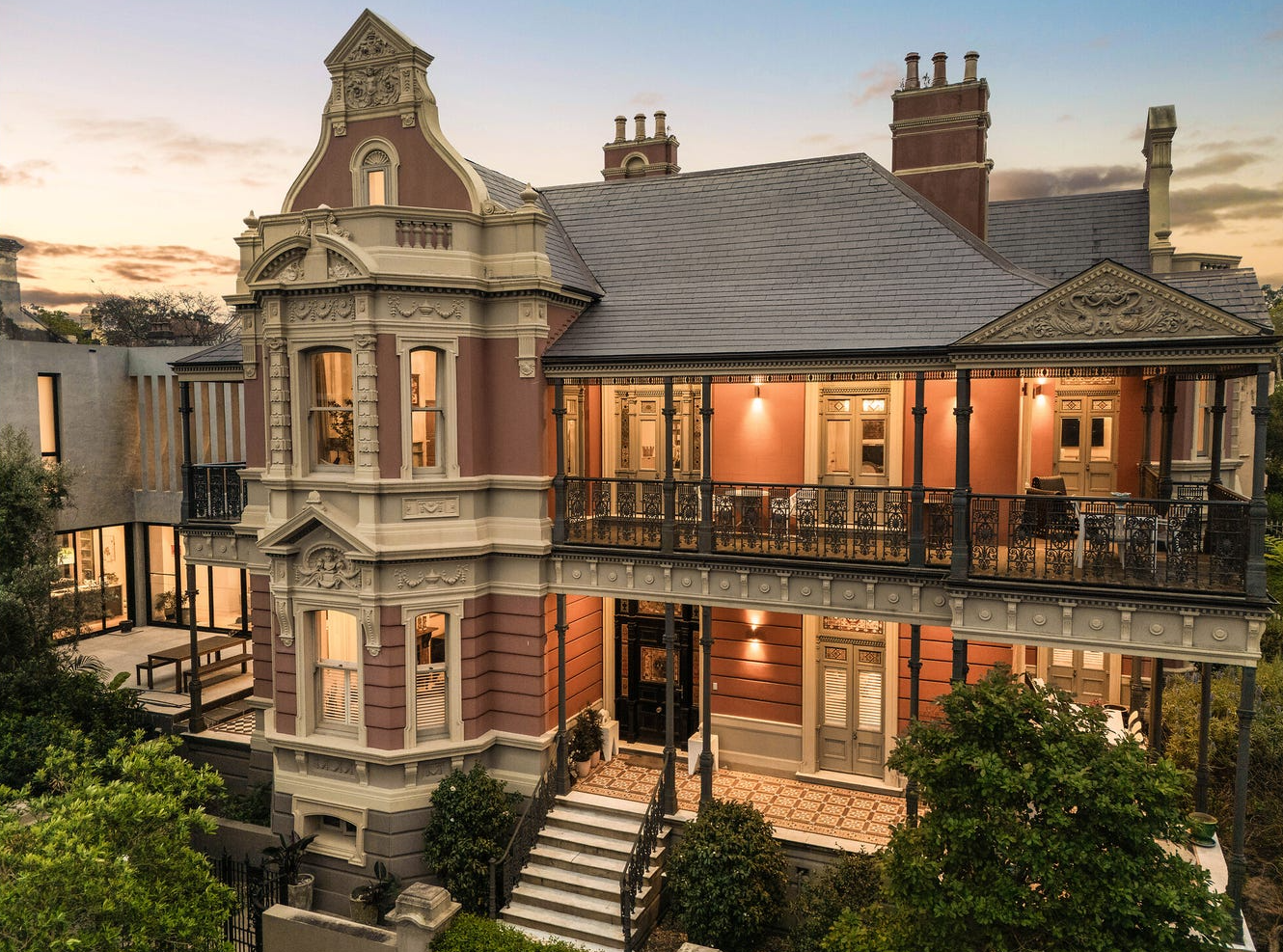
رغم التوترات الإقليمية، يواصل سوق العقارات الفاخرة في الإمارات جذب المشاريع الجديدة، مع تصدر الواجهات البحرية المشهد. وتستعد دبي وأبوظبي ورأس الخيمة لإطلاق مجموعة من المشاريع السكنية الفاخرة، بينها مساكن تحمل علامات فندقية عالمية مثل Ritz-Carlton وJanu.
6 min
Long-term optimism remains strong in the United Arab Emirates, even as the war in neighboring Iran hinders home sales and demand for now.
While there have certainly been residential and commercial real estate projects across the U.A.E. that have been paused or delayed due to the turmoil experienced across the region, by and large, new developments continue to be launched.
That’s the case in the luxury residences sector in particular, where a string of starry, big-name projects are putting homes on the market before the close of the year. One trend is that the islands of Dubai, Abu Dhabi and the U.A.E. at large that are taking their turn in the spotlight, as waterfront living continues to be in demand and come at a premium.
For would-be buyers looking for resort-style homes along the shores, there’s an array of upcoming projects to get excited about. Right at the top of the list are hotel branded residences from the likes of Ritz-Carlton and Janu, the sister brand of powerhouse Aman, among five swanky projects selling this season.
The Ritz-Carlton Residences Al Maryah Island, Abu Dhabi
Luxury hotel branded residences are thriving, and the exciting Ritz-Carlton Residences Al Maryah Island development is a great example of why. Residents can expect hotel-style amenities and services from a locale within Abu Dhabi’s thriving waterfront district, with the creature comforts of home built into it.
This project was unveiled at Abu Dhabi Finance Week 2025 and promises to offer The Ritz-Carlton brand’s signature, timeless style and unwavering attention to detail. All units will feature floor-to-ceiling windows with enviable views, while residents will be able to take advantage of a resort-grade, infinity waterfront pool, immersive spa and wellness facilities, and a waterfront promenade with curated outdoor spaces as well as high-end retail and dining venues.
Sales launch in October.
Number of Units: 172
Price Range: Starting at $1.2 million
Developer/Architect: Killa Design and Tara Bernerd, with SAAS Properties.
Home Sizes: One- to four-bedroom residences ranging from 882 square feet to 4,962 square feet, and a five-bedroom, 13,713-square-foot penthouse.
Amenities: Wellness facilities including premium fitness center, massage room, meditation and recovery rooms, cold plunge and indoor pool. There’s also a rooftop pool, co-working lounge, executive golf lounge, and a games room and children play area.
Janu Al Marjan Island, Ras Al Khaimah
Just 50 minutes from Dubai International Airport, Janu Al Marjan Island aims to both feel a world apart from the city, while also offering supreme ease of access. The property has its own private stretch of beach and marina, ideal for superyacht mooring and serving as the scene of a beach club.
The Janu Residences will be positioned next to the Janu hotel, with residents able to take advantage of its many social and wellness spaces, in addition to resident’s-only amenities and services. Meanwhile, the adjacent Wynn Al Marjan Island, the U.A.E.’s first integrated resort, is in direct proximity as well.
Social life by the sea, with discretion and wellness on tap, not to mention a chance to get in early on burgeoning Ras Al Khaimah.
Sales launch in late October.
Number of Units: 73
Price Range: Starting at $2.3 million
Developer/Architect: Jointly developed by Marjan and Wynn Resorts, with architecture by SCDA Architects.
Home Sizes: One- to five-bedroom residences ranging from 2,117 square feet to 18,955 square feet, as well as five Marina Villas and a residential tower penthouse.
Amenities: An active lifestyle comes to the forefront with the Janu Spa and Wellness center and a padel court. Six dining venues and a signature beach club are key features for residents who want it all, right on-site.
Sei Saadiyat, Saadiyat Cultural District, Abu Dhabi
Located in the Saadiyat Cultural District, Sei Saadiyat combines its historic locale with a unique spin rooted in the Japanese concept of stillness and calm, or “Sei.” That foundational principle is what this community will be based on, with a mission to foster wellness and relaxation in all forms, including fitness and social connection.
A total of 778 homes will be spread across six Jacobs-designed buildings. Aldar is also introducing a first in their residential portfolio in the form of their two-bedroom Kanso Lofts at Sei Saadiyat, featuring double-height, open-plan living in loft style spaces including an elevated bedroom.
Phase one sales launched in September.
Number of Units: 778 total (265 involved in this phase one launch)
Price Range: Starting at $800,000
Developer/Architect: Aldar with architecture by Jacobs and interiors by Kettle Collective.
Home Sizes: Residences range from 753 square feet to 2,238 square feet, in a range of floor plans including one- and two-bedroom apartments, three-bedroom Kanso Residences and two-bedroom Kanso lofts.
Amenities: Amenities tie into the brand’s ethos of stillness and calm: expect a Zen garden with serenity pool and outdoor yoga decks, along with numerous indoor and outdoor fitness areas, and hot-and cold-pool experiences.
Amali Canal Residences
Amali Canal Residences is located on Dubai Canal in Al Wasl. The community is suspended above the canal, and brings the presence of water even closer to home with a number of features including private plunge pools in every residence, and a swim-through, indoor-outdoor pool with a signature waterfall facade that would make the posh resorts of the Swiss Alps blush.
There will be no shortage of on-site entertainment and diversions, whether in the form of a private cinema and resident bowling alley, cigar lounge and library, padel and sports courts, a panoramic fitness center. Then there’s The Retreat, a wellness center incorporating spa, sauna, steam, onsen baths, hydrotherapy, and yoga and pilates studios. When it’s time for a bit of work in between the diversions, residents can use an executive boardroom, private studies and co-working lounges.
Sales launch in October.
Number of Units: 211
Price Range: Two bedrooms starting at $3.9 million; three bedrooms starting at $5.4 million; four bedrooms starting at $7.4 million; penthouse pricing on request.
Developer/Architect: Amali Properties in collaboration with AHS Properties, with architecture by Killa Design and interior design by HBA Residential.
Home Sizes: Two- to four-bedroom apartments ranging from 2,880 square feet to 7,800 square feet, in addition to four- and five-bedroom penthouses ranging up to 21,000 square feet.
Amenities: 55,000 square feet of interconnected amenity spaces including myriad lounges, infinity pools with cabanas, children’s waterpark and child care center, padel court and a rooftop secret garden.
Rixos Residences Al Reem Island, Abu Dhabi
The Rixo Residences on Al Reem Island, Abu Dhabi, are designed to match its island environs with the thriving culture and finance dynamics of the city. Panoramic water and skyline views bring both faces to life, in this East & West Properties project.
Residences showcase expansive terraces offering boundless views from within a community centered around three dedicated amenity zones: the Oasis, the Haven and the Gathering. Together, wellness, fitness, social life and relaxation are all available in a number of formats.
Less than half a mile from the coast, and only 10 minutes from downtown Abu Dhabi, Rixos Residences offers generous layouts and amenity-rich public spaces that deliver equally as well for family-friendly living as well as investors.
Sales launched in August.
Number of Units: 386
Price Range: One-bedrooms starting at $570,000, with larger loft units starting at $1.8 million.
Developer/Architect: East & West Property Development under the Ennismore portfolio, with architect Aedas and interiors by HBA Residential.
Home Sizes: One- to two-bedroom apartments as well as three- and four-bedroom lofts, from 954 square feet to 2,941 square feet.
Amenities: Wellness treatment areas as well as Turkish hammam and steam rooms, landscaped walking tracks, padel court, rooftop clubhouse and plunge pool, private cinema, and services including concierge, valet and security.

Two coming 2027 models – the first of the “Neue Klasse” cars coming to the U.S. early next year – have been revealed.

From the Caribbean to Australia’s east coast, Oyster’s latest world rally promises a bluewater voyage designed for owners seeking ultimate sailing experiences.