New York City Reigns as the World’s Hub for Millionaires

 2 min
2 min
More millionaires call New York City home than anywhere else in the world, according to a report from international wealth migration specialists Henley & Partners.
The Big Apple, which has seen its high-net-worth population jump by 48% over the past decade, is home to 349,500 millionaires, 744 centi-millionaires—those with liquid investable wealth of over US$100 million—and 60 billionaires, according to the firm, which collaborated with data intelligence firm New World Wealth for the analysis.
The city also ranked as the top spot for millionaires last year.
California’s Bay Area, encompassing San Francisco and the tech-mecca of Silicon Valley, ranked second. Wealth in the Bay Area has grown at one of the fastest rates in the world, increasing its number of wealthy citizens by a sizeable 82% over the past decade. It’s now home to 305,700 millionaires, 675 centi-millionaires, and 68 billionaires.
New York and the Bay Area were among 11 areas in the U.S. on the top 50 ranking, making the country the world’s foremost hub of moneyed residents.

Across the pond, London, which ranked as the wealthiest city in the world for many years, tumbled down the ranking, and now sits in fifth place with just 227,000 millionaires, 370 centi-millionaires, and 35 billionaires, a decline of 10% over the past decade, said the report, which was released earlier this week.
Cities with the fastest growing wealth, meanwhile, can be found in China.
Shenzhen’s wealthy population is snowballing most, with their numbers surging by 140% in the last 10 years, the report said.
“Hangzhou has also experienced a massive 125% increase in its [high-net-worth] residents, and Guangzhou’s millionaires have grown by 110% over the past decade,” said Andrew Amoils, head of research at New World Wealth, in the report.
Looking ahead, when it comes to wealth growth potential over the next decade, “cities to watch include Bengaluru, India; Scottsdale, Arizona; and Ho Chi Minh City in Vietnam,” he added. “All three have enjoyed exceptional growth rates of over 100% in their resident millionaire populations over the past 10 years.”
Underpinning the growth of the world’s wealthiest cities has been the robust performance of financial markets of late, from the S&P 500 to Bitcoin, according to Juerg Steffen, CEO of Henley & Partners.
Plus, “rapid advancements in artificial intelligence, robotics, and blockchain technology have provided new opportunities for wealth creation and accumulation,” Steffen said. “Yet, even as new opportunities emerge, old risks persist. The war in Ukraine, which has seen Moscow’s millionaire population plummet by 24% to 30,300, is a stark reminder of the fragility of wealth in an uncertain and unstable world.”
 Copyright 2020, Dow Jones & Company, Inc. All Rights Reserved Worldwide. LEARN MORE




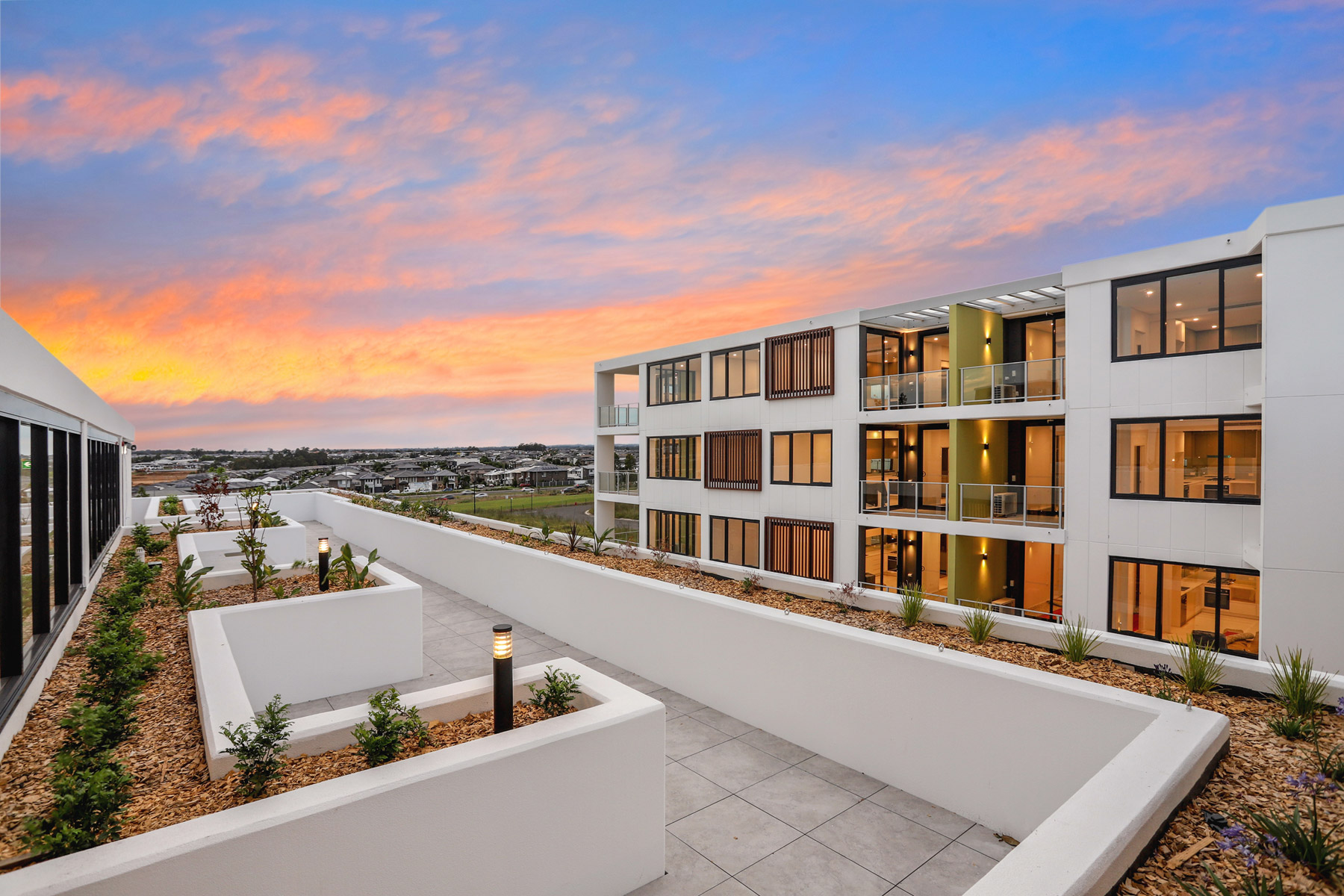
Ophora Tallawong has launched its final release of quality apartments priced under $700,000.
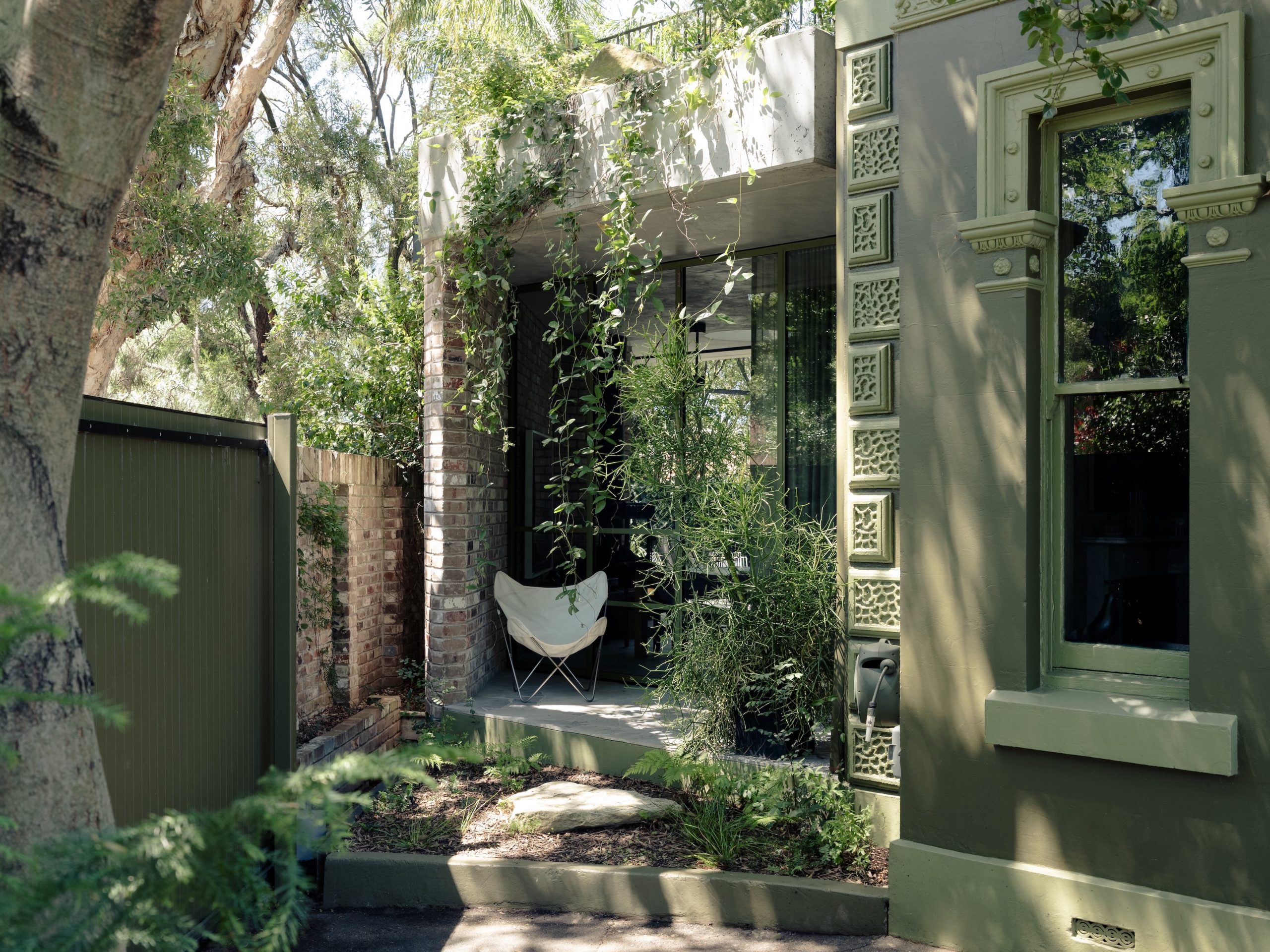
From bushland greens to valley reds, the country’s most awarded designers are proving that the best colour palette was never on a swatch card; it was outside the window all along.
The federal budget has rattled property investors. But the biggest mistake isn’t the tax changes, it’s the conclusion many are drawing from them.
2 min
The recent budget has forced a reckoning for property investors.
Negative gearing now restricted to new residential builds, the CGT discount gone and on paper, the numbers look different.
And many investors are responding by pivoting toward yield, prioritising cash flow over capital growth in a way that property strategists say misses the point entirely.
“The debate has shifted to yield versus growth as if they are opposing forces,” says Abdullah Nouh, founder of Melbourne-based buyers’ agency Mecca Property Group. “But that framing is itself the mistake.”
Nouh, who works with high-net-worth families and investors on long-term acquisition strategy, argues that capital growth remains the primary driver of genuine wealth creation and that the post-budget environment has made quality assets more important, not less.
The numbers make his case plainly. An additional $500 per week in rental income is welcome. A prestige asset appreciating by $1 million over a market cycle is transformative.
These are not equivalent outcomes, and portfolios built around yield at the expense of location and land value tend to generate income while wealth stands largely still.
The more nuanced shift Nouh is seeing among sophisticated investors is a move toward assets where both outcomes can be engineered simultaneously – established homes on substantial land in quality locations, where the existing dwelling can be repositioned, rental returns improved, and the underlying land value compounds independent of what sits on it.
For investors with existing equity, commercial property is also entering the conversation in a more serious way.
Prestige industrial assets, medical centres and long-leased essential retail offer income profiles that residential property in most capital city markets cannot currently match: longer lease terms, tenants covering outgoings, and greater predictability than the residential tenancy cycle.
“The investors who build lasting wealth are rarely the ones who chased yield or growth exclusively,” says Nouh.
“They are the ones who built a strategy they could sustain – one that generated enough income to hold quality assets through multiple cycles while those assets compounded in value.”
The budget has changed the settings. It has not changed the fundamentals.

Paine Schwartz joins BERO as a new investor as the year-old company seeks to triple sales.

Following the successful launch of its Palais Collection, MAISON de SABRÉ has unveiled a new modular handbag system offering more than 720 styling combinations.