The Art Market is Down. A Cyberattack at Christie’s May Make Things Worse.
The auction house plans for sales to proceed, including for a Warhol ‘Flowers’ estimated at $20 million

 3 min
3 min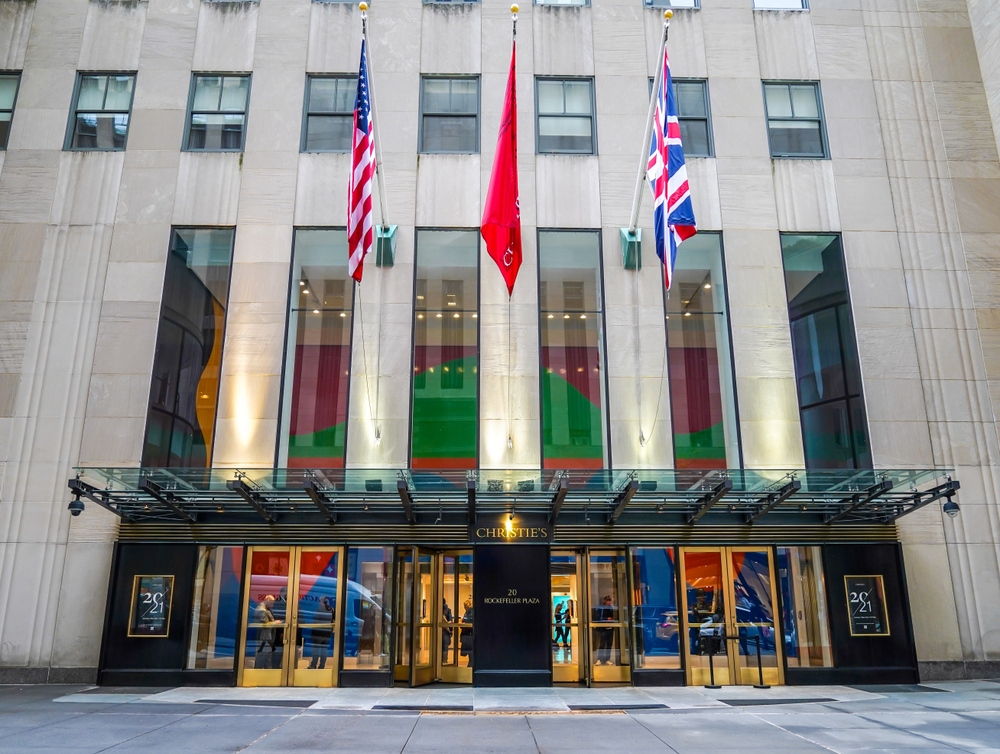
Christie’s remained in the grip of an ongoing cyberattack on Tuesday, a crisis that has hobbled the auction house’s website and altered the way it can handle online bids. This could disrupt its sales of at least $578 million worth of art up for bid this week, starting tonight with a pair of contemporary art auctions amid New York’s major spring sales.
Christie’s said it has been grappling with the fallout of what it described as a technology security incident since Thursday morning—a breach or threat of some kind, though the auction house declined to discuss details because of its own security protocols. Christie’s also declined to say whether any of the private or financial data it collects on its well-heeled clientele had been breached or stolen, though it said it would inform customers if that proves to be the case.
“We’re still working on resolving the incident, but we want to make sure we’re continuing our sales and assuring our clients that it’s safe to bid,” said Chief Executive Guillaume Cerutti.
Sotheby’s and Phillips haven’t reported any similar attacks on their sites.
Christie’s crisis comes at a particularly fragile moment for the global art market. Heading into these benchmark spring auctions, market watchers were already wary, as broader economic fears about wars and inflation have chipped away at collectors’ confidence in art values. Christie’s sales fell to $6.2 billion last year, down 20% from the year before.
Doug Woodham, managing partner of Art Fiduciary Advisors and a former Christie’s president, said people don’t want to feel the spectre of scammers hovering over what’s intended to be an exciting pastime or serious investment: the act of buying art. “It’s supposed to be a pleasurable activity, so anything that creates an impediment to enjoying that experience is problematic because bidders have choices,” Woodham said.
Aware of this, Cerutti says the house has gone into overdrive to publicly show the world’s wealthiest collectors that they can shop without a glitch—even as privately the house has enlisted a team of internal and external technology experts to resolve the security situation. Currently, it’s sticking to its schedule for its New York slate of six auctions of impressionist, modern and contemporary art, plus two luxury sales, though one watch sale in Geneva scheduled for Monday was postponed to today.
The first big test for Christie’s comes tonight with the estimated $25 million estate sale of top Miami collector Rosa de la Cruz, who died in February and whose private foundation offerings include “Untitled” (America #3),” a string of lightbulbs by Félix González-Torres estimated to sell for at least $8 million.
Cerutti said no consignors to Christie’s have withdrawn their works from its sales this week as a result of the security incident. After the De la Cruz sale, Christie’s 21st Century sale on Tuesday will include a few pricier heavyweights, including a Brice Marden diptych, “Event,” and a Jean-Michel Basquiat from 1982, “The Italian Version of Popeye Has no Pork in his Diet,” each estimated to sell for at least $30 million.
But the cyberattack has already altered the way some collectors might experience these bellwether auctions at Christie’s. Registered online bidders used to be able to log into the main website before clicking to bid in sales. This week, the house will email them a secure link redirecting them to a private Christie’s Live site where they can watch and bid in real time. Everyone else will be encouraged to call in or show up to bid at the house’s saleroom in Rockefeller Center in Midtown Manhattan.
If more bidders show up in person, the experience might prove to be a squeeze. During the pandemic, Christie’s reconfigured its main saleroom from a vast, well-lit space that could fit several hundred people into a spotlit set that more closely evokes a television studio, with far fewer seats and more roving cameras—all part of the auction industry’s broader effort to entice more collectors as well as everyday art lovers to tune in, online.
Once this smaller-capacity saleroom is filled, Christie’s said it will direct people into overflow rooms elsewhere in the building. Those who want to merely watch the sale can’t watch on Christie’s website like usual but can follow along via Christie’s YouTube channel.
Art adviser Anthony Grant said he typically shows up to bid on behalf of his clients in these major sales, though he said his collectors invariably watch the sales online as well so they can “read the room” in real time and text him updates. This week, Grant said a European collector who intends to vie for a work at Christie’s instead gave Grant a maximum amount to spend.
Grant said the cyberattack popped up in a lot of his conversations this past weekend. “There’s a lot of shenanigans going on, and people have grown so sensitive to their banks and hospitals getting hacked,” he said. “Now, their auction house is going through the same thing, and it’s irksome.”
 Copyright 2020, Dow Jones & Company, Inc. All Rights Reserved Worldwide. LEARN MORE




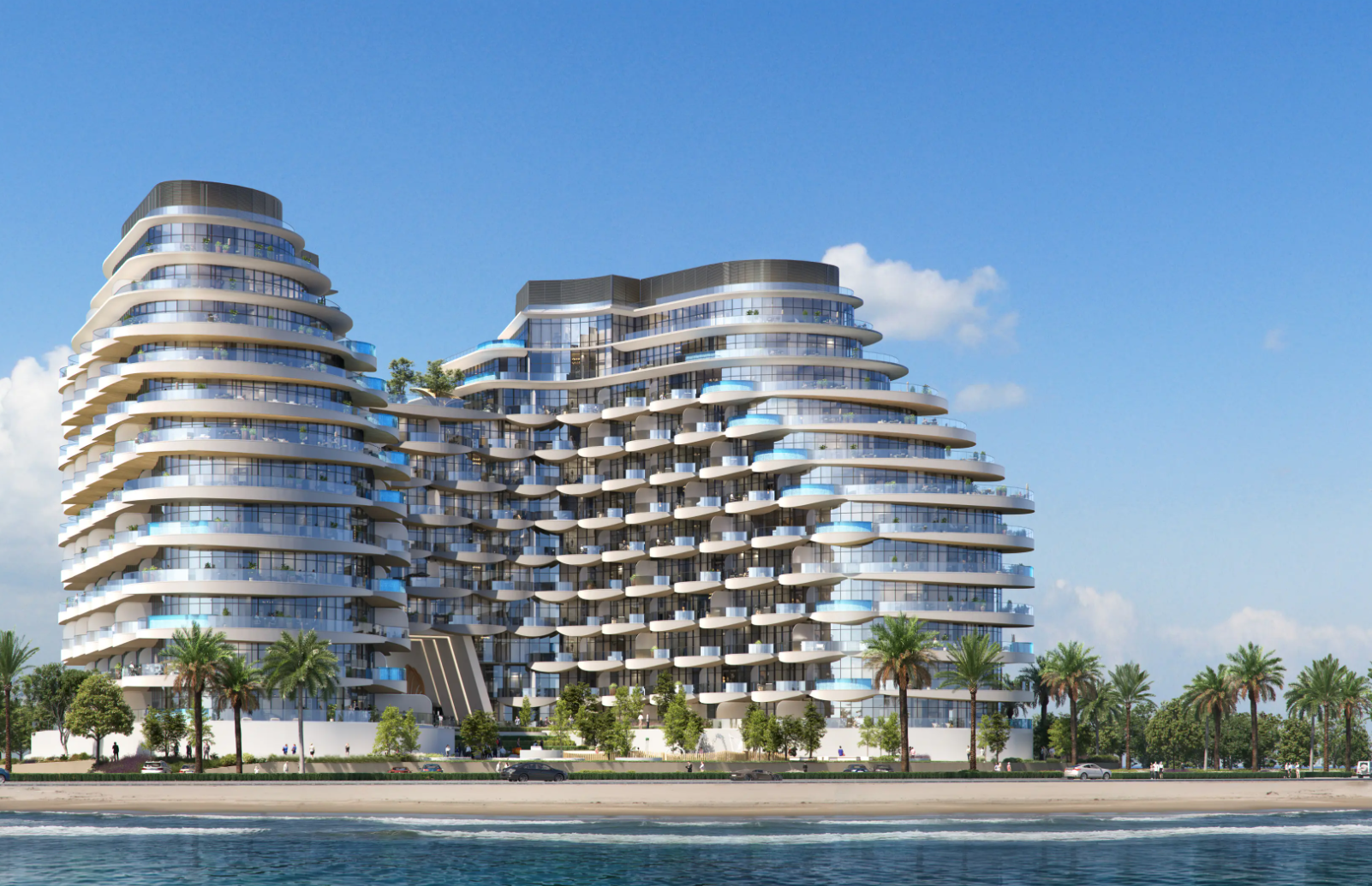
BNW Developments has established a Sydney presence, joining Arada and Sobha Realty among the growing number of UAE developers pursuing Australian buyers and development opportunities.

Australian shares fell on Thursday as Wall Street weakness, rising oil and persistent rate concerns weighed on most of the market. The S&P/ASX 200 declined 0.72 per cent to 8,702. The All Ordinaries lost 0.66 per cent to finish at 8,897. Mining stocks were hit particularly hard, while real estate also dragged on the index. …
Continue reading “ASX falls 0.7 per cent as miners and property stocks retreat”
 2 min
2 minAustralian shares fell on Thursday as Wall Street weakness, rising oil and persistent rate concerns weighed on most of the market.
The S&P/ASX 200 declined 0.72 per cent to 8,702. The All Ordinaries lost 0.66 per cent to finish at 8,897. Mining stocks were hit particularly hard, while real estate also dragged on the index.
Energy was the notable exception, gaining more than one per cent as Brent crude traded above US$103 a barrel. Oil had moved higher amid uncertainty surrounding potential US diesel-export restrictions and broader geopolitical supply risks. The move supported energy producers but renewed concern about inflation inputs across transport and the wider economy.
Gold shares were weak even as spot bullion remained historically elevated. The All Ordinaries Gold index fell about 2.25 per cent, showing that equity performance can diverge from the commodity because of valuation, currency, operating and company-specific factors.
Zip was a prominent loser, falling 11.38 per cent after the company reported short sales after the previous close. Nine Entertainment also weakened after UBS analysts warned of near-term revenue challenges associated with its advertising-supported subscription tier.
Premier Investments led larger winners despite caution about the retail environment. Breville, in which Premier owns a significant stake, also appeared among leading movers. In the broader ASX 300 screen, Myer gained 11.43 per cent and MAAS Group rose 7.93 per cent, while Lotus Resources fell 10.53 per cent. These percentage moves should be checked against company announcements and trading liquidity before attributing causes.
The Australian dollar was broadly flat at US70.38 cents. Spot gold was around US$4,280 an ounce, Brent crude approximately US$103.08 a barrel and iron ore near US$96.90 a tonne late in the session.
The rate outlook remains the central domestic catalyst. Labour-market weakness has not eliminated the possibility of an RBA increase next week, leaving banks, listed property and other rate-sensitive sectors exposed to changing expectations.
Market dashboard
S&P/ASX 200: 8,702, down 0.72 per cent.
All Ordinaries: 8,897, down 0.66 per cent.
Best sector: Energy, up more than one per cent.
Weakest areas: Real estate and materials were the major drags; confirm final sector percentages before publication.
Material winner: Premier Investments led the large-company gainers. Confirm its final closing move from the ASX before publication.
Material loser: Zip, down 11.38 per cent.
ASX 300 percentage leader: Myer, up 11.43 per cent.
ASX 300 percentage laggard: Zip, down 11.38 per cent.
AUD/USD: Approximately US$0.7038, broadly flat.

Barnet, in North London, lays claim to two of the country’s most expensive roads to own a home.

The PG rating has become the king of the box office. The entertainment business now relies on kids dragging their parents to theatres.