What the experts say the Federal Government’s budget means for the Australian housing market
The Albanese Government is initiating a range of measures to tackle the housing crisis, but experts fear it’s not enough
 3 min
3 min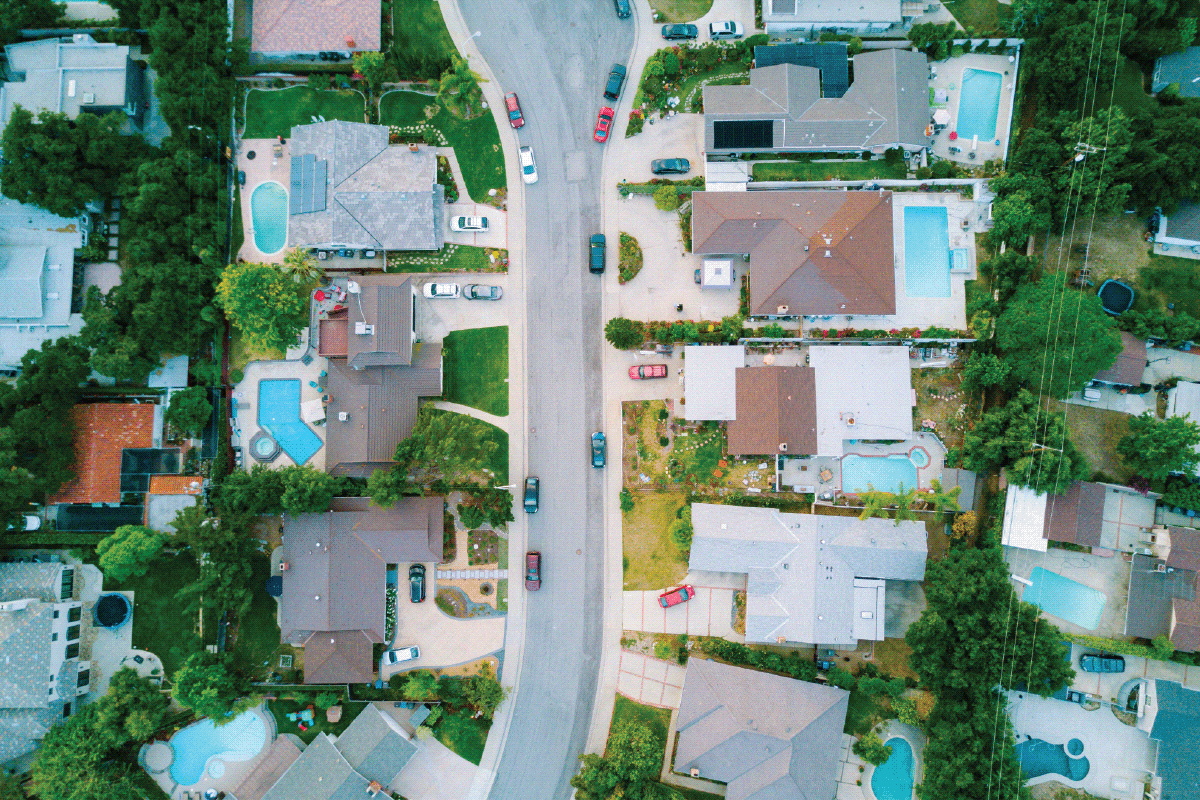
The $11.3 billion Homes for Australia plan unveiled in this week’s Federal Budget includes an additional $1 billion in funding – on top of $500 million previously pledged – to help the states and territories fast-track the building of ‘enabling infrastructure’ such as new roads, sewers and energy, water and community infrastructure to create more areas for buyers to build their new homes.
To support this goal, the Federal Government has also committed $90.6 million to grow Australia’s construction workforce, including 20,000 new fee-free places at TAFE and VET vocational colleges, as well as more skilled migrant visas. CoreLogic research director Eliza Owen commented: “This could add to labour supply to the tune of 22,000 workers, representing 1.7 percent growth in an industry where employment had an average quarterly increase of 0.7 percent over the past decade.”
More construction workers are desperately needed not only to help the Federal Government reach its target of 1.2 million new homes within five years, but also to offset the impact of construction company insolvencies. Ray White economist Nerida Conisbee points out that construction insolvencies continue to rise, with the latest ASIC figures showing 2,758 construction companies entered external administration over the 12 months to 31 March 2024.
Prime Minister Anthony Albanese said the budget encouraged the states and territories to “kick start building”. He commented: “This Budget means more tradies, fewer barriers to construction, less talk and more homes. This isn’t about one suburb or one city or one state. It’s a challenge facing Australians everywhere and it needs action from every level of government.”
The Federal Government is also seeking to reduce demand in the private rental market following a 43.5 percent surge in the national median rent from $437 per week in August 2020 to $627 per week today, according to CoreLogic. The budget provides money for more social housing, plus a plan to make universities build more student accommodation, thereby removing some demand in the private rental market from low-income workers and domestic and international students.
Budget measures include an additional $423.1 million for the National Agreement on Social Housing and Homelessness, taking total funding to $9.3 billion over five years, under which more social housing will be built and existing housing repaired. REA senior economist Paul Ryan said: “All up, the government expects to support the building of 55,000 new social and affordable homes by 2029 – representing a 12 percent increase in the total number of available homes across the country.”
The plan to legislate new requirements for universities to build more accommodation follows a huge surge in immigration, with an almost 550,000 net increase in migrants over the 12 months to 30 September 2023, the bulk of which were international students and temporary workers.
Commonwealth Rent Assistance is being increased for the second year by 10 percent this time, following a 15 percent increase in last year’s budget. The two boosts represent about a $35 per week increase in assistance to almost one million Australians. The Budget also includes $1 billion for crisis and transitional accommodation for domestic violence victims and youth in distress.
AMP chief economist Dr Shane Oliver said the budget’s housing measures were unlikely enough to meet the goal of building 1.2 million new homes over five years. Dr Oliver said the supply shortfall was set to remain “unless immigration plunges”. Treasurer Jim Chalmers says net overseas migration next year is expected to be half what it was this year.
Dr Oliver said the budget’s housing measures were also unlikely to alter the outlook for home prices. He expects modest growth this year. Median dwelling values have already risen 2.2 percent between January 1 and April 30, following an 8.1 percent lift in 2023.

The Swiss watchmaker’s first collaboration with Atlassian Williams F1 Team produces two sporting Laureato models inspired by the team’s 2026 racing car.

Victorian auction buyers will soon receive a piece of information that has traditionally been withheld until bidding reaches it: the vendor’s reserve price. Under new property-sale and underquoting laws, agents must publish the agreed reserve at least seven days before an auction or fixed-date sale. Most changes begin on 1 October 2026 and apply to …
Continue reading “Victoria’s New Auction Rules Will Force Reserve Prices Into the Open”

More than 10,000 homes, an expansive central park and a mix of hospitality, retail and wellness facilities will form Azizi Developments’ first master-planned community in the emirate.
2 min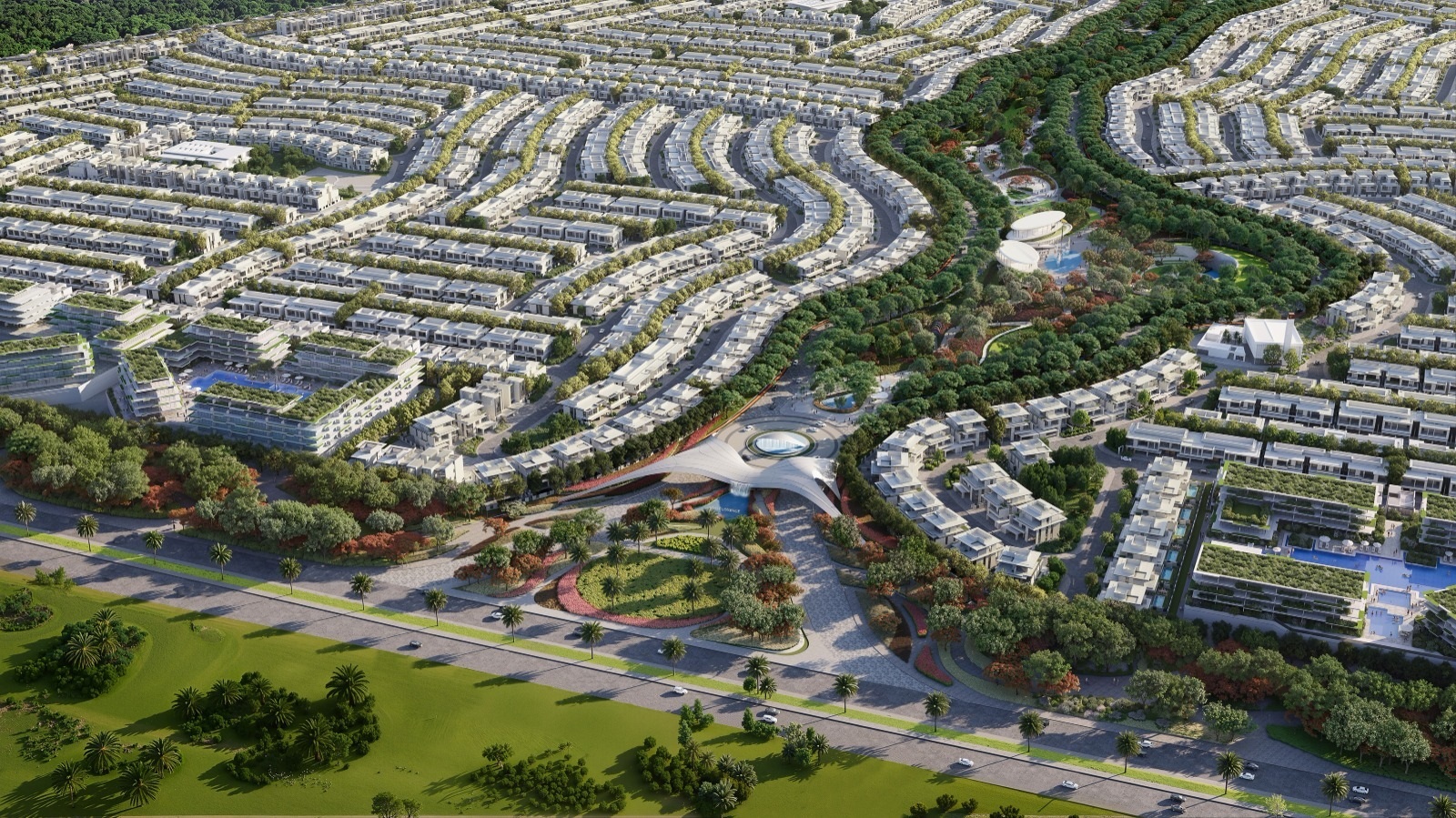
Sharjah is set to receive one of its largest new residential communities, with Azizi Developments unveiling plans for a US$8.1 billion master-planned precinct containing more than 10,000 homes.
Named Azizi Florence, the freehold development will comprise 1,130 villas, more than 6,000 townhouses and 3,500 apartments. Three-bedroom townhouses will start from US$515,000, with an indicative rate of US$231 per square foot of saleable space.
The project marks the Dubai-based developer’s first move into Sharjah, expanding a portfolio that includes the planned Burj Azizi skyscraper and the Azizi Venice community in Dubai.
A park at the heart of the community
Rather than treating landscaping as an afterthought, Azizi Florence will be organised around a 1.7 million sq ft central park.
The wider precinct is planned as a self-contained neighbourhood combining homes with retail, hospitality, education, leisure and wellness facilities.
Six residential clusters will sit within the development, each with its own park, clubhouse, community centre and landscaped gardens. The approach reflects a broader shift across large Middle Eastern developments, where greenery, recreation and everyday convenience are increasingly central to the residential proposition.
The scale of Azizi Florence suggests it is intended to function as a neighbourhood rather than a collection of housing estates. Its mix of housing types should also give the project broader appeal, accommodating apartment buyers alongside families seeking townhouses or standalone villas.
Azizi expands beyond Dubai
Azizi Developments has delivered more than 45,000 homes to buyers from over 100 countries and says it has approximately 150,000 units under construction.
Much of its growth has been concentrated in Dubai, where its portfolio extends across Palm Jumeirah, Mohammed Bin Rashid City, Dubai South, Sheikh Zayed Road and Downtown Jebel Ali.
Its most prominent current project is Burj Azizi, which is intended to become the world’s second-tallest building. Azizi Florence represents a different type of undertaking: a low-rise, family-oriented community built around public space and daily amenity.
For company founder and chairman Mirwais Azizi, the Sharjah project also carries a personal connection. The emirate was his first home in the UAE more than three decades ago, adding a symbolic dimension to the developer’s expansion.
Sharjah’s residential ambitions grow
Although Dubai and Abu Dhabi have traditionally captured much of the international attention directed at the UAE property market, Sharjah has been steadily broadening its residential offering.
Large freehold communities such as Azizi Florence have the potential to attract both local families and international purchasers looking for comparatively accessible entry points into the Emirates’ property market.
At a starting price of US$515,000, the project’s three-bedroom townhouses will sit well below the cost of equivalent family homes in many of Dubai’s more established luxury communities.
The ultimate appeal, however, will depend on execution. At this scale, the quality of the public realm, connections between residential clusters and delivery of the promised supporting infrastructure will be as important as the homes themselves.
If those elements come together, Azizi Florence could help establish a new benchmark for large-scale residential development in Sharjah—and give buyers another option beyond the UAE’s better-known property markets.
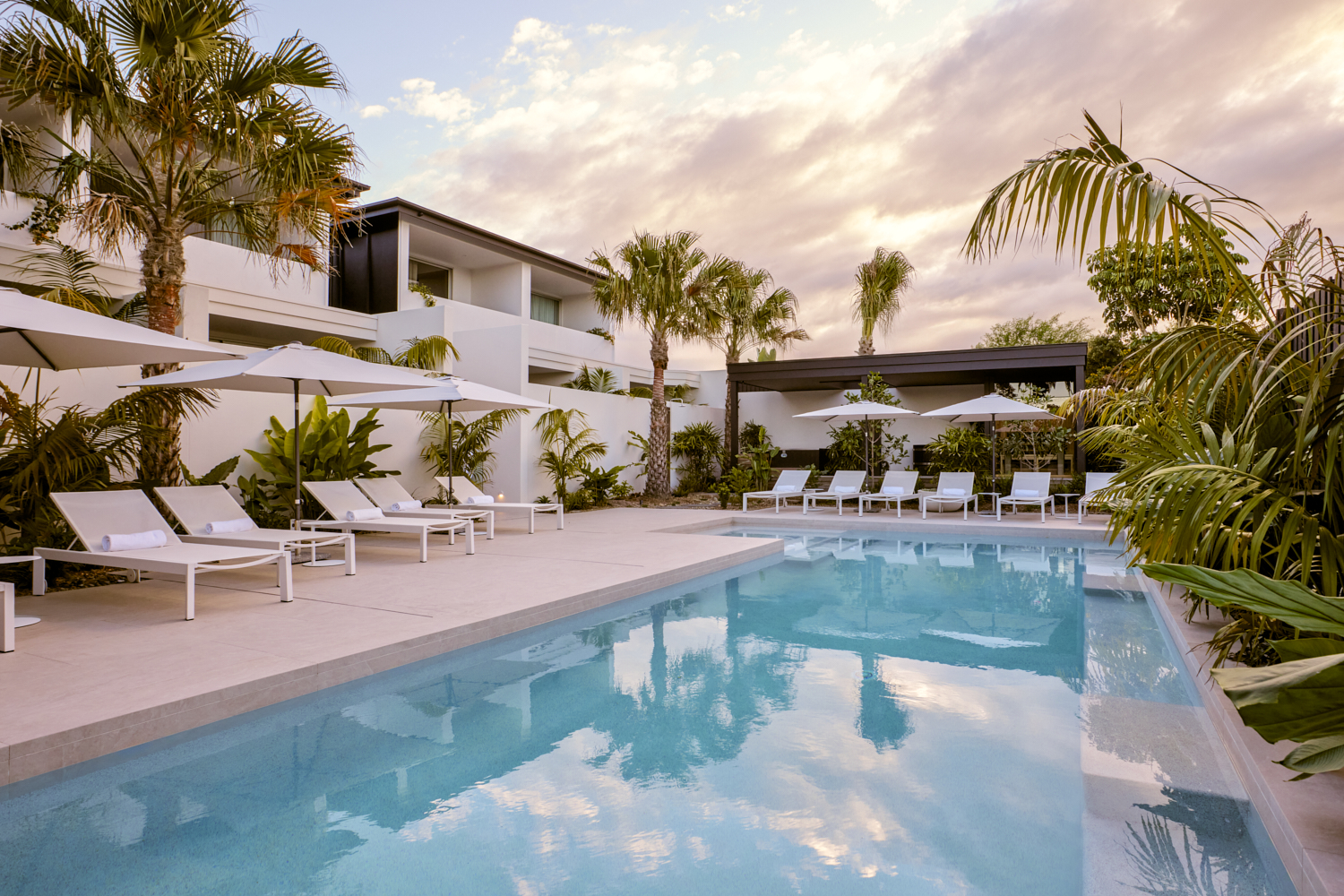
When the Writers Festival was called off and the skies refused to clear, one weekend away turned into a rare lesson in slowing down, ice baths included.
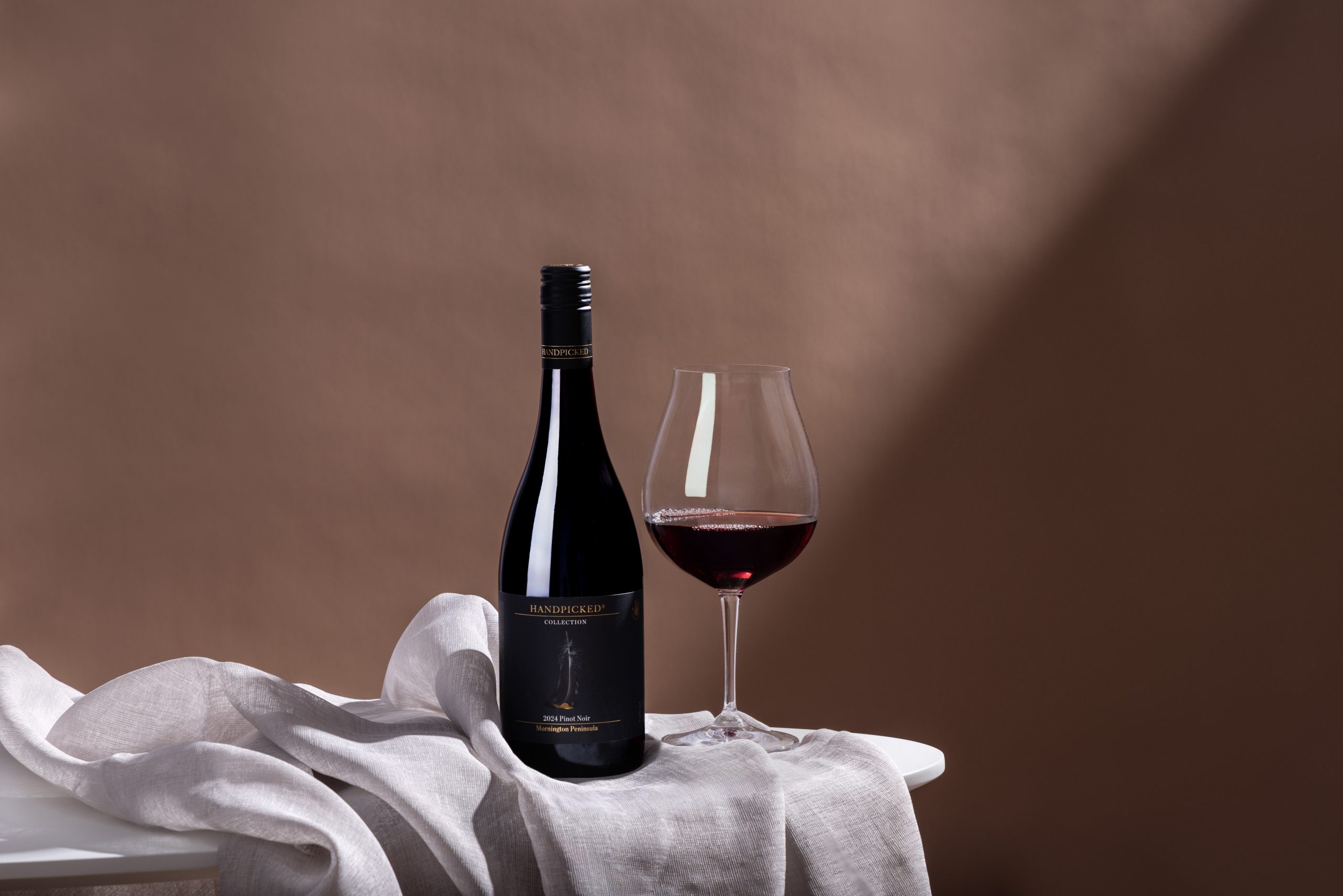
As the season turns, Handpicked Wines’ latest Pinot Noir and Chardonnay releases reveal how subtle shifts in place shape what ends up in the glass.