The Australian state attracting savvy investors is not where you think
Property investors are targeting cheaper markets for capital growth and positive gearing
 3 min
3 min
More property investors are seeking to buy in cheaper capital city markets amid high interest rates and inflationary pressures on holding costs such as insurance, repairs, utilities and strata levies. This is a key finding of Australian Property Investor (API) magazine’s Q1 2024 Sentiment Report, which canvassed the views of more than 600 Australians over the first three weeks of April.
The report also found that just three states are dominating investors’ interest, with 75 percent of survey respondents squarely focused on Queensland, Western Australia and New South Wales, which they say offer the best prospects for capital growth. Queensland is the favoured market, followed by Western Australia, which is soaring in popularity. Interest in Western Australia has doubled with 25 percent of respondents identifying it as the best growth market in 2024.
“Perth is not showing any signs of a slowdown, with population growth, housing supply shortages and high rents driving the capital growth,” said Julie Kelley, Global Sales and Marketing Manager ataussieproperty.com.
“The east coast investor contingent is also hungrily purchasing property at rates we haven’t seen since the mining boom of the 2000s. Buyers recognise Perth is extremely affordable, offers high rental yields, sub-1 percent vacancy rates, has a strong economy, and the fastest housing value growth nationally.”
While Queensland and Western Australia offer relative affordability, investors remain interested in Australia’s most expensive market, New South Wales. It appears Sydney’s ongoing price growth is attracting wealthier investors who have the capacity to pay the highest median house and apartment prices in the country.
Interest rates, access to finance, affordability and rental yields are the four key elements influencing investors’ decisions this year, and likely contributing to the popularity of Queensland and Western Australia. With rents racing higher around the country, there is an opportunity in cheaper markets to purchase properties that are not only rising in value but are positively geared. This means the landlord receives rental income exceeding the costs of holding the property.
Meantime, it seems Victoria has lost its appeal among investors due to weak capital growth over the past year and a perception that government policy is weighted against landlords. Victoria has introduced higher land taxes, enhanced tenants’ rights, and is now considering new minimum energy efficiency standards which may require costly upgrades to insulation and appliances.
Mike Mortlock, Managing Director of MCG Quantity Surveyors, said based on investment loan data, Victoria was likely to lose more than a net 5,000 rental properties (or 1 percent of the state’s rental stock) over the next 12 months as investors sell up and new buyers look elsewhere.
“Landlords are increasingly cautious about entering the Victorian market,” Mr Mortlock said. “It’s not just about those who are leaving. Many potential investors are now avoiding Victoria altogether, seeking opportunities in other states with more favourable conditions.”
Despite high interest rates and inflation making investment holding costs such as insurance, strata levies and repairs higher, more than one in five survey respondents intend to buy an investment property over the next 12 months. This was the most popular investment goal at 22 percent, followed by positioning for retirement at 18 percent, reducing loan debts at 14 percent and benefitting from capital growth and passive income at 8 percent.
High interest rates remain the primary concern of investors. More than half of respondents said a single 25-basis point rate rise would alter their buying and selling intentions.
API says affordability constraints have driven more people to the unit market than ever before. However, 39 percent of survey respondents say they are targeting houses for investments, with 23 percent targeting units and 18 percent seeking to buy a townhouse. Investors are also preferring capital cities to regional areas, even though the regions are outperforming over the year to date.
It appears investors are thinking more strategically over the long term, given their preference for houses in capital cities. Houses typically record higher capital growth than apartments over the long term because of their land value, and capital cities tend to outperform over the long term, too.
More than eight in 10 respondents believe property prices overall will continue to increase. CoreLogic Research Director Tim Lawless says more price rises in most markets are likely due to a lack of stock for sale to meet the strong demand.
“Inventory levels in these markets remain well below average despite vendor activity lifting relative to this time last year,” he said. “Fresh listings are being absorbed rapidly by market demand, keeping stock levels low and upwards pressure on prices.”

The Swiss watchmaker’s first collaboration with Atlassian Williams F1 Team produces two sporting Laureato models inspired by the team’s 2026 racing car.

Victorian auction buyers will soon receive a piece of information that has traditionally been withheld until bidding reaches it: the vendor’s reserve price. Under new property-sale and underquoting laws, agents must publish the agreed reserve at least seven days before an auction or fixed-date sale. Most changes begin on 1 October 2026 and apply to …
Continue reading “Victoria’s New Auction Rules Will Force Reserve Prices Into the Open”

More than 10,000 homes, an expansive central park and a mix of hospitality, retail and wellness facilities will form Azizi Developments’ first master-planned community in the emirate.
2 min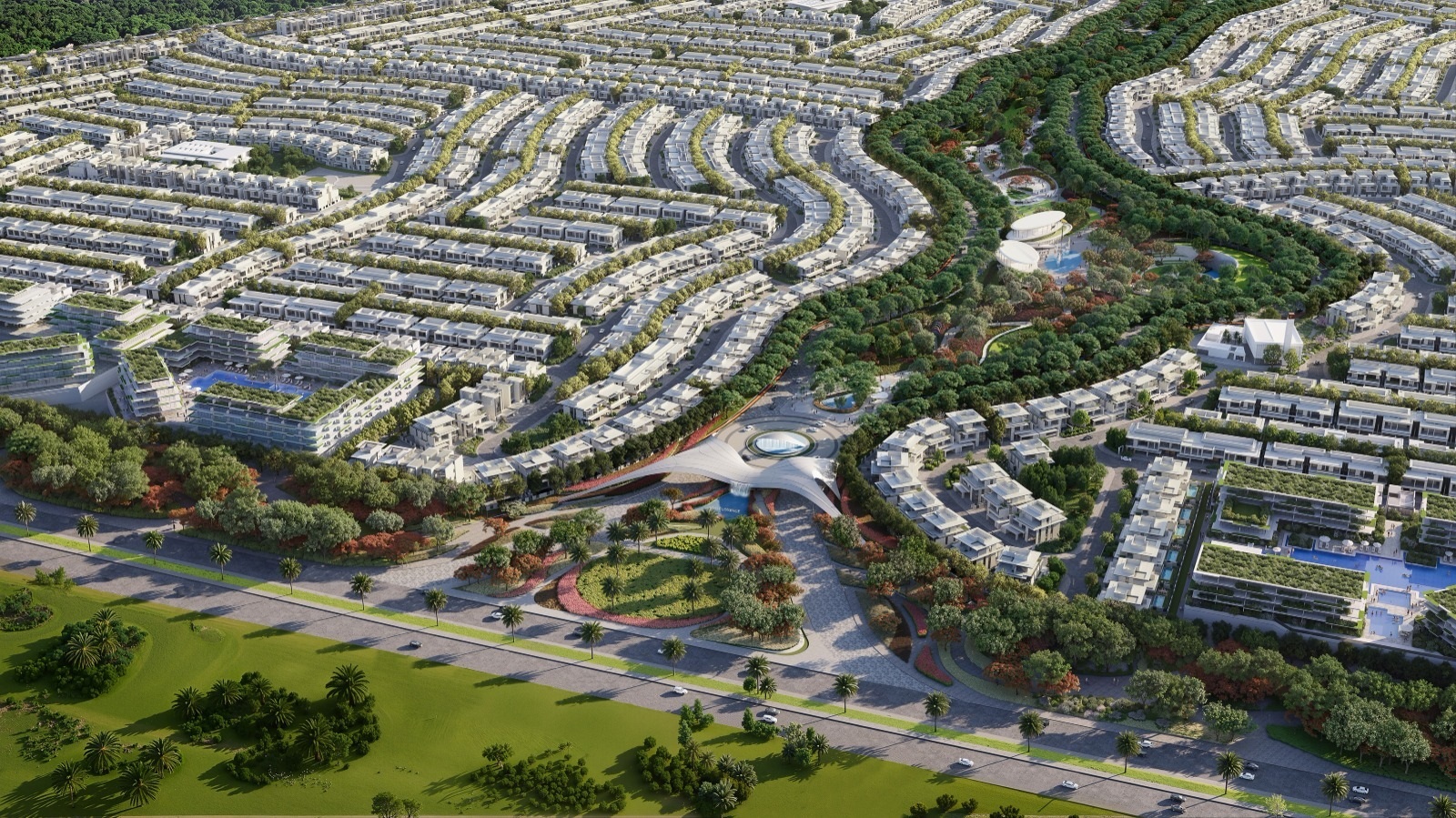
Sharjah is set to receive one of its largest new residential communities, with Azizi Developments unveiling plans for a US$8.1 billion master-planned precinct containing more than 10,000 homes.
Named Azizi Florence, the freehold development will comprise 1,130 villas, more than 6,000 townhouses and 3,500 apartments. Three-bedroom townhouses will start from US$515,000, with an indicative rate of US$231 per square foot of saleable space.
The project marks the Dubai-based developer’s first move into Sharjah, expanding a portfolio that includes the planned Burj Azizi skyscraper and the Azizi Venice community in Dubai.
A park at the heart of the community
Rather than treating landscaping as an afterthought, Azizi Florence will be organised around a 1.7 million sq ft central park.
The wider precinct is planned as a self-contained neighbourhood combining homes with retail, hospitality, education, leisure and wellness facilities.
Six residential clusters will sit within the development, each with its own park, clubhouse, community centre and landscaped gardens. The approach reflects a broader shift across large Middle Eastern developments, where greenery, recreation and everyday convenience are increasingly central to the residential proposition.
The scale of Azizi Florence suggests it is intended to function as a neighbourhood rather than a collection of housing estates. Its mix of housing types should also give the project broader appeal, accommodating apartment buyers alongside families seeking townhouses or standalone villas.
Azizi expands beyond Dubai
Azizi Developments has delivered more than 45,000 homes to buyers from over 100 countries and says it has approximately 150,000 units under construction.
Much of its growth has been concentrated in Dubai, where its portfolio extends across Palm Jumeirah, Mohammed Bin Rashid City, Dubai South, Sheikh Zayed Road and Downtown Jebel Ali.
Its most prominent current project is Burj Azizi, which is intended to become the world’s second-tallest building. Azizi Florence represents a different type of undertaking: a low-rise, family-oriented community built around public space and daily amenity.
For company founder and chairman Mirwais Azizi, the Sharjah project also carries a personal connection. The emirate was his first home in the UAE more than three decades ago, adding a symbolic dimension to the developer’s expansion.
Sharjah’s residential ambitions grow
Although Dubai and Abu Dhabi have traditionally captured much of the international attention directed at the UAE property market, Sharjah has been steadily broadening its residential offering.
Large freehold communities such as Azizi Florence have the potential to attract both local families and international purchasers looking for comparatively accessible entry points into the Emirates’ property market.
At a starting price of US$515,000, the project’s three-bedroom townhouses will sit well below the cost of equivalent family homes in many of Dubai’s more established luxury communities.
The ultimate appeal, however, will depend on execution. At this scale, the quality of the public realm, connections between residential clusters and delivery of the promised supporting infrastructure will be as important as the homes themselves.
If those elements come together, Azizi Florence could help establish a new benchmark for large-scale residential development in Sharjah—and give buyers another option beyond the UAE’s better-known property markets.
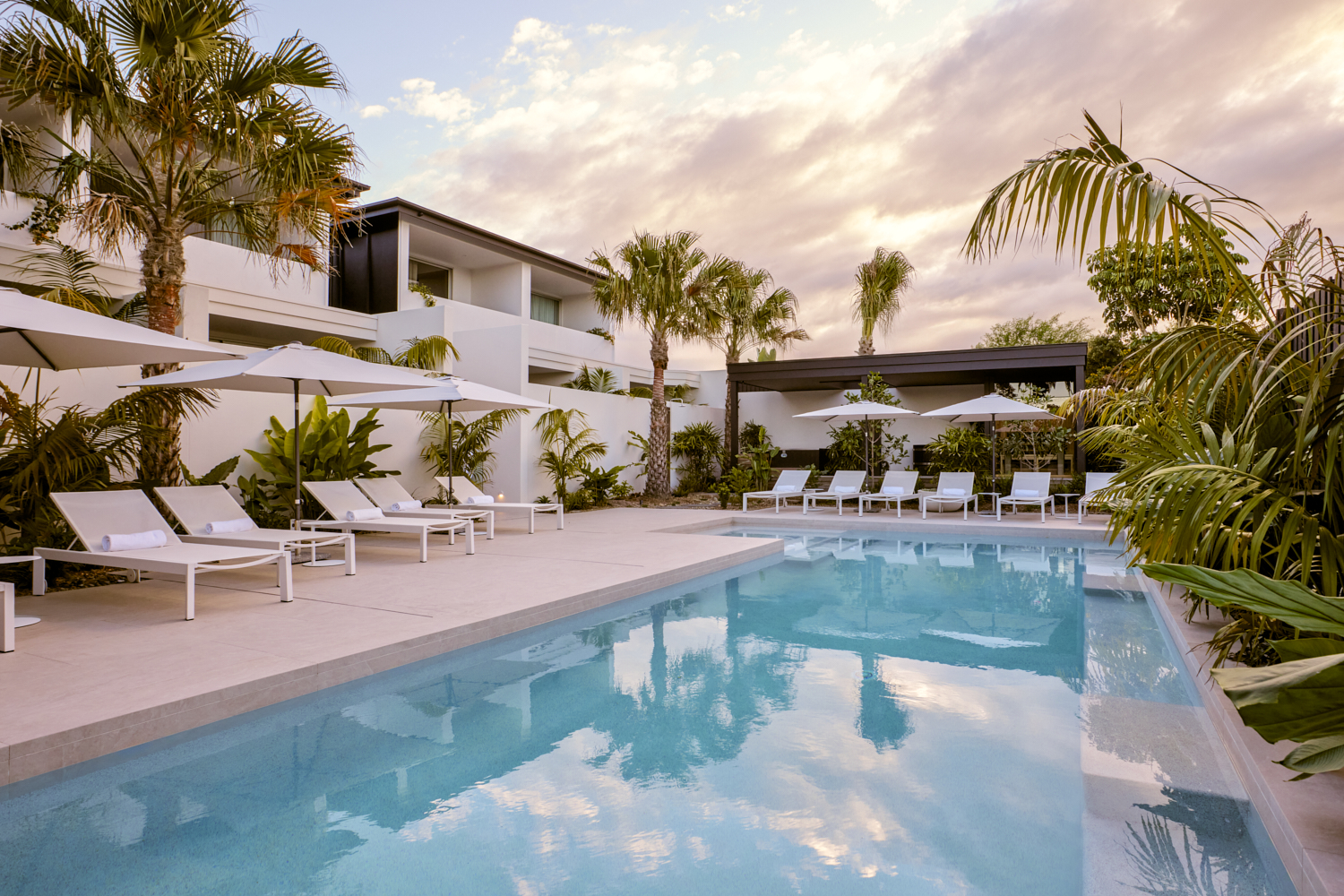
When the Writers Festival was called off and the skies refused to clear, one weekend away turned into a rare lesson in slowing down, ice baths included.

From the Caribbean to Australia’s east coast, Oyster’s latest world rally promises a bluewater voyage designed for owners seeking ultimate sailing experiences.