What does 2025 hold for housing values in your city? The experts weigh in
Factors such as migration levels, rental demand and persistently high interest rates are impacting on some major centres more than others
 5 min
5 min
Australian house prices are forecast to continue rising in 2025 — but at a slower pace. Supply of homes for sale will remain constrained and potentially higher interest rates hanging around for longer will continue to limit both finance availability and affordability.
Moderating population growth as migration rates normalise is expected to soften demand. However, this will be offset somewhat by rising rents continuing to encourage some people to buy.
In KPMG’s Residential Property Outlook, chief economist Dr Brendan Rynne says: “When the cost of renting is comparable to the cost of buying and owning a similar property, households may opt for home ownership, potentially driving up house prices.”
The research team at Domain notes that more people living alone will continue to put pressure on home values and rents in FY25. COVID and the opportunity to work from home prompted many people to leave shared inner city rental accommodation and set up their own homes in more affordable areas. Meantime, as our population gets older, more people are forced to live alone due to marriage breakdown or the death of a spouse.
Some markets will see superior apartment price gains compared to houses. CBA senior economist Belinda Allen says affordability challenges have “seen drivers of home price growth switch slowly”, as more buyers accept they cannot afford a house. This trend is most notable in mid-tier capital cities like Perth, Brisbane and Adelaide where prices have risen most.
Ms Allen adds: “We are seeing a similar thematic in the rental market; national unit rents are up 22 percent over the past year compared to 16 percent for house rents.”
Here is a snapshot of predictions for property price growth in the period ahead.
Sydney
Domain forecasts 6 to 8 percent growth for house prices, taking the median above $1.7 million by the end of FY25. Domain also tips 4 to 6 percent growth for apartments, which would make Sydney one of the best-performing unit markets of FY25.
In the calendar year of 2025, KPMG’s predictions are 5.3 percent house price growth and 5.6 percent for units. CBA’s predictions are 4 percent growth for Sydney home values overall.
Melbourne
Domain forecasts 0 to 2 percent growth for house prices in what is now “the slowest and most inconsistent recovery in the city’s history”. Domain tips better growth for apartments at 2 to 4 percent. Houses will underperform because of high supply compared to demand, and the introduction of significantly higher land taxes for investors. By the end of FY25, the city will still not have regained its median price losses from the 2022-23 downturn.
In the calendar year of 2025, KPMG’s predictions are 6.5 percent growth for both houses and apartments in Melbourne. CBA’s predictions are 4 percent growth for dwelling values overall. CBA’s Ms Allen says that once investors get used to the taxation changes, they may look to Melbourne for value and greater capital growth potential outside the recent top-performing mid-tier cities.
Brisbane
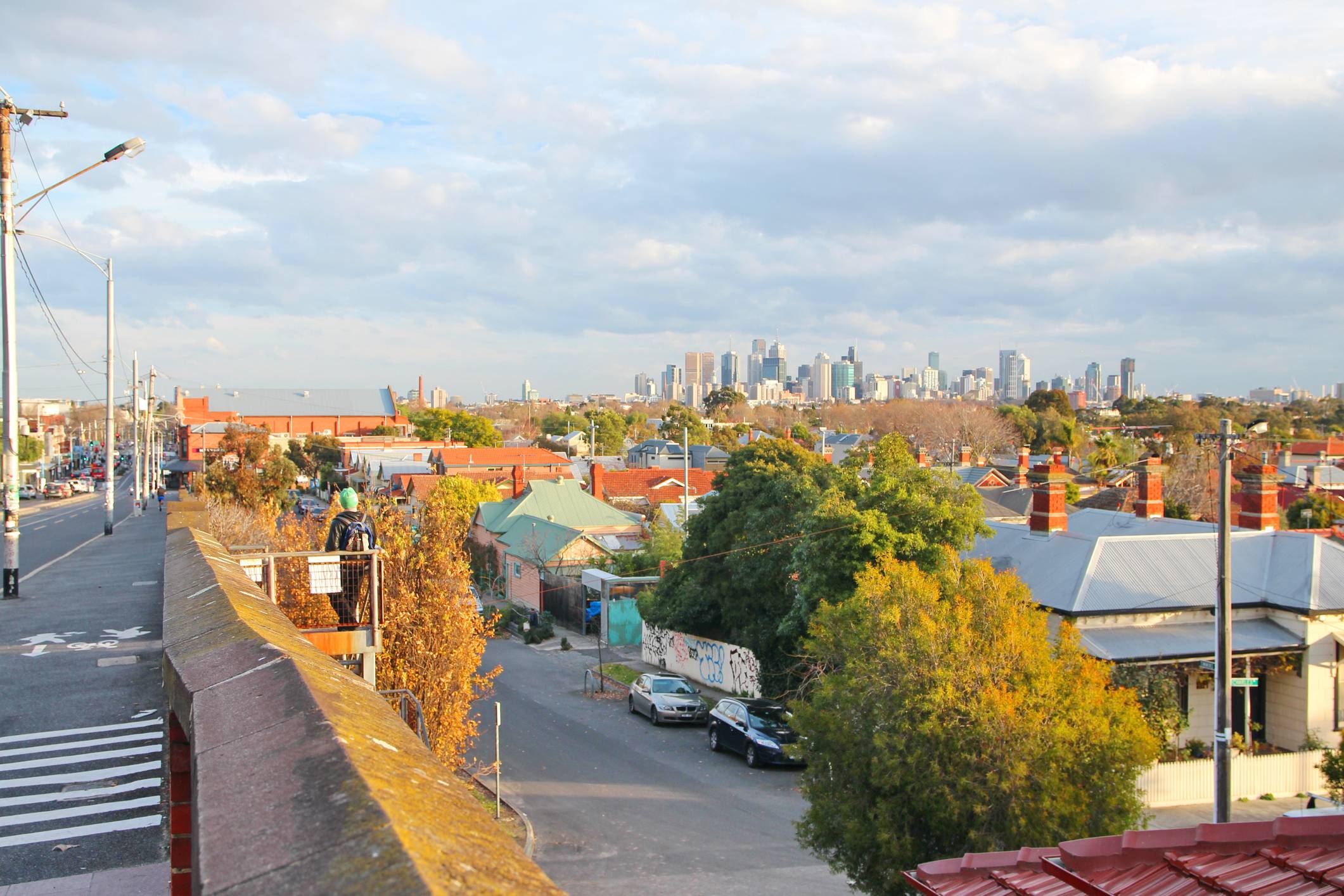
Domain predicts 6 to 8 percent house price growth in FY25, which may see Brisbane crack the million-dollar median for the first time. Unit prices are tipped to grow by 4 to 6 percent, which would make Brisbane one of the top-performing unit markets of FY25.
In the calendar year of 2025, KPMG’s forecasts are 5.1 percent house price growth and 2.5 percent for units. CBA’s predictions are 7 percent growth for dwelling values overall.
Adelaide
Domain sees 7 to 9 percent growth for house prices in Adelaide, with the city likely to reach a million-dollar median by December 2025. The unit market is forecast to be one of the best in the country with 4 to 6 percent growth in FY25.
In the calendar year of 2025, KPMG’s predictions are 5.9 percent house price growth and 4.6 percent for units. CBA’s predictions are 9 percent growth for dwelling values overall.
Perth
Perth will dominate the capital cities with house price growth of 8 to 10 percent in FY25, according to Domain. Unit prices are forecast to lift by 4 to 5 percent, but even at the top growth rate, the median will still be under a very comparatively affordable $450,000.
In the calendar year of 2025, KPMG’s forecasts are 5.2 percent house price growth and 8 percent for units. CBA’s predictions are 12 percent growth for home values overall.

Canberra
Canberra is only just moving into its recovery now, with house prices likely to see mild growth of 0 to 4 percent in FY25, according to Domain. Unit prices are tipped to increase by 1 to 4 percent. Over the past few years, the ACT Government has encouraged more strata-title development as new land supply runs out amid ongoing population growth, and as residents get older and need more downsizing housing options.
KPMG’s predictions are 6 percent house price growth and 4.1 percent for units in Canberra in the calendar year 2025.
Hobart
KPMG’s forecasts are 5.7 percent house price growth and 5.3 percent for units in Hobart in the calendar year 2025. KPMG said weak economic conditions in Melbourne will directly affect Hobart, with flow-on impacts to property values.
KPMG’s Dr Brendan Rynne said: “Given the interconnected nature of these two markets, the sluggish performance in Melbourne is likely to have a ripple effect on Hobart’s economic prospects.”
Regional Australia
Domain Research says the removal of incentives for migrants to settle in regional areas will impact population growth and housing demand in FY25. Offsetting this will be the construction sector focusing more on city projects amid a severe undersupply nationwide, thereby keeping supply of new homes in regional areas tight. Towns with close proximity to the cities will remain attractive for buyers priced out of metro markets.
Domain forecasts moderate growth for regional Queensland with 2 to 4 percent house price gains and 3 to 4 percent unit price gains. The Gold Coast and Sunshine Coasts should crack new record house prices in FY25, with Domain tipping 3 to 6 percent growth for houses and 3 to 4 percent growth for units on the Gold Coast and 2 to 5 percent growth for houses and 3 to 4 percent growth for apartments on the Sunshine Coast.
Growth will be sluggish in regional NSW with 0 to 3 percent gains for houses and 1 to 3 percent gains for units. Houses prices in regional Victoria may decline in FY25, with forecasts of between a 3 percent fall and 0 percent growth. Domain tips unit prices to lift 1 to 2 percent.

Porsche has revealed a one-off 911 GT2 RS that brings the extraordinary silhouette of its 935/78 “Moby Dick” racing car onto the road. Created by Porsche Sonderwunsch with Manthey, the commission began with a near-new GT2 RS. The owner requested greater performance, a Slantnose profile and a rear wing influenced by the limited 911 GT3 …
Continue reading “Porsche Builds a Road-Going “Moby Dick” From a 911 GT2 RS”
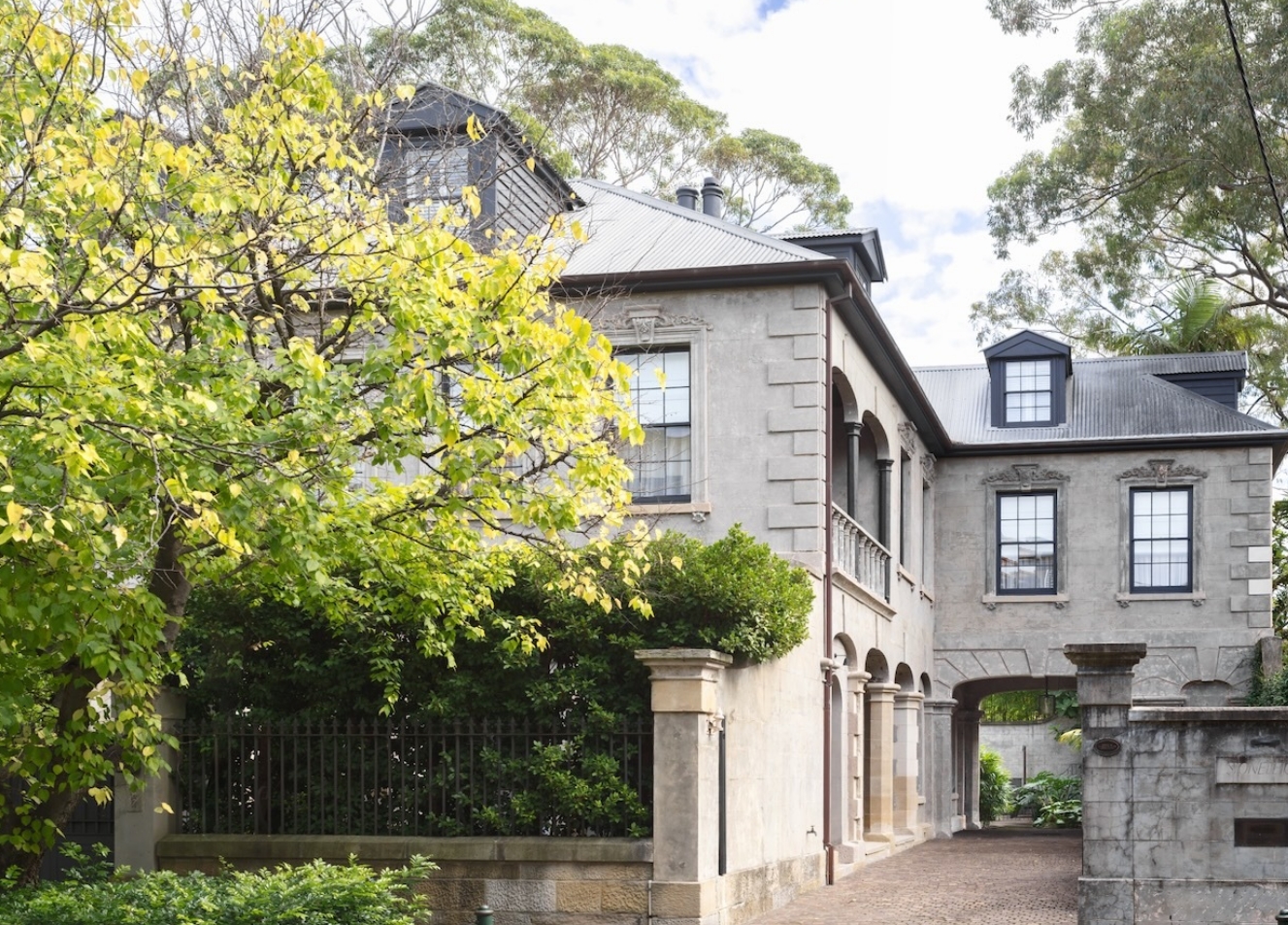
The 1860s Darlinghurst mansion Stoneleigh could become Sydney’s most expensive home ever sold under the hammer when it goes to auction. Clint Ballard is giving buyers a $28 million guide for the heritage-listed mansion on Darley Street, opposite Iona, the former home of Hollywood royalty Baz Luhrmann. Stoneleigh is being offered for sale for the …

Atlas Real Estate is reimagining how people connect with property, combining listings, market insights, local stories and lifestyle content in one destination for those buying, selling or simply exploring the market.
4 min
Property has always been about more than buying and selling. A home can represent a fresh start, a long-term investment, an architectural idea or a connection to a particular neighbourhood. Even when people are not planning a move, many still enjoy following the market, researching local areas and discovering the stories behind remarkable homes.
Atlas Real Estate is responding to that wider interest by creating more ways for people to engage with property. Bringing listings, market information, local perspectives and lifestyle stories together, Atlas offers a destination for anyone curious about homes and the communities surrounding them.
It reflects the reality that people approach real estate with different needs and motivations. One visitor might be actively searching for a new home, while another may want to understand recent results in their suburb. Others might be keeping an eye on changing market conditions, exploring an unfamiliar area or simply appreciating thoughtful architecture and premium residential design.
At atlas.com.au, those interests meet in one place. Visitors can browse properties for sale and recent results, while also exploring market insights, featured homes, local stories and introductions to the people behind Atlas. The result is an experience designed to remain relevant before, during and after a traditional property transaction.
“We’re reimagining real estate around how people actually engage with property today — bringing together market insight, exceptional homes, local perspective and lifestyle in a way that feels more relevant and useful,” says Michael Coombs, Director of Atlas Real Estate.

That approach recognises that an interest in property rarely begins on the day someone decides to buy or sell. A future buyer may spend months learning about suburbs, monitoring prices and refining their sense of what they want. A homeowner might follow nearby sales to understand the changing value and character of their area. An investor may be looking for broader market context, while a design enthusiast may be drawn to an exceptional renovation or a distinctive piece of architecture.
By accommodating those different forms of curiosity, Atlas aims to make engaging with real estate feel less transactional and more connected to everyday life. Property is shaped by its surroundings: the streets, businesses, landscapes and people that give a place its identity. Understanding a home therefore means looking beyond its floor plan or sales history to consider the lifestyle and community that come with it.
This broader perspective also gives local stories a meaningful role. Suburbs are constantly evolving, influenced by new businesses, changing demographics, design trends and the people who choose to make them home. Content that explores these forces can help readers build a richer understanding of an area, whether they are preparing to move there or simply want to stay informed about their own neighbourhood.

The same is true of market information. Sales results and property data are most useful when they are accessible and supported by context. Bringing recent results together with insights and local knowledge can help people follow the market on their own terms, without suggesting that every visit must lead immediately to a transaction.
For Atlas, this thinking forms part of “Real Estate, Reimagined”, its broader brand campaign focused on using brand, creativity and technology to deliver a more relevant, useful and human real estate experience. Rather than treating technology as an end in itself, the emphasis is on how it can make property easier and more engaging to explore.
That human focus matters because real estate decisions are often closely tied to significant moments in people’s lives. A move may be connected to a growing family, a new job, a change in lifestyle or a long-held ambition. Even outside those milestones, homes and neighbourhoods remain a source of interest because they reflect how people live and how communities develop.

Atlas’s approach makes room for both the practical and aspirational sides of that interest. Readers can seek out information with a clear goal in mind or browse simply because a property, place or story captures their attention. In either case, they can move easily between homes, results, market perspectives and local inspiration.
The ambition is not to redefine why people care about property, but to reflect the many reasons they already do. By combining useful information with engaging editorial content, Atlas is creating a place for buyers, sellers, homeowners, investors and the property-curious alike.
Whatever brings you to property, discover more at atlas.com.au

ABC Bullion has launched a pioneering investment product that allows Australians to draw regular cashflow from their precious metal holdings.

A 30-metre masterpiece unveiled in Monaco brings Lamborghini’s supercar drama to the high seas, powered by 7,600 horsepower and unmistakable Italian design.