Why 1.6 million Aussies have secret savings accounts
There are good reasons — and bad — why Australians are keeping quiet about hidden money
 2 min
2 min
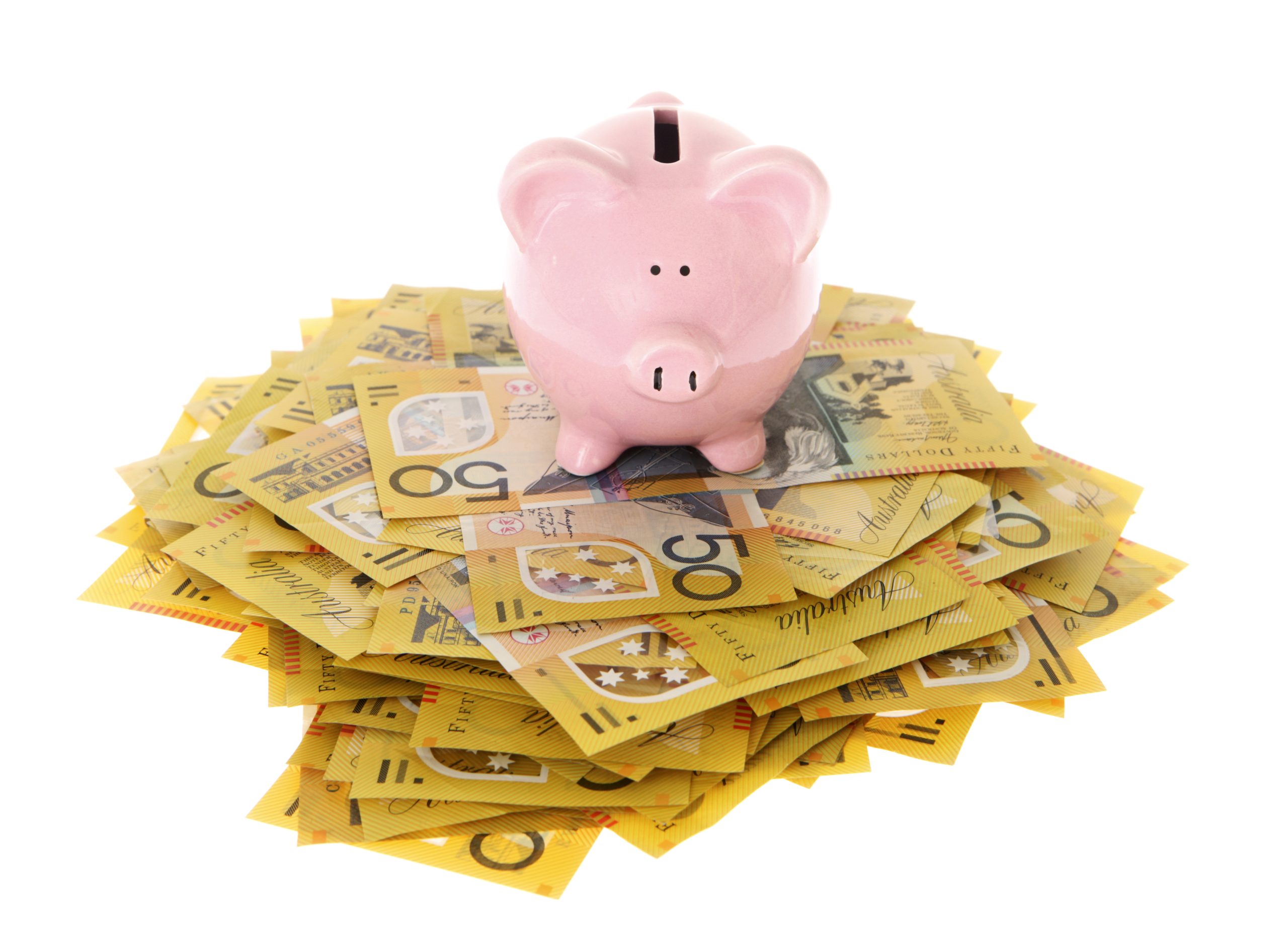
Millions of Australians admit to squirrelling money away in a secret savings account that their partners or family members don’t know about, new research shows. A Finder survey of 1,012 Australians found eight percent – the equivalent of 1.6 million people – have a secret bank account. A further four percent, or 900,000 people, admit to having one in the past.
The survey found women are more likely to set up a secret savings account than men. It is also a more prevalent trend among younger generations, with 26 percent of Gen Z respondents admitting to having a secret account either now or in the past, compared to 14 percent of Millennials and 10 percent of Gen Xers.
Finder’s money expert, Rebecca Pike, said secret saving is a widespread practice.
“Australians are stashing money away without their partner or family member’s knowledge. Individuals go to extraordinary lengths to hide income and savings from their partner or relatives,” she said.
Ms Pike said the reasons for setting up a secret stash of cash can vary. Some people may not trust their partners to spend joint finances wisely. Others want financial back-up ready and accessible if their relationship ends.
“When it comes to hiding savings from your partner, there are harmless reasons like being able to buy them presents without their knowledge, to more sinister ones like a gambling addiction or adultery,” Ms Pike said.
Regardless of the reasons, Ms Pike urged Australians to take advantage of the highest savings interest rates in decades and park their spare cash – whether secret or not – in a high interest–bearing account. The highest interest rate among 189 savings accounts profiled on Finder is 5.5 percent.
Separate Finder research shows 45 percent of Australians have less than $1,000 in their bank account and 70 percent do not have an emergency fund. Emergency funds are savings accounts where money is held over the long term to cover unexpected expenses, such as major medical bills. At a time when economic growth is weak and unemployment is expected to rise, four in 10 Australians say they only have enough savings to get by for a month if they lose their jobs tomorrow.
Finder recommends aiming to generate enough savings to cover three to six months of living expenses. This would allow enough time to find a new job or deal with a personal situation that required time off work. Finder’s head of consumer research, Graham Cooke, said if people put $100 per month into a savings account paying 5.5percent compounded monthly, they would generate $2,642 in savings within two years.
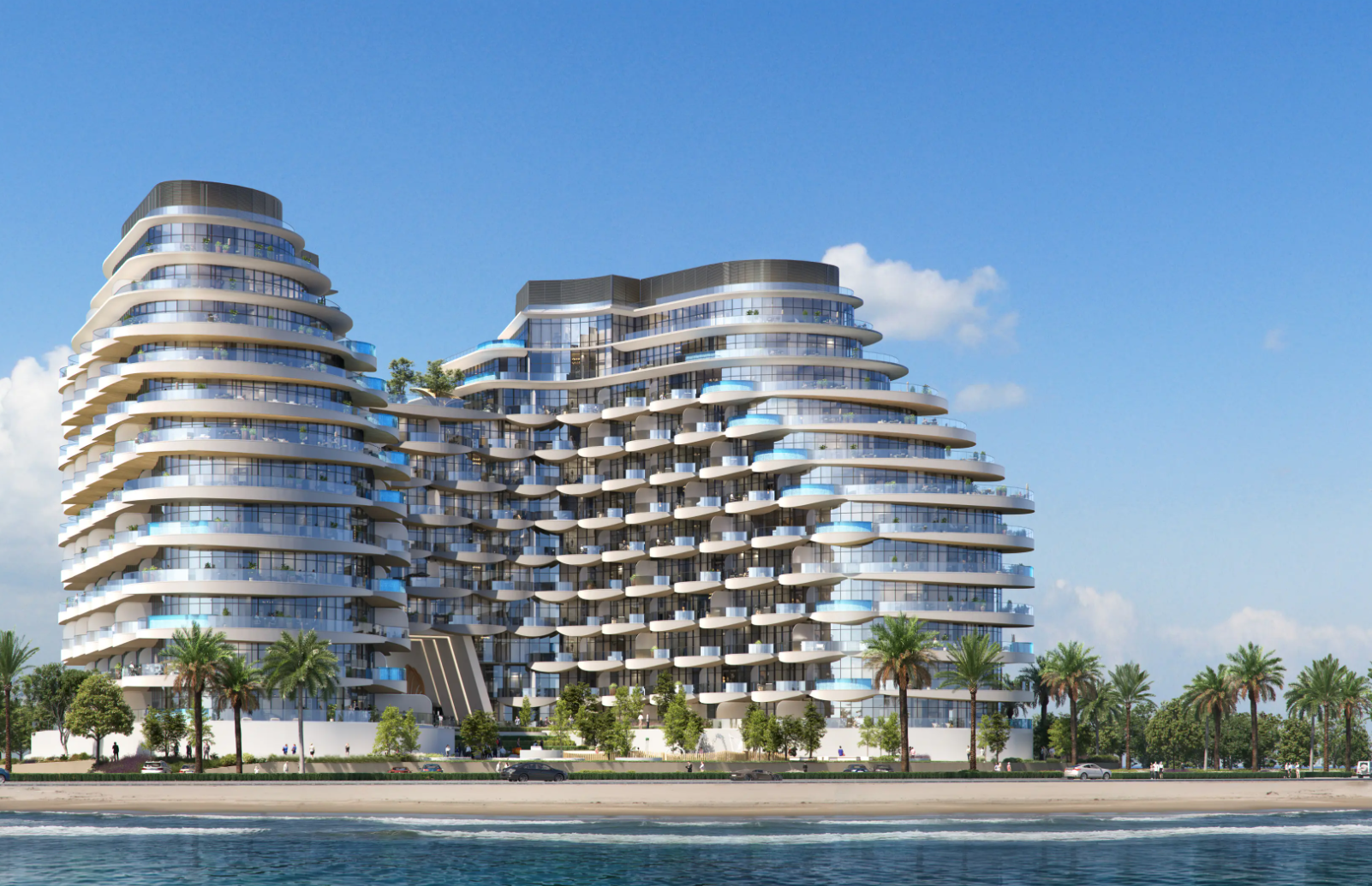
BNW Developments has established a Sydney presence, joining Arada and Sobha Realty among the growing number of UAE developers pursuing Australian buyers and development opportunities.

Australian shares fell on Thursday as Wall Street weakness, rising oil and persistent rate concerns weighed on most of the market. The S&P/ASX 200 declined 0.72 per cent to 8,702. The All Ordinaries lost 0.66 per cent to finish at 8,897. Mining stocks were hit particularly hard, while real estate also dragged on the index. …
Continue reading “ASX falls 0.7 per cent as miners and property stocks retreat”

 2 min
2 minAustralian shares fell on Thursday as Wall Street weakness, rising oil and persistent rate concerns weighed on most of the market.
The S&P/ASX 200 declined 0.72 per cent to 8,702. The All Ordinaries lost 0.66 per cent to finish at 8,897. Mining stocks were hit particularly hard, while real estate also dragged on the index.
Energy was the notable exception, gaining more than one per cent as Brent crude traded above US$103 a barrel. Oil had moved higher amid uncertainty surrounding potential US diesel-export restrictions and broader geopolitical supply risks. The move supported energy producers but renewed concern about inflation inputs across transport and the wider economy.
Gold shares were weak even as spot bullion remained historically elevated. The All Ordinaries Gold index fell about 2.25 per cent, showing that equity performance can diverge from the commodity because of valuation, currency, operating and company-specific factors.
Zip was a prominent loser, falling 11.38 per cent after the company reported short sales after the previous close. Nine Entertainment also weakened after UBS analysts warned of near-term revenue challenges associated with its advertising-supported subscription tier.
Premier Investments led larger winners despite caution about the retail environment. Breville, in which Premier owns a significant stake, also appeared among leading movers. In the broader ASX 300 screen, Myer gained 11.43 per cent and MAAS Group rose 7.93 per cent, while Lotus Resources fell 10.53 per cent. These percentage moves should be checked against company announcements and trading liquidity before attributing causes.
The Australian dollar was broadly flat at US70.38 cents. Spot gold was around US$4,280 an ounce, Brent crude approximately US$103.08 a barrel and iron ore near US$96.90 a tonne late in the session.
The rate outlook remains the central domestic catalyst. Labour-market weakness has not eliminated the possibility of an RBA increase next week, leaving banks, listed property and other rate-sensitive sectors exposed to changing expectations.
Market dashboard
S&P/ASX 200: 8,702, down 0.72 per cent.
All Ordinaries: 8,897, down 0.66 per cent.
Best sector: Energy, up more than one per cent.
Weakest areas: Real estate and materials were the major drags; confirm final sector percentages before publication.
Material winner: Premier Investments led the large-company gainers. Confirm its final closing move from the ASX before publication.
Material loser: Zip, down 11.38 per cent.
ASX 300 percentage leader: Myer, up 11.43 per cent.
ASX 300 percentage laggard: Zip, down 11.38 per cent.
AUD/USD: Approximately US$0.7038, broadly flat.
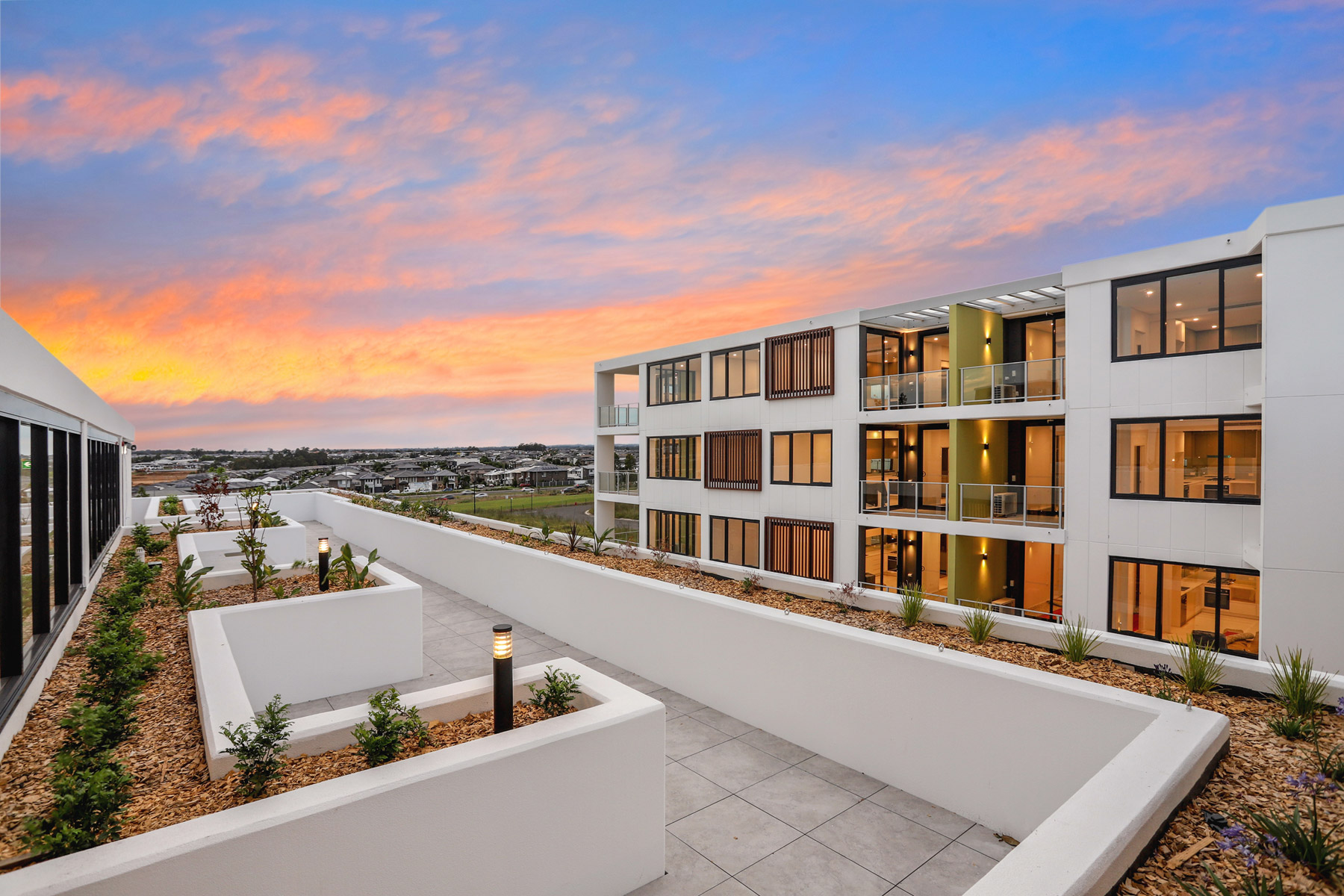
Ophora Tallawong has launched its final release of quality apartments priced under $700,000.
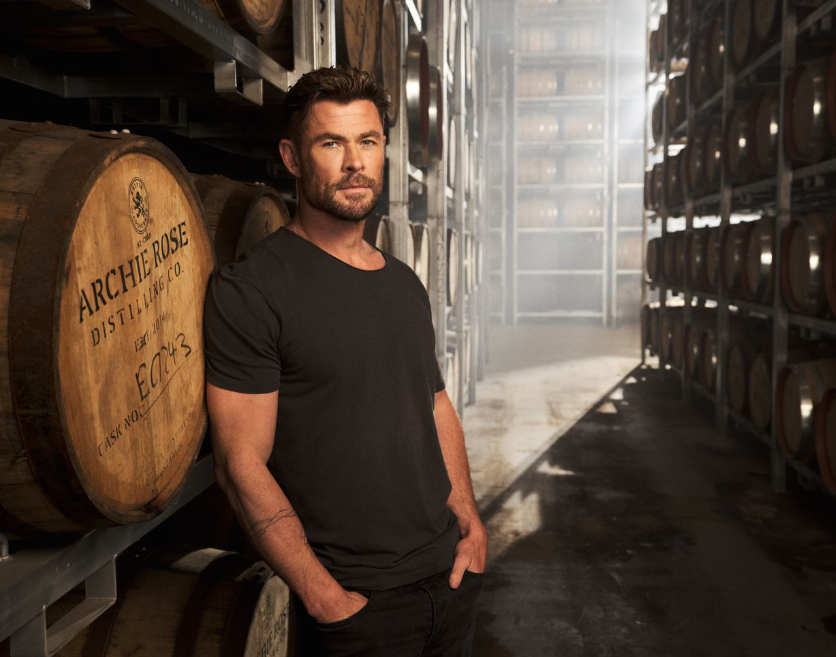
Australian actor Chris Hemsworth has joined Archie Rose Distilling Co. as co-owner and strategic business partner as the Sydney spirits company prepares to enter the United States. The partnership brings Hemsworth together with Archie Rose founder Will Edwards, with the pair aiming to build greater international recognition for Australian whisky. Founded in Sydney in 2014, …
Continue reading “Chris Hemsworth Joins Archie Rose as Co-Owner Ahead of Global Expansion”