A Classic Mercedes Roadster Is Going Electric in a New Partnership

 3 min
3 min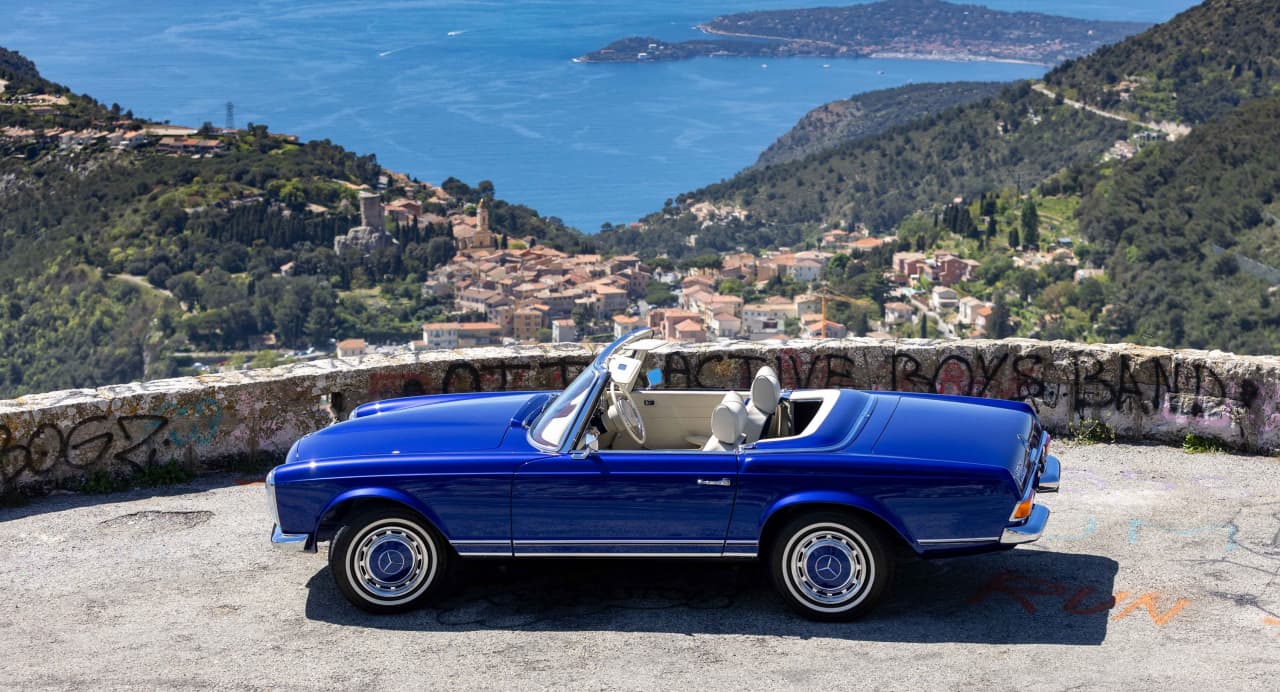
Hemmels, a Cardiff, Wales-based company that rebuilds Mercedes-Benz SLs, will soon offer an electric drivetrain for the W113 “Pagoda” models to the tune of half a million dollars through a new partnership.
The W113 SL is a glamorous two-seat roadster, which replaced the 190SL. It was introduced as the 230 SL at the 1963 Geneva Motor Show, then was gradually replaced by larger-engine models until the end of the line in 1971. The model was quite popular in the U.S., where nearly 20,000 were sold.
“We were on a route to develop a battery powertrain in-house at Hemmels, and we began to realize what a complex undertaking it is, given international regulations. That’s when we discovered that Everrati had already engineered a solution,” says CEO Tom Butterfield.
The result is a collaboration between Hemmels and Everatti—which restores and electrifies classic “icons” from Porsche, Mercedes, and Land Rover from its base in Bicester, Oxfordshire. Hemmels will restore the cars and Everrati will install electric powertrains. The partnership will be officially announced on Friday, and SLs from both companies will be shown at the upcoming Pebble Beach Concours d’Elegance during Monterey Car Week (Aug. 9-18). The first jointly produced car should be available to customers in November or December. Ordering a car and taking delivery will take eight to 10 months.
The price for a full Hemmels build, with the Everrati electric drivetrain, is £400,000 (US$513,000), excluding the donor vehicle that the company can locate for customers. The cars will be offered internationally.
The SLs will have 68-kilowatt-hour batteries, distributed to help maintain the car’s ideal front-rear balance.
“The bulk of the weight will be where the original engine and gearbox were located, and there will also be batteries in place of the fuel tank and a small pack in the boot [trunk] occupying about the space of the spare tire,” says Justin Lunny, Everrati’s founder and CEO. As battery technology evolves, Lunny says, it should be able to get a more powerful pack into the same locations, and upgrades can occur.
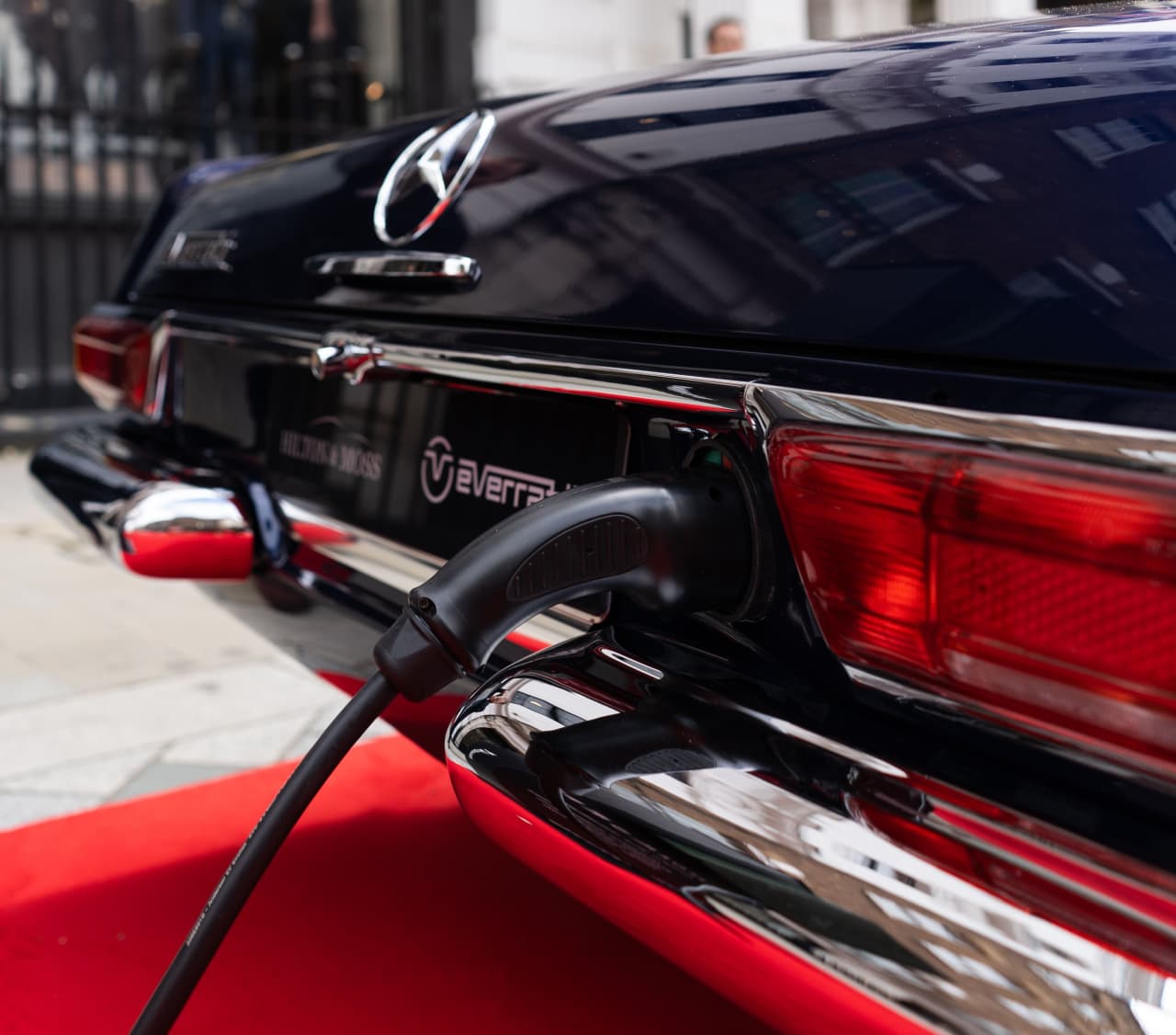
Another British company Helix, a Lotus supplier, will provide a power-dense but compact 300-horsepower motor that together with the battery pack should yield a range of 200 miles and a zero-to-60 miles per hour time of under seven seconds. The cars will use a limited slip differential for good grip, and will be equipped for regenerative braking—recapturing energy and allowing “one pedal” driving. “The end result is a very usable driving experience,” Lunny says.
“Our process in rebuilding the cars is very in-depth, and it’s what makes us stand out,” says Butterfield, whose family bought Hemmels in 2018. “We use brand-new and upgraded parts—we don’t restore what’s there unless we absolutely have to go that route.” The restoration process can take 4,000 worker hours, and bespoke buyers have wide latitude in colors, interior materials, and a choice of options. High-end audio and Bluetooth are available.
The cars will have already been rebuilt by Hemmels by the time they take their 130-mile journey to Everrati, where the drivetrains are—very carefully—installed.
Lunny says that the SLs will not be cut up or altered during the drivetrain installation. “We don’t damage the structure of the vehicle,” he says, “and everything is technically reversible. We retain the value of the original vehicle. The owners can keep the original internal-combustion engine, ensuring that it’s still with the car.” Butterfield adds that one of his clients is turning his engine into the base “for a glass table that will be installed in his man cave.”
Lunny describes the SLs as “art pieces that happen to have wheels. We love them like our babies, and everything we do is to a replicable standard, on par with what an [original equipment] manufacturer would do.”
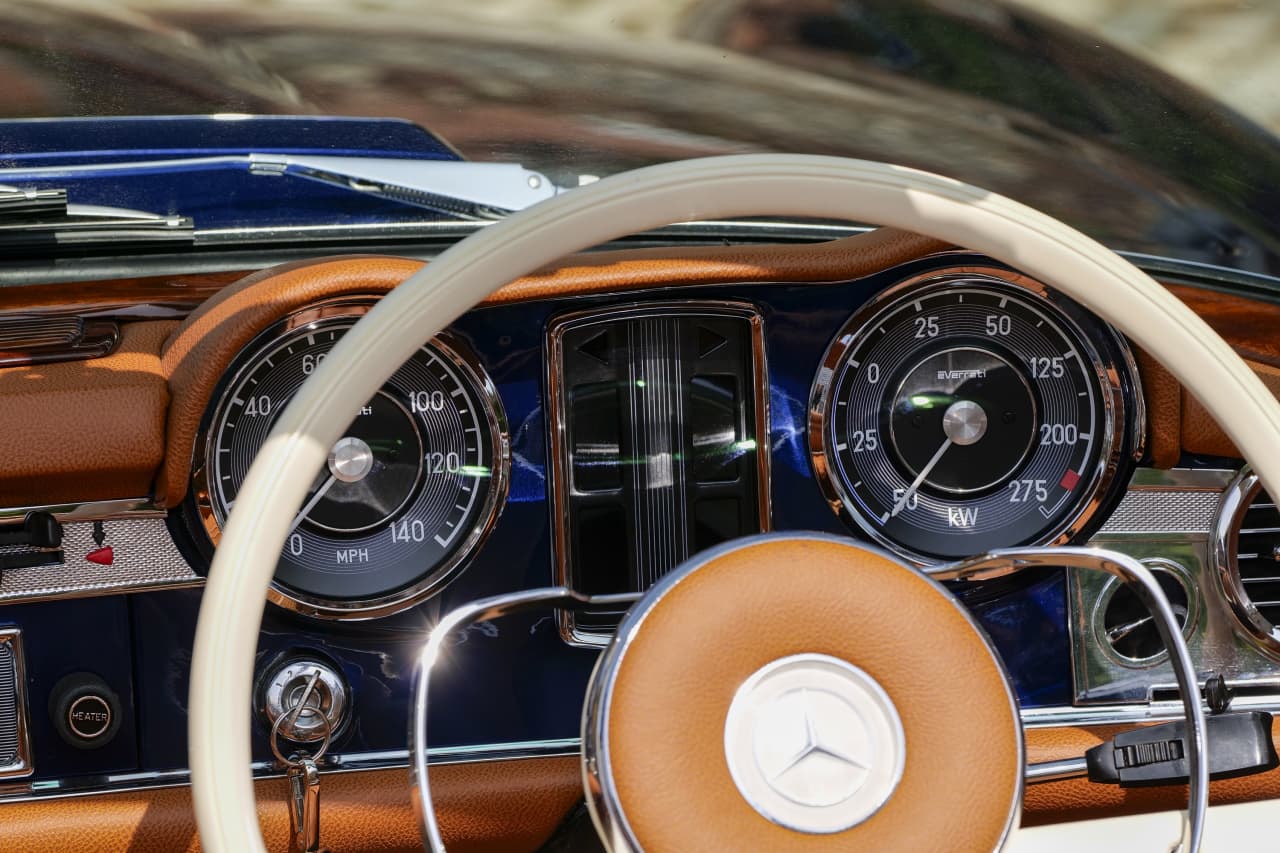
The W113 SLs may be more than 50 years old, but their styling—and appeal across generations—remains timeless.
“It’s not just a certain age or demographic,” Lunny says. “The new audience is the ultra-high-net-worth individuals who adore beautiful iconic cars, especially the Pagoda, but want a clean-air powertrain, with modern air conditioning, that is enjoyable to drive.”
Butterfield intends to keep production relatively low, producing perhaps 10 to 12 electric Pagodas annually. “To stretch to 25 cars per year would risk the quality of our builds,” he says. Some 60% to 70% of Hemmels’ output has gone to U.S. buyers, and that’s one reason the Monterey appearance—the company’s first—is important to the brand.
Hemmels also works its magic on the earlier 190SL, and electric conversions of those models, through the partnership, are possible in the future, Butterfield says.
 Copyright 2020, Dow Jones & Company, Inc. All Rights Reserved Worldwide. LEARN MORE




Victorian auction buyers will soon receive a piece of information that has traditionally been withheld until bidding reaches it: the vendor’s reserve price. Under new property-sale and underquoting laws, agents must publish the agreed reserve at least seven days before an auction or fixed-date sale. Most changes begin on 1 October 2026 and apply to …
Continue reading “Victoria’s New Auction Rules Will Force Reserve Prices Into the Open”
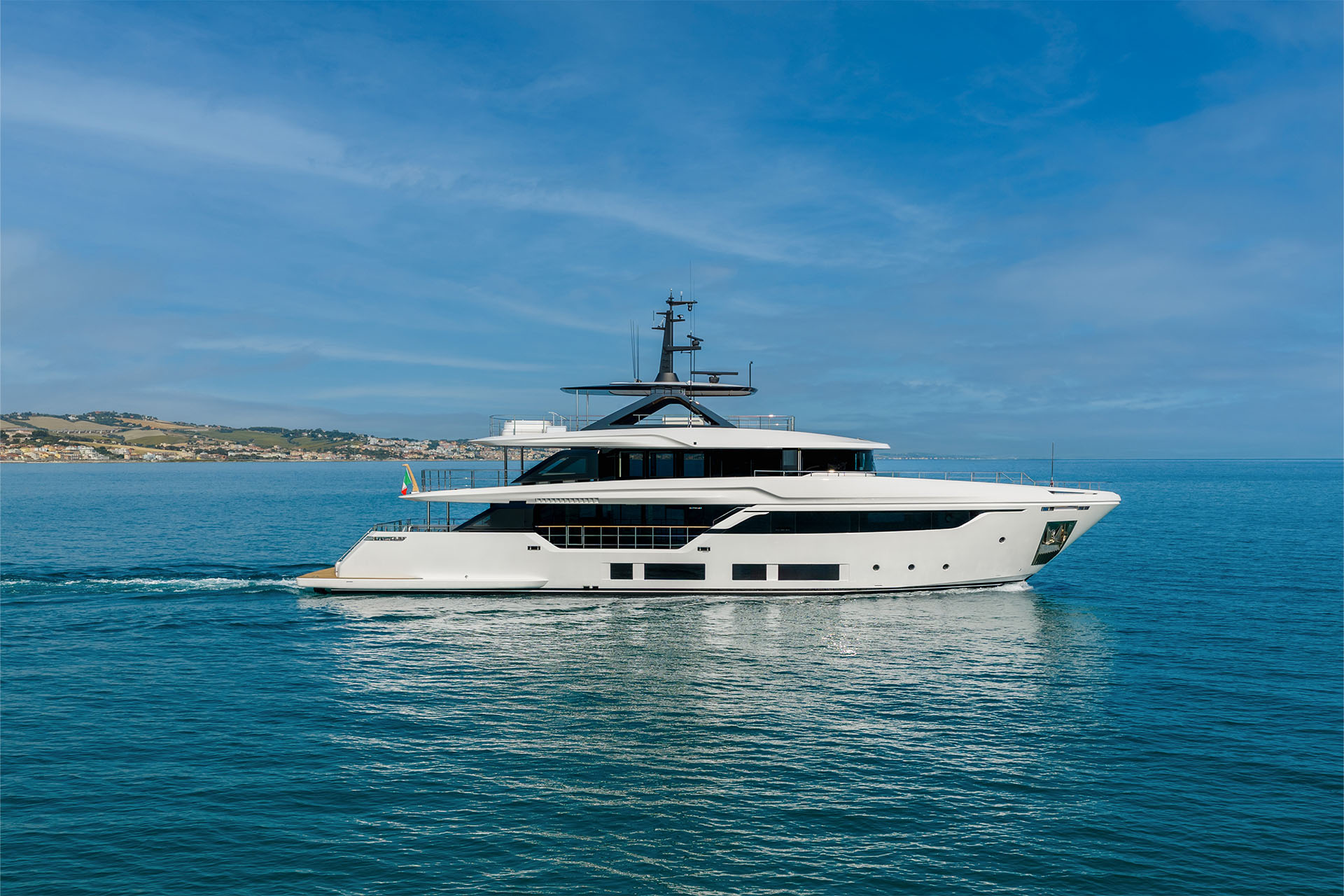
Four decks, 34.5 metres and a made-to-measure interior: step aboard the new Custom Line Navetta 35, unveiled at Cannes.
All three vehicles will form part of a broader charitable initiative benefiting Big Brothers Big Sisters of America, the American Red Cross and Starlight Children’s Foundation
2 min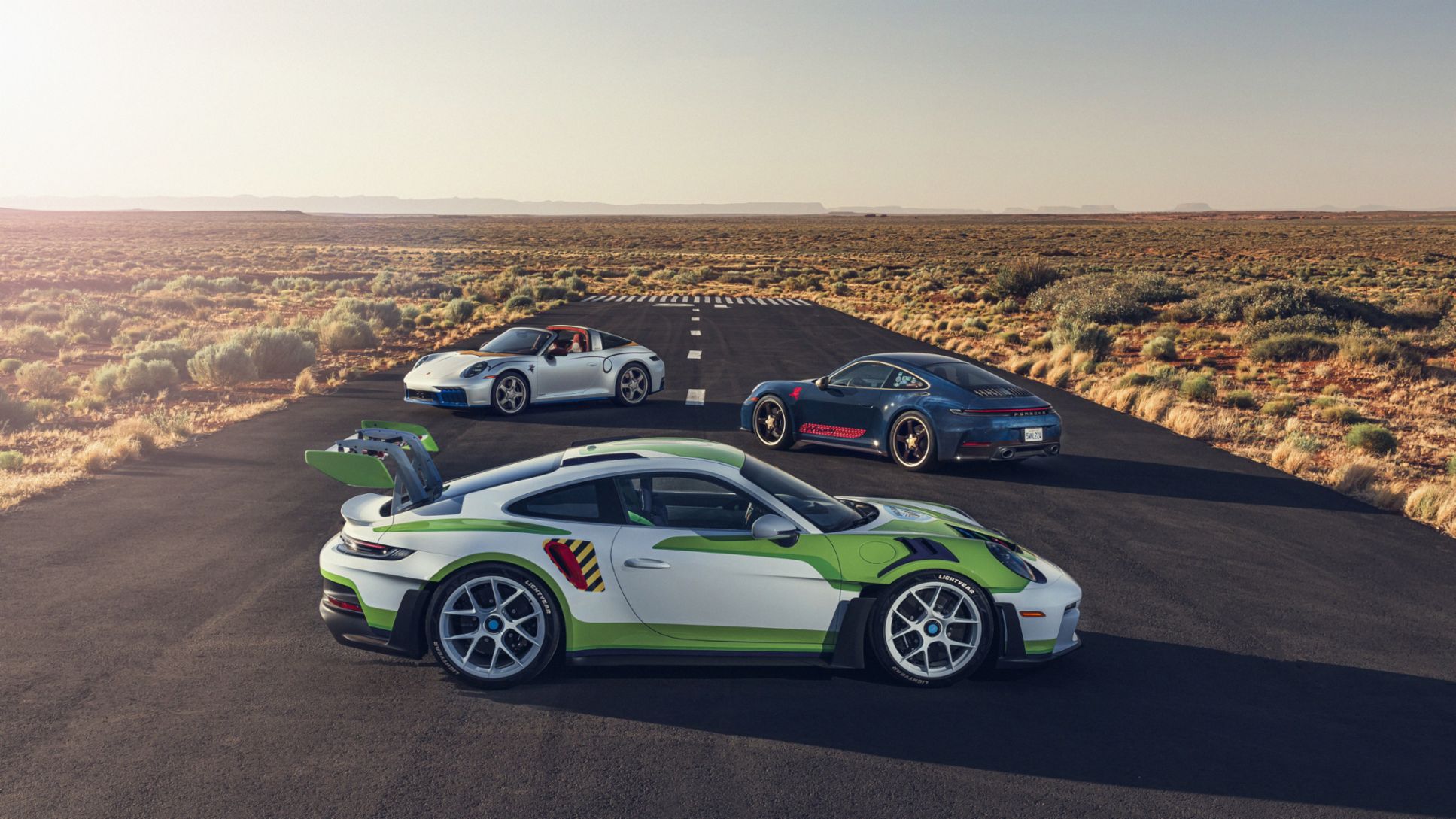
Luxury-car collaborations can feel little more than a logo exercise. Porsche’s latest project takes a more committed route, translating three of Pixar’s most recognisable characters into individual, road-going 911s.
Created through Porsche’s Sonderwunsch customisation program for the premiere of Toy Story 5, the trio draws on Woody, Buzz Lightyear and Jessie. Each is a genuine one-off rather than a limited colour package, with its character expressed through paint, materials and bespoke detailing.
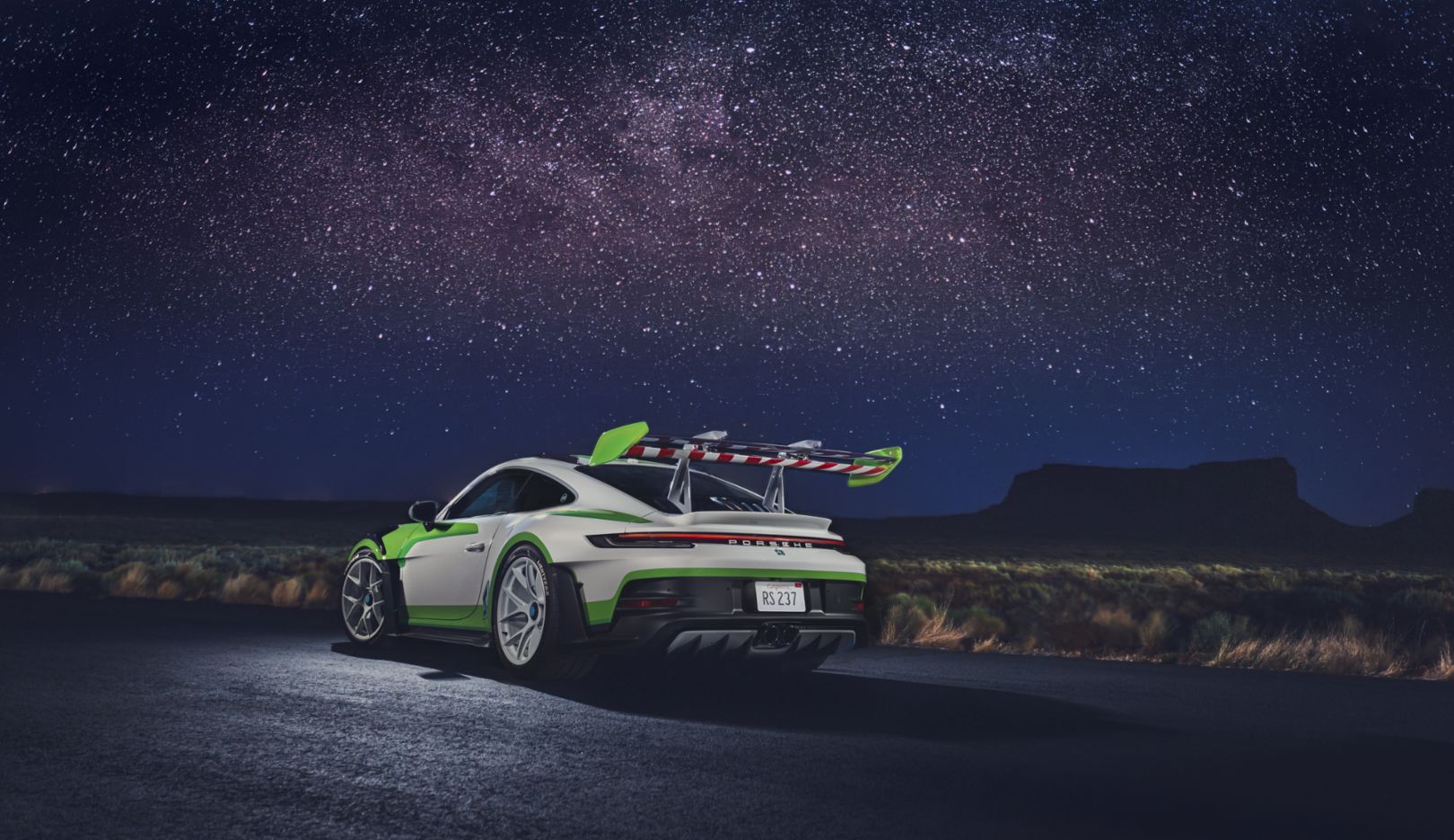
The exercise is deliberately playful, but it also demonstrates the depth of Porsche’s factory personalisation capabilities. Sonderwunsch—German for “special wishes”—allows clients and the marque to create highly individual vehicles using the resources and standards of the manufacturer itself.
Woody’s car is expected to lean into the character’s western palette; Buzz offers the obvious opportunity for white, green and purple; and Jessie brings a bolder cowgirl identity. The success of the designs rests on suggestion rather than costume: the cars still need to look like coherent Porsches when separated from the film premiere.
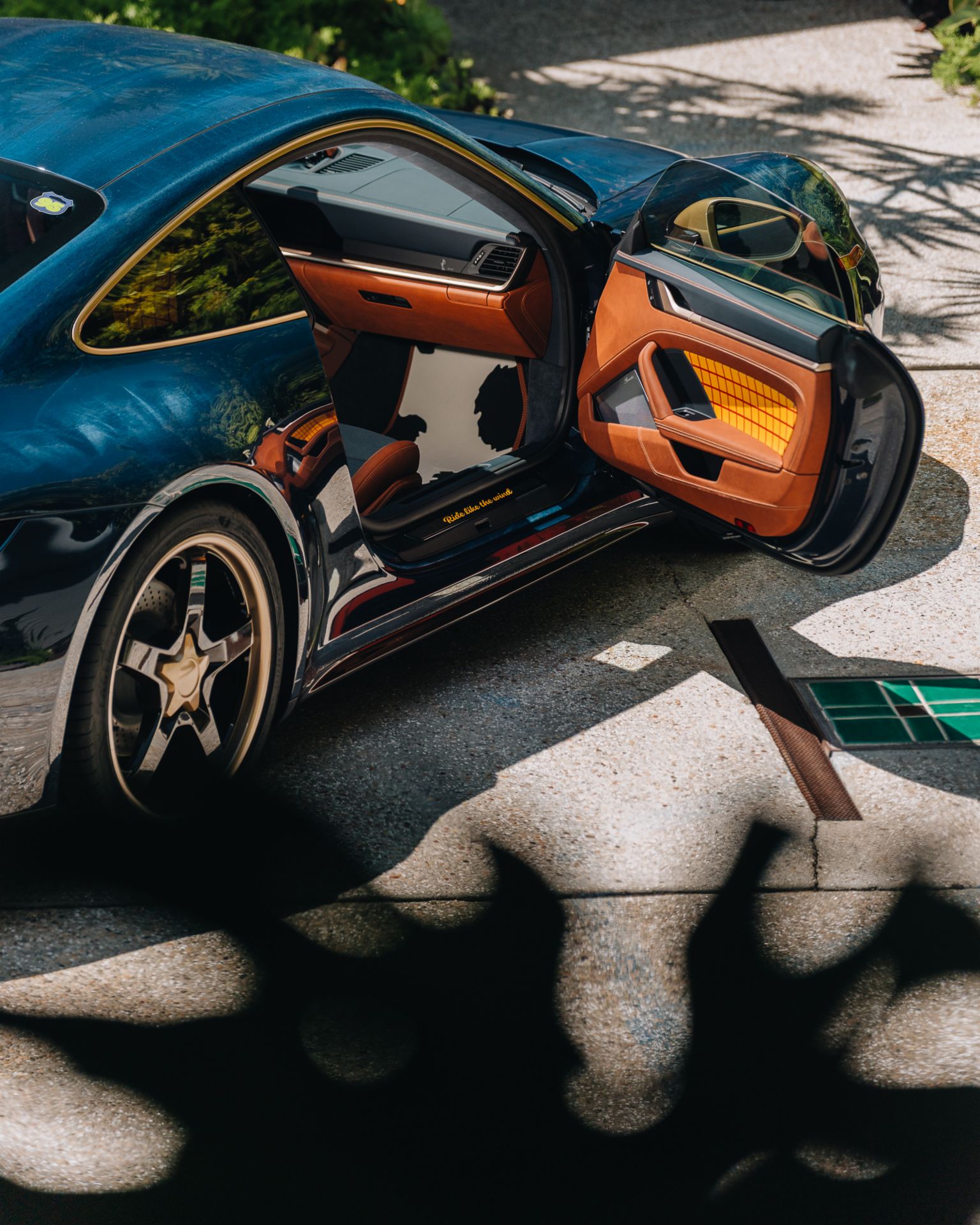
All three vehicles will form part of a broader charitable initiative benefiting Big Brothers Big Sisters of America, the American Red Cross and Starlight Children’s Foundation. Porsche has said the cars will be sold, although the precise auction mechanism, timing and beneficiary allocation should be confirmed before publication.
For collectors, provenance is unusually strong. Each car combines one-of-one factory status, the cultural reach of Disney and Pixar, and an association with a major film release. That may give the trio appeal extending beyond conventional Porsche circles.
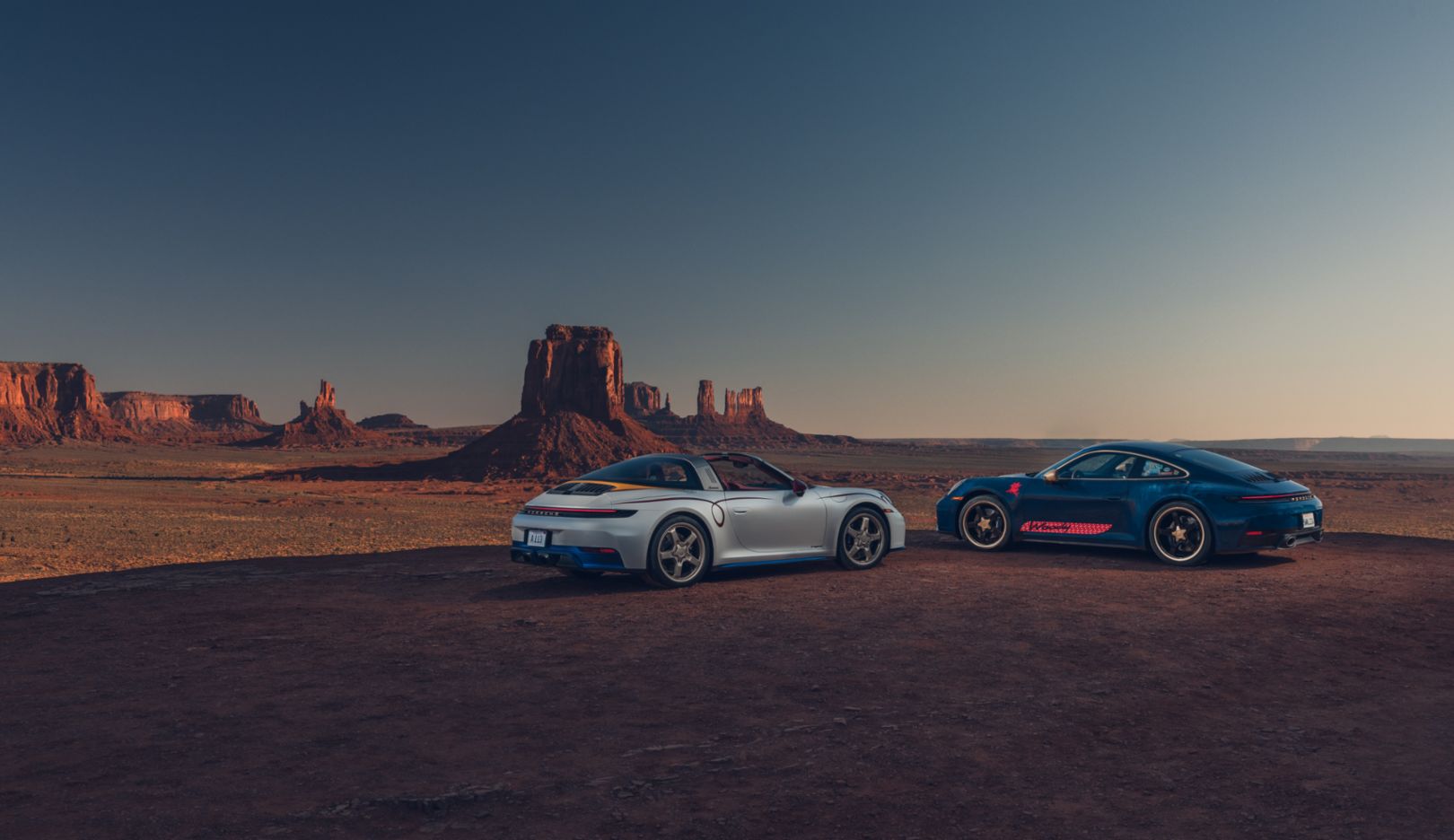
The project is also a reminder that the highest end of automotive customisation is increasingly about narrative. Performance specifications remain important, but for collectors who already have access to rare machinery, the story of why a car exists can be the feature that cannot be duplicated.
Fact box
– Cars: Three one-off Porsche 911s
– Inspiration: Woody, Buzz Lightyear and Jessie from Toy Story 5
– Creator: Porsche Sonderwunsch
– Purpose: Charitable sale initiative
– Beneficiaries: Big Brothers Big Sisters of America, American Red Cross and Starlight Children’s Foundation
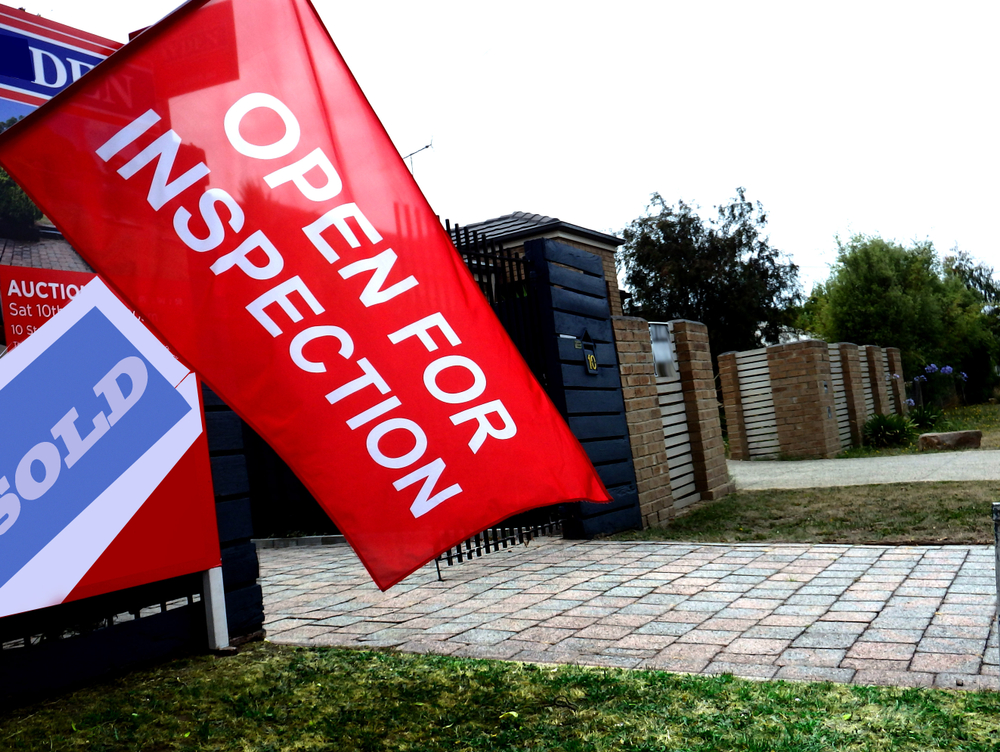
Australia’s housing market rebounded sharply in 2025, with lower-value suburbs and resource regions driving growth as rate cuts, tight supply and renewed competition reshaped the year.
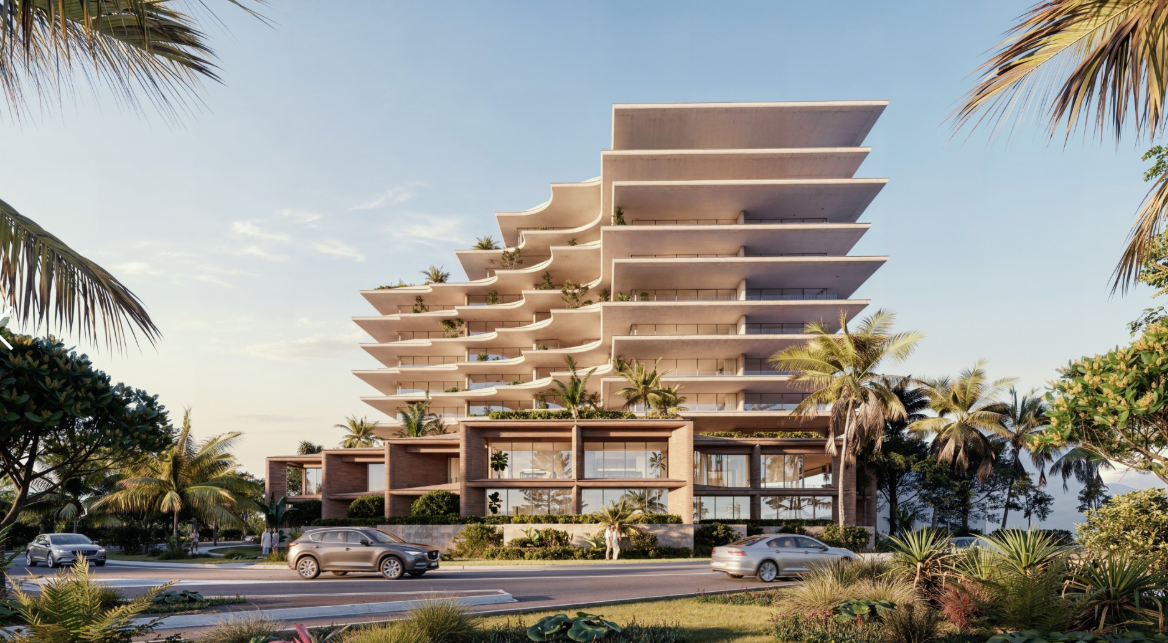
Queensland-based builder-developer MAYD has unveiled an exclusive first look at its anticipated ultra-luxury North Kirra mixed-use project as it lodges a minor amendment with the City of Gold Coast Council. The project sits across a 4,742sqm amalgamated landholding spanning seven parcels at 2–6 Pacific Parade and 27–33 Golden Four Drive, Bilinga, which MAYD secured in …
Continue reading “MAYD”s North Kirra Plans Unveiled Ahead of Early 2027 Launch”