





ASX shares are ‘vulnerable to further falls’: expert
Investors may still be in for a bumpy ride yet as a leading Australian economist forecasts that more volatility in global markets is likely over the coming months
 3 min
3 min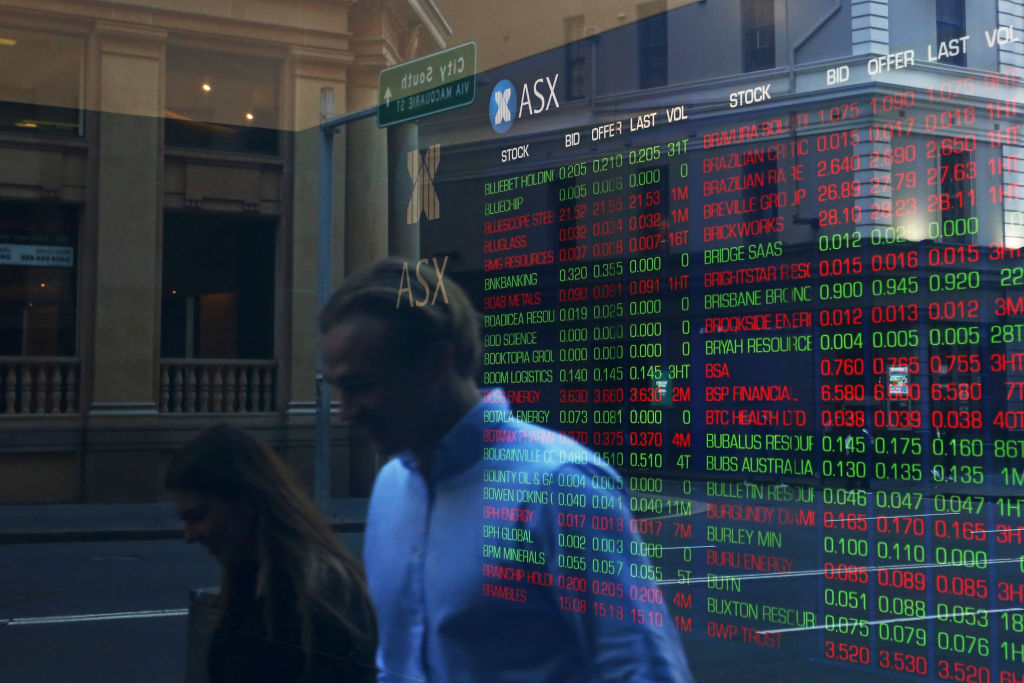
Investors are nervous and “sensitive to weaker economic data”, with more volatility likely ahead for the Australian share market despite its stabilisation in recent days, says AMP chief economist Dr Shane Oliver. A dramatic global sell-off at the start of the month saw the ASX 200 plunge 465 points or 5.73 percent over two trading sessions, with other share markets around the world also tumbling.
A weak jobs report and manufacturing report out of the United States sparked the sell-off due to fears the world’s biggest economy may be slowing faster than thought and a recession may be imminent. Major ASX 200 companies were caught up in the sell-off, with shares in our biggest technology company, Wisetech, falling 12.58 percent over the two days. ASX 200 bank shares were also hit hard, with NAB shares dropping 8.52 percent and CBA shares shedding 8.35 percent.
Other major fallers included the ASX 200’s largest property stock, Goodman Group, with its share price diving 11.86 percent over the two days. Shares in the market’s biggest retail stock, Wesfarmers, fell by 6.19 percent, and the ASX 200’s biggest energy company, Woodside, lost 5.5 percent. Shares in the ASX 200’s biggest mining company, BHP, slipped 3.25 percent.
Another contributor to the global sell-off was the winding back of the Japanese yen ‘carry trade’. A carry trade is where global investors borrow money in a low-rate currency and invest in other currencies and assets, such as bonds and shares, that offer a higher rate of return. Japan had zero or negative interest rates for almost 14 years before the Bank of Japan raised rates in March to a range of 0–0.1 percent and again last month to 0.25 percent. This prompted investors to begin selling their investments, which are spread across share markets all over the world, to reduce or end their carry trades.
The threat of a recession in the US was somewhat quelled last week when the latest US initial jobless claims report showed the number of workers claiming welfare was lower than expected. Comments from the Bank of Japan’s deputy governor indicating the bank would not raise rates further while markets are unstable also calmed investors’ nerves. As a result, some losses were clawed back. The ASX 200 finished 2.08 percent lower last week, with Japanese shares down 2.5 percent and US shares down 0.04 percent.
Dr Oliver said ASX shares could rebound a little more but they remain “vulnerable to further falls over the next few months”. Dr Oliver said this was due to stretched valuations and a “very high” risk of recession both in Australia and the US. He said there were indications of deteriorating employment in both economies and share markets had not priced this into company valuations.
Dr Oliver added: “… geopolitical risk is high particularly around the US election and the Middle East with a high risk of escalation between Iran and Israel after the assassination of [a] Hamas’ leader in Iran; and we have only just started in the seasonally weak period of August and September which can sometimes extend into October/November in US election years”.
Dr Oliver said the Reserve Bank was “surprisingly hawkish” last week, with Governor Michele Bullock saying the board considered a rate rise at its meeting before deciding to keep rates on hold. She also said a rate cut was unlikely over the next six months. The RBA has also pushed out its expectations on the timing for a return of inflation to its target middle of the 2-3 percent band by six months.
“This hawkishness was a bit surprising given that in the last few months economic growth came in weaker than expected and inflation was broadly in line with RBA forecasts, the RBA’s near-term wage growth forecasts have been revised down and uncertainty regarding growth in China and the US has increased,” Dr Oliver said.
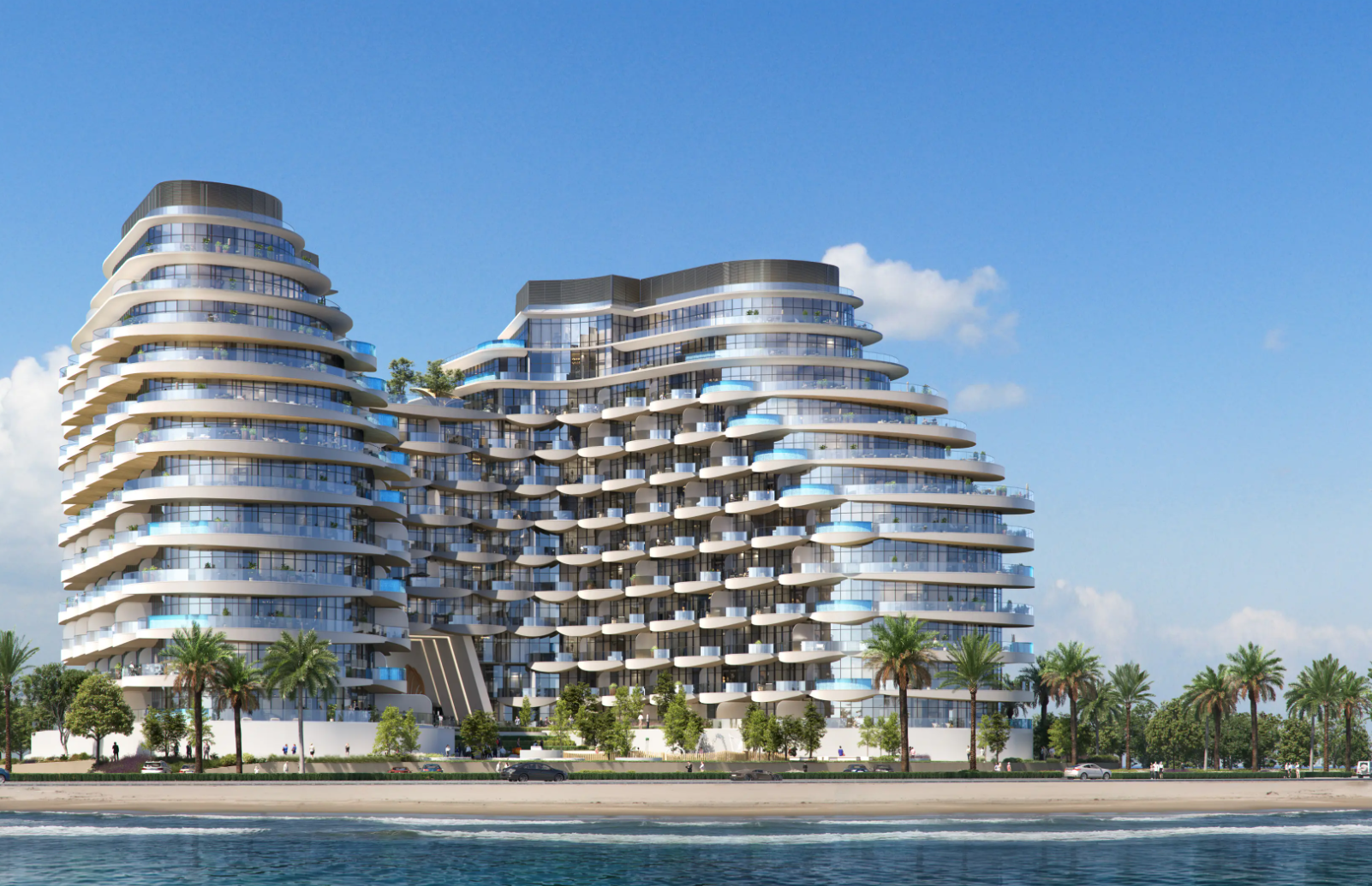
BNW Developments has established a Sydney presence, joining Arada and Sobha Realty among the growing number of UAE developers pursuing Australian buyers and development opportunities.

Australian shares fell on Thursday as Wall Street weakness, rising oil and persistent rate concerns weighed on most of the market. The S&P/ASX 200 declined 0.72 per cent to 8,702. The All Ordinaries lost 0.66 per cent to finish at 8,897. Mining stocks were hit particularly hard, while real estate also dragged on the index. …
Continue reading “ASX falls 0.7 per cent as miners and property stocks retreat”

 2 min
2 minAustralian shares fell on Thursday as Wall Street weakness, rising oil and persistent rate concerns weighed on most of the market.
The S&P/ASX 200 declined 0.72 per cent to 8,702. The All Ordinaries lost 0.66 per cent to finish at 8,897. Mining stocks were hit particularly hard, while real estate also dragged on the index.
Energy was the notable exception, gaining more than one per cent as Brent crude traded above US$103 a barrel. Oil had moved higher amid uncertainty surrounding potential US diesel-export restrictions and broader geopolitical supply risks. The move supported energy producers but renewed concern about inflation inputs across transport and the wider economy.
Gold shares were weak even as spot bullion remained historically elevated. The All Ordinaries Gold index fell about 2.25 per cent, showing that equity performance can diverge from the commodity because of valuation, currency, operating and company-specific factors.
Zip was a prominent loser, falling 11.38 per cent after the company reported short sales after the previous close. Nine Entertainment also weakened after UBS analysts warned of near-term revenue challenges associated with its advertising-supported subscription tier.
Premier Investments led larger winners despite caution about the retail environment. Breville, in which Premier owns a significant stake, also appeared among leading movers. In the broader ASX 300 screen, Myer gained 11.43 per cent and MAAS Group rose 7.93 per cent, while Lotus Resources fell 10.53 per cent. These percentage moves should be checked against company announcements and trading liquidity before attributing causes.
The Australian dollar was broadly flat at US70.38 cents. Spot gold was around US$4,280 an ounce, Brent crude approximately US$103.08 a barrel and iron ore near US$96.90 a tonne late in the session.
The rate outlook remains the central domestic catalyst. Labour-market weakness has not eliminated the possibility of an RBA increase next week, leaving banks, listed property and other rate-sensitive sectors exposed to changing expectations.
Market dashboard
S&P/ASX 200: 8,702, down 0.72 per cent.
All Ordinaries: 8,897, down 0.66 per cent.
Best sector: Energy, up more than one per cent.
Weakest areas: Real estate and materials were the major drags; confirm final sector percentages before publication.
Material winner: Premier Investments led the large-company gainers. Confirm its final closing move from the ASX before publication.
Material loser: Zip, down 11.38 per cent.
ASX 300 percentage leader: Myer, up 11.43 per cent.
ASX 300 percentage laggard: Zip, down 11.38 per cent.
AUD/USD: Approximately US$0.7038, broadly flat.

Limited to 630 units, Lamborghini’s latest Urus Capsule pushes personalisation further than ever, blending hybrid performance with over 70 bespoke design combinations.

From reworked homes to remote retreats, designers are prioritising warmth and a deeper connection to landscape.


