Australia’s Job Market Remains Tight in July
The unemployment rate rose to 4.2% in July from 4.1% in June

 < 1 min
SYDNEY—Australia’s unemployment rate rose in July to its highest level since late 2021 even as employment jumped by much more than expected over the month, with a record number of people participating in the labor market.
The unemployment rate rose to 4.2% in July from 4.1% in June, the Australian Bureau of Statistics said Thursday.
The economy created a further 58,200 jobs over the month, with full-time employment rising by 60,500, the ABS said. The employment creation was about three times that expected by economists.
The apparent mismatch in the data is explained by a rise in the labor market participation rate to a record high 67.1% in July from 66.9% in June.
Overall, the data suggests the job market remains tight, which will feed the Reserve Bank of Australia’s fears about the availability of labor, wage pressures and sticky core inflation over the coming quarters.
RBA Gov. Michele Bullock ruled out an interest-rate cut over the next six months citing concerns that inflation remains stubbornly high, while firms are reporting the job market is still tight.
The employment-to-population ratio rose by 0.1 percentage point to 64.3%, indicating employment growth was faster than population growth, the ABS said.
“Although the unemployment rate increased by 0.1 percentage point in each of the past two months, the record high participation rate and near record high employment-to-population ratio show that there continues to be a high number of people in jobs, and looking for and finding jobs,” the ABS said in a statement.
The number of people unemployed increased to 637,000 in July, the highest it has been since November 2021, but it remains around 70,000 below its pre-pandemic level, ABS added.
Seasonally adjusted monthly hours worked rose by 0.4%, in line with the 0.4% increase in employment, the ABS said.
 Copyright 2020, Dow Jones & Company, Inc. All Rights Reserved Worldwide. LEARN MORE




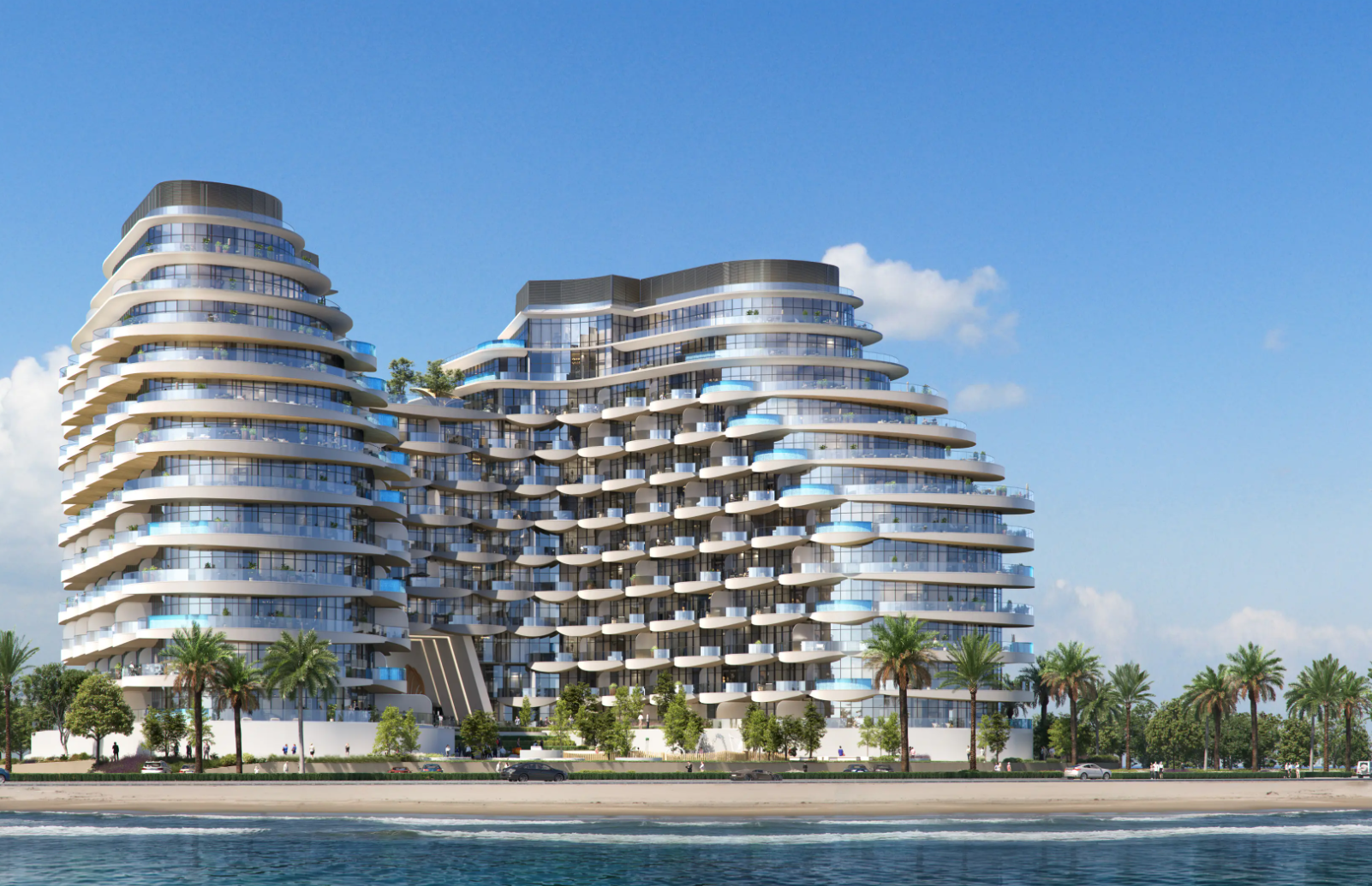
BNW Developments has established a Sydney presence, joining Arada and Sobha Realty among the growing number of UAE developers pursuing Australian buyers and development opportunities.

Australian shares fell on Thursday as Wall Street weakness, rising oil and persistent rate concerns weighed on most of the market. The S&P/ASX 200 declined 0.72 per cent to 8,702. The All Ordinaries lost 0.66 per cent to finish at 8,897. Mining stocks were hit particularly hard, while real estate also dragged on the index. …
Continue reading “ASX falls 0.7 per cent as miners and property stocks retreat”

 2 min
2 minAustralian shares fell on Thursday as Wall Street weakness, rising oil and persistent rate concerns weighed on most of the market.
The S&P/ASX 200 declined 0.72 per cent to 8,702. The All Ordinaries lost 0.66 per cent to finish at 8,897. Mining stocks were hit particularly hard, while real estate also dragged on the index.
Energy was the notable exception, gaining more than one per cent as Brent crude traded above US$103 a barrel. Oil had moved higher amid uncertainty surrounding potential US diesel-export restrictions and broader geopolitical supply risks. The move supported energy producers but renewed concern about inflation inputs across transport and the wider economy.
Gold shares were weak even as spot bullion remained historically elevated. The All Ordinaries Gold index fell about 2.25 per cent, showing that equity performance can diverge from the commodity because of valuation, currency, operating and company-specific factors.
Zip was a prominent loser, falling 11.38 per cent after the company reported short sales after the previous close. Nine Entertainment also weakened after UBS analysts warned of near-term revenue challenges associated with its advertising-supported subscription tier.
Premier Investments led larger winners despite caution about the retail environment. Breville, in which Premier owns a significant stake, also appeared among leading movers. In the broader ASX 300 screen, Myer gained 11.43 per cent and MAAS Group rose 7.93 per cent, while Lotus Resources fell 10.53 per cent. These percentage moves should be checked against company announcements and trading liquidity before attributing causes.
The Australian dollar was broadly flat at US70.38 cents. Spot gold was around US$4,280 an ounce, Brent crude approximately US$103.08 a barrel and iron ore near US$96.90 a tonne late in the session.
The rate outlook remains the central domestic catalyst. Labour-market weakness has not eliminated the possibility of an RBA increase next week, leaving banks, listed property and other rate-sensitive sectors exposed to changing expectations.
Market dashboard
S&P/ASX 200: 8,702, down 0.72 per cent.
All Ordinaries: 8,897, down 0.66 per cent.
Best sector: Energy, up more than one per cent.
Weakest areas: Real estate and materials were the major drags; confirm final sector percentages before publication.
Material winner: Premier Investments led the large-company gainers. Confirm its final closing move from the ASX before publication.
Material loser: Zip, down 11.38 per cent.
ASX 300 percentage leader: Myer, up 11.43 per cent.
ASX 300 percentage laggard: Zip, down 11.38 per cent.
AUD/USD: Approximately US$0.7038, broadly flat.

International AI strategist Justin Kabbani will headline the Kanebridge Property Summit in Sydney on June 18, with tickets selling fast.

As the season turns, Handpicked Wines’ latest Pinot Noir and Chardonnay releases reveal how subtle shifts in place shape what ends up in the glass.