Property of the week: Penthouse, 601/12 Baptist St, Redfern
A Sydney site with a questionable past is reborn as a luxe residential environment ideal for indulging in dining out
 2 min
2 min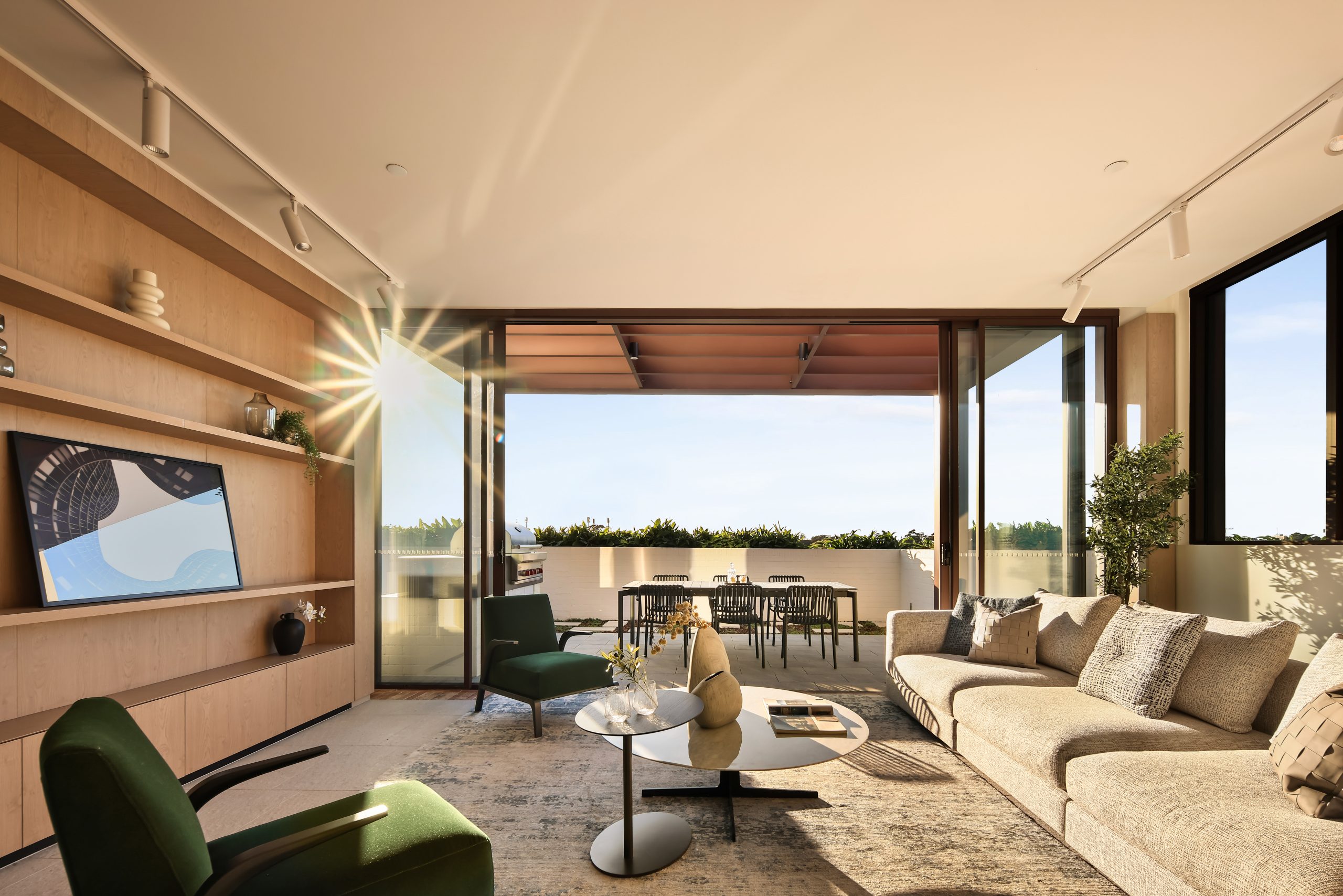
Long-term Sydney residents always had handful of not-so-glamourous nicknames for the building on the corner of Cleveland and Baptist Streets straddling Redfern and Surry Hills, but after a modern rebirth that’s all changed.
Once known as “Murder Mall” or “Methadone Mall”, the 1960s-built Surry Hills Shopping Centre was a magnet for colourful characters and questionable behaviour. Today, however, a $500 million facelift of the site — alongside a slow and steady gentrification of the two neighbouring suburbs — the prime corner property has been transformed into a luxury apartment complex Surry Hills Village by developer Toga Group.
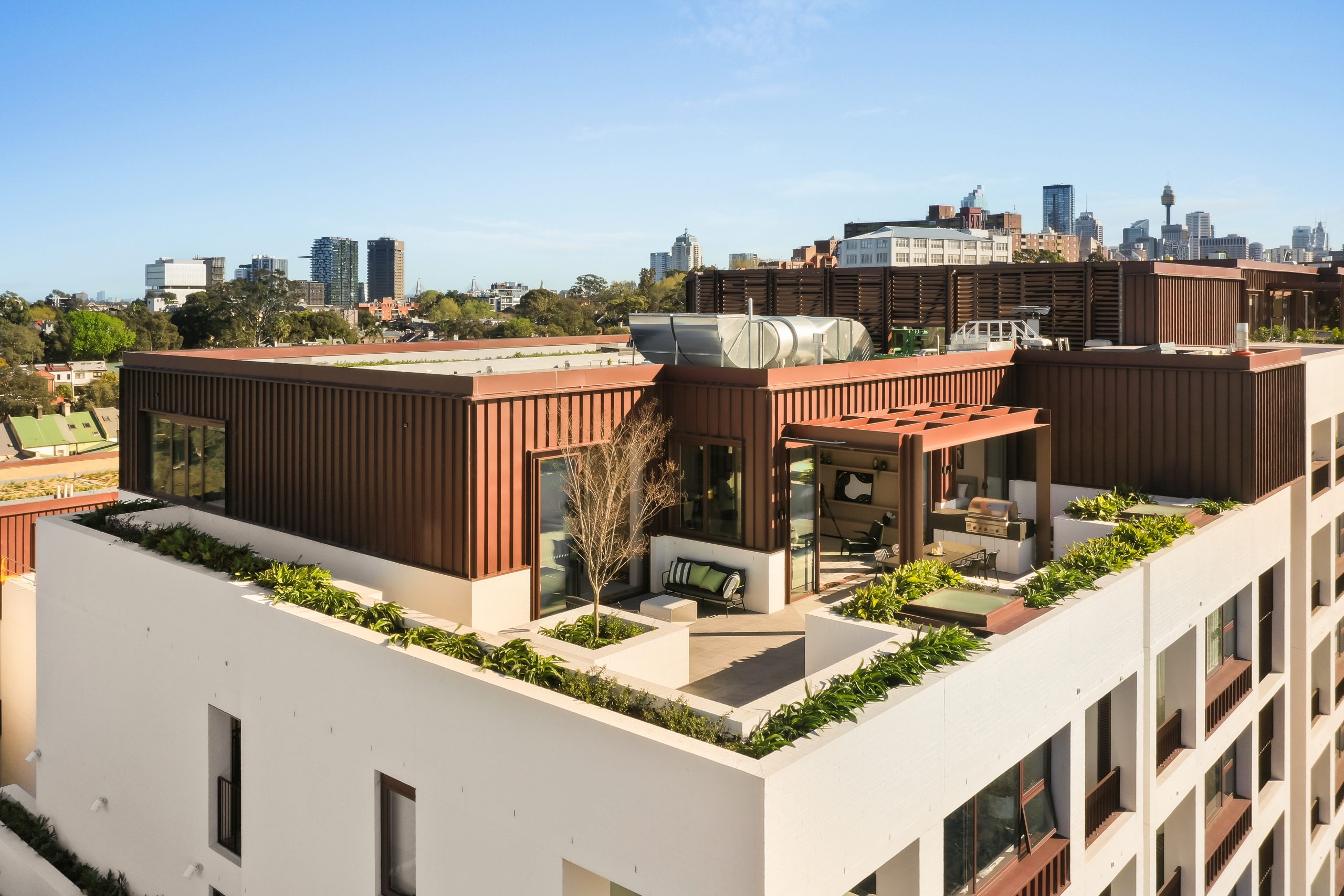
The crowning feature of the 122-apartment project is the three-bedroom penthouse, fully completed and just released to market with a $7.5 million price guide.
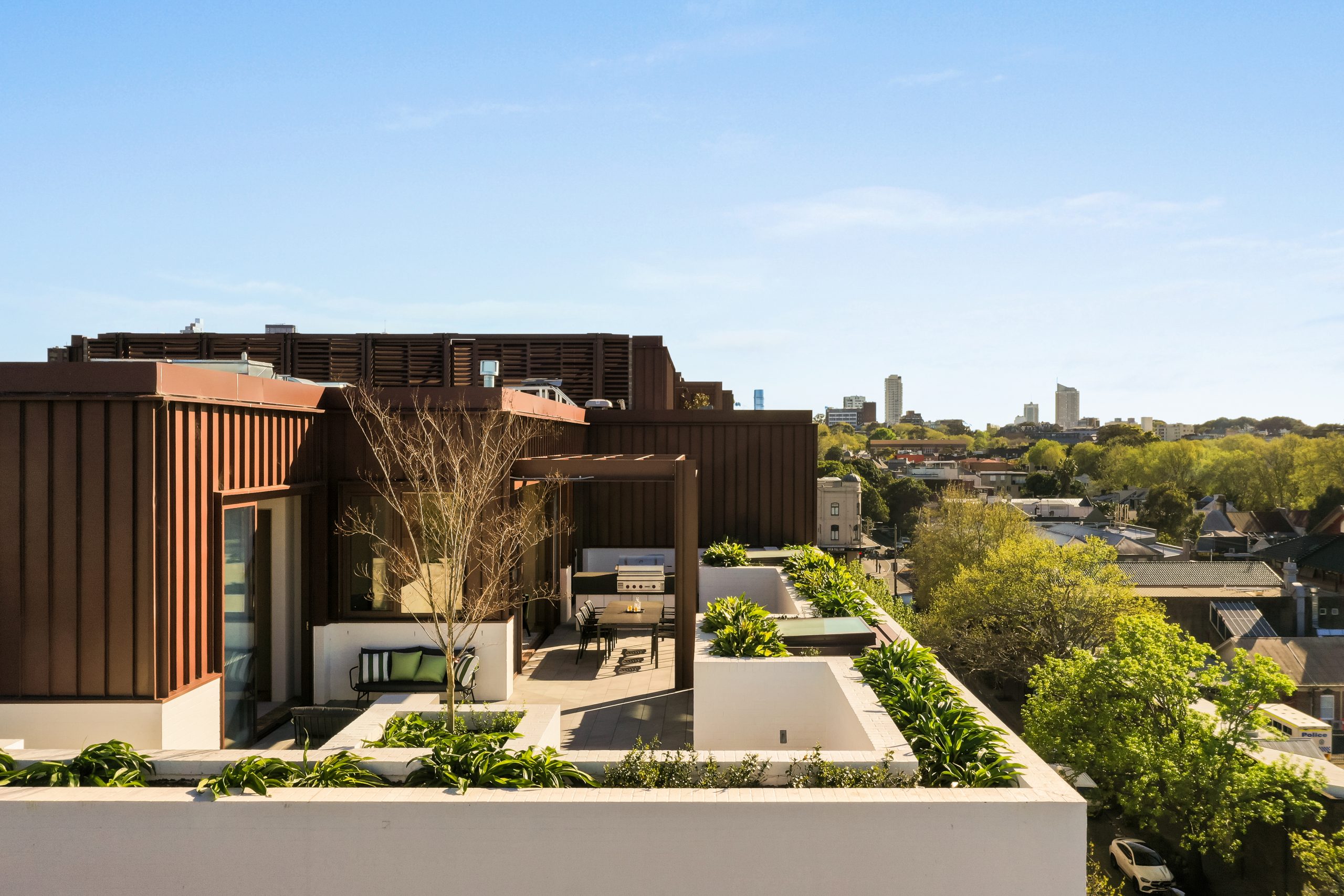
Measuring 211sqm of internal space, with a 136sqm terrace complete with landscaping, the penthouse is the brand new brainchild of Surry Hills local Adam Haddow, director of architecture at award-winning firm SJB.
Victoria Judge, senior associate and co-interior design lead at SJB says Surry Hills Village sets a new residential benchmark for the southern end of Surry Hills.
“The residential offering is well-appointed, confident, luxe and bohemian. Smart enough to know what makes good living, and cool enough to hold its own amongst design-centric Surry Hills.”
Allan Vidor, managing director of Toga Group, adds that the penthouse is the quintessential jewel in the crown of Surry Hills Village.
“Bringing together a distinct design that draws on the beauty and vibrancy of Sydney; grand spaces and the finest finishes across a significant footprint, located only a stone’s throw away from the exciting cultural hub of Crown St and Surry Hills.”
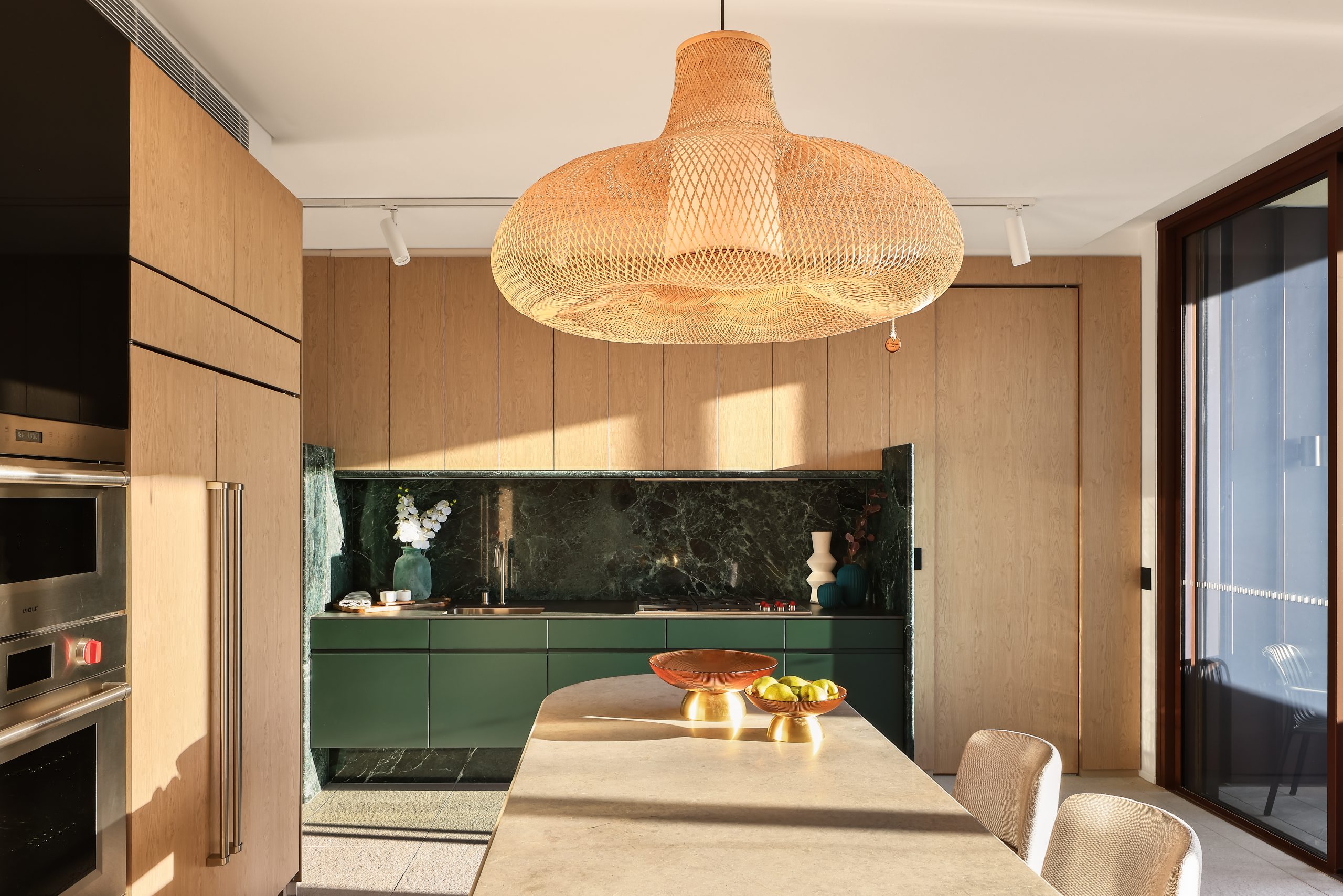
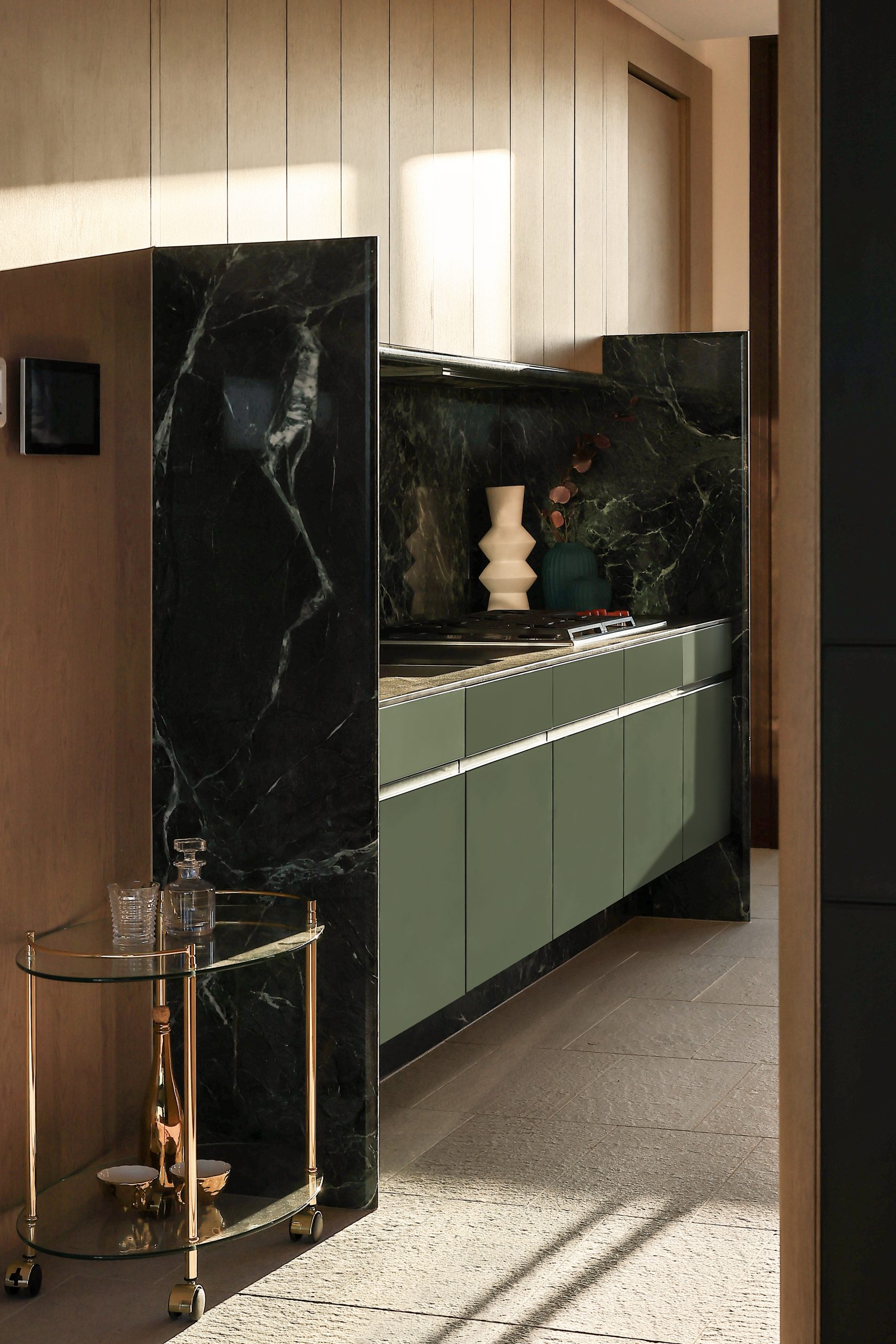
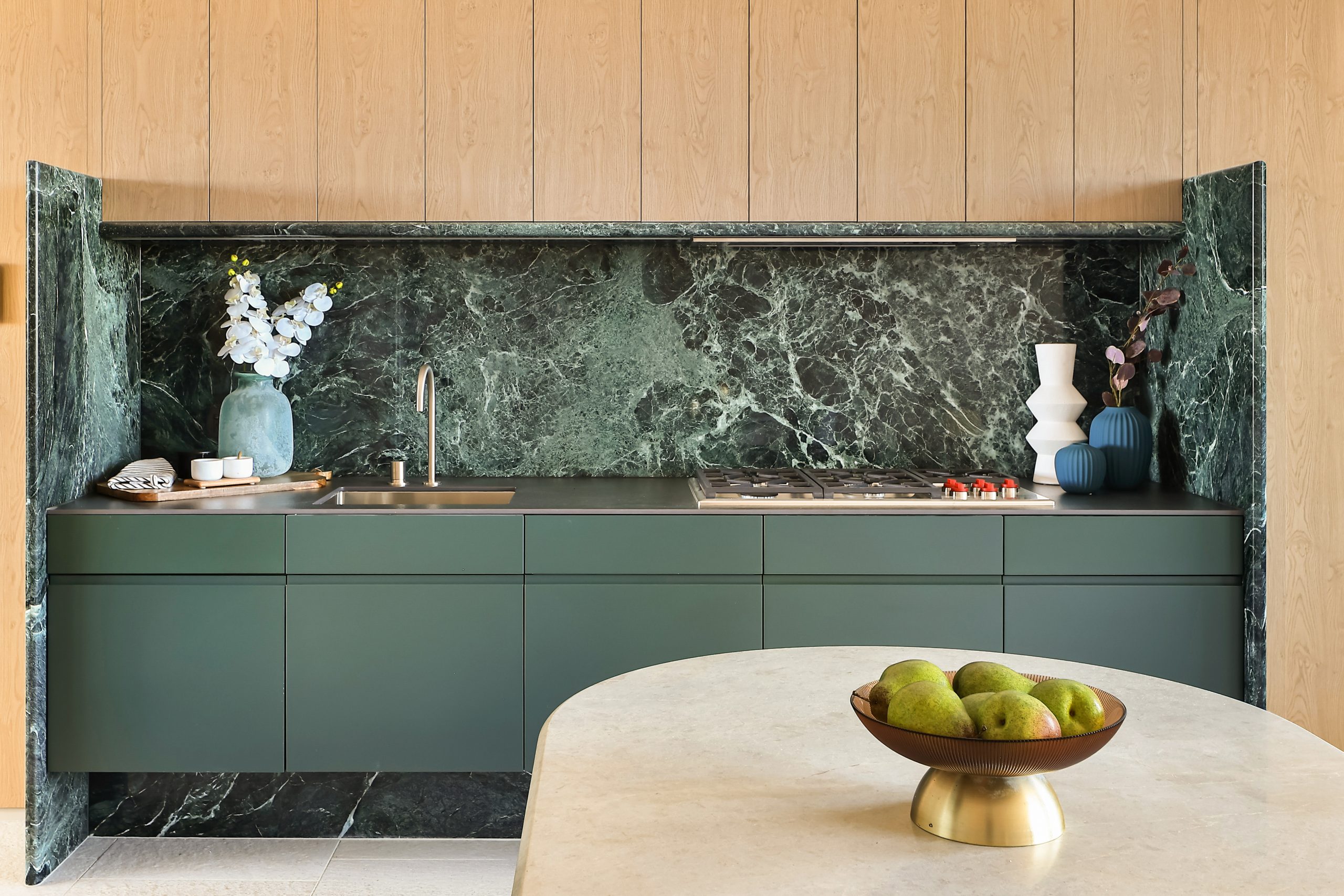
Created to maximise views of the city skyline and parkland, the top floor apartment has a practical layout including a wide private lobby leading to the main living room, a sleek kitchen featuring Pietra Verde marble and a concealed butler’s pantry Sub-Zero Wolf appliances, full-height Aspen elm joinery panels hiding storage throughout, flamed Saville stone flooring, a powder room, and two car spaces with a personal EV.
All three bedrooms have large wardrobes and ensuites with bathrooms fittings such as freestanding baths, artisan penny tiles, emerald marble surfaces and brushed-nickel accents.
Additional features of the entertainer’s home include leather-bound joinery doors opening to a full wet bar with Sub-Zero wine fridge and Sub-Zero Wolf barbecue.
The Surry Hills Village precinct will open in stages until autumn next year and once complete, Wunderlich Lane will be home to a collection of 25 restaurants and bars plus wellness and boutique retail. The EVE Hotel Sydney will open later in 2024, offering guests an immersive experience in the precinct’s art, culture, and culinary offerings.
The Surry Hills Village penthouse on Baptist is now finished and ready to move into with marketing through Toga Group and inquiries to 1800 554 556.
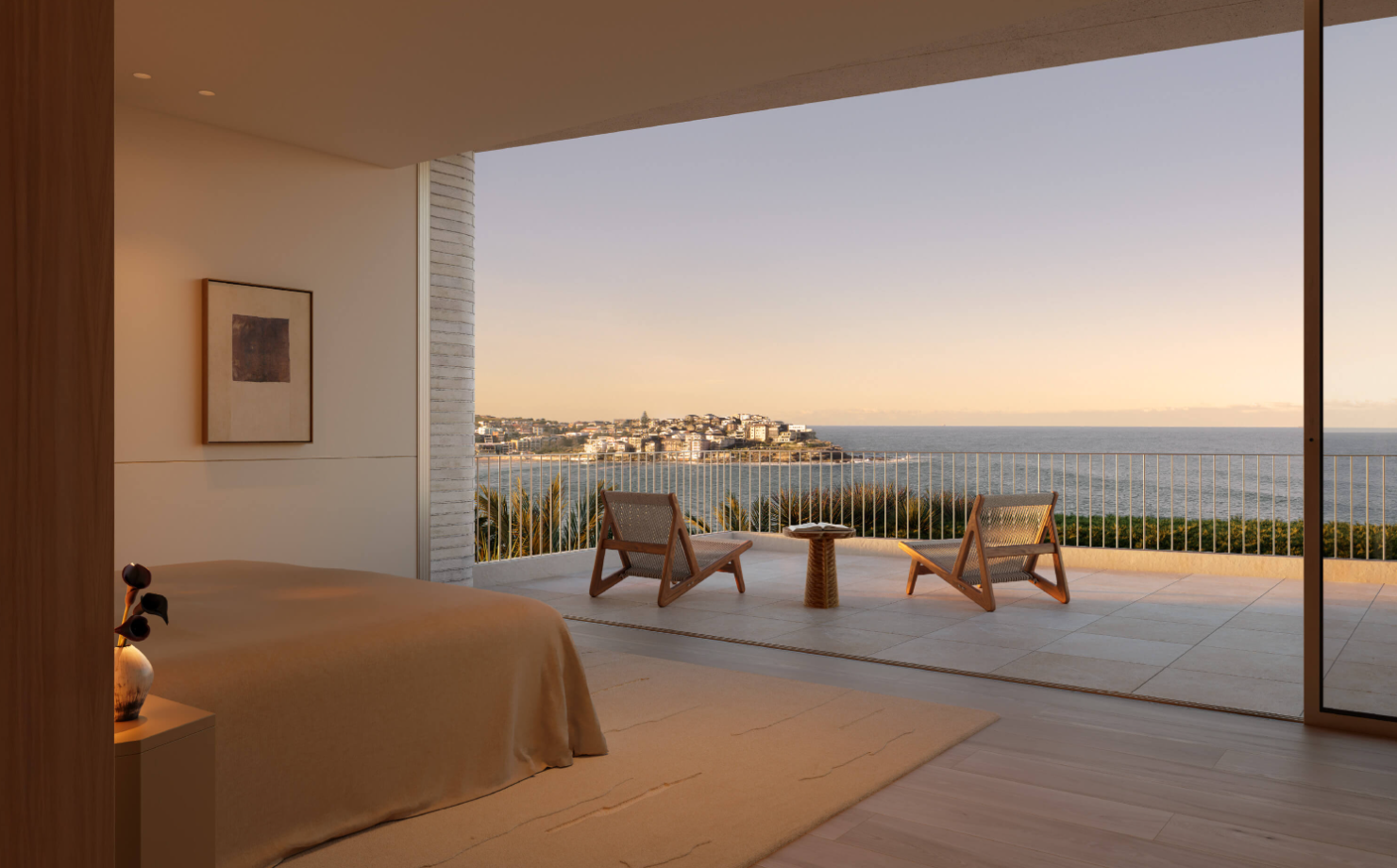
For Central Element, the start of work at Pearl represents another step in the company’s growing eastern suburbs pipeline.

All three vehicles will form part of a broader charitable initiative benefiting Big Brothers Big Sisters of America, the American Red Cross and Starlight Children’s Foundation
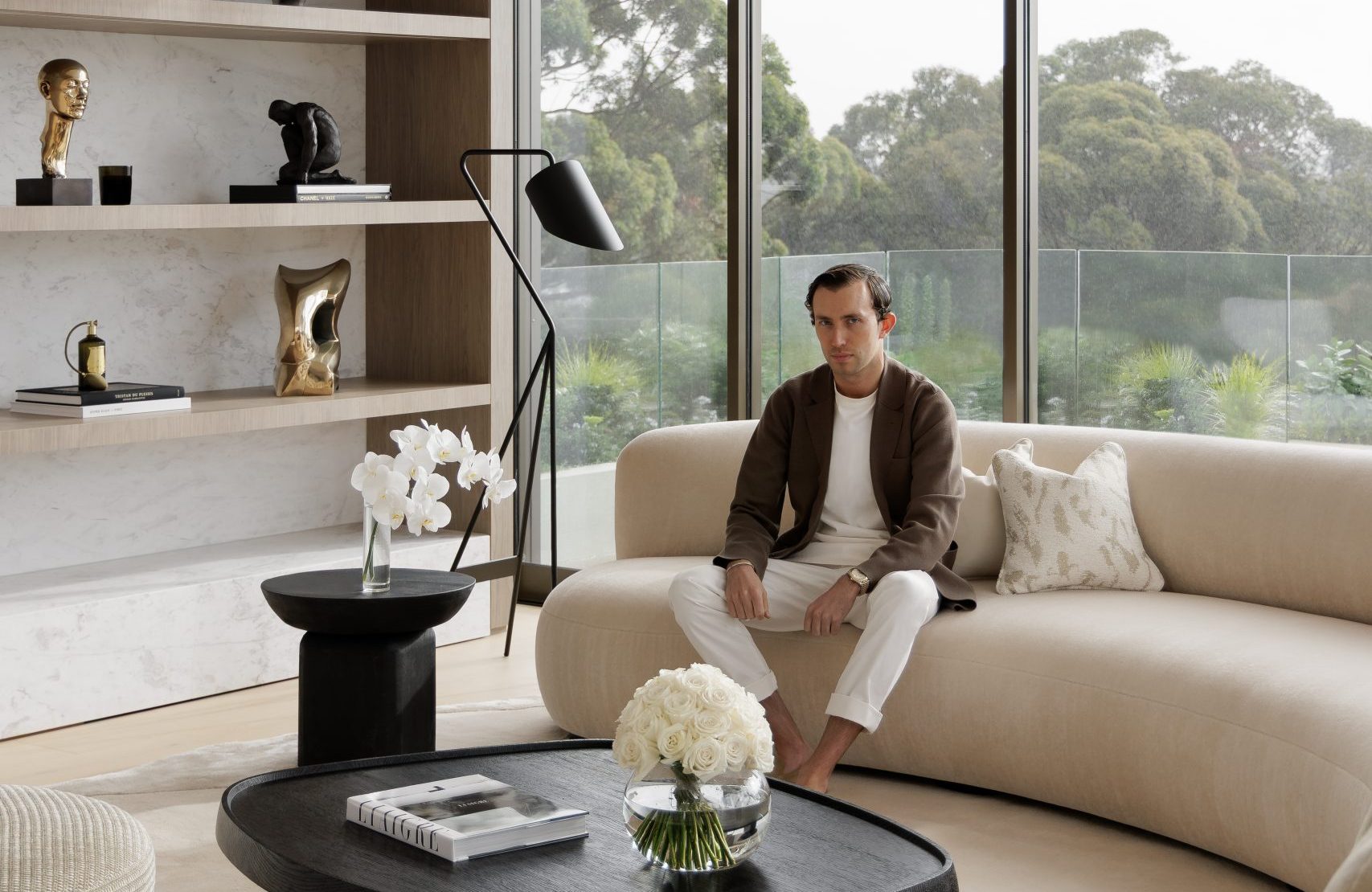
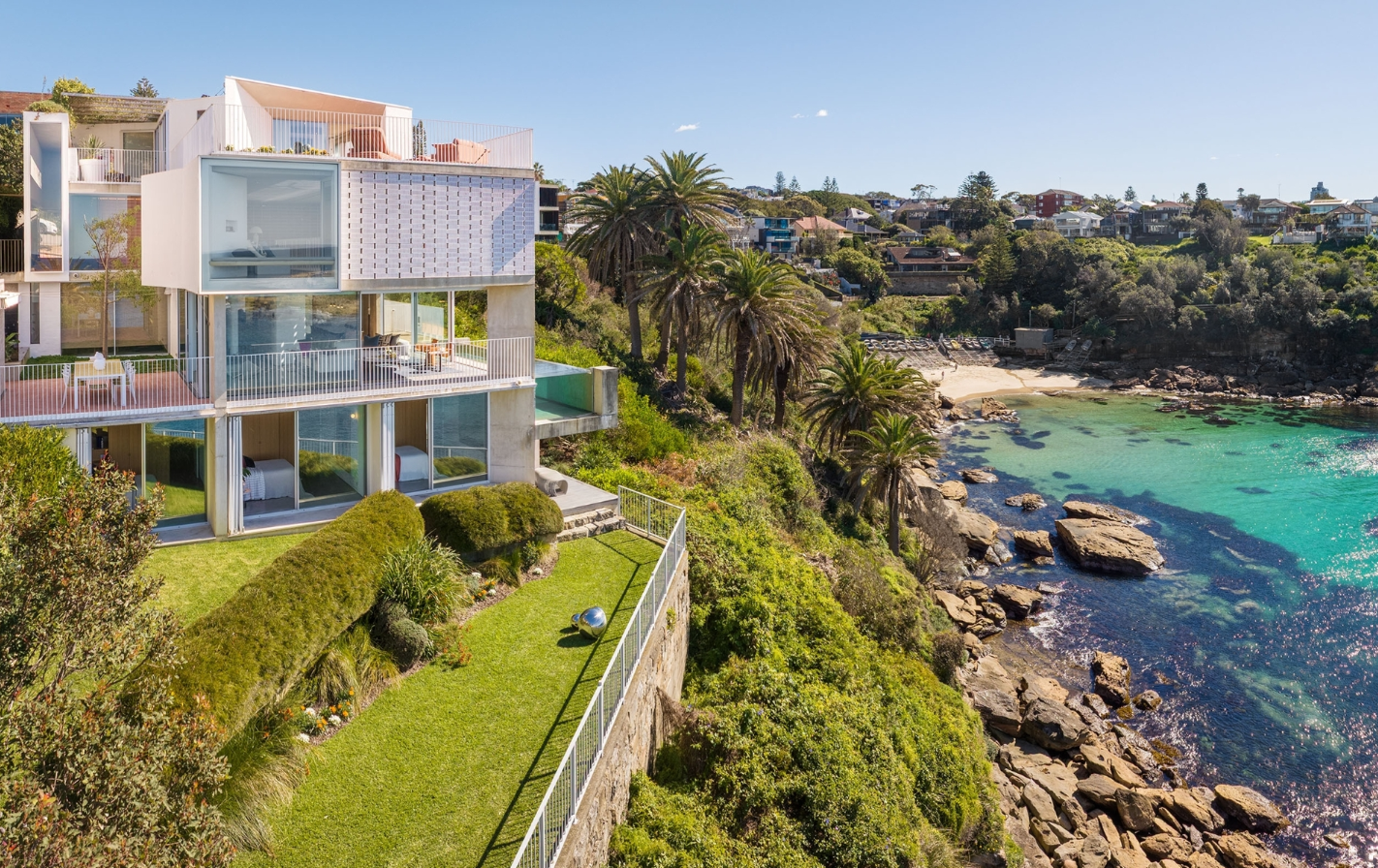
Completed in 2025 by Wolveridge Architects and S. Smith Builders, this extraordinary 51-acre Mornington Peninsula estate combines award-recognised architecture, genuine farming infrastructure and remarkable self-sufficiency.
4 min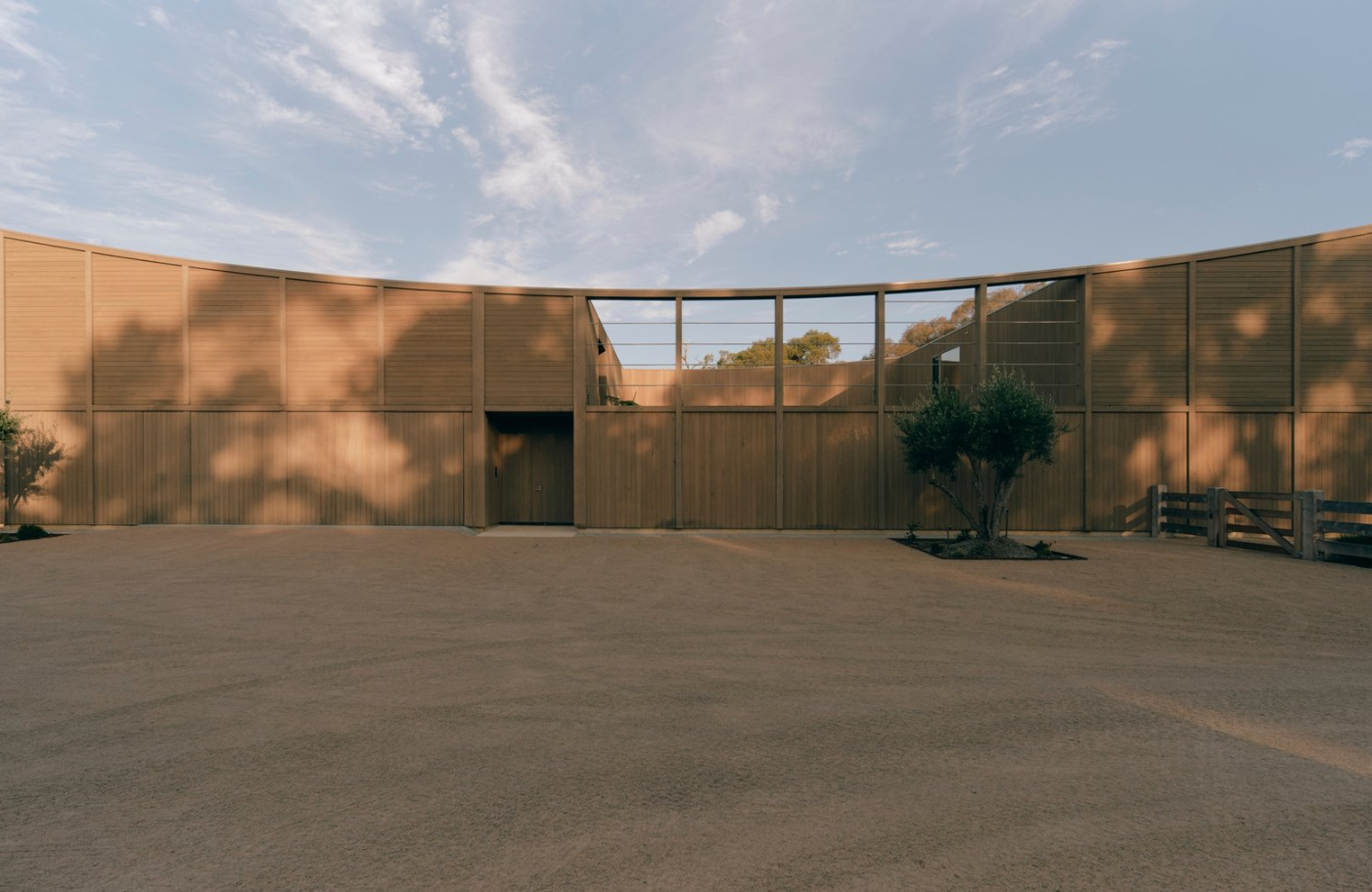
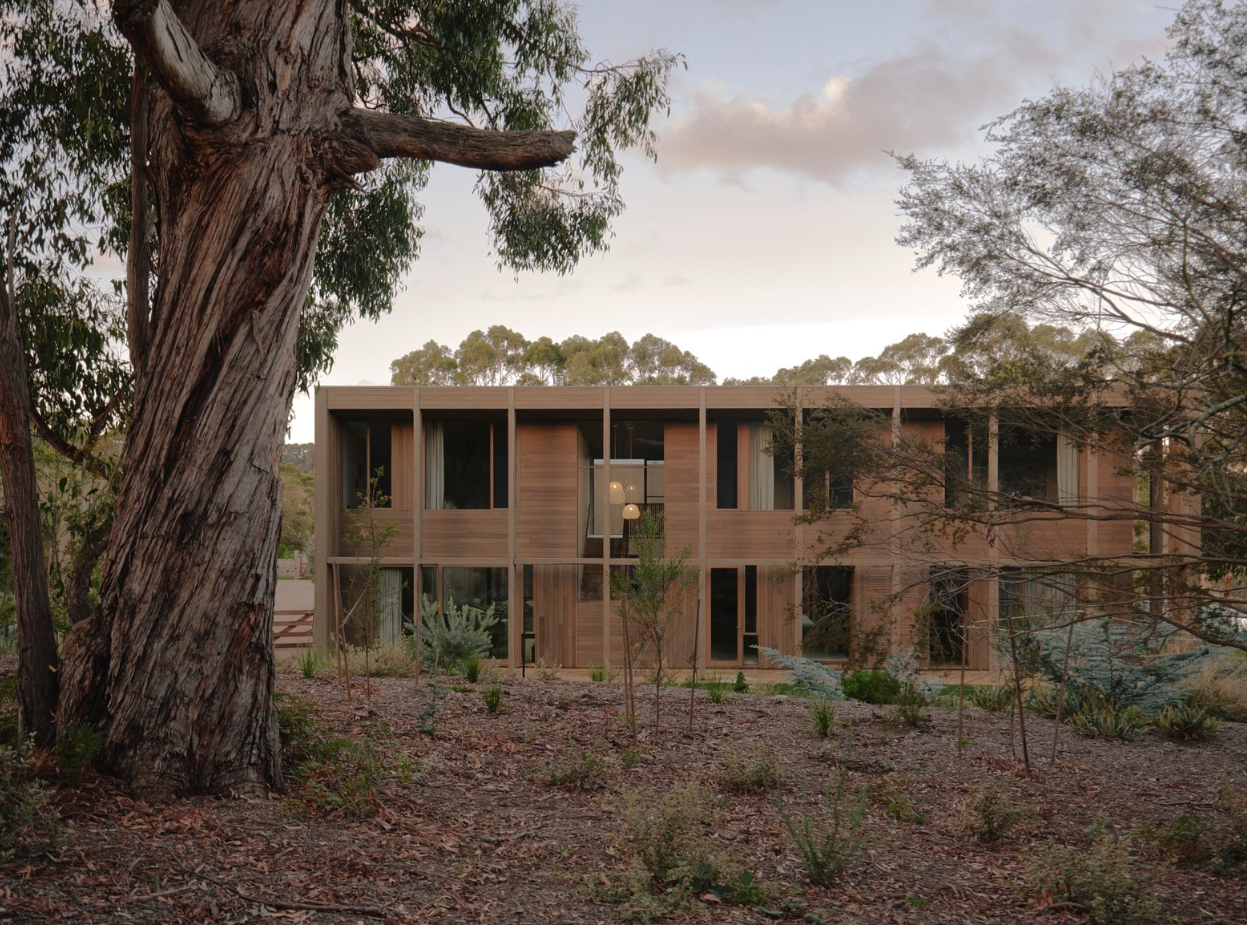
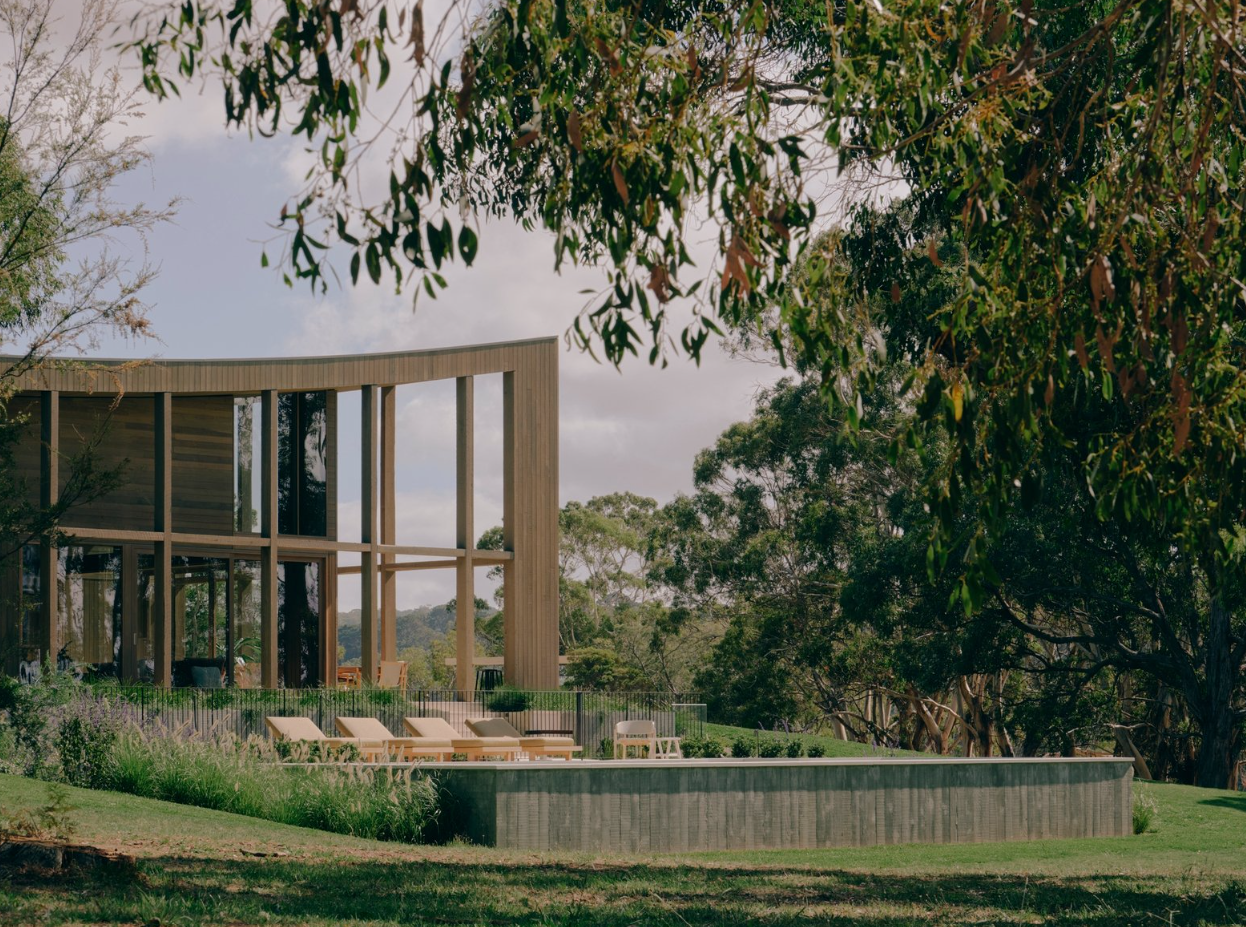
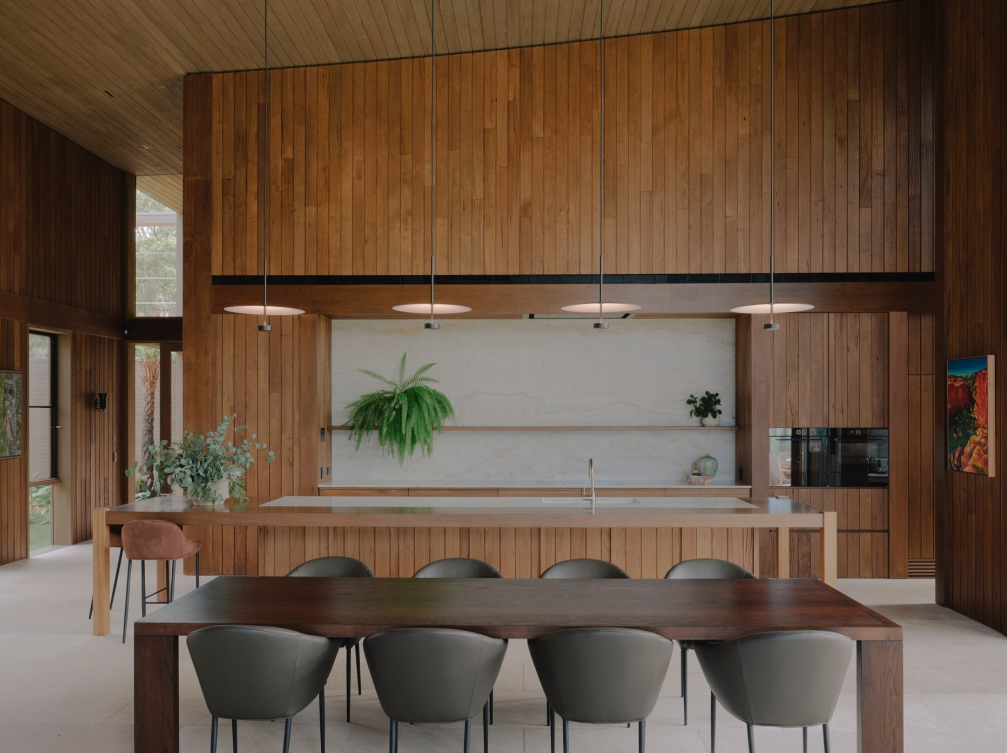
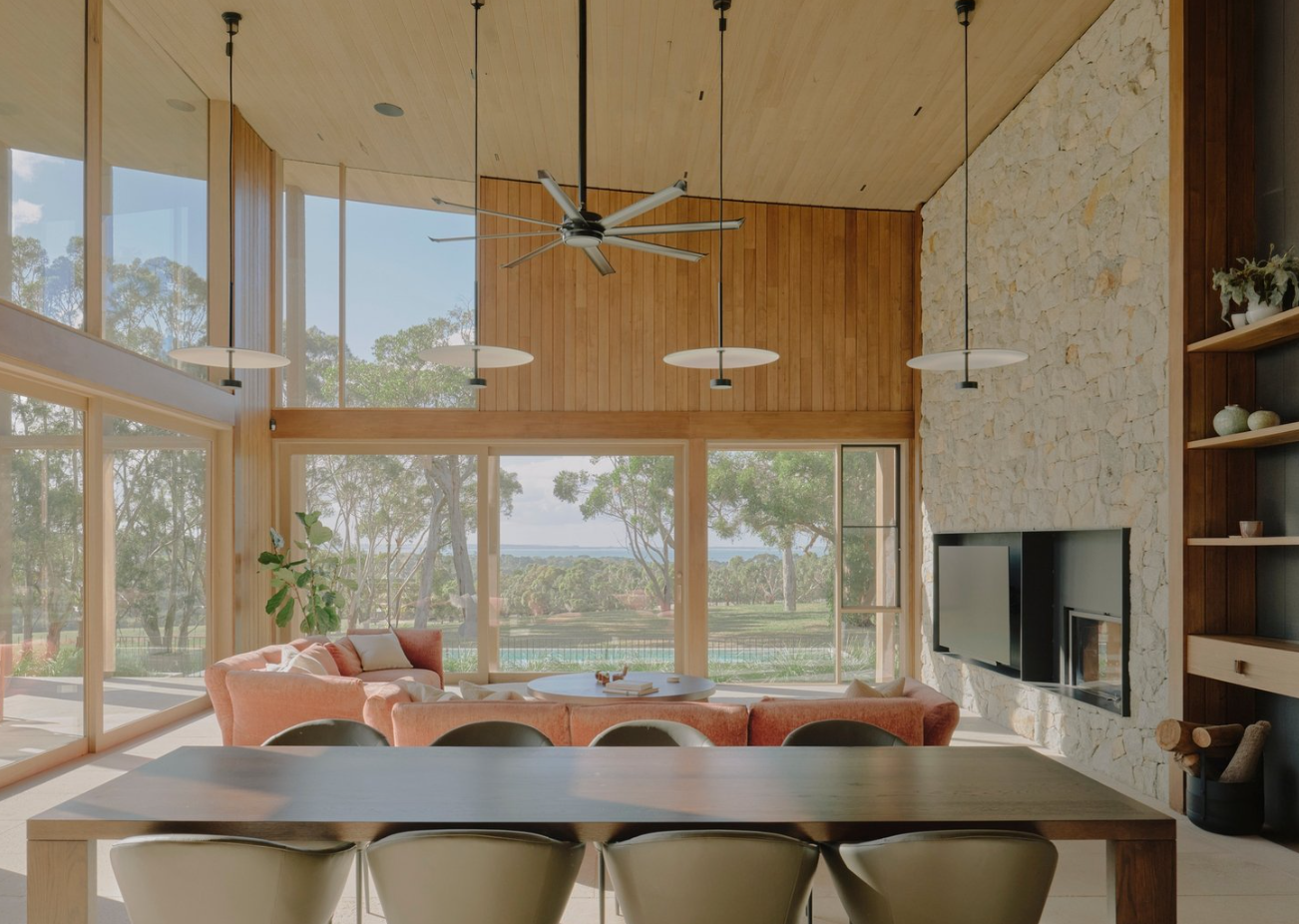
A long, winding driveway beneath mature gums provides the first indication that The Farm is not a conventional Mornington Peninsula country property.
Rather than immediately revealing the residence, the approach follows the contours of the landscape, moving through established woodland before the house emerges in a secluded clearing at 515 Tucks Road, Shoreham.
Completed in 2025, the five-bedroom estate has now been listed through Buxton’s James Redfern and Holly Longmuir with expressions of interest and an indicative price range of $18 million to $19.8 million.
At the upper end of that guide, the property could establish a new residential record for Shoreham. The existing benchmark has been reported at $16.5 million.
Set across approximately 20.64 hectares—or about 51 acres—The Farm is a contemporary interpretation of the Australian rural homestead, designed by Wolveridge Architects and constructed by award-winning Mornington Peninsula builder S. Smith Builders.
The property’s vendors, builders Vicki and Steve Smith, reportedly acquired the land through Smith Investments Australia for $4.2 million in 2019. They moved into the completed home in April 2025 and are now selling as they prepare to relocate to Portsea.
A farmhouse reduced to two buildings
Rather than allowing the estate to develop as a scattered collection of rural structures, Wolveridge Architects consolidated its principal functions into two carefully positioned buildings: the main residence and a substantial farm shed.
The structures face a broad central forecourt and sit within a larger composition of native woodland, productive pasture and views towards Western Port Bay.
It is an approach informed by the way Australian farms traditionally evolve, but made more deliberate. Instead of accumulated sheds and outbuildings, the property presents as a resolved architectural precinct.
The principal residence spans approximately 638 square metres. Its defining feature is an inverted radial roofline supported by a visible grid of ironbark posts and beams.
The roof rises towards the tree canopy and open sky, lending an unexpected lightness to a house of considerable scale. Blackbutt cladding, extensive glazing and timber detailing further soften the relationship between the building and its surroundings.
Wolveridge Architects describes the property’s location as Bunurong country and credits Jerry Wolveridge, Laura Tindall and Jessica Corbett as members of the project team.
The Farm was shortlisted in the New House Over 200 Square Metres category of the 2026 Houses Awards and in the Living Space category of the 2026 INDE Awards. Its published architectural photography is by Jack Carlin.
Designed around the landscape
Throughout the house, long internal sightlines and carefully framed openings maintain a connection with the surrounding gums, paddocks and distant water.
The central living, dining and kitchen space sits beneath soaring timber-lined ceilings. A monumental fireplace formed from Dromana granite anchors the room, while a second wood-burning fireplace serves a more intimate living zone.
The kitchen combines stained Tasmanian oak cabinetry with Austral Dream Dolomite and Pilbara Green Dolomite surfaces. A suite of Swiss V-Zug appliances supports its practical role, while a temperature-controlled, timber-lined wine cellar provides a dedicated space for collectors.
Belgian French oak flooring, Swiss wool carpet, Eco Outdoor stone paving, brushed-nickel fittings and extensive custom joinery continue the natural, materially rich palette.
A sheltered internal courtyard introduces northern light into the centre of the floor plan. Conceived as a protected garden within the wider landscape, it provides an outdoor space removed from the property’s more exposed rural environment.
The architecture repeatedly shifts between those two conditions: the openness of a large rural holding and the security of carefully protected interior and courtyard spaces.
A resort within a working estate
The Farm’s lifestyle credentials extend well beyond its principal living areas.
A fully tiled 14-metre swimming pool and adjoining spa sit within landscaped surrounds, creating a private resort zone connected to multiple outdoor entertaining spaces.
The grounds include indigenous planting, native woodland and productive pasture, together with approximately 591 metres of frontage to Stony Creek.
A separate 216-square-metre farm shed, fencing, cattle infrastructure, water systems and multiple access points ensure the estate has genuine rural capability. This is not merely a large house styled to resemble a farm.
Technology has been integrated throughout the property via a Control4 system governing lighting, climate, security, gates, blinds, irrigation and pool functions. The house also includes hydronic heating, zoned reverse-cycle airconditioning, motorised window furnishings, monitored security, video intercom and Starlink connectivity.
Its sustainability infrastructure is similarly substantial. More than 235,000 litres of water storage is paired with a 70-panel, 30.8kWp solar system, Tesla Powerwall battery storage and electric-vehicle charging.
The result is a house capable of delivering the comfort and automation expected of a contemporary trophy residence while maintaining a high degree of self-sufficiency.
That balance may be The Farm’s greatest achievement. Despite its scale, luxury finishes and extensive technology, the residence does not attempt to overpower its setting.
Its architecture instead directs attention outwards—to the tree canopy, the cattle in the paddocks, Western Port Bay and the changing conditions of the surrounding landscape.
For buyers seeking a private Mornington Peninsula estate with architectural credibility and room for a genuine rural life, The Farm represents one of the region’s most compelling new offerings.
The Farm at a glance
- Address: 515 Tucks Road, Shoreham, Victoria
- Property type: Acreage/semi-rural estate
- Price guide: $18 million to $19.8 million
- Sale method: Expressions of interest
- Bedrooms: Five
- Bathrooms: Five
- Parking: Five cars
- Land: Approximately 20.64 hectares or 51 acres
- Residence: Approximately 638sqm
- Farm shed: Approximately 216sqm
- Architect: Wolveridge Architects
- Builder: S. Smith Builders
- Completed: 2025
- Pool: Fully tiled 14-metre pool with adjoining spa
- Creek frontage: Approximately 591 metres to Stony Creek
- Water storage: More than 235,000 litres
- Energy: 70-panel, 30.8kWp solar system with Tesla Powerwall storage
- Selling agents: James Redfern and Holly Longmuir, Buxton Mornington Peninsula–Flinders
- Listing: View the live property campaign
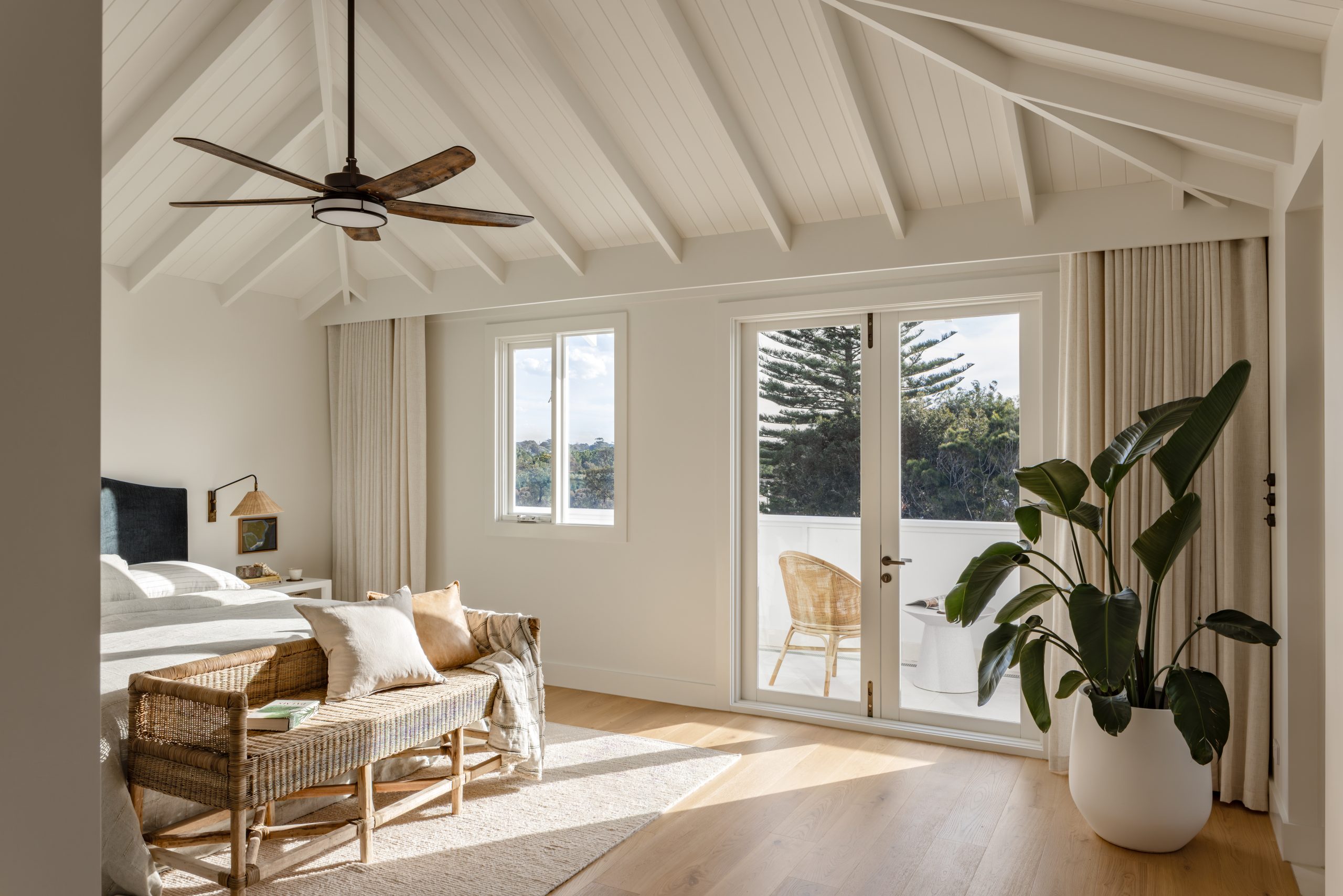
From warmer neutrals to tactile finishes, Australian homes are moving away from stark minimalism and towards spaces that feel more human.
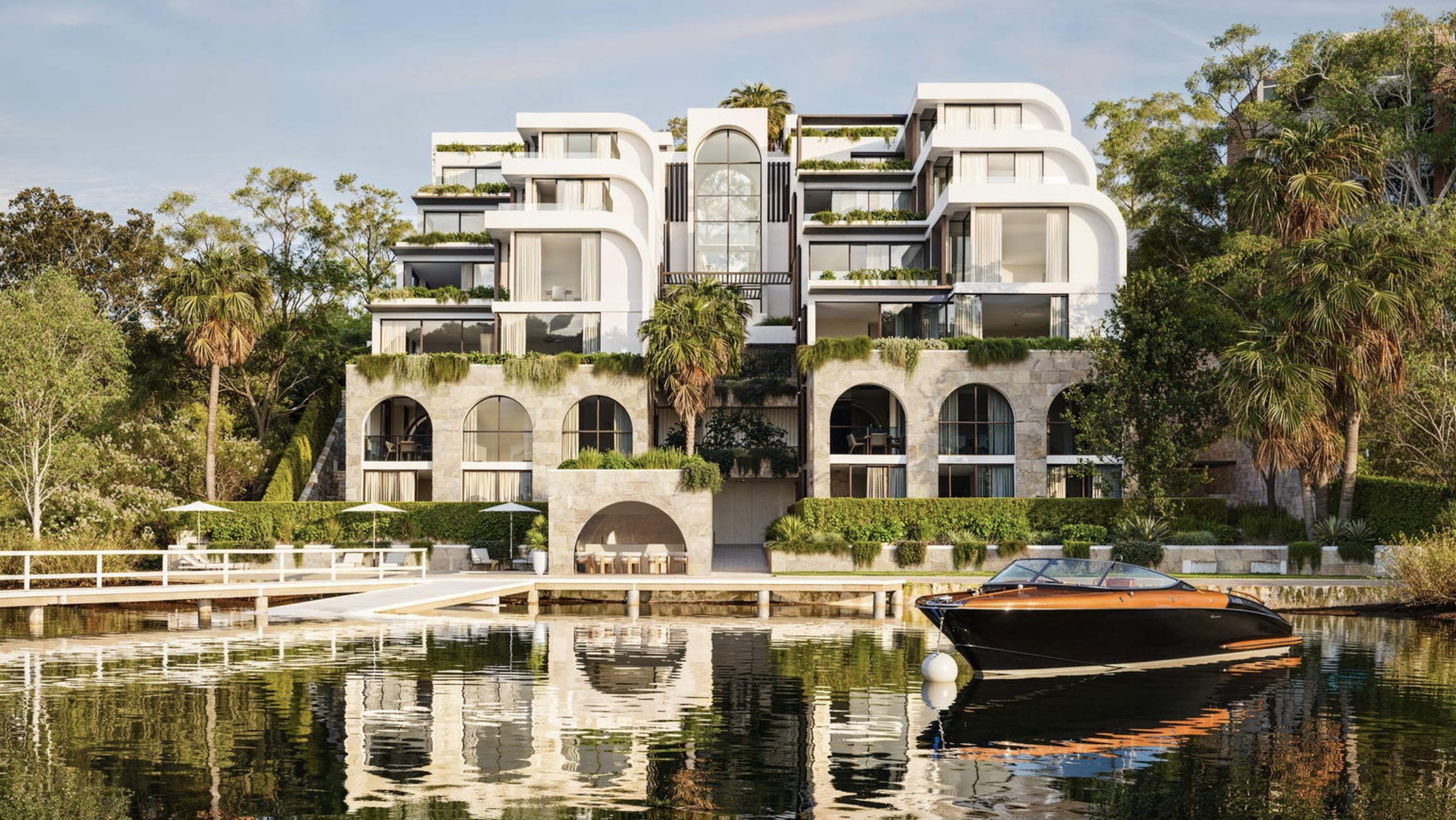
Advertising legend John Singleton unveils an exclusive 16-residence Caroline Bay development, marking his latest high-end property play on the Central Coast.