




Americans Can’t Stop Pampering Their Pets—Companies Want In
Firms that cater to humans adapt to the animal world. Ultrasounds for tree frogs. Telehealth for Stella.

 3 min
Attention, CEOs: If not enough people are using your product, maybe animals will.
“Have you seen the numbers? They’re staggering,” said Jenna Mutch, a vice president at portable-ultrasound maker Butterfly Network Inc., referring to the rush of Americans who have brought home pets since the pandemic began. About 23 million households did, according to the American Society for the Prevention of Cruelty to Animals.
Spending to pamper them is one of a few areas of the economy managing to defy inflation and avoid a post-lockdown pullback.
As a result, some companies that normally cater to humans are high-tailing it to pets.
Ms. Mutch heads commercial development for a newly created unit of her ultrasound company that sells scanners for animals.
Adapting human products for animals can be complicated. There’s the matter of animals’ size. Also, their shape.
Butterfly’s ultrasound machines can scan things ranging from as small as the reproductive organs of tree frogs to chonky mammals, including polar bears, according to Ms. Mutch. “We have to be very versatile,” she said.
Hilton Worldwide Holdings Inc. is adding hundreds of hotels where animals can stay the night. It offers virtual “pet expert teams” to address health and behaviour issues they might have while traveling, teaming with Mars Inc., the parent of veterinary operator VCA and Purina pet foods.
Snack-bar maker Clif Bar & Co. this summer started selling a line of jerky treats for dogs. Global food giant Mondelez International Inc. took over Clif in August. More pets and growing demand for all-natural dog food prompted the move, a spokeswoman said.
Petco Health & Wellness Co. gets dozens of proposals from companies looking to adapt their products to animals, said Chief Executive Ron Coughlin. Not all the ideas are fully baked. He passed on bringing acupuncturists to the company’s stores.
Although some consumers struggling with inflation are cutting back on nonessentials, they don’t seem to put pet stuff in that category. Spending on pet food was up more than 18% in the last year, and spending on supplies rose 8%, according to Jefferies Research Services.
Mr. Coughlin of Petco is confident the spending will continue as Americans become ever closer to their animals.
“If you look at 100 years ago, pets were in the wild. Forty years ago, they’re in our yard, and 20 years ago in the house,” he said. “Now they’re in the bed.”
Rebecca Goldberg, a physician assistant in Manhattan, has a mixed-breed rescue dog named Stella. When it comes to pampering dogs, Ms. Goldberg is middle of the pack. Hers sleeps on a dog bed, eats kibble as opposed to fresh or human-grade food, and enjoys regular treats.
But Stella, 5, also has a high-end, Carhartt-brand vest to keep her warm outdoors. And lately, Stella has become a remote patient for a veterinary telehealth company called Pawp.
Ms. Goldberg signed up for Pawp as part of a temporary deal offered by T-Mobile. She gets free telehealth services for a year and pays $14 a month to cover emergency visits.
The deal was attractive, she said, because Stella has a sensitive stomach and a propensity to eat things she shouldn’t, a combination that made for frequent vet visits. “Having a veterinary clinic in your pocket is amazing,” Ms. Goldberg said.
Pawp’s founder, Marc Atiyeh, is a veteran of a few industries, none of them animal-related. Before starting Pawp he worked in fintech, finance and mobile analytics.
“There is definitely a flock of players getting into this space,” he said. “You’re getting folks who are veterans of human healthcare or personal finance.”
Peggy Roe, who oversees customer experience and new ventures for Marriott International Inc., said the chain in 2021 started noticing more people asking animal-related questions as they sought vacation lodging—“people asking, ‘Are hotels pet friendly?’ ‘What size dog can I bring?’ ”
Seeing the queries, the company surveyed customers, and of around 300 respondents, 85% said they had pets and more than half planned to travel with them. And not just dogs. Customers expressed interest in traveling with cats, birds and even fish.
“We have hotels that accept all kinds of pets—they don’t discriminate,” Ms. Roe said.
She took Riley, her newly acquired golden retriever, on a road trip, stopping at Marriott properties along the way. There were some worries. How would the stay go over with other guests—and with Riley?
“There was that anxiety,” she said. “Is this going to be good for my dog? Are our other guests going to be upset? Is the staff going to be nice?”
She realised it wasn’t enough to simply provide options for people and their animals. Marriott had to ensure the comfort of both.
“There are the people who love pets, the people who love pets and don’t want to travel with them, and people who don’t want pets anywhere in their space,” she said.
Under a partnership with Petco, Marriott will highlight home-rental properties that are especially well-equipped for pets. Travellers can buy products such as dog beds and bowls from Petco and have them delivered.
“Inflation or not,” Ms. Roe said. “People aren’t going to leave their pets behind.”
 Copyright 2020, Dow Jones & Company, Inc. All Rights Reserved Worldwide. LEARN MORE


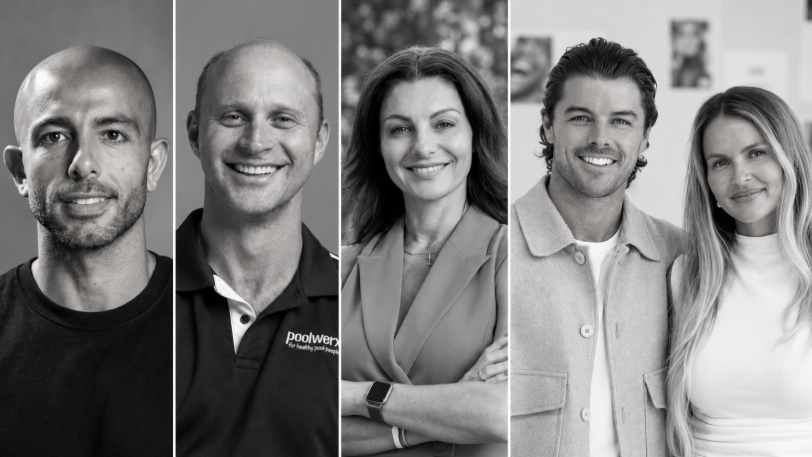
From making unpopular decisions to learning when to listen, leaders from five businesses reveal what nobody prepared them for — and how running a company has challenged their expectations.
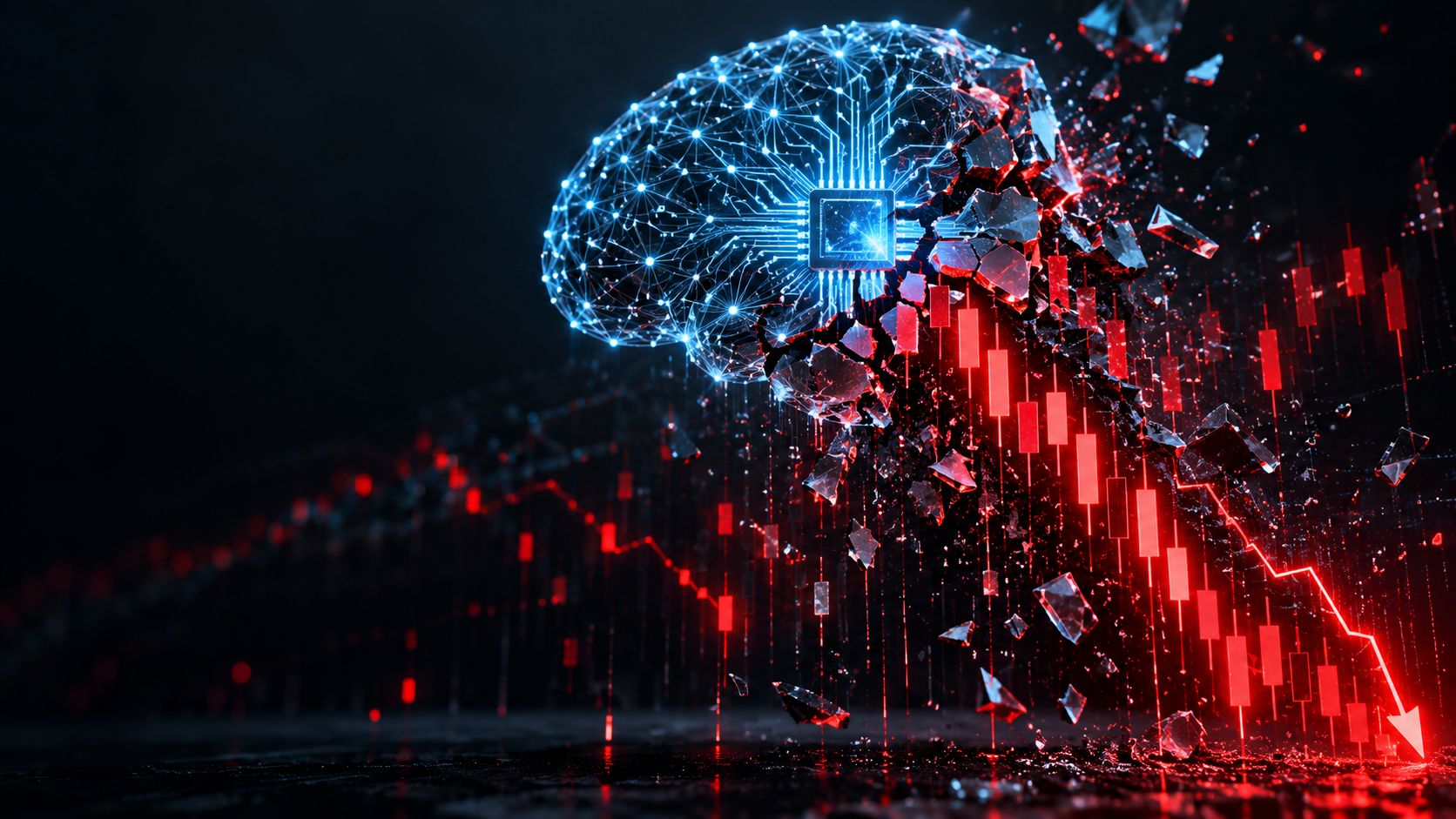
Technology and semiconductor shares fell sharply as investors questioned the debt financing the AI infrastructure boom and confronted higher rates and Chinese competition.

Elon Musk is exploring a potential merger between Tesla and SpaceX, a deal that could reshape the future of AI, robotics, autonomous vehicles and space technology. With a combined valuation potentially reaching $3.5 trillion, the move could bring Musk’s vision of an interconnected technology ecosystem closer to reality, although a deal remains uncertain.
5 min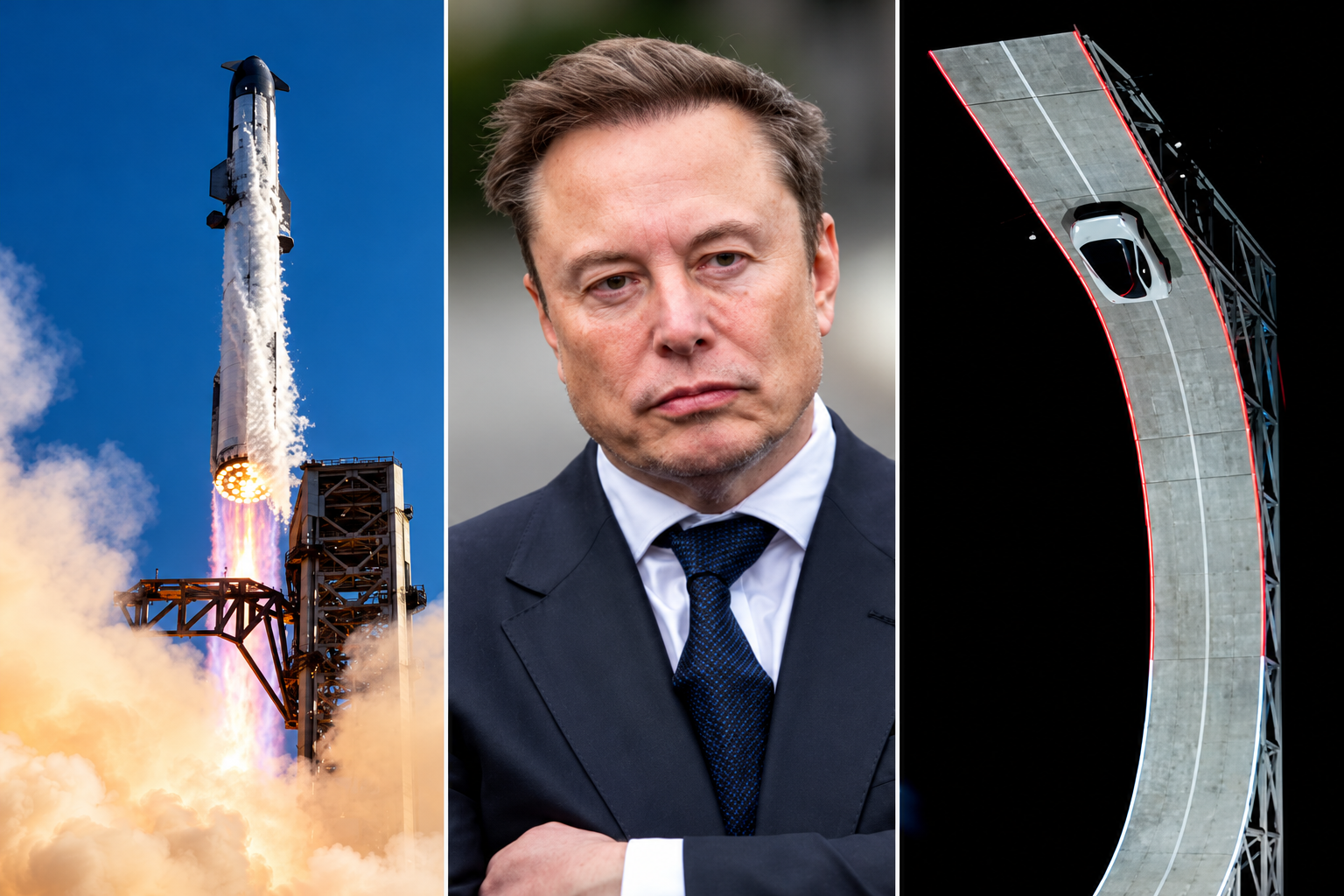
Elon Musk has engineered ties between Tesla TSLA 3.41%increase; up pointing triangle and SpaceX SPCX 7.79%increase; up pointing triangle that are hard to break, and now he wants to fuse them together permanently.
Musk has run both Tesla and SpaceX concurrently over the past two decades, using a schedule that dictated which days he spent focused on each business.
The companies have often shared resources and personnel, signaling their close ties. Last year, SpaceX looked into creating a spacesuit for Tesla’s humanoid robot Optimus, a person familiar with the matter said. Tesla last week showed off its new Roadster, a vehicle featuring SpaceX rocket thrusters that it hopes to soon bring to market.
And in recent months, Musk has repositioned both companies by expanding beyond their core operations toward a shared mission centered on artificial intelligence.
The world’s richest man on Tuesday signaled his interest in tying up SpaceX and Tesla, marking what would be the biggest corporate merger of all time. Because he serves as chief executive of SpaceX and Tesla, Musk said committees of independent directors at both companies are evaluating a possible deal, adding that a transaction might not come to fruition.
The committees will likely evaluate, with lawyers and bankers, how each company would fare in a potential deal and how a deal might best be structured. They then present their conclusions to their respective boards, who typically vote on whether to proceed.
“It’s an odd Kabuki dance where two groups of people are talking and I can’t be in the conversation,” Musk told SpaceX investors on Tuesday in response to an analyst’s question about a potential deal.
For Musk, the merger supports his vision of a world full of autonomous cars, humanoid robots and weekly rocket launches, as well as the data centers and satellites required to keep the whole thing running.
Some investors and analysts said they expect a transaction would be structured as an all-stock deal, with SpaceX potentially paying a modest premium for Tesla shares.
SpaceX, which has a market value of about $2 trillion, said it is seeing sharp growth in revenue across its businesses, which include operating data centers, launching rockets and operating satellite networks such as the internet service Starlink. Tesla is valued at about $1.5 trillion and is expanding its operations beyond its automotive and energy business. Shares in both companies traded higher following the news Tuesday.
Musk’s substantial ownership stakes in both companies, along with voting control at SpaceX, has enabled him to set the deal in motion. Analysts and investors said the deal will probably face regulatory scrutiny internationally, though some see Musk’s close relationship with the Trump administration as an asset to getting approval.
Blurred lines
The companies haven’t said which directors are on the special committees evaluating a potential deal. Several SpaceX and Tesla board members have either personal or business ties to Musk. And like Musk, venture capitalist Ira Ehrenpreis sits on both boards.
In a filing this week, Tesla outlined millions of dollars in business agreements with SpaceX and its subsidiaries last year, including $143 million in car sales to SpaceX, $3.3 million in advertising that it bought on the social-media platform X and $430 million in revenue from the sale of Megapack batteries for SpaceX’s data centers.
The companies also split the cost of resources including the use of Musk’s SpaceX jet and the bill for his personal security, which he runs through a private company.
Employees at both companies routinely move between companies to work on special projects, and some executives have dual roles, including Charles Kuehmann, vice president of materials engineering at both SpaceX and Tesla, and Ashok Elluswamy, the vice president of AI software at Tesla who runs a joint venture with SpaceX called Digital Optimus.
Over the years, Musk has launched new startups within his empire, including brain-implant company Neuralink, underground-tunnel developer the Boring Company and xAI, the AI startup that merged with SpaceX in February.
It is that AI business that Musk thinks can serve a market worth tens of trillions of dollars, justifying the need for a merger.
The business case goes like this: Tesla is developing robotaxis and robots, which it calls “physical AI.” SpaceX is working on the back end of physical AI: the data-center capacity and internet connection required for those robotaxis and robots to operate continuously.
“I don’t see what the value of Tesla is if it’s not merged with SpaceX,” said investment adviser Ross Gerber, a former Tesla bull turned critic invested in both companies. “If they don’t merge, the brains of everything that runs Tesla is owned by another company.”
On top of it all, both companies face constraints on the supply chains they need to make this world a reality, particularly when it comes to chips. To address this, Musk earlier this year announced a joint venture between Tesla, SpaceX and Intel to design and manufacture chips in Texas. “The most epic chip-building exercise by far,” he has said.
Musk at the wheel
For Musk, a merger would also solve two problems: demands on his attention and his lack of control at Tesla.
Tesla for years was Musk’s only public company, a status that came with greater scrutiny. There, Musk reports to a public board, as well as individual investors who make up around 30% of Tesla’s voting power, according to FactSet.
The question of Musk’s attention became a particular focus for investors and the board in recent years after he acquired Twitter in 2022 and launched xAI in 2023, and again in 2025 as he spent time in Washington, D.C., running the Department of Government Efficiency in the early months of President Trump’s second term.
As Tesla’s car business suffered in 2025, Musk threatened to take his AI ambitions outside the company if he wasn’t granted 25% voting control. Last November, Tesla shareholders approved a new pay package for Musk, which created a path for him to vastly expand his stake.
As of Sept. 30, Musk owned a roughly 20% stake in Tesla, according to the company’s proxy filing.
The SpaceX IPO gave Musk a different path. When SpaceX went public in June, the deal’s structure enabled him to have more than 80% voting power at the company—so much that he can’t be fired and decisions can’t be made without his support.
If SpaceX acquires Tesla, he will likely stay in control.

From elevated skincare to handcrafted home pieces, this year’s most thoughtful gifts go beyond the expected.

Parts for iPhones to cost more owing to surging demand from AI companies.


