Inflation set to level out in 2023 – but more interest rate pain likely
Mortgage holders should brace themselves for another hip pocket hit when the RBA meets next month
 2 min
2 min
Australian mortgage holders should prepare themselves for more pain this year, with experts predicting another interest rate rise when the RBA meets next month.
The Big Four banks expect the RBA to raise the cash rate by at least another 25 basis points, which would mark the ninth consecutive rise since May last year, and the highest peak since 1990 at 3.35 percent.
The Reserve Bank has been raising the cash rate in a bid to combat rising inflation, which currently sits at 7.8 percent, the highest level since 1990. The Australian Bureau of Statistics points to more expensive domestic holidays, international travel and higher energy prices as some of the key drivers.
While some have expressed concern that further interest rate rises could be enough to push Australia into a recession, head of research at CoreLogic, Eliza Owen, says there’s not too much cause for alarm just yet.
In the CoreLogic Property Pulse Report released this week, she points out that the RBA predicted inflation would peak at 8 percent this year and that the signs of a coming decline in the rate of inflation are already there.
“Underlying core inflation (the RBA’s preferred reading on inflation), which is measured by trimming excessively volatile components of CPI, actually fell in the quarter, from 1.9 percent in September to 1.7 percent,” she said in the report.
“Annual core inflation is still a long way from the 2 to 3 percent target range set by the RBA, at 6.9%. However, December marked the first fall in quarterly core inflation since March 2021, following eight consecutive interest rate rises from May 2022.”
The result, she said, is that inflation may have already peaked.
“Inflation across the combined OECD slowed to 1.8 percent in the September 2022 quarter, after peaking at 2.1 percent through June,” she said. “Forecasts from the OECD also suggest a fall in inflation through 2023 across most major economies, as global economic demand starts to slow.”
This includes Australia’s major trading partners such as China, Germany, Japan and the US.
In better news for those looking to renovate or build this year, the report also says that housing metrics indicate the rate of growth in new build costs is slowing.
“December CPI figures showed housing costs were still up a substantial 1.9% in the quarter, but this was down from a 3.2% lift in the three months to September,” Ms Owen said.

From making unpopular decisions to learning when to listen, leaders from five businesses reveal what nobody prepared them for — and how running a company has challenged their expectations.

Technology and semiconductor shares fell sharply as investors questioned the debt financing the AI infrastructure boom and confronted higher rates and Chinese competition.
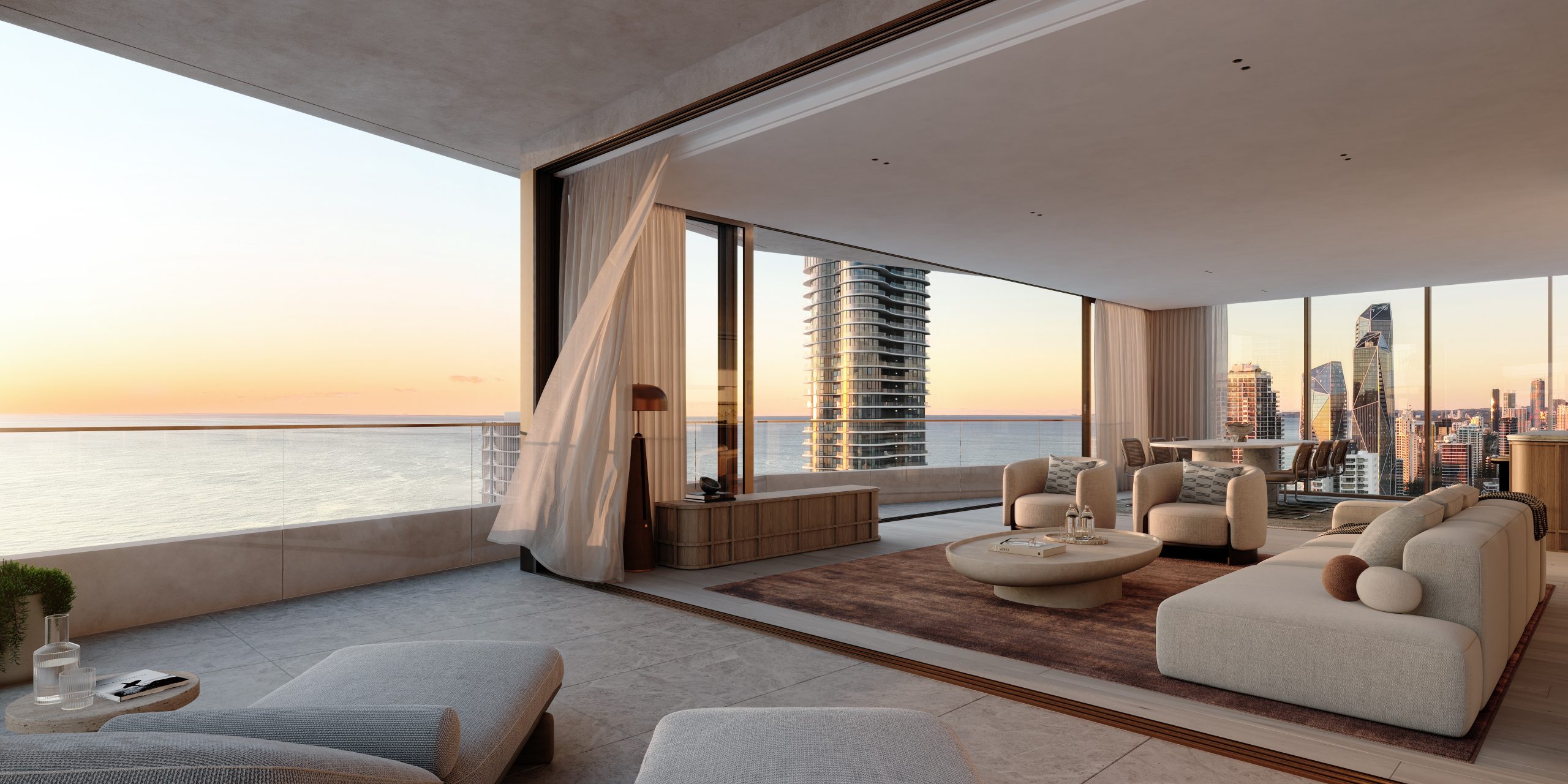
Mirvac’s 45-level Trielle has topped out at Yarra’s Edge, pairing riverfront apartments with wellness facilities, private dining and resident services.
3 min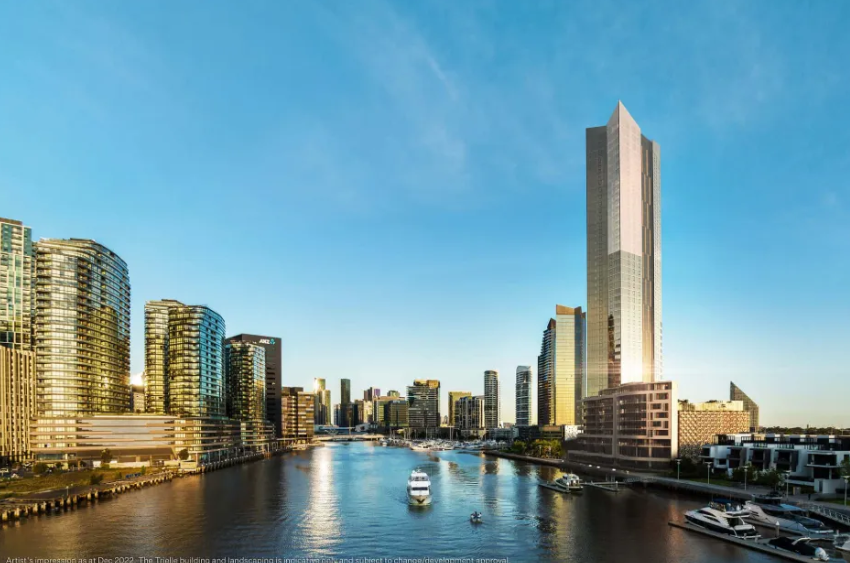
Mirvac has topped out Trielle at Melbourne’s Yarra’s Edge, with more than 70 per cent of the riverfront development sold and approximately 80 per cent of purchasers intending to make their apartment a home.
The figures, released on September 22, point to an owner-occupier audience for one of the precinct’s final residential towers. Mirvac began developing Yarra’s Edge in 2003, and its latest addition occupies one of the remaining absolute riverfront sites.
Mirvac CEO of Development Stuart Penklis said existing residents were among those moving up within the neighbourhood.
“Many purchasers already have a connection to Yarra’s Edge,” Mr Penklis said, describing buyers whose changing needs were encouraging an upgrade within the precinct.
“As one of the final residential towers within Yarra’s Edge, Trielle represents the culmination of more than two decades of creating one of Melbourne’s most established and sought-after waterfront communities,” Penklis said.
“Positioned on the Collins Street axis with absolute river frontage, Trielle offers residents a rare opportunity to enjoy sweeping views across the Yarra River, Melbourne skyline and Port Phillip Bay, while remaining seamlessly connected to the CBD. With Trielle now more than 70 per cent sold, we’re continuing to see strong demand from buyers seeking quality homes in established locations.”
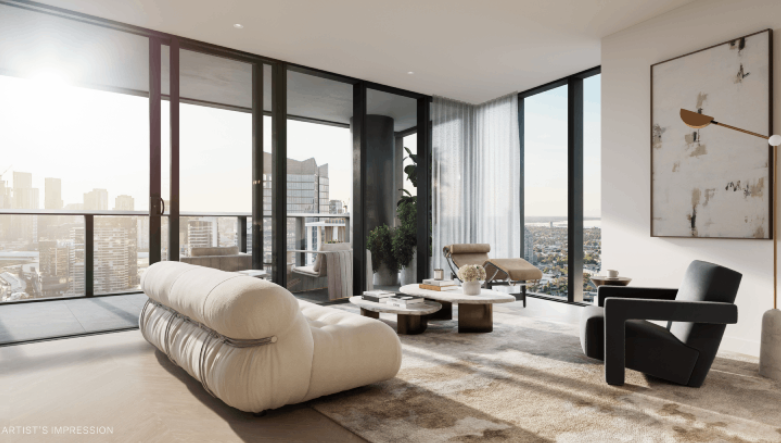
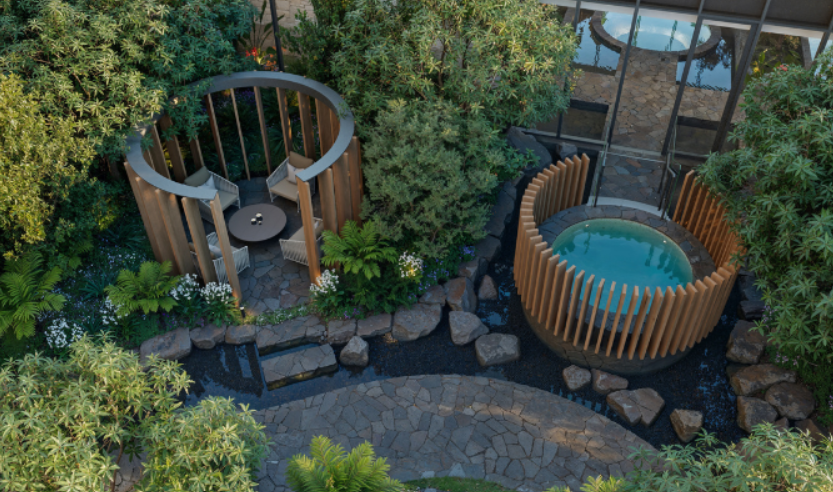
The developer also flagged a penthouse and sub-penthouse collection with larger layouts, premium finishes and broad outlooks. The planned wellness centrepiece, The Oasis, encompasses a 900-square-metre elevated urban rainforest.
Mirvac General Manager Residential Development Victoria Elysa Anderson said Trielle had resonated strongly with buyers seeking a rare lifestyle offering in Melbourne.
“Opportunities to secure a new luxury residence on a riverfront site of this calibre are incredibly rare, particularly within a community like Yarra’s Edge,” Anderson said.
“What makes Trielle unique is the combination of exceptional views, world-class residential facilities and the lifestyle that already exists around it. Residents are buying into a mature waterfront community with parks, promenades, dining, wellness and strong community connections already in place.”
The 45-level tower brings a substantial new presence to that waterfront. Its residential offering spans one-, two-, three- and four-bedroom apartments, with Signature, Prestige and Sub-Penthouse collections accommodating different household sizes. The north-facing position connects the apartments visually to the river and city beyond.
Seven storeys above the promenade, the planned Oasis combines planting and a running stream with a Scandinavian-inspired wellness club developed with spa specialist Naomi Gregory. Facilities include a 25-metre lap pool, hot magnesium pool, sauna, hydrotherapy, a gym, yoga and Pilates room, and treatment spaces.
The amenity extends beyond exercise. Residents will have access to The Biblioteca library and workspaces, ground-floor work pods, and The Salone piano lounge. A private Chef’s Table dining room offers a setting for larger gatherings, while a cinema, games room and sports lounge broaden the entertaining options. Concierge services and a dog-wash area support everyday routines.
Trielle comprises a collection of one, two, three and four-bedroom residences. Reflecting strong demand from owner occupiers, approximately 80 per cent of purchasers to date intend to live in their homes, highlighting the project’s appeal to those seeking a long-term waterfront lifestyle.
Mirvac has recently delivered The Albertine, a premium apartment development on the edge of Melbourne’s CBD, and is nearing completion of Prince & Parade in Brunswick, further strengthening its portfolio of thoughtfully designed apartment communities in some of Melbourne’s most sought-after urban locations.
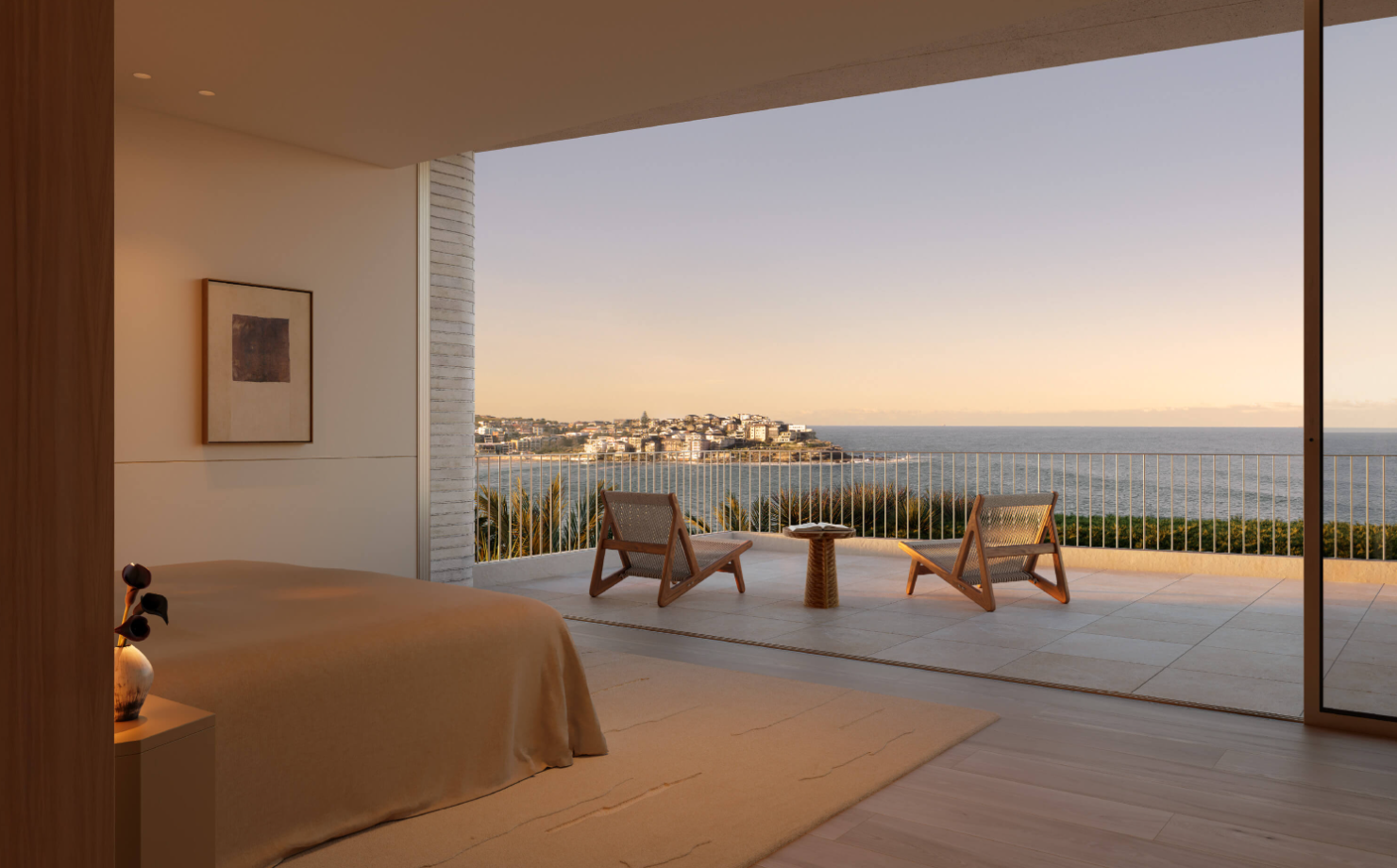
For Central Element, the start of work at Pearl represents another step in the company’s growing eastern suburbs pipeline.
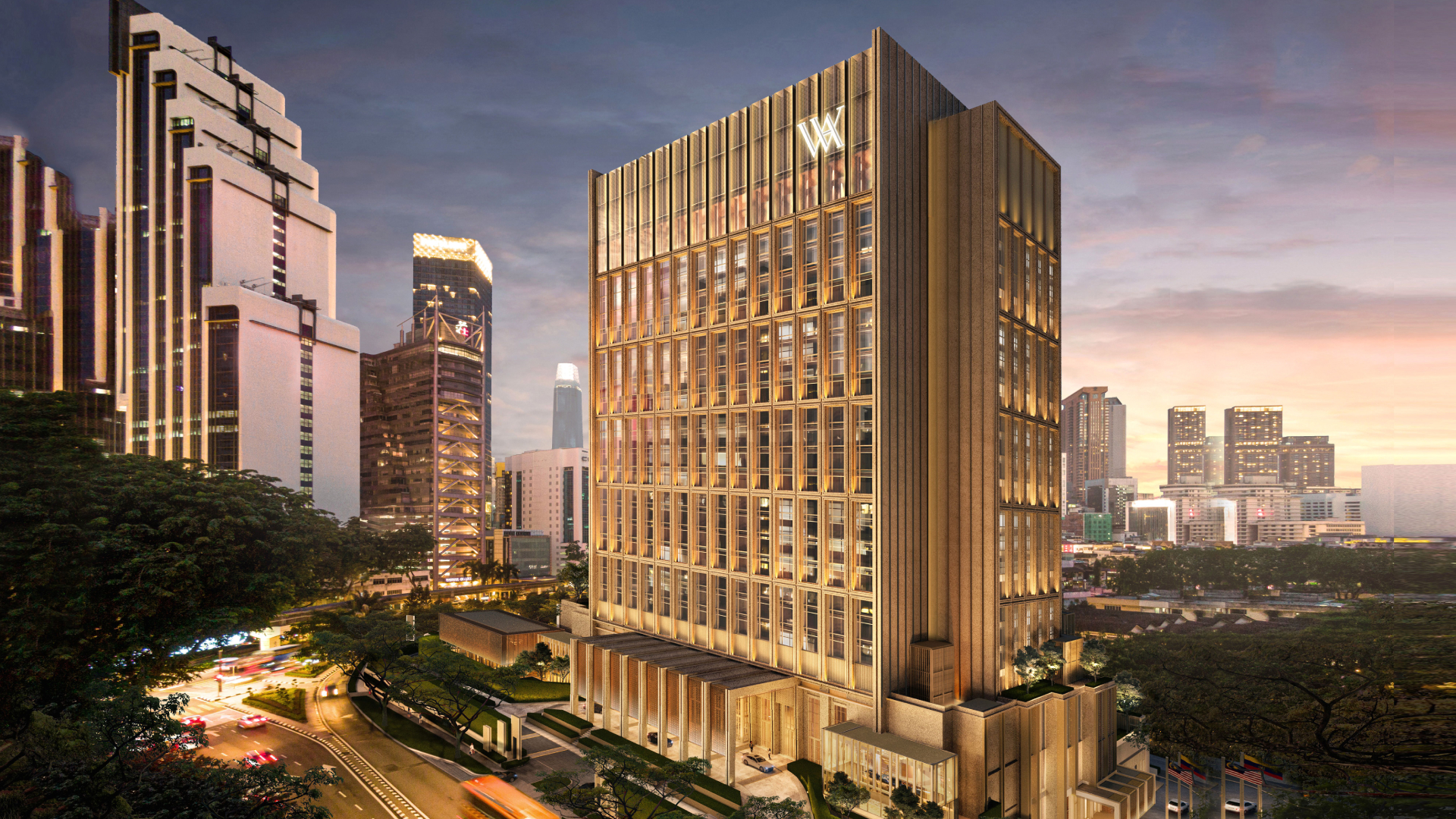
Waldorf Astoria Kuala Lumpur is scheduled to open on 30 October, introducing the Hilton luxury brand to Malaysia with an all-suite hotel in the city’s Golden Triangle.