Britain Is Getting Back on Track
Successes in Ukraine and the Pacific and Rishi Sunak’s leadership shore up standing lost to Brexit and Covid.

 3 min
3 min
War in Europe, crisis in the Middle East, growing tensions across East Asia, and a widening chasm between a beleaguered West and the Global South: Writing a Global View column in times like these is not always the happiest of tasks. But at least one good-news story has been building quietly over the last few months. Global Britain is becoming a reality and the world is better off because of it.
The world has changed since the British voted to leave the European Union in 2016. After Brexit, enthusiastic backers expected an aggressively deregulating Britain would become a kind of Singapore-on-Thames. Russian oligarchs, Chinese moguls and Arab oil sheikhs would flock to London, eager to enjoy a sophisticated financial market that was less regulated and more hospitable than either the EU or the U.S. Free-trade agreements with the U.S. above all, but also fast-growing Asian nations, would more than compensate for the loss of the U.K.’s privileged position in the EU.
That’s not how things worked out, and the world is a much tougher place for middle powers than anyone expected when Brexit passed. Even as Covid disrupted the world economy and shut Britain’s lucrative tourism sector down, the open international economy of 2016 began to wither. Russia’s war in Ukraine and deepening U.S.-China tensions ended the dream that London could prosper as a neutral financial centre. Rising protectionism world-wide made trade agreements harder to reach and highlighted the importance of belonging to big trading blocs like the EU.
On top of this, a spat with the EU over the Northern Ireland Protocol, aimed at keeping the border with the Irish Republic open after Brexit, proved a much larger problem for Britain than Boris Johnson’s government anticipated. The details are fiendishly complicated, but in his rush to “get Brexit done,” Mr. Johnson signed an agreement with the EU that Unionist Protestants in Northern Ireland saw as weakening ties with Britain. The resulting tensions threatened the stability of the troubled region, and by the end of his premiership Mr. Johnson was threatening to break his own agreement with the EU. That stance infuriated Brussels and alienated an Irish-American named Joe Biden, killing any talk of a free-trade agreement between Britain and the U.S.
That’s not where things stand today. Building on foundations laid down in the Johnson era, Prime Minister Rishi Sunak has repaired relations with European partners and Washington even as Britain has carved out a significant place in Asia. Britain at long last may be finding a role.
Britain’s recent foreign-policy successes stand on two pillars. The first is Aukus, the agreement to work cooperatively with the U.S. to help Australia build a fleet of nuclear-powered submarines. The trust among these three countries enables a level of technological and economic cooperation that potentially extends far beyond the submarine program. With Britain moving toward membership in the Comprehensive and Progressive Agreement for Trans-Pacific Partnership (based on the Trans-Pacific Partnership that the U.S. helped negotiate but then refused to join), the U.K. has achieved a stronger presence than any European state in the fast-growing Indo-Pacific region.
Meanwhile, Britain’s unswerving support for Ukraine has put London back at the centre of European politics. Britain’s stance earned deep gratitude from Poland, the Baltic states, Sweden and Finland. That, along with Mr. Sunak’s more constructive approach toward Brussels, strengthened pro-British feelings inside the EU and helped pave the way for the major concessions on the Northern Ireland Protocol that enabled Mr. Sunak to forge the groundbreaking Windsor Framework. If the deal, announced last month, holds up, it would remove a major stumbling block in U.S.-U.K. relations.
The payoff could be substantial. Last week Sen. Chris Coons (D., Del.), a close Biden ally, introduced a bipartisan bill with John Thune (R., S.D.) authorising fast-track talks on a U.S.-U.K. free-trade agreement. The White House plans a Biden visit next month to commemorate the 25th anniversary of the Good Friday Agreement, which ended the violence in Northern Ireland. British negotiators hope for Britain’s eventual inclusion in tech talks between Washington and Brussels.
With an unpopular Tory government facing a revived, de-Corbynized Labour Party, and with inflation wreaking havoc on British living standards and touching off waves of strikes among public employees, foreign-policy success may not be enough to save the ruling Conservatives from the wrath of the voters. But it is likely to help, and if the Sunak government can continue to carve out a serious role for post-Brexit Britain in world politics, the next election could be a much closer affair than most forecasters currently predict.
Regardless, Americans should welcome Britain’s return to the high table of world politics. A stronger Britain means a healthier West, and given the otherwise grim state of world affairs, Washington can use all the help it can get.
 Copyright 2020, Dow Jones & Company, Inc. All Rights Reserved Worldwide. LEARN MORE





The Swiss watchmaker’s first collaboration with Atlassian Williams F1 Team produces two sporting Laureato models inspired by the team’s 2026 racing car.

Victorian auction buyers will soon receive a piece of information that has traditionally been withheld until bidding reaches it: the vendor’s reserve price. Under new property-sale and underquoting laws, agents must publish the agreed reserve at least seven days before an auction or fixed-date sale. Most changes begin on 1 October 2026 and apply to …
Continue reading “Victoria’s New Auction Rules Will Force Reserve Prices Into the Open”
From early financial mistakes to hard-earned habits, five high-performing leaders share how they spend, invest and think about wealth.
9 min
Five minutes doesn’t sound like much. But it’s enough time to tell whether someone really understands money or just talks about it. Because once the gloss is stripped away, what’s left is instinct. The early mistakes. The bad calls. The quiet pivots that no one brags about but shape everything that follows. Making money is one thing. Living with it, and not mishandling it, is another. Here, five executives talk about what they got wrong, what they’ve learned, and how they now actually spend, invest and think about wealth.
Andrew Raso: Founder, Online Marketing Gurus
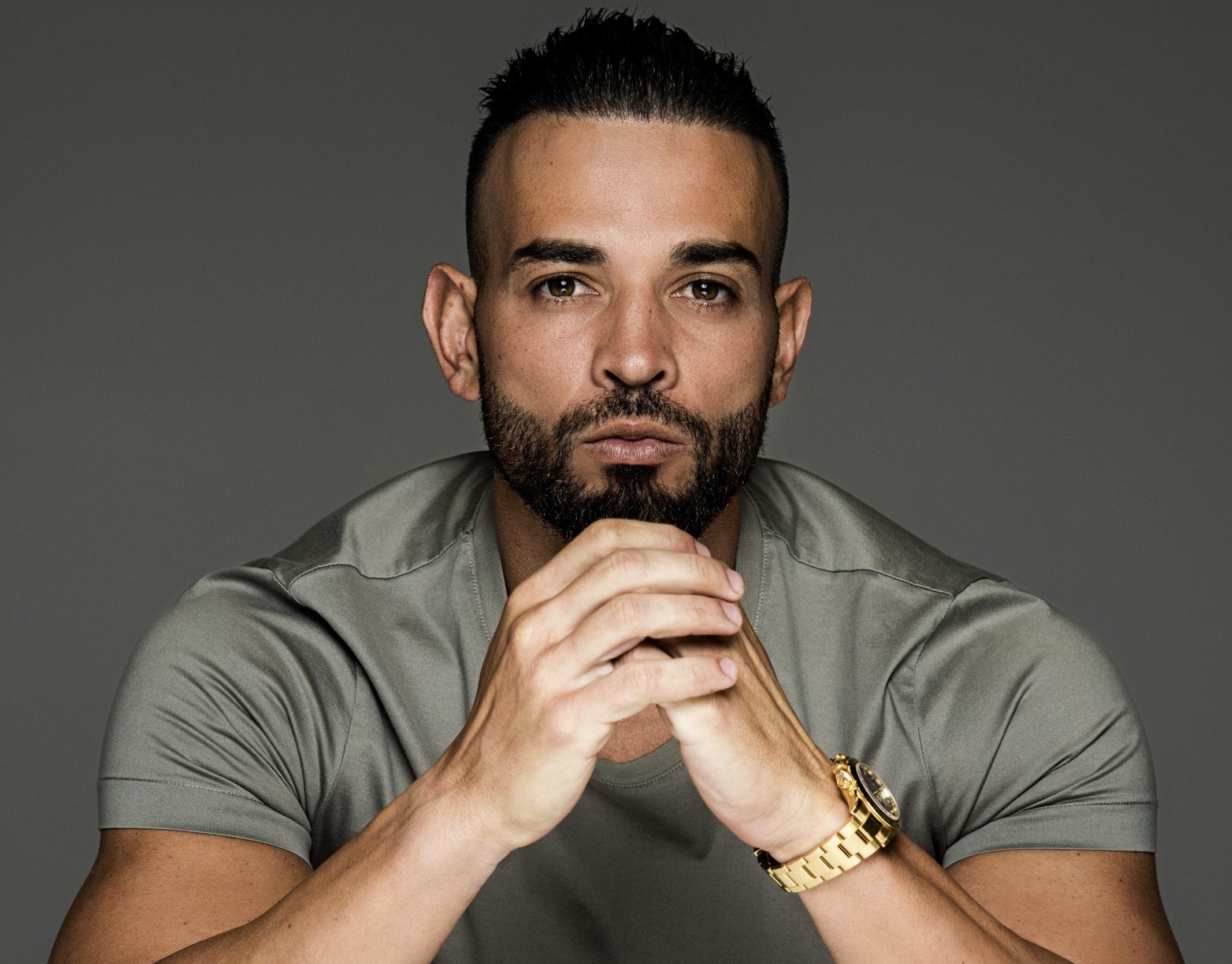
Self-made millionaire Andrew Raso grew up in an ethnic household with a father in construction. Investing was not a priority, he recalls.
The co-founder and CEO of Online Marketing Gurus, a digital marketing platform that generated more than $30 million in revenue in the 204/25 financial year, admits he’s had to learn about handling money as his wealth has grown.
“If I had my time again, I would change my spending habits and would probably be a lot more wealthy as a result,” the Sydneysider tells Kanebridge Quarterly.
Raso, in his mid-30s, says that his biggest lessons have come from his losses.
Buying the wrong property and copping the losses upon sale. Feeling FOMO when buying crypto and making a purchase that lost money.
“I’ve learned a lot from the errors that I’ve made,” he says.
Raso admits that he gets more of a thrill out of working than watching money hit his bank account.
“I’ve had the cars, I’ve had the property, I’ve had the watches. Once you’ve had them, they’re not that exciting, but the process of earning money is pretty cool.”
What he won’t forget is being $45 million in property debt a few years ago.
“I’d never want to be in that position again,” he says.
“My investing strategy is a lot safer these days. I’m very cautious. I’d prefer to invest in things that don’t take as long to be realised so my family can be financially secure.
“Once you have a house paid off and a few investments, it then becomes about enjoying your money, rather than hoarding it. Giving back gives me a much bigger kick than spending these days.”
Daniel Wessels: CEO, Jacaranda Finance
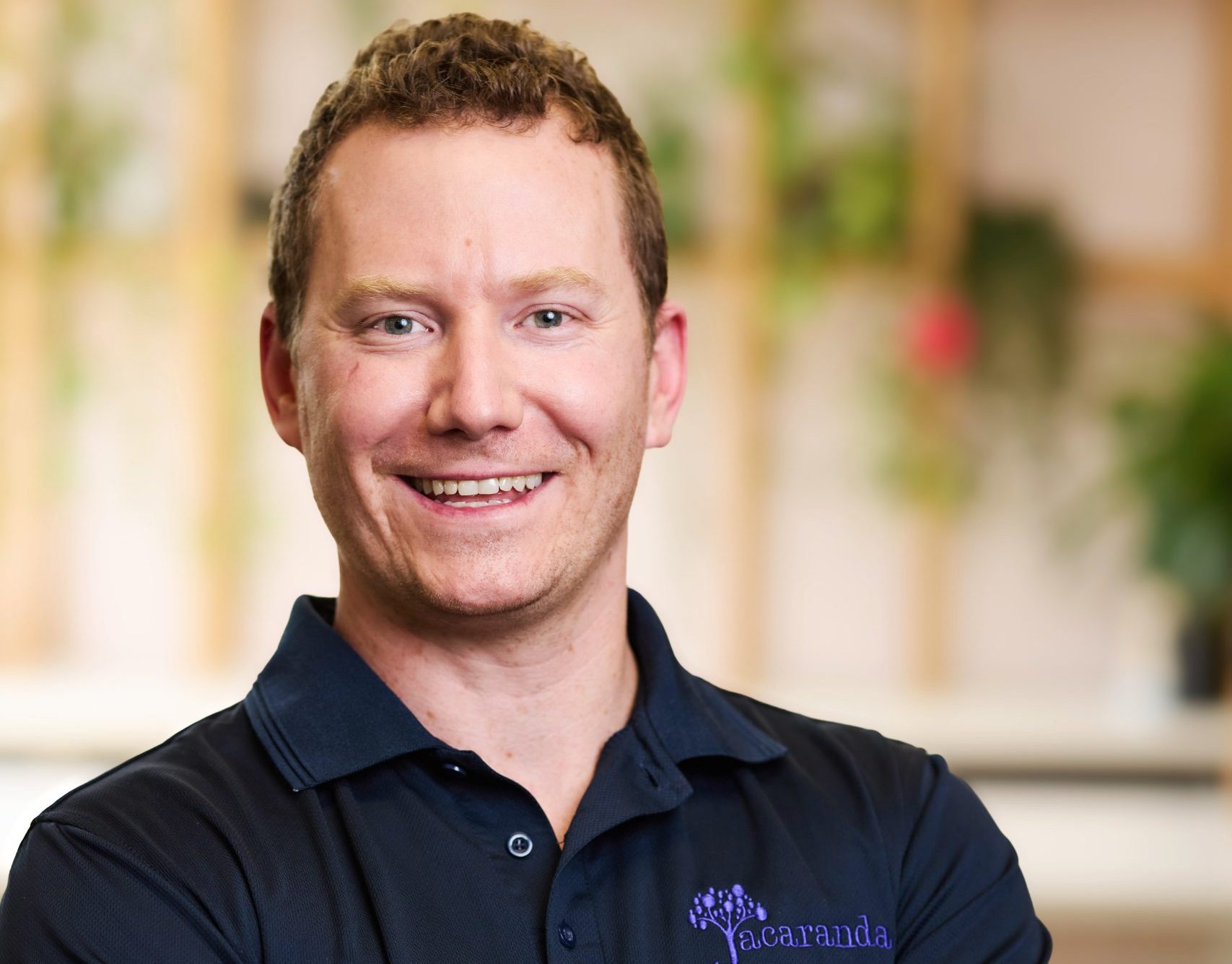
Fintech founder Daniel Wessels knows only too well that money remains a taboo topic in Australia with many people.
He points to consumer surveys that reveal people are more likely to talk about their sex life with friends than their finances.
It’s a major concern for the man who founded Jacaranda Finance in 2013, which has helped countless people lift their credit scores and get their finances back on track.
“If people aren’t learning money habits at school and they aren’t discussing it with their friends, learning new strategies and better habits is difficult,” says Wessels, who is based in Brisbane.
He wants to see more people take the time to proactively understand where and why they are spending money.
“Everyone needs to have a financial strategy and a plan to measure if it’s working,” he says.
The father of two young children admits his week can be pretty fast-paced. Pomodoro clocks, sleep optimisation techniques and saying ‘no’ keep him on task during the week.
“I used to think I was fairly decent at managing time, but the whole game changed when we had kids,” he says.
“Now, I’ve got to get out of the house at a certain time and leave the office at a certain time for daycare pickup. I’ve got to be really specific about my tasks to maximise my week.”
Before he had a family, he loved heading out to one of the trendy new restaurants popping up in Brisbane.
But that happens less these days. He’s saving to build his forever home but admits that price rises have resulted in rising costs.
“It’s such a big project with so many variables that change quickly,” he says.
These days, Wessels likes to optimise his professional and personal life. “With only a finite amount of money, time and energy, you’ve got to be really good at deciding what you want to be good at,” he says.
He calls this ruthless prioritisation. He has a very specific focus on activities that prioritise health and wealth, adding experiences into the mix more recently. This has meant the addition of micro-holidays to his annual calendar.
Wessels works with a couple of financial advisers. That said, he also does his own due diligence before agreeing to investments.
“One likes private equity investments that pay cash every month and another prefers to focus on the NASDAQ Stock Exchange for buying shares because he’s bullish about that.” he says. “They’re each experts and really good at what they do.”
Jim Penman: CEO, Jim’s Group
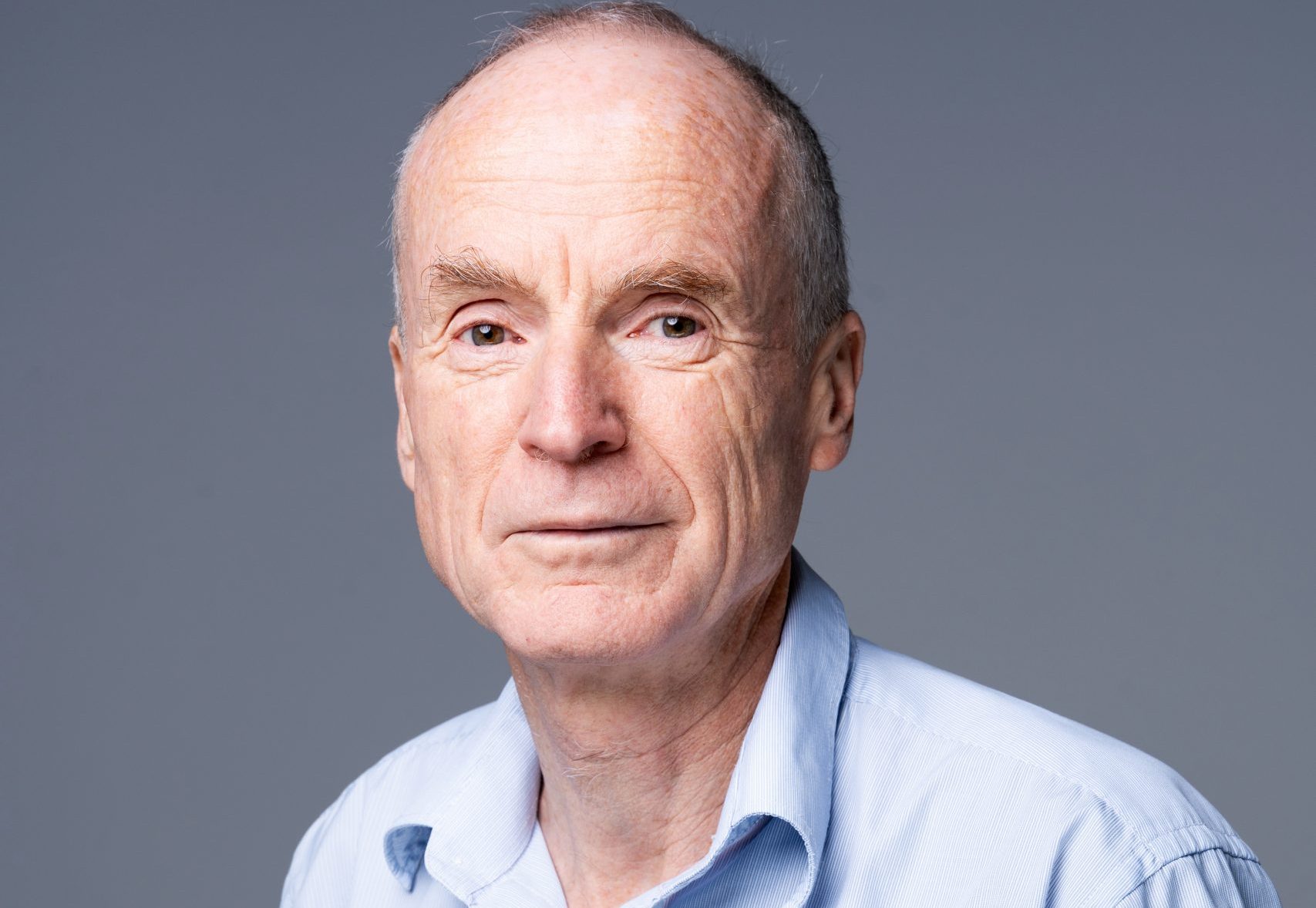
He may have invested a lifetime building a franchise juggernaut that is reportedly a $1 billion a year empire, but Jim Penman insists he’s a frugal guy who prefers to spend time planting a tree in his garden than contemplating his wealth.
What started out as Jim’s Mowing back in 1989 became Jim’s Group. Today, there are 5,700 franchisees across Australia and New Zealand in the business that has become ubiquitous for being the local handyman company that households could rely on.
He may have built a successful business empire, but the Melburnian insists he’s stingy when it comes to money.
“I wear my clothes even today until they wear out. I’ve always had a very lean and mean attitude. I live a simple life. My personal needs are very modest and my finances are simple,” he says. Jim reveals he’s usually in his garden these days and rarely eats out or takes holidays.
He is also running for state politics in the November Victorian election.
“I’m not particularly money focused. I could tweak the franchise contract to put more fees in and double my profitability, but that’s not my goal or my aim. To be honest, I often make decisions that go against my financial self-interest,” he says.
Jim purchased his first brand new car three years ago, opting for an electric Volvo.
“Being rich is not my aim and it never has been. People think I’m a lot richer than I am. They think I’m a billionaire, which is kind of ridiculous,” he says.
In fact, he insists he carries debt, which is common for anyone in business. “If I wanted, I could pay it off in 18 months.”
While his competitors were spending on fancy office space, Penman was running his franchise from his basement, keeping business costs low. “When I started out, I didn’t have any concept of how big this business could be. But there has never been a plan to grow franchisee numbers.
“Our attrition rate is far more important, and how to reduce complaint rates and drive more enquiries through new software.”
He believes people these days worry too much about impressing others, which leads to spending on superficial things.
“I would rather than offer people advice on how to be happy, rather than how to become rich. It’s important to have a good income so you can support yourself. But life is more about purpose.”
Jim doesn’t bother with stocks or bonds. He only invests in his own business. “My rate of return on my business is substantial. I could buy back a regional franchise when they come on the market and get a 20-25 per cent annual rate of return, plus capital gains. There’s nothing like that available in the investment space.”
Nicola Beswick: Founder, White Rabbit Advisory
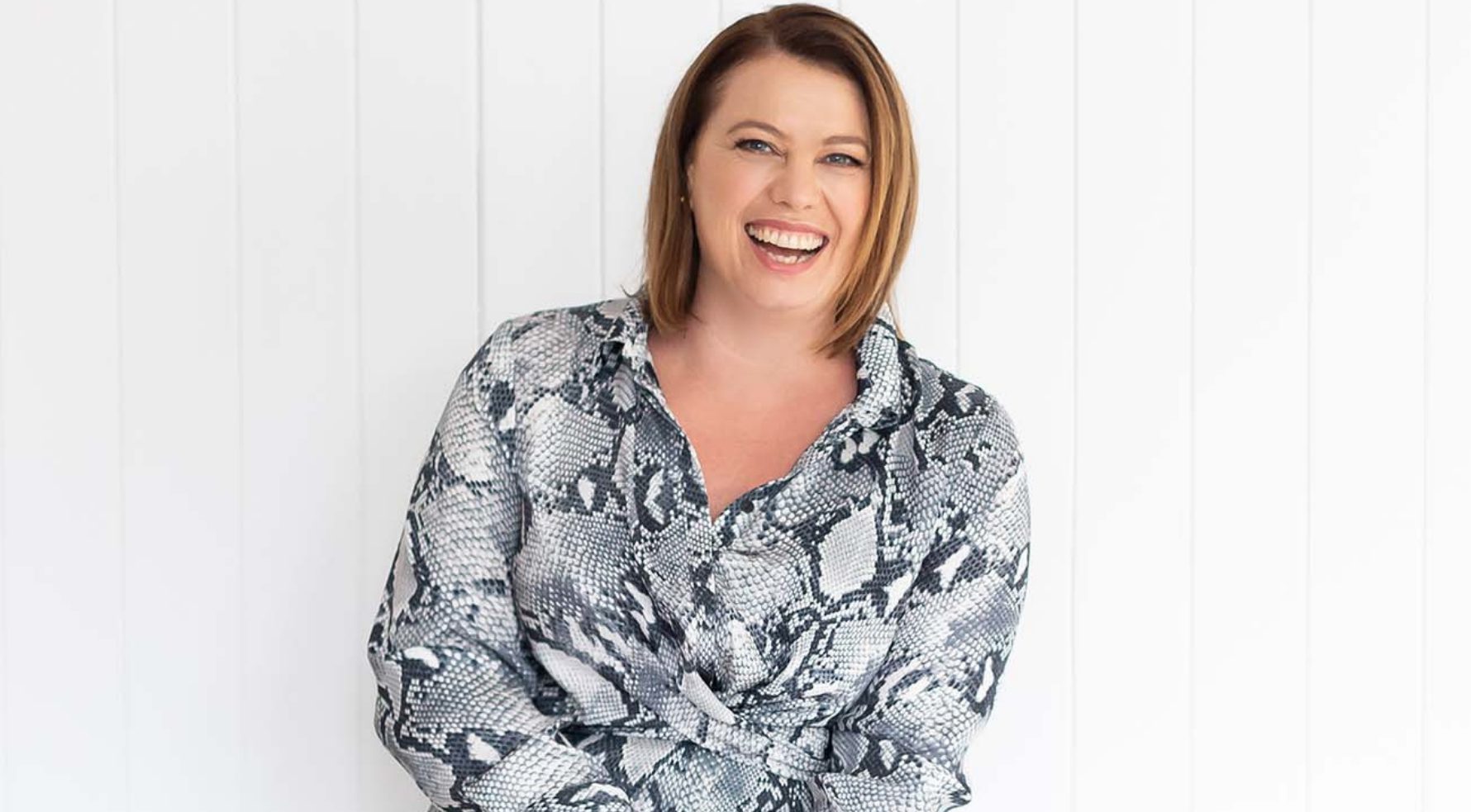
Rabbit Advisory founder.
A clothing allowance provided by her parents and then a part-time job during high school was the first taste of financial freedom for Nicola Beswick.
She quickly became a spender rather than saver, but she’s changed her tune over the years.
The founder of financial advice firm White Rabbit Advisory left behind a successful career in intellectual property law a year ago to become a financial adviser because she realised the potential that financial education could have on someone’s life.
Her journey began after coming across the book Rich Dad Poor Dad some years ago, which opened her eyes to the power that money could have on her life. This marked a time when she became serious about her finances.
“Financial education and investing over time can have a huge impact on a person, and that book got me thinking about money and financial education in the first place,” she says.
Nicola says years ago, her father was diagnosed with multiple sclerosis. When dealing with the devastating news and an uncertain future, her father discovered he was eligible to receive an income protection payout.
“This was the stone that rippled his pond and mine. A new complex world of finance opened up and I discovered my calling – helping people plan for a financially secure future.”
She hasn’t looked back. “Commercial law was very transactional. I don’t regret quitting at all. I’m much happier now helping people get their finances in order. Financial planning helps people change their lives. That was a really big driver for me.”
The Melburnian admits she’s learned plenty of lessons along the way as she embarks on the process of building wealth. She uses superannuation as an investment vehicle, favouring its tax advantages.
“I also built a nest egg outside of super, because you never know when the rules will change,” she says.
She prefers to set a financial goal and save up for something specific over time than rush out and make a purchase.
“It’s a really powerful thing to wait before making a purchase,” she says.
Her current financial goals involve renovating her heritage-listed home. “We will keep the façade and gut it to rebuild. That’s a major expense for us on the horizon.”
While holidays are rare, she will spend on overseas trips on occasion. “I’m terrible at taking time off. I’m always working.”
Sam Riley: CEO, Drova
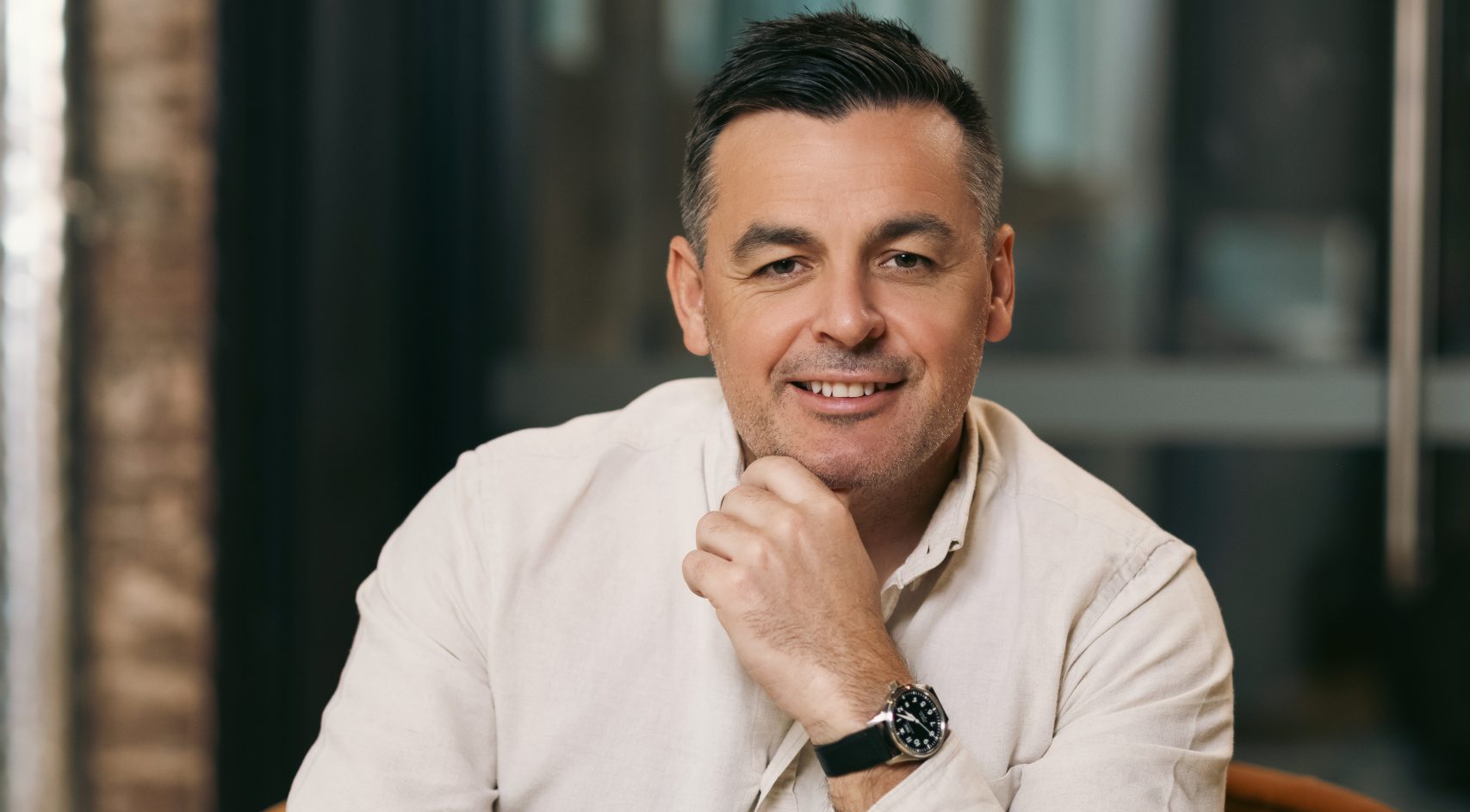
Sam Riley was in his 20s when he set out to amass enough money to be able to retire by the age of 40 if he wanted to.
“The goal was always to be doing something by 40 that kept me engaged enough that I didn’t actually want to retire because I was happy,” he says.
An entrepreneur at heart, Sam started a juice and espresso bar when he was 21, which didn’t work out. His next venture was a technology business, Ansarada, an ASX-listed company he ultimately sold nearly two years ago for $250 million.
The sale set him up for life, but he’s not one to rest on his laurels, launching into the complex world of artificial ntelligence with his next technology play, a company called Drova.
The technology startup simplifies risk, compliance and resilience for small businesses. Sam believes it’s got potential to become a tech juggernaut in time.
Having early financial success has meant he has the luxury of slow mornings and working in short bursts throughout the day, problem solving, experimenting with what works and figuring out how to harness AI.
“I favour a more sustainable approach to working these days. More frequent breaks. Making sure not to deteriorate my capacity,” he says.
It was a hard slog. He admits he touched the fringes of serious burnout when he was younger, which he works hard to avoid these days.
“Every business venture has exposed a gap in my skills that I’ve worked to close. Whether that’s marketing or managing people, closing those gaps along the way is how you get more effective at generating wealth,” he says.
The secret to his success has been finding ways to bolster value in the corporate world, finding ways to bring more to the table. Sam admits he spends too much money on travel, food and niche vinyl audio equipment, like turntables. He prefers to invest in experiences rather than things.
But it can get expensive. Like a recent trip to Antarctica to stay in a lodge for a week. “The thing is I didn’t like having these experiences on my own, so I have to bring family or other people and then pay for them.”
Sam describes his investment portfolio as balanced. While he continues to invest in entrepreneurial ventures, he admits he has a safe foundational platform to his investment approach.
“Over the years, I’ve added a lot more dividend stocks and protective assets like gold and silver, and some index funds.
“When I was younger, I didn’t appreciate the value of being safe and boring in the investment world.”
He says a lot of his investments used to be leading edge and visionary. “Some of them work, and some of them don’t. I didn’t really have much balance in my portfolio. I still invest in entrepreneurial things, but am much more conscious of taking a more even-handed approach,” he says.
This article appeared in the Winter 26 issue of Kanebridge Quarterly, which you can buy here.

Sydney Children’s Hospitals Foundation CEO Kristina Keneally says Australia’s culture of large-scale philanthropy is becoming more sophisticated as Gold Dinner raises $75.5 million for children’s health, research and innovation.
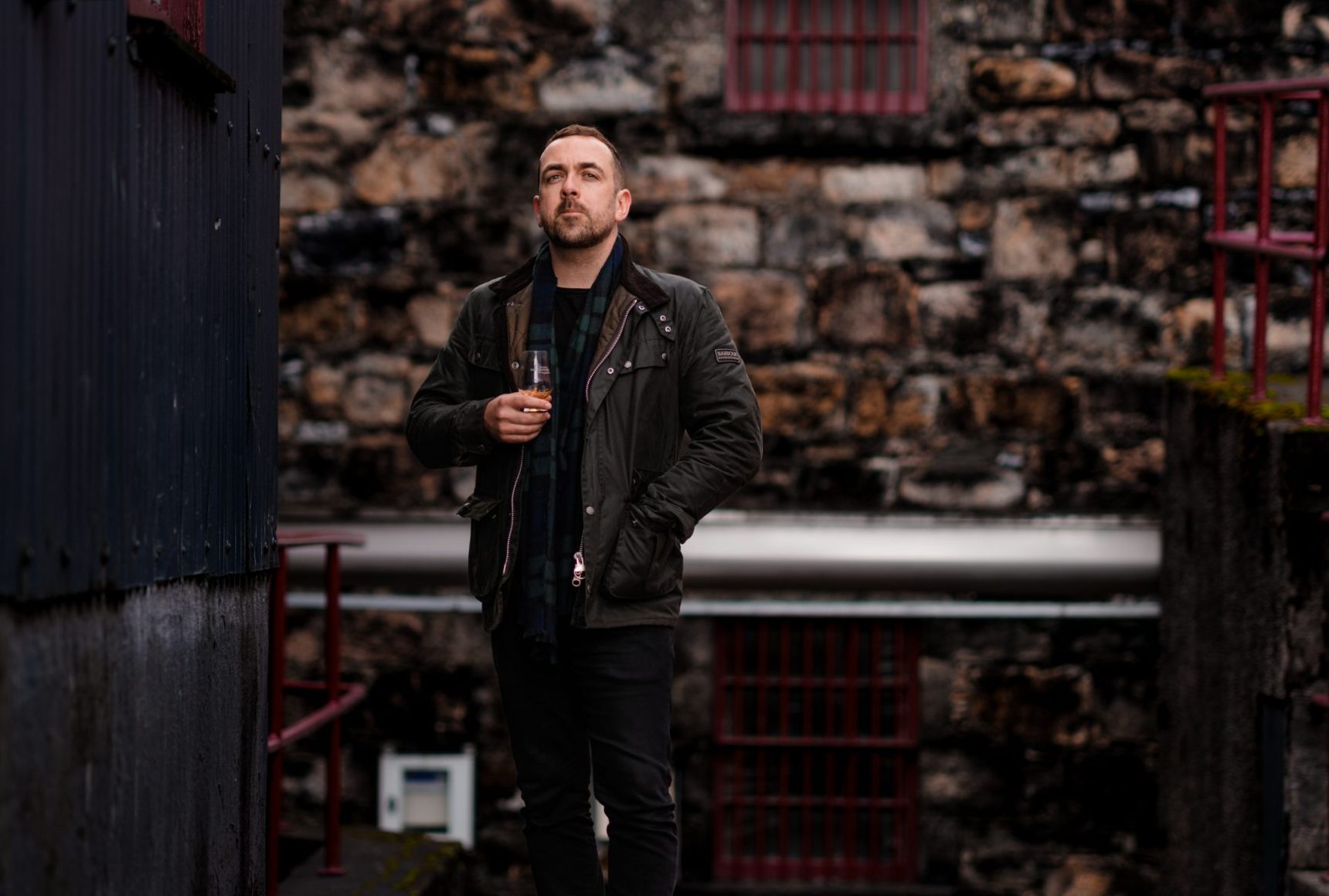
Scotch whisky expert, luxury hospitality strategist and Keeper of the Quaich inductee Ross Blainey is bringing a new philosophy of luxury experiences to Citizen Kanebridge.