China’s Country Garden Buys Time to Repay Debt—but Not Long
The property giant has a second chance to make an interest payment this week

 3 min
3 min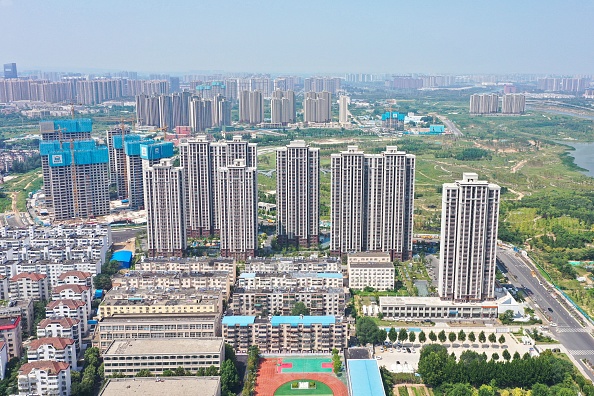
HONG KONG—China’s top surviving private developer bought more time to sort out its liquidity problems, giving investors hope that it will cobble together enough cash to avoid defaulting on its U.S. dollar bonds this week.
Country Garden Holdings on Friday said it got approval from investors in mainland China to extend the maturity date of $537 million in domestic bonds by three years. The yuan-denominated debt was originally due Monday. An offshore unit of the 31-year-old property giant separately made an interest payment of around $600,000 on a bond denominated in Malaysian ringgit on Monday, according to a person familiar with the matter.
The debt extension and bond payment created optimism that Country Garden can address a debt load that includes a range of foreign currency bonds—and a make-or-break interest payment this week.
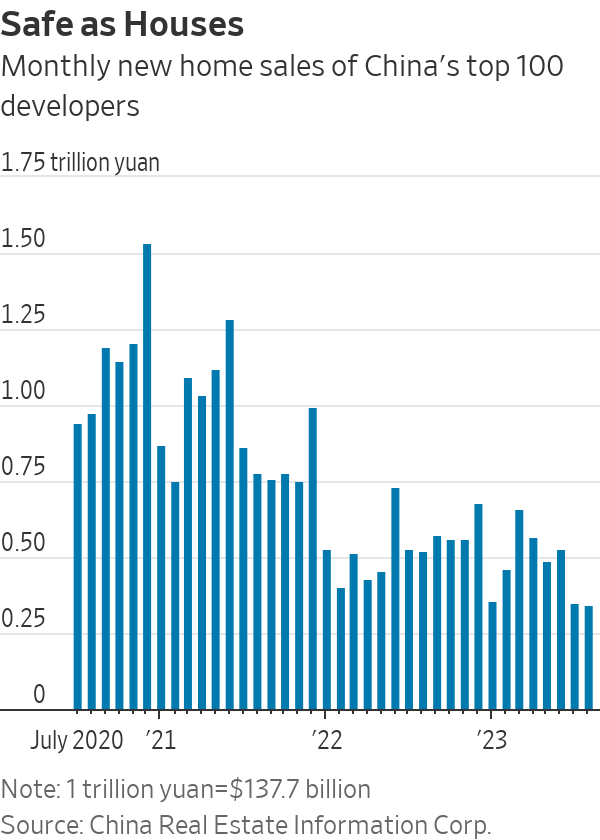
The developer’s Hong Kong-listed shares jumped 15% on Monday, closing at their highest level in about three weeks. Other Chinese property stocks also gained, while the broader Hang Seng Index rose 2.5%.
Country Garden’s bond prices also edged higher, although most of its dollar bonds remained below 10 cents on the dollar, levels that indicate a high probability of default.
Chinese authorities have taken more steps in recent days to shore up the country’s beleaguered housing market, where sales have declined for most of the last two years. Last Thursday, the People’s Bank of China lowered minimum down payments on first and second home purchases and told banks they can lower the rates on existing mortgages. Regulators also recently expanded the definition of a first-time home buyer, a category that comes with lower mortgage rates and smaller down payments.
The rule changes helped to draw more people to real estate showrooms over the weekend. Demand for new homes in Shanghai increased noticeably after the new measures were implemented, according to Chen Julan, a senior analyst with China Index Academy. In Beijing, some developers withdrew discounts and adjusted their prices slightly higher, the research firm said.
The new rules could give a temporary boost to home sales in about a dozen major cities, said Song Hongwei, a research director of Tongce Research Institute, which tracks and analyses China’s real-estate market. He said lower-tier, poorer cities may not reap similar benefits and predicted that the overall housing market will eventually weaken again.
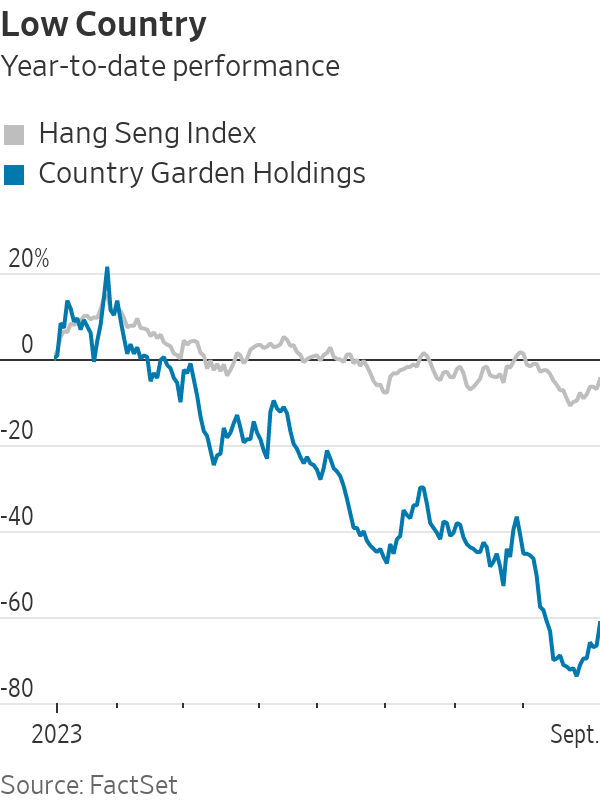
Country Garden’s recent cash crunch has largely been a result of slumping home sales in many parts of China. The company is one of the biggest surviving privately run developers and has a large presence in the country’s poorer regions. In August, it sold homes valued at a total of around $1.1 billion, almost three-quarters lower than a year earlier.
The company missed $22.5 million in coupon payments on bonds with a total face value of $1 billion in early August, and has a 30-day grace period to come up with the money. That grace period expires this week.
Even if it does pay the interest on its dollar bonds this week, it has many more coupon payments due in the coming months. Investors are skeptical that it can avoid default—unless its sales start growing again. Country Garden’s most recent financial report said that as of June 30, it had the equivalent of $15 billion in bonds, bank debt and other borrowings due within a year.
The company lost more than $7 billion in the first half of 2023, its worst financial performance since it went public in 2007, after its contracted sales for the period shrank 30%. Country Garden told investors it was “deeply remorseful” but said it was committed to turning things around.
China’s economy has struggled through much of this year, with falling exports, weak manufacturing and a slowdown in consumer spending all pointing to problems broader than a property slowdown. But cracks in the property sector, which was once seen as a major source of wealth creation in China, are exacerbating the broader economic malaise.
Chinese property developers’ falling property margins and weak sales will weigh on earnings until the end of next year, according to analysts at S&P Global Ratings. Not all developers will feel the same degree of pain. Those with links to the government or with good access to financing are better positioned to endure the fall in margins, the S&P analysts said in a note on Monday.
 Copyright 2020, Dow Jones & Company, Inc. All Rights Reserved Worldwide. LEARN MORE





From making unpopular decisions to learning when to listen, leaders from five businesses reveal what nobody prepared them for — and how running a company has challenged their expectations.

Technology and semiconductor shares fell sharply as investors questioned the debt financing the AI infrastructure boom and confronted higher rates and Chinese competition.

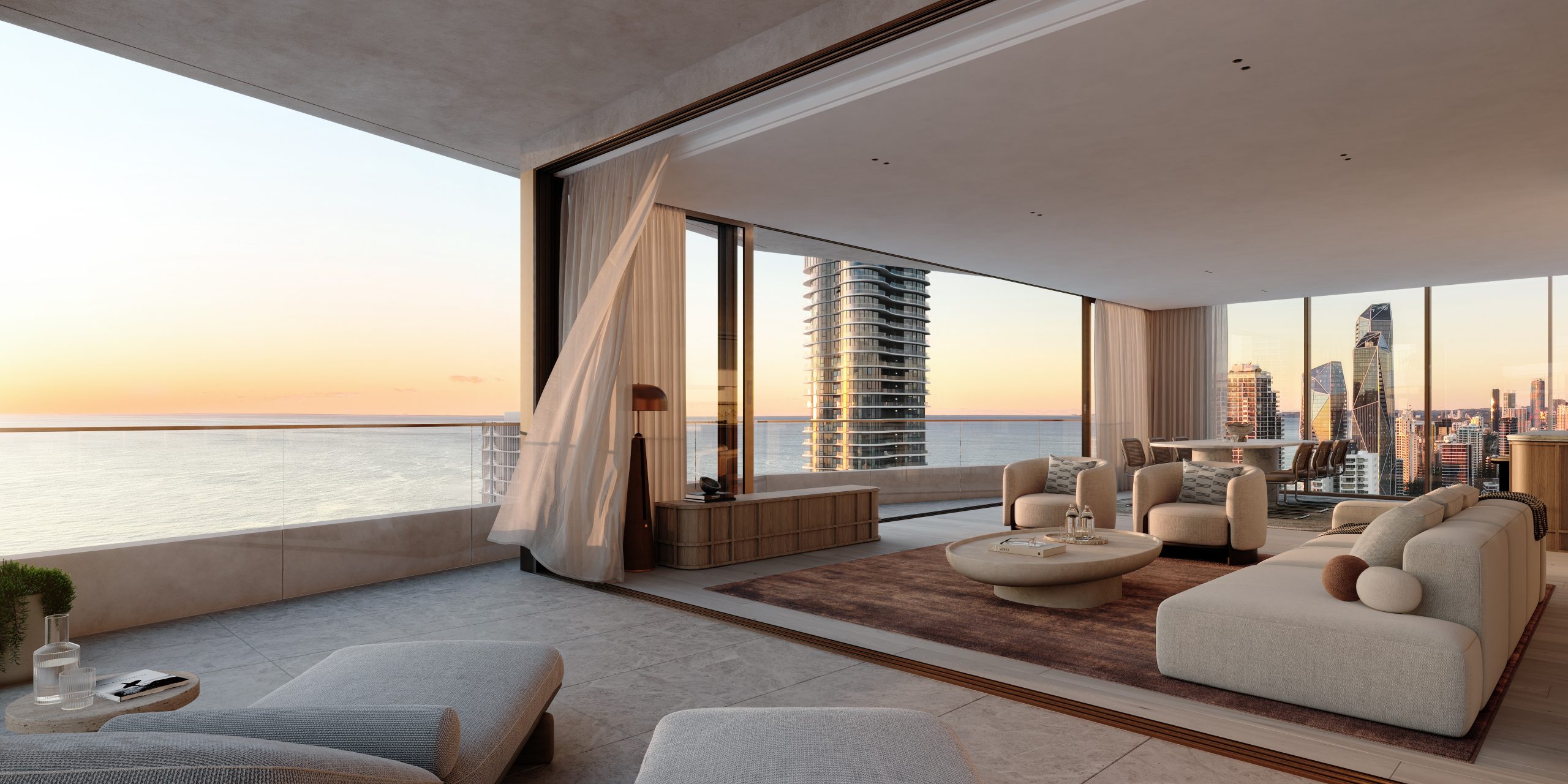
Mirvac’s 45-level Trielle has topped out at Yarra’s Edge, pairing riverfront apartments with wellness facilities, private dining and resident services.
3 min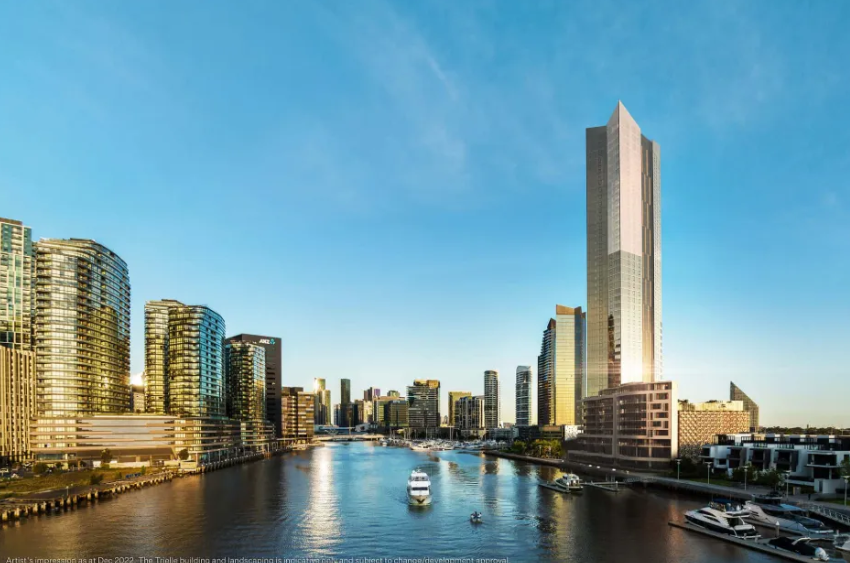
Mirvac has topped out Trielle at Melbourne’s Yarra’s Edge, with more than 70 per cent of the riverfront development sold and approximately 80 per cent of purchasers intending to make their apartment a home.
The figures, released on September 22, point to an owner-occupier audience for one of the precinct’s final residential towers. Mirvac began developing Yarra’s Edge in 2003, and its latest addition occupies one of the remaining absolute riverfront sites.
Mirvac CEO of Development Stuart Penklis said existing residents were among those moving up within the neighbourhood.
“Many purchasers already have a connection to Yarra’s Edge,” Mr Penklis said, describing buyers whose changing needs were encouraging an upgrade within the precinct.
“As one of the final residential towers within Yarra’s Edge, Trielle represents the culmination of more than two decades of creating one of Melbourne’s most established and sought-after waterfront communities,” Penklis said.
“Positioned on the Collins Street axis with absolute river frontage, Trielle offers residents a rare opportunity to enjoy sweeping views across the Yarra River, Melbourne skyline and Port Phillip Bay, while remaining seamlessly connected to the CBD. With Trielle now more than 70 per cent sold, we’re continuing to see strong demand from buyers seeking quality homes in established locations.”
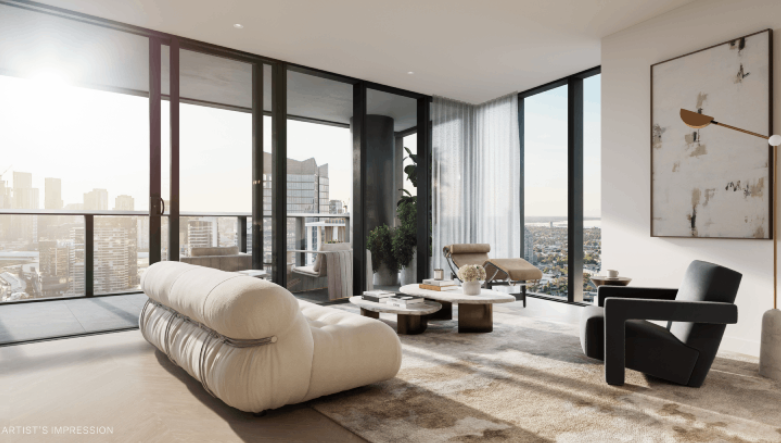
The developer also flagged a penthouse and sub-penthouse collection with larger layouts, premium finishes and broad outlooks. The planned wellness centrepiece, The Oasis, encompasses a 900-square-metre elevated urban rainforest.
Mirvac General Manager Residential Development Victoria Elysa Anderson said Trielle had resonated strongly with buyers seeking a rare lifestyle offering in Melbourne.
“Opportunities to secure a new luxury residence on a riverfront site of this calibre are incredibly rare, particularly within a community like Yarra’s Edge,” Anderson said.
“What makes Trielle unique is the combination of exceptional views, world-class residential facilities and the lifestyle that already exists around it. Residents are buying into a mature waterfront community with parks, promenades, dining, wellness and strong community connections already in place.”
The 45-level tower brings a substantial new presence to that waterfront. Its residential offering spans one-, two-, three- and four-bedroom apartments, with Signature, Prestige and Sub-Penthouse collections accommodating different household sizes. The north-facing position connects the apartments visually to the river and city beyond.
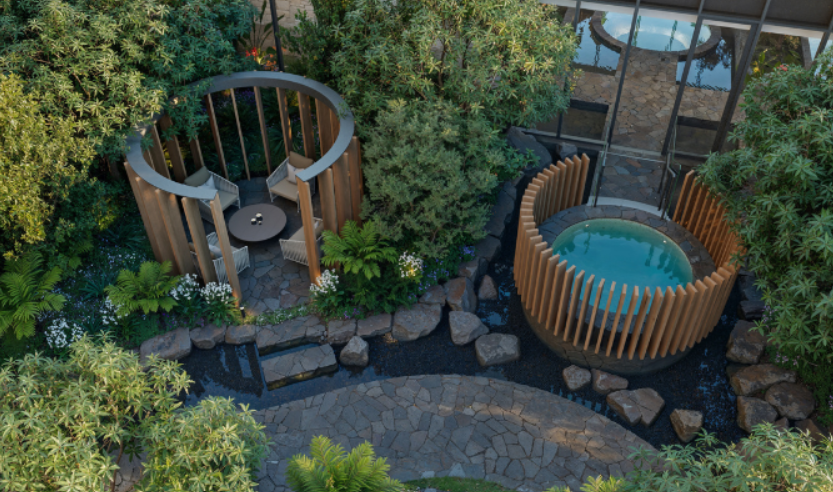
Seven storeys above the promenade, the planned Oasis combines planting and a running stream with a Scandinavian-inspired wellness club developed with spa specialist Naomi Gregory. Facilities include a 25-metre lap pool, hot magnesium pool, sauna, hydrotherapy, a gym, yoga and Pilates room, and treatment spaces.
The amenity extends beyond exercise. Residents will have access to The Biblioteca library and workspaces, ground-floor work pods, and The Salone piano lounge. A private Chef’s Table dining room offers a setting for larger gatherings, while a cinema, games room and sports lounge broaden the entertaining options. Concierge services and a dog-wash area support everyday routines.
Trielle comprises a collection of one, two, three and four-bedroom residences. Reflecting strong demand from owner occupiers, approximately 80 per cent of purchasers to date intend to live in their homes, highlighting the project’s appeal to those seeking a long-term waterfront lifestyle.
Mirvac has recently delivered The Albertine, a premium apartment development on the edge of Melbourne’s CBD, and is nearing completion of Prince & Parade in Brunswick, further strengthening its portfolio of thoughtfully designed apartment communities in some of Melbourne’s most sought-after urban locations.

From Tokyo backstreets to quiet coastal towns and off-grid cabins, top executives reveal where they holiday and why stepping away makes the grind worthwhile.

Many of the most-important events have slipped from our collective memories. But their impacts live on.