Away From the Beach Parties, Ibiza’s Inland Villas Are All the Rave

 4 min
4 min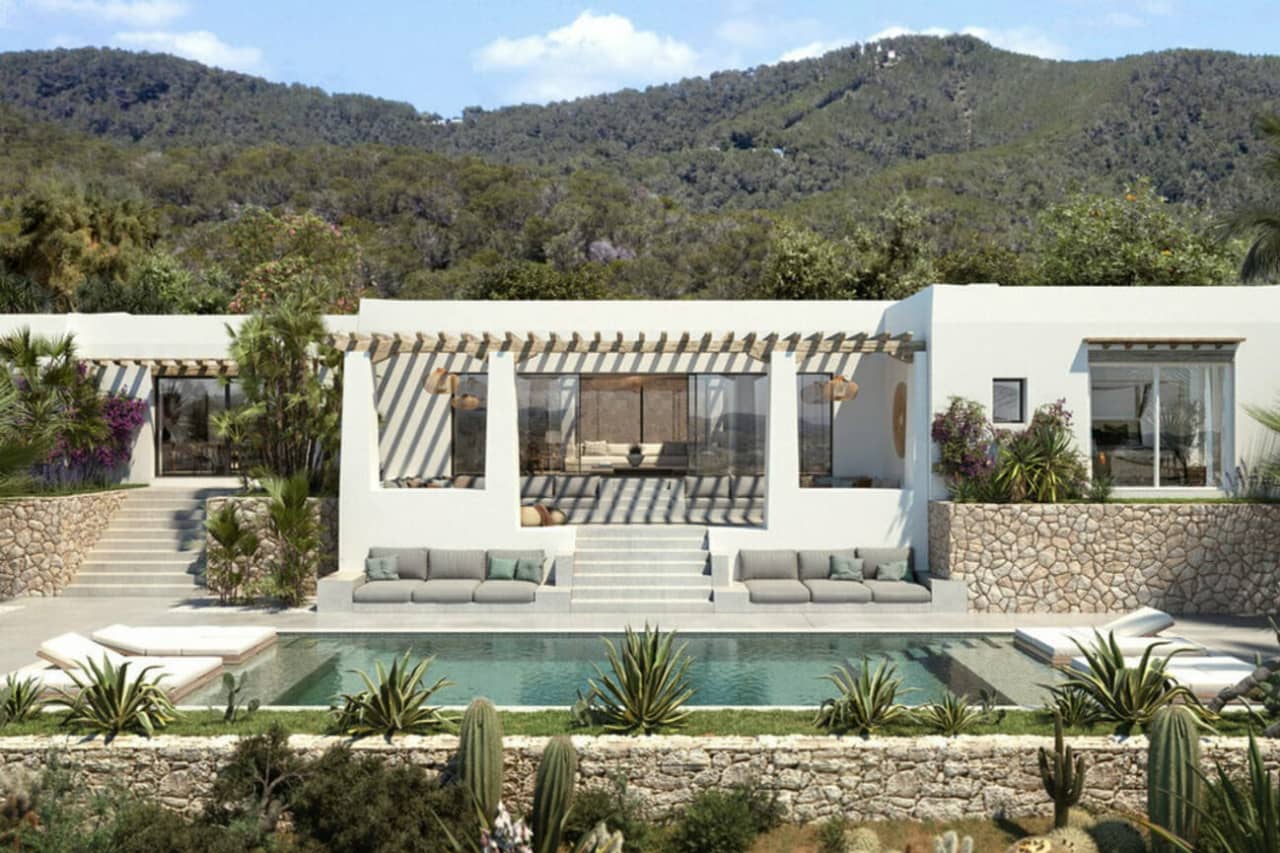
Demand for historic, inland homes is driving the latest housing boom in Ibiza—Spain’s party-loving island in the Mediterranean that’s better known for attracting celebrities and business tycoons to rent seaside villas or bask in their mega yachts along the coast.
Prices for renting or buying a property on the island have long been a pricey proposition, with demand high and inventory low. Since the start of the pandemic, however, this interest has grown significantly, along with prices. Waterfront properties are perennially popular and glamourised in the global press, but the residential market on the inner part of the island away from the sea has underpinned this recent spike, according to Jack Harris, a partner in the International Residential Department at the London-based firm Knight Frank.
“The coastal areas are more touristic, and as a result, they’re more transient and seasonal, with a fluctuating population that peaks in summer,” he said. “The centre of the island is a year-round destination with a variety of villages that bustle with life that include festivals, Christmas markets, art galleries, restaurants and more.”
Located off Spain’s eastern coast and one of the main Balearic islands, Ibiza may rank as the world’s most legendary party destination. It’s a culture that’s epitomised by the electronic dance music scene and nightclubs such as Pacha and Hi, where all-night bashes are the norm and tables command up to $50,000. According to Serena Cook, the founder of the luxury lifestyle company Deliciously Sorted Ibiza and a local resident, Ibiza has always been a hub for creatives.
Cook added that Ibiza’s mild winters, which see plenty of sunny days, have attracted home buyers to move there full time. People also come for the free-spirited vibe
“It’s a free-spirited place where anything goes, and there’s a melting pot of different nationalities,” she said. “In the last half-decade or so, it has gotten more and more luxury-focused.”
Booming Inland Towns
Santa Gertrudis is at the epicentre of inland living and has numerous notable restaurants and cafes as well as the international children’s school Morna International College, where transplants and locals enrol their children. Other towns include Sant Joan de Labritja and Sant Josep de sa Talaia.
In contrast to the contemporary villas typically near or on the water, these inland areas stand out for their fincas—either traditional homes dating to the 18th and 19th centuries that are constructed of mud and stone or new properties built in the classic finca style but reinterpreted for modern-day living. Harris and Cook said that the latter are hard to come by because the local government is stringent about protecting the landscape and doesn’t grant permits easily.
Fincas feature views of hills and olive trees instead of the ocean, and over the last three years, Harris said, the market for them has appreciated in the double digits.
“The advent of remote working is in large part behind this rise,” he said. “People are drawn to the serenity of the countryside, the amount of outdoor space you can get and the fact that you’re surrounded by nature.”
Given Ibiza’s relatively small size, the coast from any of these inland towns is less than a 30-minute drive away.
“If you feel like going snorkelling one day, you can choose the beach with the calmest water, and if windsurfing is what you’re after, you’re never too far from the beach with the best wind,” Harris said.
Local real estate firms also report an increase in sales of inland properties. It’s a local boom that’s defying a global slowdown that’s impacted high-end markets from London to Berlin in the face of rising interest rates and economic uncertainty.
Javier Medina, an agency manager at the real estate firm John Taylor Ibiza, said that his company has seen “soaring sales” in the past two years. “We had an increase of 30% in the first half of 2023 compared with 2022,” he said.
Meanwhile, Cook said her business “has gone through the roof.”
“We’ve jumped by 20% and sold five countryside homes last year for US$5 million or more,” she said. Inland homeowners include buyers from the U.S., especially New Yorkers and tech entrepreneurs from the West Coast, Europeans from countries such as England, France and the Netherlands. Several notable examples include the French designer Isabel Marant and the New York art gallery owner Howard Greenberg.
In following the trend, Cook herself sold her coastal home in 2021 and moved to a countryside property because she wanted more outdoor space and a garden to grow her own produce. Cook is the founder of Ibiza Preservation, a nonprofit that protects the local environment. The group recently reported that organic farming in Ibiza has jumped 20% in the last 10 years, with many inland homeowners growing their own fruits and vegetables.
Not Exactly a Bargain
A finca’s lack of sea views doesn’t mean bargain pricing, Harris said.
“With pricing high, your money shall certainly go further inland in comparison with the coast,” he said. “That said, properties historically hold their value no matter where they are.”
A countryside finca that’s in good condition and has four bedrooms, open views, a swimming pool, pool house, multiple outdoor terraces and possibly some olive trees, costs at least US$3.5 million, Harris said. Coastal properties of the same caliber are more than US$5 million and can be higher if they offer especially dramatic views.
The architecture firm Blakstad Ibiza is behind the most sought-after and priciest inland homes. Founded by Rolf Blackstad in the 1960s, it’s now run by his son, also named Rolf. The company refurbishes rundown fincas and also builds new ones, the younger Blakstad said, with prices averaging between US$6 million to US$18 million for a property.
“We had a half dozen or so projects a year pre-Covid, but now work on a dozen,” he said.
Blakstad’s fincas typically span between 5,000 and 6,000 square feet and feature sustainably sourced timber, bedrooms with outdoor showers, solar energy, large doors that open to outdoor spaces such as terraces and gardens that may blend into farmland.
As an example, Knight Frank is currently offering a renovated turnkey Blakstad-designed finca in the village of San Rafael that costs close to US$6.5 million and is set on a hillside. Surrounded by pine forests and Mediterranean plants, it has five bedrooms spread over a main and guest house, five baths, an abundance of outdoor space including a landscaped garden and a swimming pool.
“Ibiza’s parties will forever be iconic and appeal to tourists,” Harris said. “Look a little deeper, however, into the middle of the island, and you’ll discover why so many people are choosing to make it their home.”
 Copyright 2020, Dow Jones & Company, Inc. All Rights Reserved Worldwide. LEARN MORE





From making unpopular decisions to learning when to listen, leaders from five businesses reveal what nobody prepared them for — and how running a company has challenged their expectations.

Technology and semiconductor shares fell sharply as investors questioned the debt financing the AI infrastructure boom and confronted higher rates and Chinese competition.

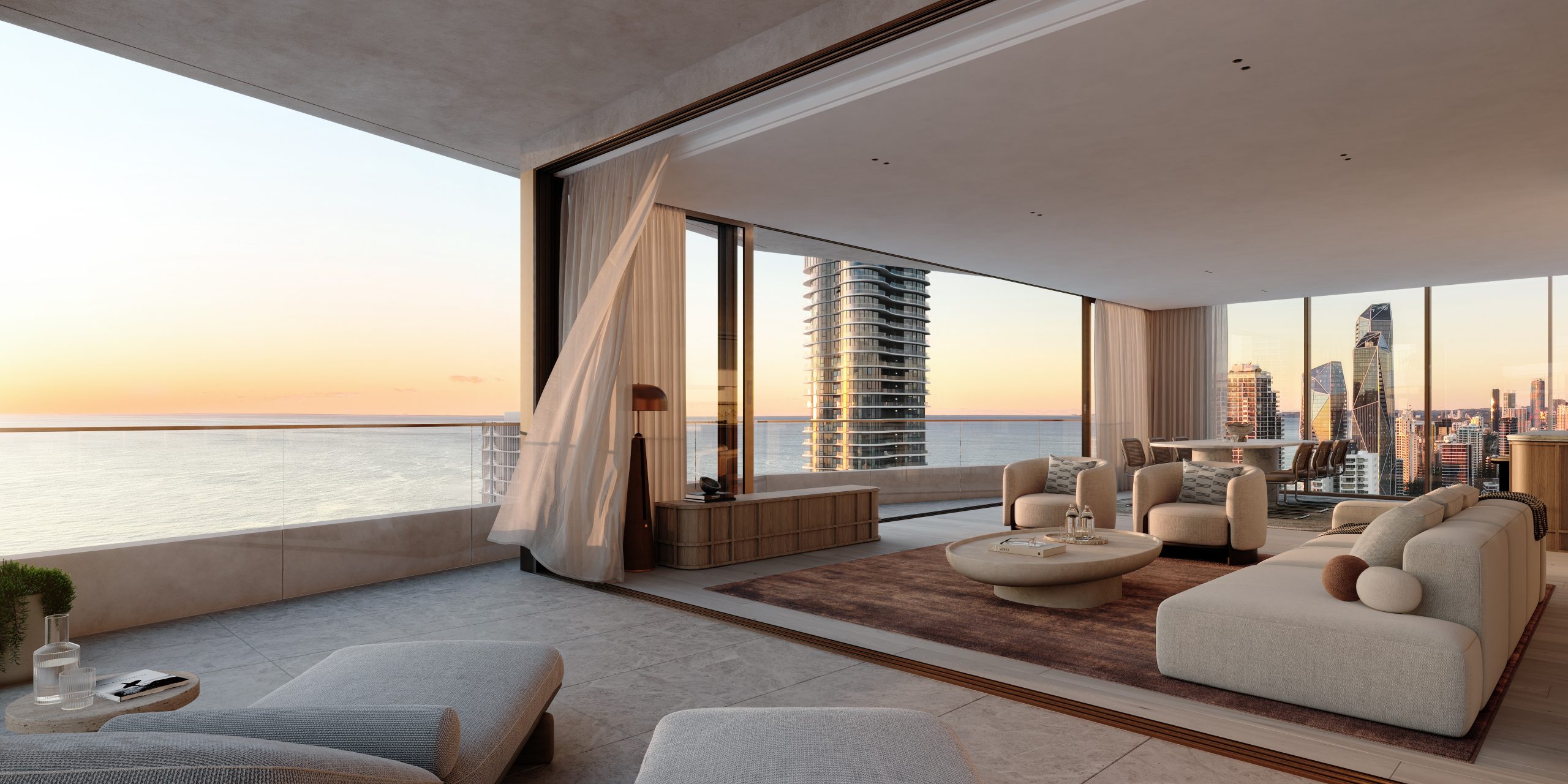
Mirvac’s 45-level Trielle has topped out at Yarra’s Edge, pairing riverfront apartments with wellness facilities, private dining and resident services.
3 min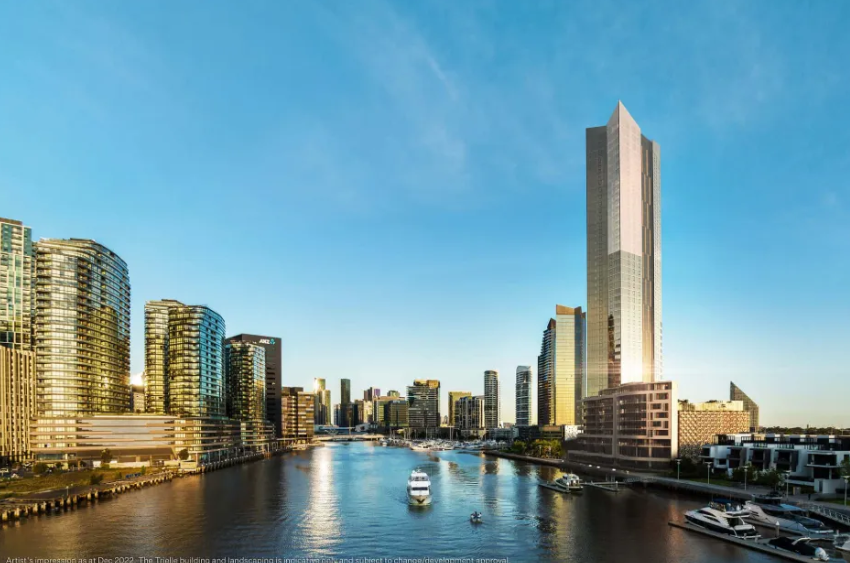
Mirvac has topped out Trielle at Melbourne’s Yarra’s Edge, with more than 70 per cent of the riverfront development sold and approximately 80 per cent of purchasers intending to make their apartment a home.
The figures, released on September 22, point to an owner-occupier audience for one of the precinct’s final residential towers. Mirvac began developing Yarra’s Edge in 2003, and its latest addition occupies one of the remaining absolute riverfront sites.
Mirvac CEO of Development Stuart Penklis said existing residents were among those moving up within the neighbourhood.
“Many purchasers already have a connection to Yarra’s Edge,” Mr Penklis said, describing buyers whose changing needs were encouraging an upgrade within the precinct.
“As one of the final residential towers within Yarra’s Edge, Trielle represents the culmination of more than two decades of creating one of Melbourne’s most established and sought-after waterfront communities,” Penklis said.
“Positioned on the Collins Street axis with absolute river frontage, Trielle offers residents a rare opportunity to enjoy sweeping views across the Yarra River, Melbourne skyline and Port Phillip Bay, while remaining seamlessly connected to the CBD. With Trielle now more than 70 per cent sold, we’re continuing to see strong demand from buyers seeking quality homes in established locations.”

The developer also flagged a penthouse and sub-penthouse collection with larger layouts, premium finishes and broad outlooks. The planned wellness centrepiece, The Oasis, encompasses a 900-square-metre elevated urban rainforest.
Mirvac General Manager Residential Development Victoria Elysa Anderson said Trielle had resonated strongly with buyers seeking a rare lifestyle offering in Melbourne.
“Opportunities to secure a new luxury residence on a riverfront site of this calibre are incredibly rare, particularly within a community like Yarra’s Edge,” Anderson said.
“What makes Trielle unique is the combination of exceptional views, world-class residential facilities and the lifestyle that already exists around it. Residents are buying into a mature waterfront community with parks, promenades, dining, wellness and strong community connections already in place.”
The 45-level tower brings a substantial new presence to that waterfront. Its residential offering spans one-, two-, three- and four-bedroom apartments, with Signature, Prestige and Sub-Penthouse collections accommodating different household sizes. The north-facing position connects the apartments visually to the river and city beyond.
Seven storeys above the promenade, the planned Oasis combines planting and a running stream with a Scandinavian-inspired wellness club developed with spa specialist Naomi Gregory. Facilities include a 25-metre lap pool, hot magnesium pool, sauna, hydrotherapy, a gym, yoga and Pilates room, and treatment spaces.
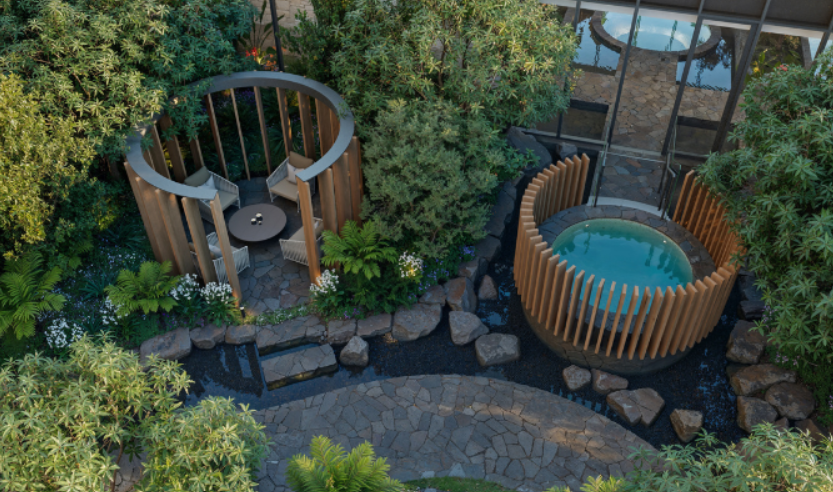
The amenity extends beyond exercise. Residents will have access to The Biblioteca library and workspaces, ground-floor work pods, and The Salone piano lounge. A private Chef’s Table dining room offers a setting for larger gatherings, while a cinema, games room and sports lounge broaden the entertaining options. Concierge services and a dog-wash area support everyday routines.
Trielle comprises a collection of one, two, three and four-bedroom residences. Reflecting strong demand from owner occupiers, approximately 80 per cent of purchasers to date intend to live in their homes, highlighting the project’s appeal to those seeking a long-term waterfront lifestyle.
Mirvac has recently delivered The Albertine, a premium apartment development on the edge of Melbourne’s CBD, and is nearing completion of Prince & Parade in Brunswick, further strengthening its portfolio of thoughtfully designed apartment communities in some of Melbourne’s most sought-after urban locations.

Chinese carmaker GAC will expand its Australian electric vehicle line-up with the city-focused AION UT hatchback.

Now complete, Ophora at Tallawong offers luxury finishes, 10-year defect insurance and standout value from $475,000.