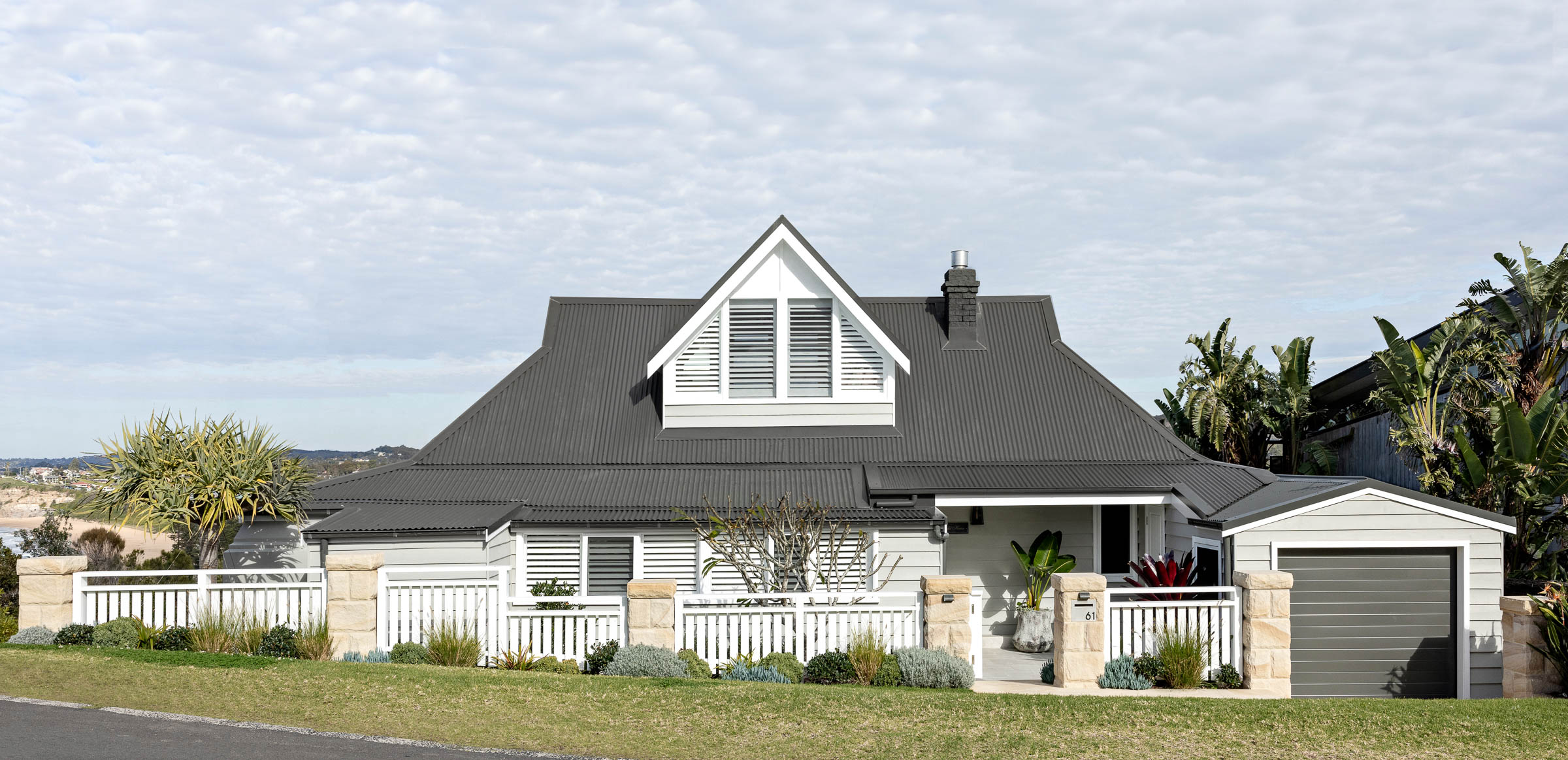
More pain for mortgage holders as RBA announces another rate rise
Governor Michele Bullock said the 0.25 percent increase was ‘warranted’ to battle persistent inflation levels
 2 min
2 min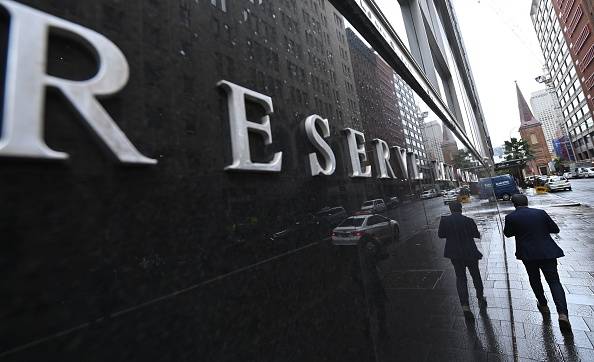
After months of speculation, the Reserve Bank has raised the cash rate by 25 basis points at a meeting of the board this afternoon, bringing the interest up to 4.35 percent. It marks the first increase since Michele Bullock took on the role of RBA Governor in September but was widely expected, with all four of the major banks predicting the rise.
Pointing to the increasing costs of services, which has resulted in a rate of inflation that is proving hard to draw down, the board said today that the target of 3.5 percent level of inflation was not likely to be achieved until the end of next year.
“Inflation in Australia has passed its peak but is still too high and is proving more persistent than expected a few months ago,” Ms Bullock said in a statement. “The latest reading on CPI inflation indicates that while goods price inflation has eased further, the prices of many services are continuing to rise briskly. While the central forecast is for CPI inflation to continue to decline, progress looks to be slower than earlier expected. “The Board judged an increase in interest rates was warranted today to be more assured that inflation would return to target in a reasonable timeframe.”
While today’s decision would not be welcomed by mortgage holders, CoreLogic research director Tim Lawless said it would likely take some of the heat out of the housing market where prices have continued to their upward trajectory.
“Another 25 basis points translates, roughly, to another $80 per month in mortgage repayments on a $500k loan on top of the $1,040 monthly increase already seen since rates started to rise in May last year,” he said. “Higher interest rates also imply a further diminishing in borrowing capacity as lenders continue to assess borrowers using a three-percentage point serviceability buffer.”
While global events such as the Israel-Gaza conflict were beyond the control of Australian markets, he said it was important to avoid high inflation becoming entrenched.
However, Zippy Financial director and principal broker Louisa Sanghera said the board’s decision did not make sense given many mortgage holders were already stretched to the limit following a 4 percent rise in rates since May last year.
“Many of the new or existing borrowers we speak with have absolutely no chance of refinancing, with a lot of them technically not servicing their current debt levels,” she said.
“Over the past two months in particular, borrowers are becoming more desperate with many homeowners turning to interest-only repayments as the only way they can continue to hold on to their homes.
“Unfortunately, their current lenders don’t necessarily offer interest only to owner occupiers – and they can’t refinance – so they may need to sell or opt for a repayment pause to keep the roof over their heads.”
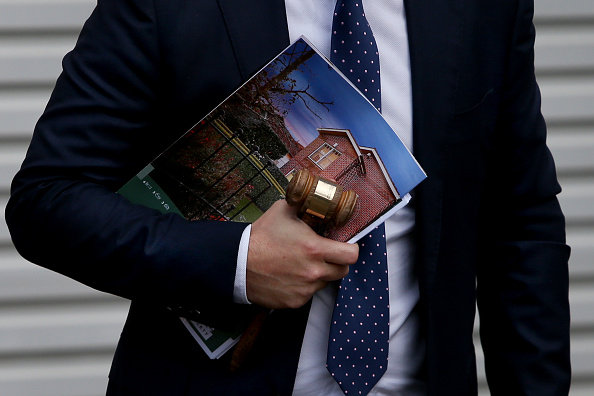
Victorian auction buyers will soon receive a piece of information that has traditionally been withheld until bidding reaches it: the vendor’s reserve price. Under new property-sale and underquoting laws, agents must publish the agreed reserve at least seven days before an auction or fixed-date sale. Most changes begin on 1 October 2026 and apply to …
Continue reading “Victoria’s New Auction Rules Will Force Reserve Prices Into the Open”

Four decks, 34.5 metres and a made-to-measure interior: step aboard the new Custom Line Navetta 35, unveiled at Cannes.

The ASX 200 rose about 0.27% as energy and materials advanced. Woodside and gold miners gained while financials and technology weakened.
2 min
The Australian sharemarket rebounded from its lowest close in three months on Wednesday, with energy and materials companies leading a cautious recovery.
The S&P/ASX 200 finished approximately 23 points, or 0.27 per cent, higher at 8,695.6 on 16 September. A second data source placed the closing index at 8,696.5, up 24 points or 0.28 per cent. The official close should be confirmed through a licensed feed before publication.
The broader All Ordinaries added 25.2 points, or 0.28 per cent, to 8,874.5.
Energy was the strongest sector, rising 2.19 per cent as Australian producers reflected the previous overnight increase in global oil prices. Woodside gained 2.84 per cent. Brent had settled near US$108.75 a barrel before the local session, although it later traded around US$107.68.
Materials advanced 1.28 per cent and provided the largest positive contribution to the index. Gold producers featured prominently among the strongest stocks, with Pantoro rising 9.3 per cent and St Barbara gaining 8.18 per cent. BCI Minerals added 7.48 per cent.
Financials fell 0.37 per cent, detracting from the benchmark despite earlier strength. Rate expectations remained a significant influence after Westpac joined the other major banks in forecasting a possible Reserve Bank increase in November. Higher rates can expand bank margins in some circumstances but also raise funding costs and increase the risk of loan stress and slower credit growth.
Technology remained weak. Life360 declined 5.46 per cent, while healthcare names that had rallied during Tuesday’s sell-off gave back ground. 4DMedical lost 5.35 per cent and Telix Pharmaceuticals fell 4.96 per cent.
James Hardie dropped 5.23 per cent. Codan moved against the weaker technology tone, gaining 7.51 per cent.
The session produced positive breadth, with more advancers than decliners among the largest 250 stocks, but the broader backdrop remains unsettled. Oil prices have revived inflation concerns, bond yields are elevated and investors are assessing the prospect of further monetary tightening in Australia and the United States.
The rebound therefore recovered only part of Tuesday’s 0.9 per cent decline. For Thursday, investors will be watching overnight central-bank developments, energy markets and whether gains can broaden beyond resources.
Market dashboard — 16 September 2026
S&P/ASX 200* Approximately 8,695.6, up 23.1 points or 0.27 per cent; verify the official closing print
All Ordinaries: 8,874.5, up 25.2 points or 0.28 per cent
Best-performing sector: Energy, up 2.19 per cent
Materials: Up 1.28 per cent
Weak sector: Financials, down 0.37 per cent
Leading mover: Pantoro, up 9.30 per cent
Notable large-cap mover: Woodside, up 2.84 per cent
Notable loser: Sunrise Energy Metals, down 6.22 per cent
Life360: Down 5.46 per cent
Australian dollar: About US71.3 cents in the preceding market snapshot
Gold: Approximately US$4,375 an ounce in the afternoon snapshot
Brent crude: Approximately US$107.68 a barrel in the afternoon snapshot

High-end homeowners are choosing to upgrade rather than relocate, investing in bespoke design, premium finishes and long-term lifestyle value.

A 30-metre masterpiece unveiled in Monaco brings Lamborghini’s supercar drama to the high seas, powered by 7,600 horsepower and unmistakable Italian design.