Luxury Retailers Are Buying Out Their Landlords

 3 min
3 min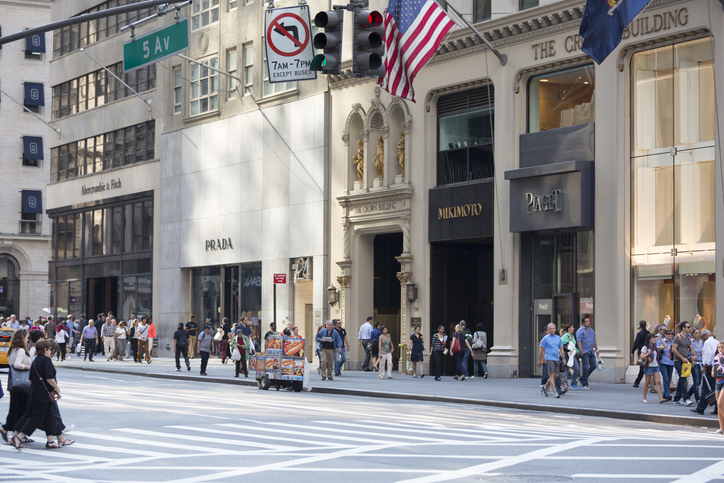
Luxury retailers, flush with cash, are spending big on real estate in the world’s most expensive and exclusive shopping corridors.
In New York City, Prada recently agreed to buy the building that houses its Fifth Avenue store as well as the building next door for more than $800 million. Gucci’s parent company, Kering, is also paying nearly $1 billion for a 115,000-square-foot retail space a few blocks south.
Luxury behemoth LVMH Moët Hennessy Louis Vuitton , meanwhile, is in discussions to purchase the Fifth Avenue retail space occupied by Bergdorf Goodman’s men’s store, according to a person familiar with the matter.
This activity follows a flurry of purchases in Europe, where high-end retailers have snapped up real estate on high streets including Avenue Montaigne in Paris and London’s New Bond Street in recent years.
Luxury’s real-estate shopping spree shows that retailers are using their considerable cash to free themselves from the control of landlords and plant their flags on streets where they want a long-term presence.
“The rents that the luxury retailers were paying on Fifth and in other prime locations were simply astronomical,” said Eric Menkes , co-chair of leasing for the New York-based law firm Adler & Stachenfeld. “There comes a point in time when these retailers looked in the mirror and said, ‘Why am I making my landlord rich?’”
Retail rents on upper Fifth Avenue haven’t surpassed pre pandemic levels, but they averaged $2,000 a square foot over the past year, making the corridor the most expensive retail destination in the world, according to real-estate firm Cushman & Wakefield.
High-end retailers renewing their leases are often subject to the biggest rent increases, because they don’t want to leave well-known, successful addresses and pay for expensive build-outs at new stores.
“You don’t want to give up that location,” Menkes said. “And your landlord knows that.”
While the most recent eye-catching deals have been signed in New York and Europe, luxury companies are also buying buildings elsewhere. The French fashion house Chanel paid $63 million for a building on Post Street in San Francisco in 2021, the same year LVMH bought a hotel in Beverly Hills.
Chanel selectively acquires real estate “to protect its long-term presence in key cities around the world, and secure prime locations for luxury retail,” a spokesperson said.
While real-estate purchases so far appear concentrated in the most exclusive shopping corridors, luxury retailers are also signing leases in new markets and for bigger footprints to accommodate their swelling collections as well as new offerings such as restaurants and bars.
A surge in shopping for luxury goods powered the world’s largest luxury retailers to record profits in recent years. Sales growth has since slowed, but LVMH, which owns 75 brands including Dior and Hennessy, still reported nearly $94 billion in sales in 2023, beating analysts’ forecasts and sending the company’s stock price soaring in European trading .
“The premium luxury groups have so much cash on their balance sheet,” said Eric Le Goff , vice chairman and head of luxury for the brokerage Retail by Mona. For companies not contemplating acquisitions, “why not deploy the cash into real estate where you know you’re going to be there, hopefully for the next 100 years?”
In addition to cash, well-performing retailers have the option of floating corporate bonds to pay for their real-estate purchases at a lower rate than the traditional real-estate investor could get for a bank mortgage, according to Will Silverman , a managing director at Eastdil Secured, a real-estate investment-banking firm.
“The spread between where they can borrow and where a traditional real-estate investor can borrow, might be several percentage points apart,” Silverman said. That spread has never been wider in memory, he added.
This dynamic could mean luxury retailers are competing mainly against each other for real estate at the most desirable locations.
Luxury companies tend to cluster, so once one deal is signed, “usually that causes others to all jump in and want to be in the market, which then causes demand to increase and prices to rise,” said Andrew Goldberg , vice chairman at real-estate brokerage CBRE.
 Copyright 2020, Dow Jones & Company, Inc. All Rights Reserved Worldwide. LEARN MORE




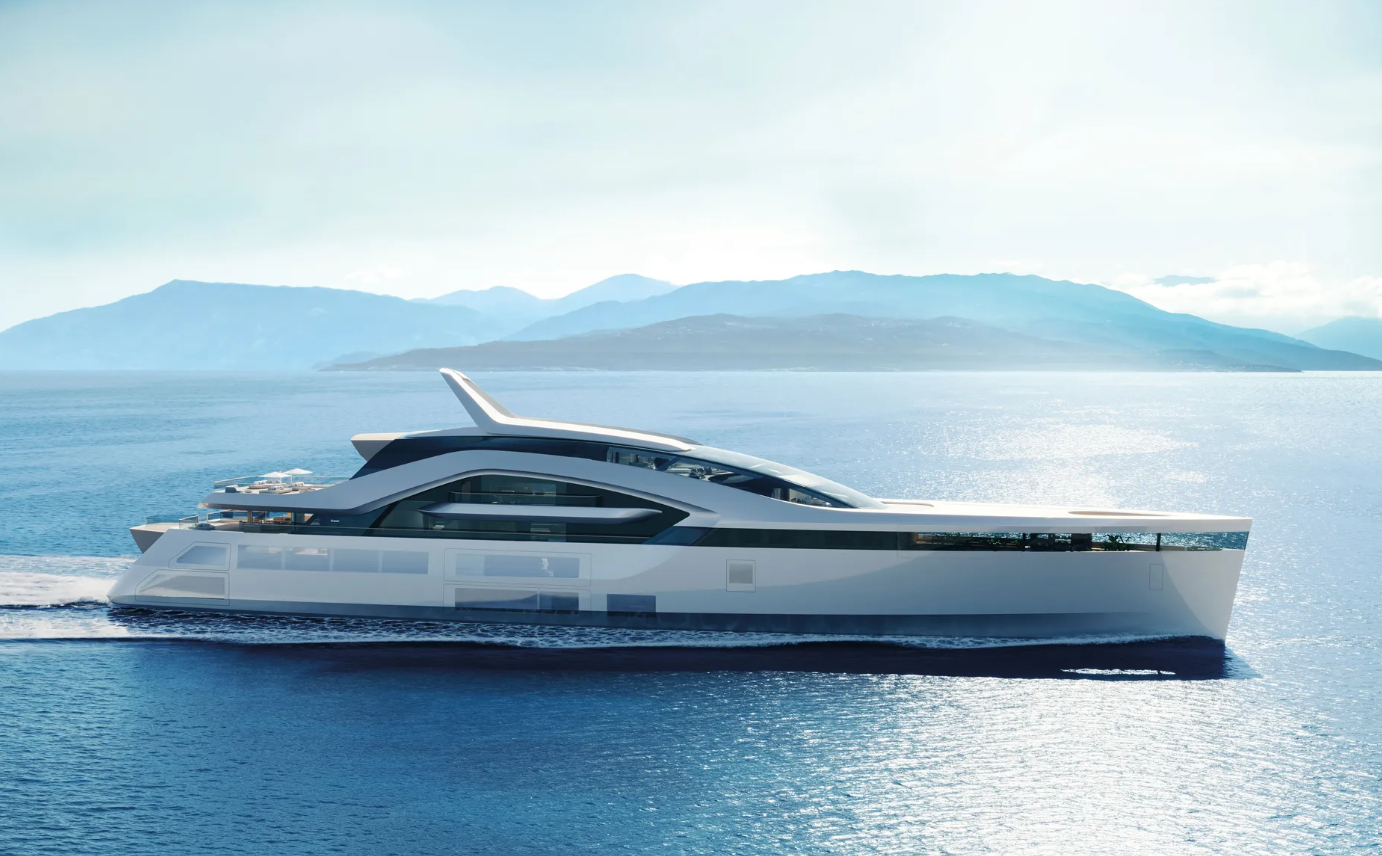
On the owner’s deck, a 20-metre swimming pool incorporates Feadship’s patented ContraWave technology and extends indoors as a suspended, glass-bottomed infinity pool.

Automobili Lamborghini is turning its attention to something considerably more difficult to define: what makes Italian excellence uniquely Italian?
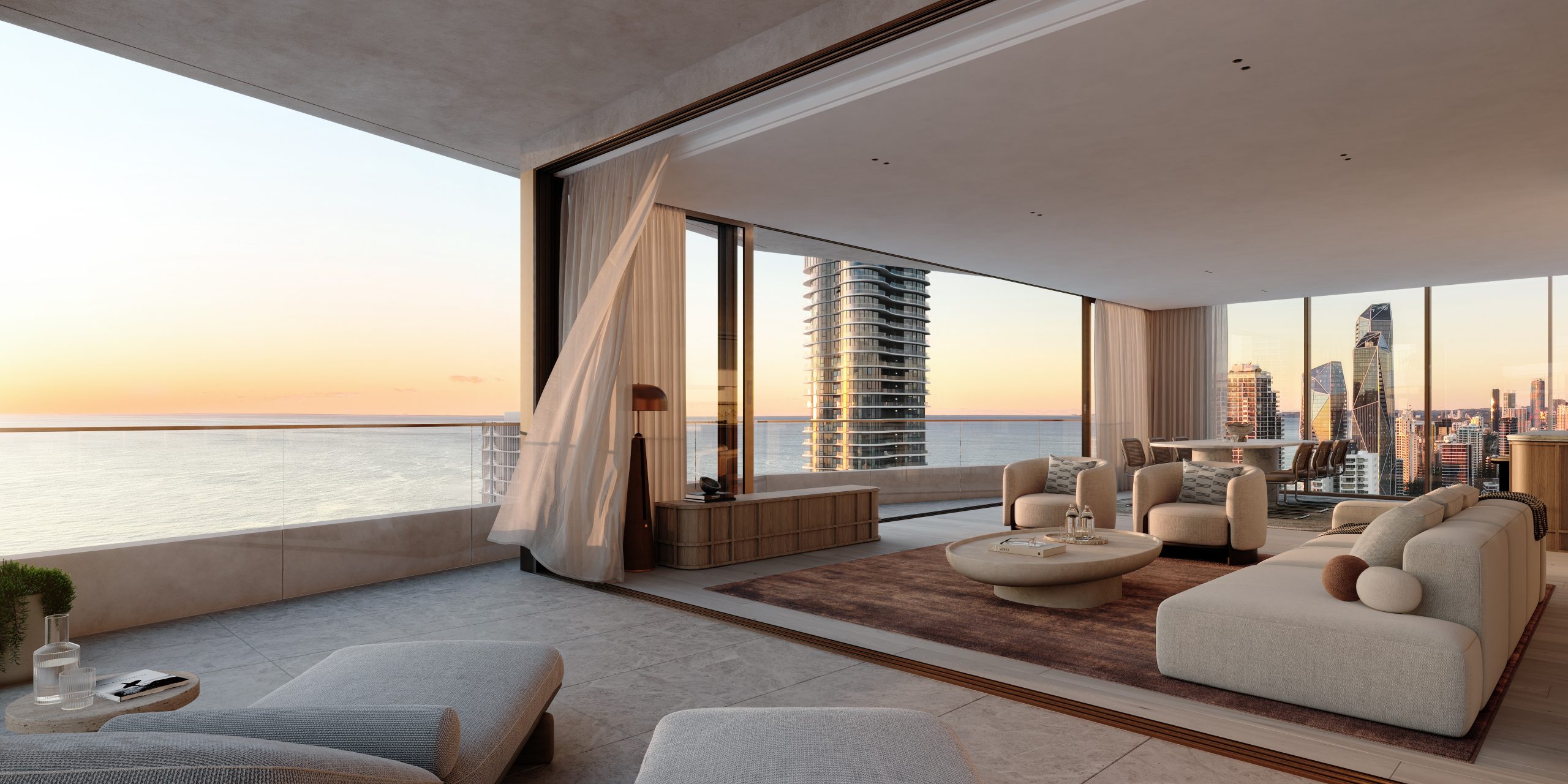
Mirvac’s 45-level Trielle has topped out at Yarra’s Edge, pairing riverfront apartments with wellness facilities, private dining and resident services.
3 min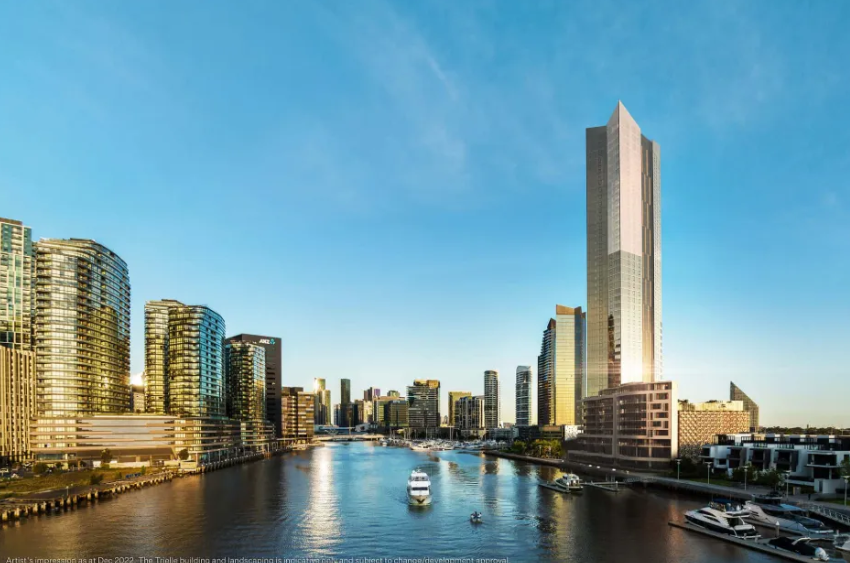
Mirvac has topped out Trielle at Melbourne’s Yarra’s Edge, with more than 70 per cent of the riverfront development sold and approximately 80 per cent of purchasers intending to make their apartment a home.
The figures, released on September 22, point to an owner-occupier audience for one of the precinct’s final residential towers. Mirvac began developing Yarra’s Edge in 2003, and its latest addition occupies one of the remaining absolute riverfront sites.
Mirvac CEO of Development Stuart Penklis said existing residents were among those moving up within the neighbourhood.
“Many purchasers already have a connection to Yarra’s Edge,” Mr Penklis said, describing buyers whose changing needs were encouraging an upgrade within the precinct.
“As one of the final residential towers within Yarra’s Edge, Trielle represents the culmination of more than two decades of creating one of Melbourne’s most established and sought-after waterfront communities,” Penklis said.
“Positioned on the Collins Street axis with absolute river frontage, Trielle offers residents a rare opportunity to enjoy sweeping views across the Yarra River, Melbourne skyline and Port Phillip Bay, while remaining seamlessly connected to the CBD. With Trielle now more than 70 per cent sold, we’re continuing to see strong demand from buyers seeking quality homes in established locations.”
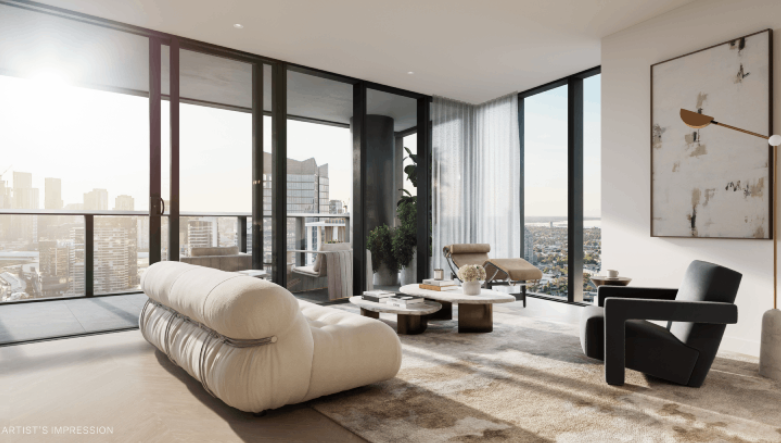
The developer also flagged a penthouse and sub-penthouse collection with larger layouts, premium finishes and broad outlooks. The planned wellness centrepiece, The Oasis, encompasses a 900-square-metre elevated urban rainforest.
Mirvac General Manager Residential Development Victoria Elysa Anderson said Trielle had resonated strongly with buyers seeking a rare lifestyle offering in Melbourne.
“Opportunities to secure a new luxury residence on a riverfront site of this calibre are incredibly rare, particularly within a community like Yarra’s Edge,” Anderson said.
“What makes Trielle unique is the combination of exceptional views, world-class residential facilities and the lifestyle that already exists around it. Residents are buying into a mature waterfront community with parks, promenades, dining, wellness and strong community connections already in place.”
The 45-level tower brings a substantial new presence to that waterfront. Its residential offering spans one-, two-, three- and four-bedroom apartments, with Signature, Prestige and Sub-Penthouse collections accommodating different household sizes. The north-facing position connects the apartments visually to the river and city beyond.
Seven storeys above the promenade, the planned Oasis combines planting and a running stream with a Scandinavian-inspired wellness club developed with spa specialist Naomi Gregory. Facilities include a 25-metre lap pool, hot magnesium pool, sauna, hydrotherapy, a gym, yoga and Pilates room, and treatment spaces.
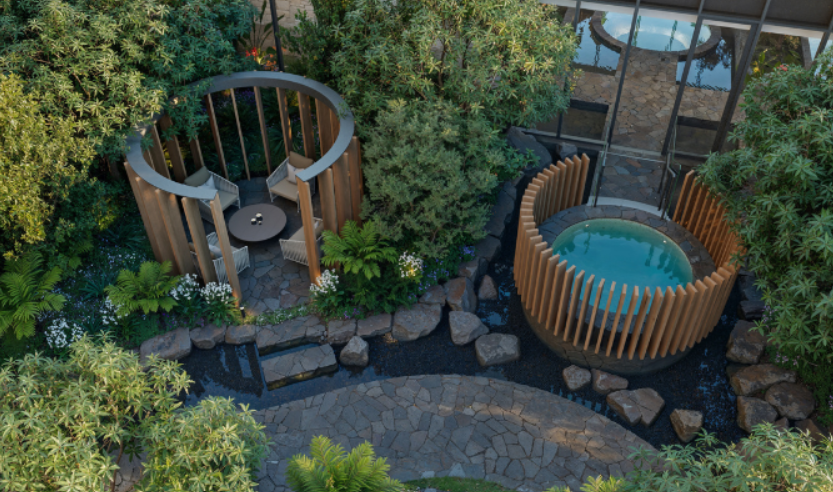
The amenity extends beyond exercise. Residents will have access to The Biblioteca library and workspaces, ground-floor work pods, and The Salone piano lounge. A private Chef’s Table dining room offers a setting for larger gatherings, while a cinema, games room and sports lounge broaden the entertaining options. Concierge services and a dog-wash area support everyday routines.
Trielle comprises a collection of one, two, three and four-bedroom residences. Reflecting strong demand from owner occupiers, approximately 80 per cent of purchasers to date intend to live in their homes, highlighting the project’s appeal to those seeking a long-term waterfront lifestyle.
Mirvac has recently delivered The Albertine, a premium apartment development on the edge of Melbourne’s CBD, and is nearing completion of Prince & Parade in Brunswick, further strengthening its portfolio of thoughtfully designed apartment communities in some of Melbourne’s most sought-after urban locations.

Formula 1 may be the world’s most glamorous sport, but for Oscar Piastri, it’s also one of the most lucrative. At just 24, Australia’s highest-paid athlete is earning more than US$40 million a year.

MAISON de SABRÉ’s new Spring Harvest Collection turns everyday produce into collectible leather charms and introduces fresh silhouettes in its cult Bucket bag family.