Foreign investment tumbles in Australian residential real estate
China was the largest source of approved residential real estate investment in the past quarter
 2 min
2 min
The number of approvals for foreign purchases of residential property fell in the first quarter of FY24, according to the latest statistics released by the Foreign Investment Review Board (FIRB). China remains our biggest source of residential investment, followed by India and Hong Kong.
The FIRB approved 1,374 applications from foreign residents to buy residential real estate between 1 July and 30 September 2023 (1Q FY24). This represented $1.5 billion in investment. This is significantly lower than the previous quarter and is tracking well below the rate of investment in 2023. Between 1 April and 30 June 2023 (4Q FY23), the FIRB approved 1,932 applications worth $2.4 billion. For the full financial year of 2023, 6,576 proposals were approved, thereby averaging 1,644 per quarter.
In 1Q FY24, China was the largest source of approved residential real estate investment with 523 approvals worth $700 million. Making up the top three were India with 148 approvals worth $100 million, and Hong Kong with 111 approvals also worth $100 million.
The fall comes amid the Federal Treasurer Jim Chalmers introducing legislation into the Parliament earlier this month to significantly raise foreign investment application fees, as per his announcement in the Mid-Year Economic and Fiscal Outlook. Currently, foreign investment application fees start at $14,100 for purchases of residential property worth $1 million or less, and rise to a maximum of $1,119,100 for acquisitions worth more than $40 million.
The Albanese Government wants to triple the fees for the purchase of established homes, which foreigners are allowed to buy if they are living in Australia to work or study, and must sell when they leave. Dr Chalmers explained that the government hopes this will encourage foreigners to buy new property instead. “This will help create additional housing stock, jobs in the construction industry and support economic growth,” he said.
The government also wants to double the vacancy fee charged to foreign owners whose properties are not genuinely occupied as a residence either by themselves or a relative, and are not rented out on a lease term of more than 30 days for at least six months of the year. The vacancy fee is the same as the applicable application fee in each case, hence $14,100 on properties purchased for $1 million or less.
On Census night 2021, more than one million homes in Australia were unoccupied, which created fierce national debate about home ownership affordability and rental supply for Australians. “The increased vacancy fees will encourage foreign investors to make their unused properties available to renters,” Dr Chalmers said. The government is also proposing a reduction in application fees for build-to-rent projects to encourage more foreign investment in this emerging real estate sector.
“Higher fees for the purchase of established homes and increased penalties for those that leave properties vacant will help ensure foreign investment in residential property is in our national interest,” Dr Chalmers said.
FIRB application fees were first introduced in 2015. They are indexed to annual inflation but have been increased markedly several times by governments in response to public discourse over the impact of foreign investment on rising property prices. Real estate industry insiders say rising fees are dissuading some foreign nationals from investing here.
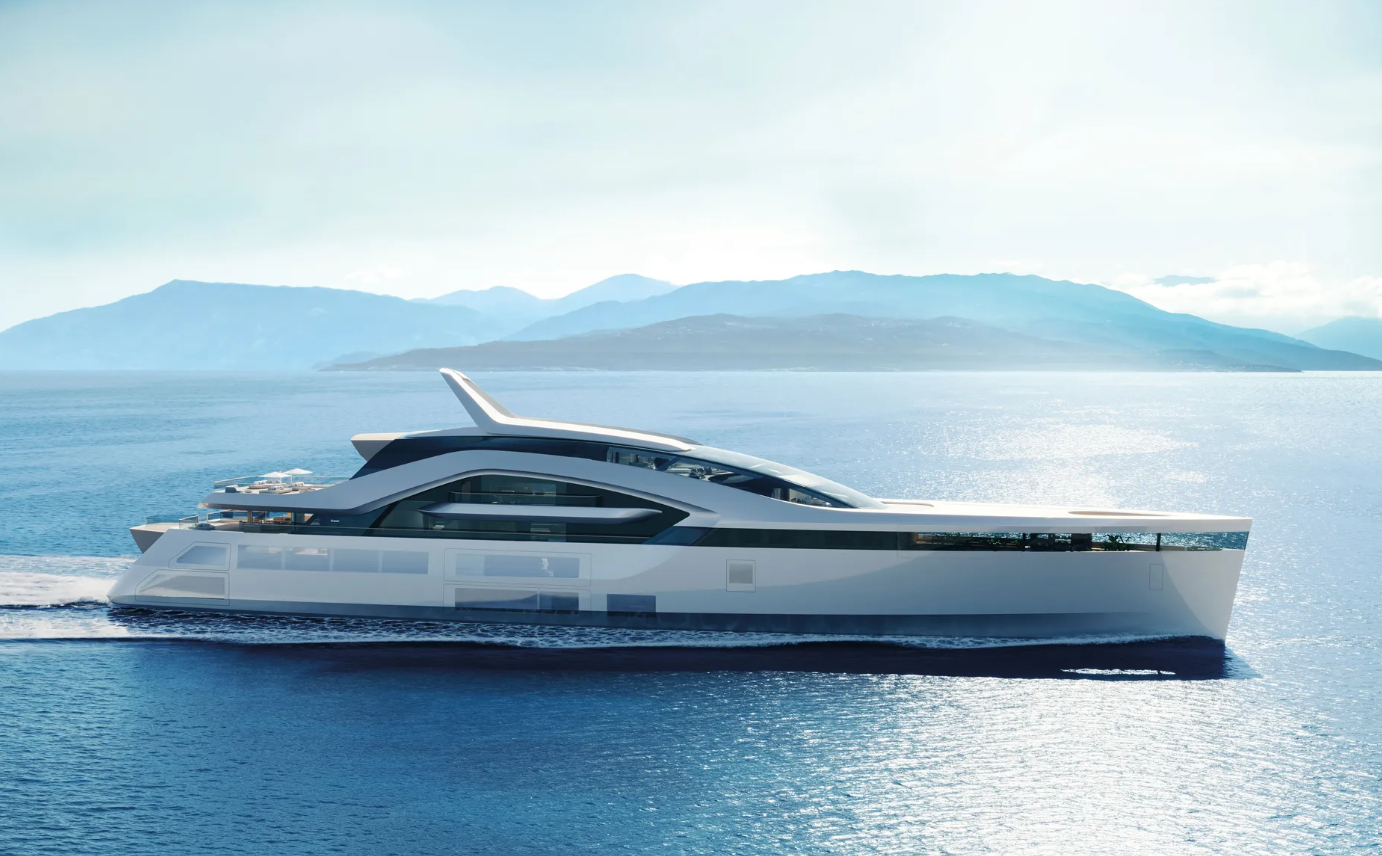
On the owner’s deck, a 20-metre swimming pool incorporates Feadship’s patented ContraWave technology and extends indoors as a suspended, glass-bottomed infinity pool.

Automobili Lamborghini is turning its attention to something considerably more difficult to define: what makes Italian excellence uniquely Italian?
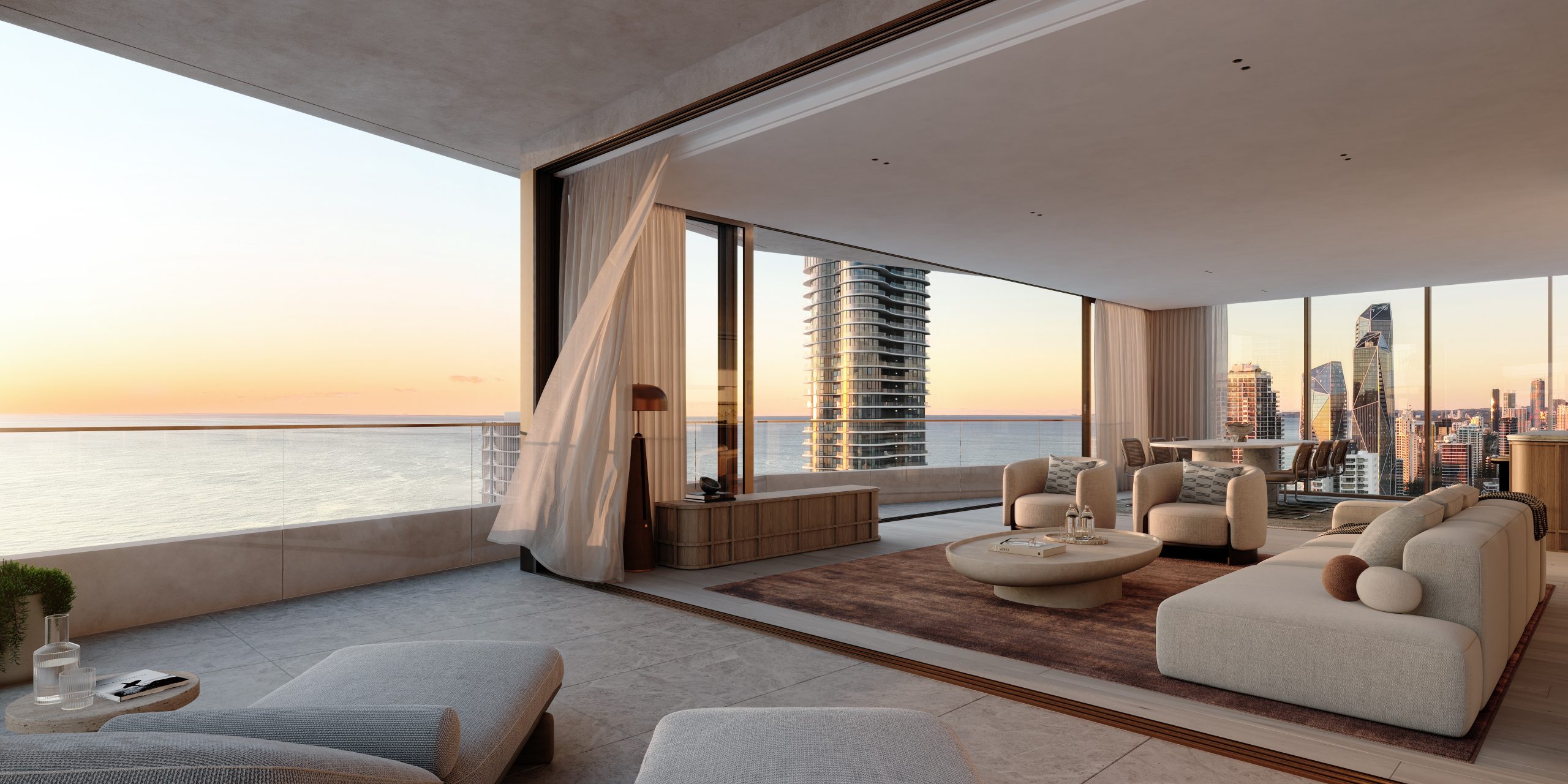
Mirvac’s 45-level Trielle has topped out at Yarra’s Edge, pairing riverfront apartments with wellness facilities, private dining and resident services.
3 min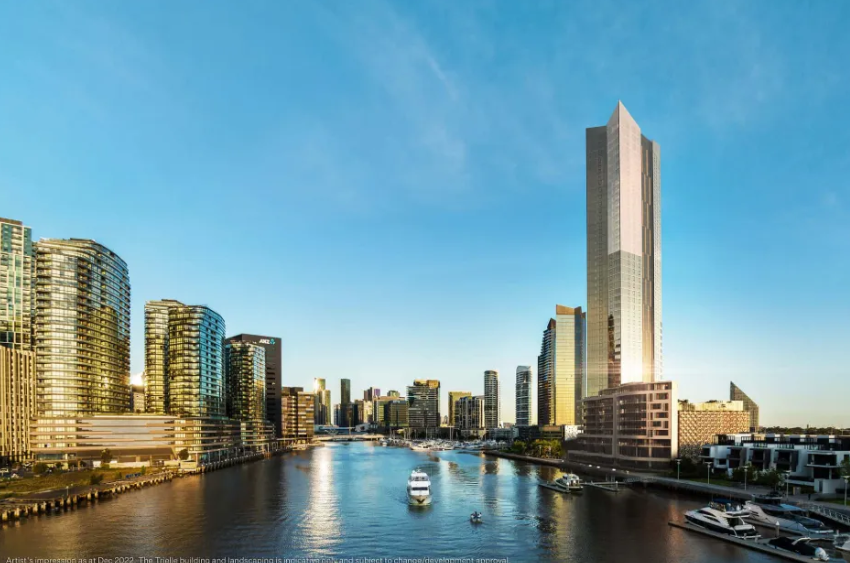
Mirvac has topped out Trielle at Melbourne’s Yarra’s Edge, with more than 70 per cent of the riverfront development sold and approximately 80 per cent of purchasers intending to make their apartment a home.
The figures, released on September 22, point to an owner-occupier audience for one of the precinct’s final residential towers. Mirvac began developing Yarra’s Edge in 2003, and its latest addition occupies one of the remaining absolute riverfront sites.
Mirvac CEO of Development Stuart Penklis said existing residents were among those moving up within the neighbourhood.
“Many purchasers already have a connection to Yarra’s Edge,” Mr Penklis said, describing buyers whose changing needs were encouraging an upgrade within the precinct.
“As one of the final residential towers within Yarra’s Edge, Trielle represents the culmination of more than two decades of creating one of Melbourne’s most established and sought-after waterfront communities,” Penklis said.
“Positioned on the Collins Street axis with absolute river frontage, Trielle offers residents a rare opportunity to enjoy sweeping views across the Yarra River, Melbourne skyline and Port Phillip Bay, while remaining seamlessly connected to the CBD. With Trielle now more than 70 per cent sold, we’re continuing to see strong demand from buyers seeking quality homes in established locations.”
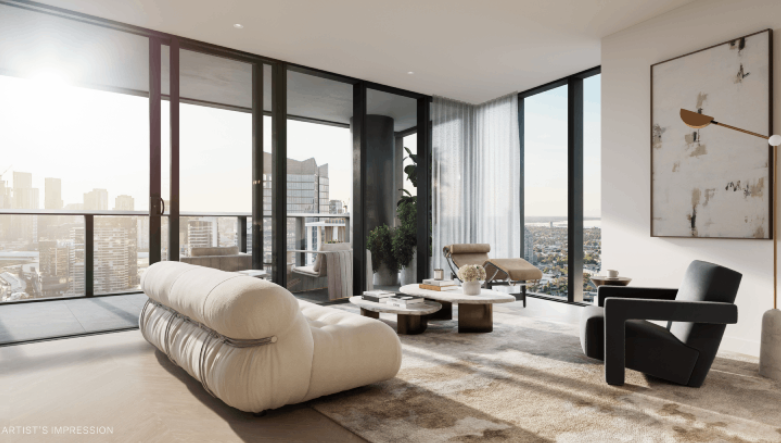
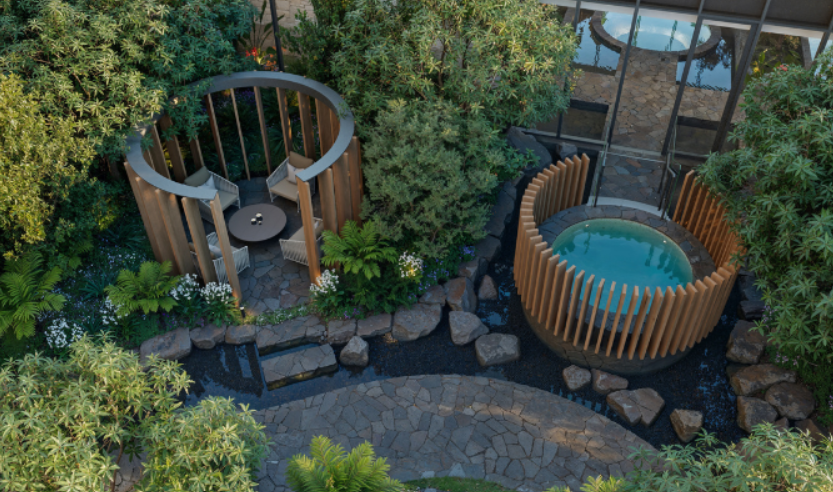
The developer also flagged a penthouse and sub-penthouse collection with larger layouts, premium finishes and broad outlooks. The planned wellness centrepiece, The Oasis, encompasses a 900-square-metre elevated urban rainforest.
Mirvac General Manager Residential Development Victoria Elysa Anderson said Trielle had resonated strongly with buyers seeking a rare lifestyle offering in Melbourne.
“Opportunities to secure a new luxury residence on a riverfront site of this calibre are incredibly rare, particularly within a community like Yarra’s Edge,” Anderson said.
“What makes Trielle unique is the combination of exceptional views, world-class residential facilities and the lifestyle that already exists around it. Residents are buying into a mature waterfront community with parks, promenades, dining, wellness and strong community connections already in place.”
The 45-level tower brings a substantial new presence to that waterfront. Its residential offering spans one-, two-, three- and four-bedroom apartments, with Signature, Prestige and Sub-Penthouse collections accommodating different household sizes. The north-facing position connects the apartments visually to the river and city beyond.
Seven storeys above the promenade, the planned Oasis combines planting and a running stream with a Scandinavian-inspired wellness club developed with spa specialist Naomi Gregory. Facilities include a 25-metre lap pool, hot magnesium pool, sauna, hydrotherapy, a gym, yoga and Pilates room, and treatment spaces.
The amenity extends beyond exercise. Residents will have access to The Biblioteca library and workspaces, ground-floor work pods, and The Salone piano lounge. A private Chef’s Table dining room offers a setting for larger gatherings, while a cinema, games room and sports lounge broaden the entertaining options. Concierge services and a dog-wash area support everyday routines.
Trielle comprises a collection of one, two, three and four-bedroom residences. Reflecting strong demand from owner occupiers, approximately 80 per cent of purchasers to date intend to live in their homes, highlighting the project’s appeal to those seeking a long-term waterfront lifestyle.
Mirvac has recently delivered The Albertine, a premium apartment development on the edge of Melbourne’s CBD, and is nearing completion of Prince & Parade in Brunswick, further strengthening its portfolio of thoughtfully designed apartment communities in some of Melbourne’s most sought-after urban locations.
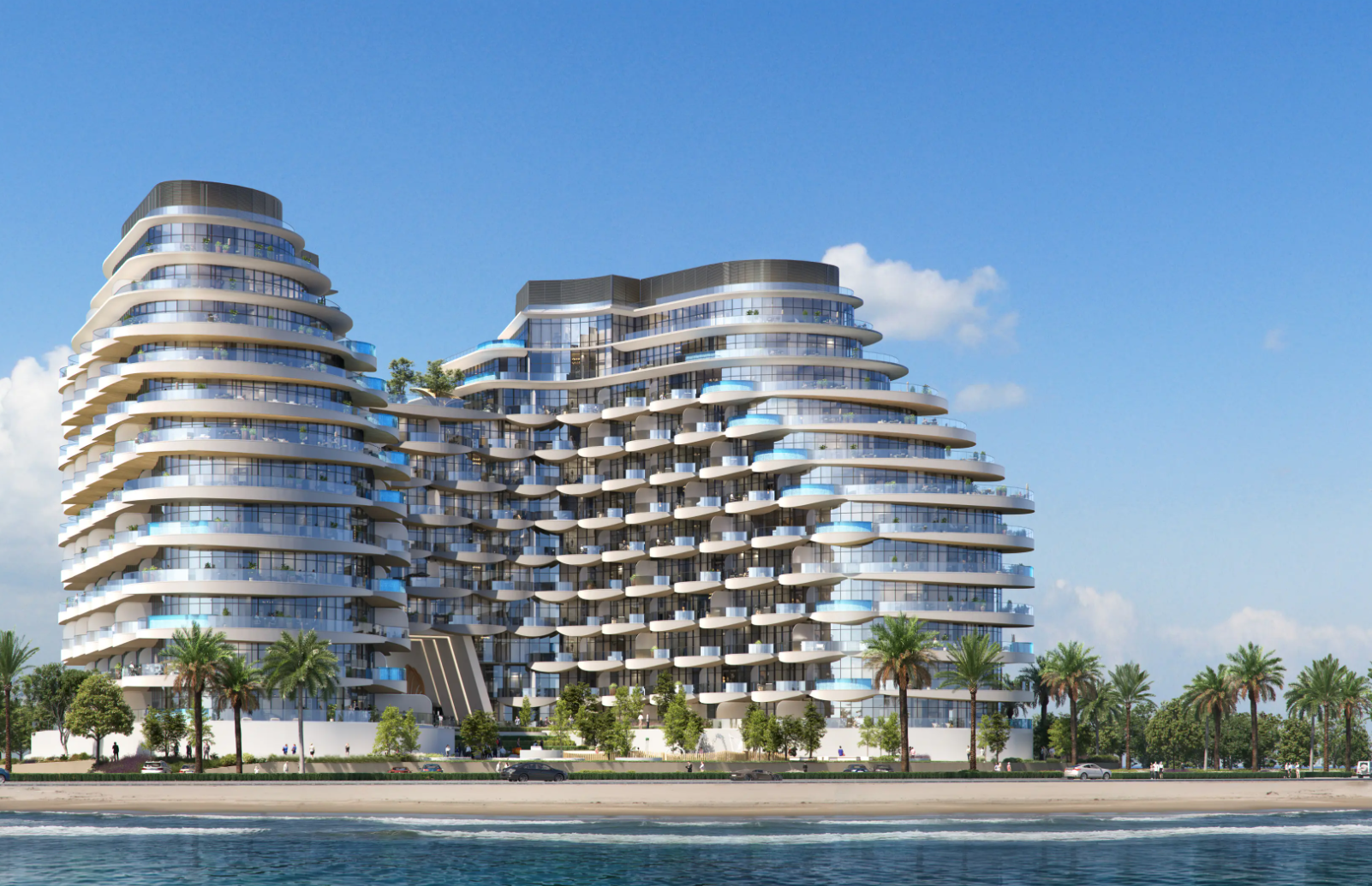
BNW Developments has established a Sydney presence, joining Arada and Sobha Realty among the growing number of UAE developers pursuing Australian buyers and development opportunities.
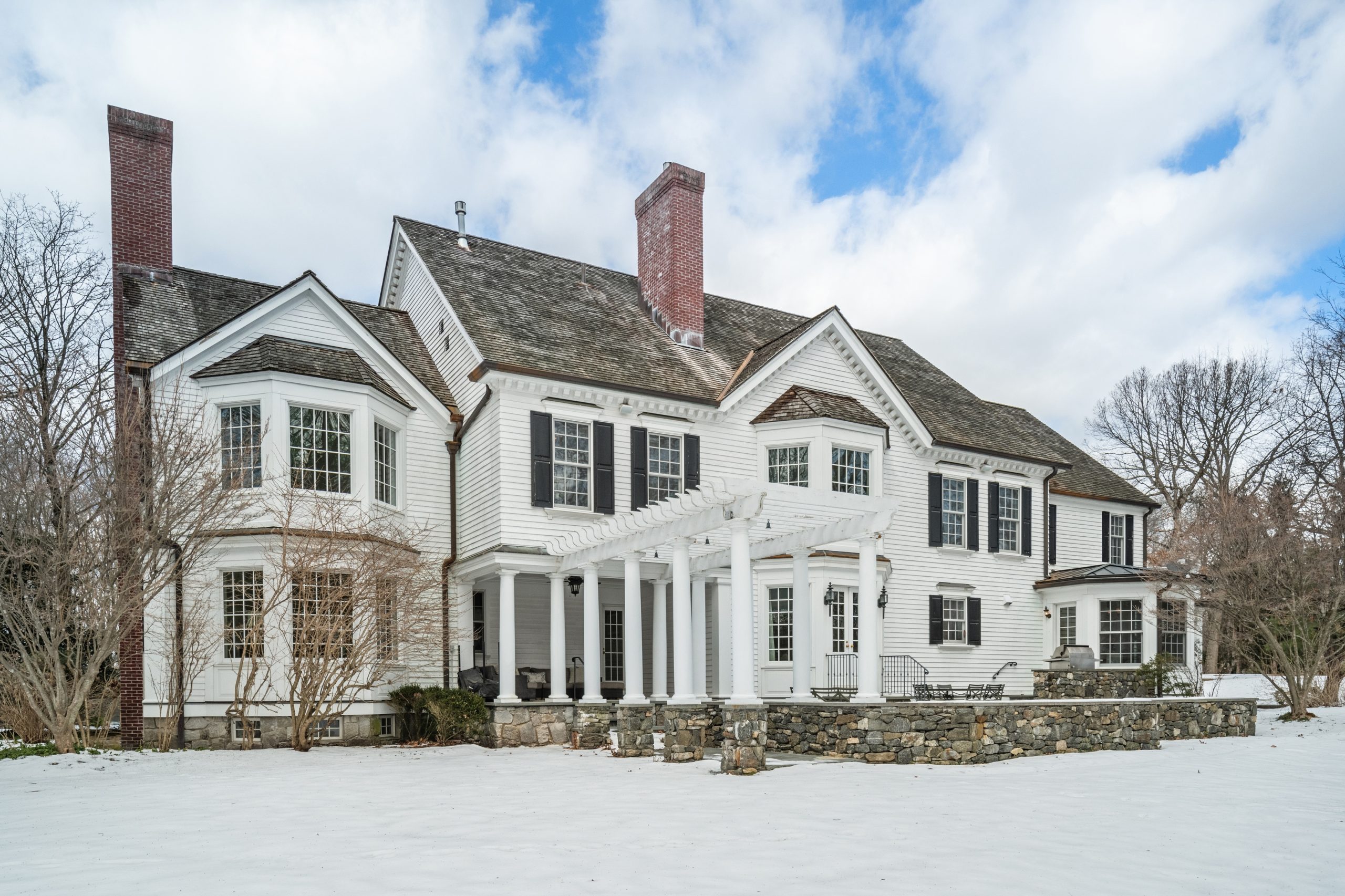
A haven for hedge-fund titans and Hollywood grandees, Greenwich is one of the world’s most expensive residential enclaves, where eye-watering prices meet unapologetic grandeur.