Tax deductions you never knew you could make
Disappointed with last year’s return? Here’s some of the lesser known deductions to ensure you get the most out your claim
 3 min
3 min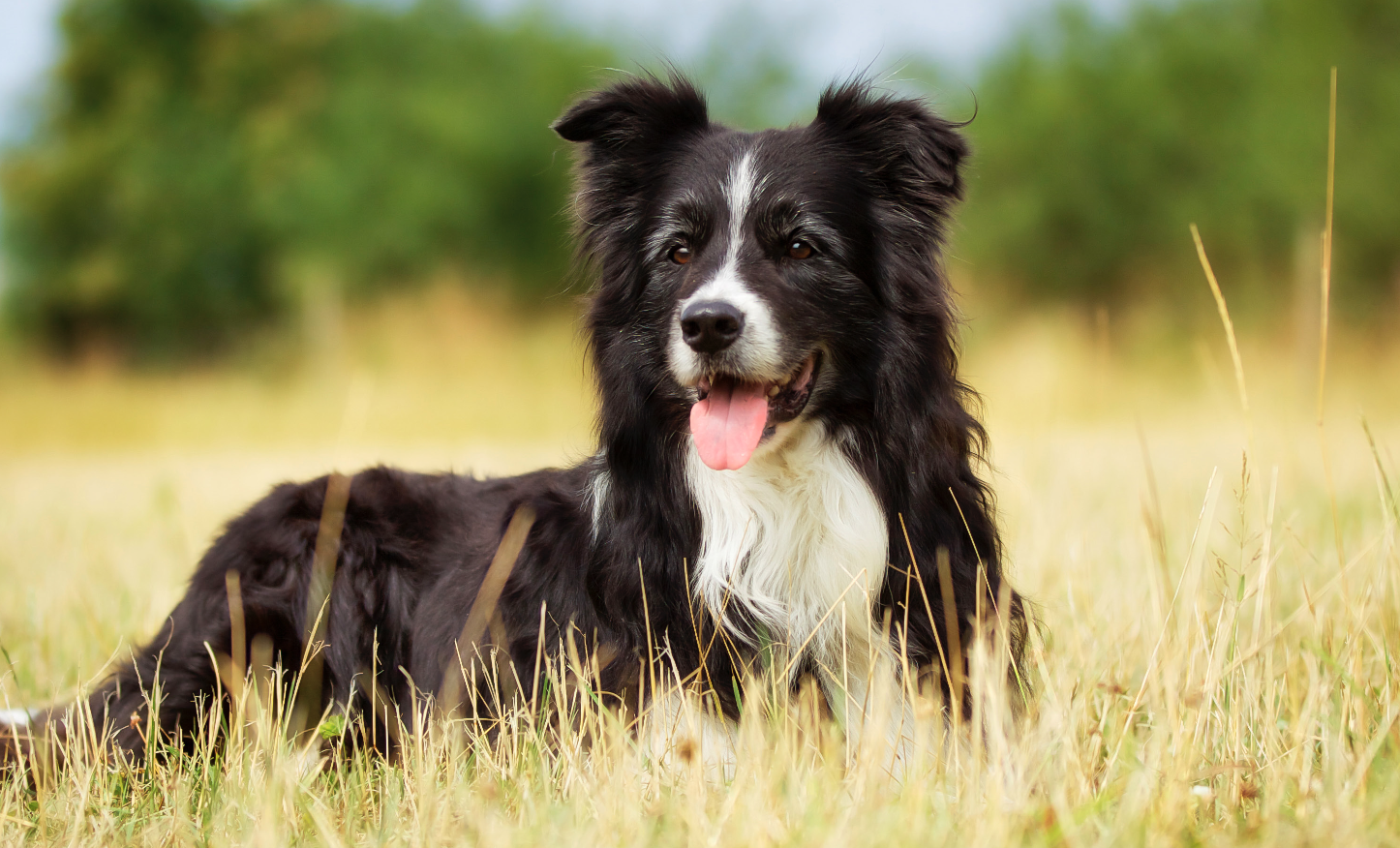
Making sure you claim everything you’re legitimately eligible for can have a big impact on your annual discretionary income. But do you know what you can claim?
What is tax deductible?
When completing your tax return, bear in mind that there are a number of tax deductions you can claim against expenses related to your work. What each person can claim will vary depending on their occupation. To make a deduction for a work-related expense, you need to have spent the money yourself without being reimbursed by work, and the cost needs to directly relate to earning your income. You’re also going to need a record to prove the expense, usually a receipt.
While travel expenses, home office expenses, education and mobile phone expenses are commonly claimed, there are a number of deductions often overlooked that you may be able to claim when completing your tax return.
Artwork
Regardless of why you bought your latest artwork, the Australian Taxation Office views artwork as both an investment and a depreciating asset, meaning you can claim it as a tax deduction. How much you can claim will be determined by the size of your business and whether you are an employee.
If you work from home, you can claim a deduction for your artwork up to the value of $300 as part of your home office expenditure. Small and medium sized business owners can make a much higher claim for artwork.
An apartment in another city
Investment properties purchased away from your home that you stay in when travelling for work can be claimed.
Under ATO guidelines, if you’re required to work away from home and you choose to rent or buy an apartment in the other work location rather than relying on hotel accommodation, you can claim a deduction for the work-related costs that apply to the apartment. This includes rent or interest on the mortgage.
Work handbag
Each year, you are allowed to claim a bag that you use for work. This could be a laptop bag or backpack used for carrying work-related items, but claiming a designer luxury handbag, may raise a few eyebrows at the ATO. If you carry your laptop, tablet and paperwork in a bag for work, then claim it. If you’re using it for gym equipment or your lunch, don’t.
COVID tests
The ATO will let you claim the cost of a COVID test if it was used to see whether you are sick and therefore unable to attend work. This is particularly the case if you’re in a customer-facing role and you need to purchase the test to stop the spread of the disease.
Man’s best friend
In some limited circumstances, you may be able to claim a deduction for the cost of buying and caring for a dog if they assist in your occupation. The two most common scenarios for this claim are farming and security reasons.
A caravan
The ATO allows for travel expense claims and there have been instances where taxpayers have claimed a caravan — and it was accepted. If you travel extensively for work and a caravan is saving you from paying for a hotel room, you may be able to apportion the deduction if it is used for work, rather than private use.
Meals away from home
If you’re travelling for work, you can claim the cost of meals when you travel and stay away from home overnight. You may also be able to claim a deduction for the cost of a meal you buy and consume when working overtime.
Media subscriptions
Many media publications are now subscription-based and can be deductible if they relate to your profession. This includes subscriptions to newspapers, professional magazines and podcasts that are linked to your profession.
Desk lamps and stationery
You don’t have to be running a business from home to make work-related claims. If you have a dedicated workspace at home where you’re doing a few hours of work at home a week, you can claim a number of related items, including lamps, stationery, a shredder and printer cartridges.
Protective clothing
If it’s related to your work, you can claim
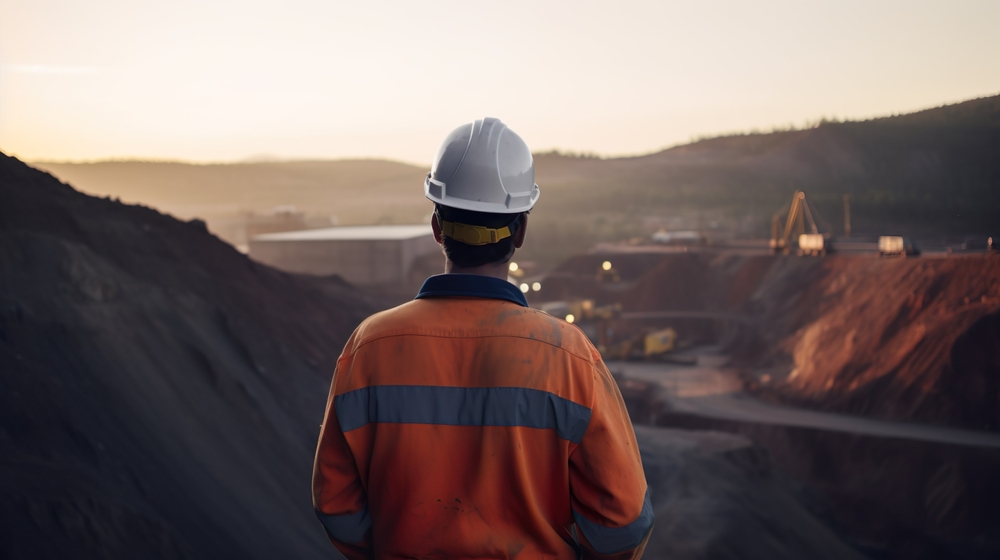
the cost of buying items like fire resistant clothing, steel-capped boots, hi-vis vests or sun protection. This can apply to people working directly on site, like construction workers, but also related industries, such as engineers and architects who visit.
Depending on your industry, you can claim items that relate to your work, including a bullet proof vest if you’re a police officer or anything used that relates to your performance if you’re a professional athlete. Media professionals can also claim sunglasses if they are required to be out in the sun in the course of their work.
While you’re at it, you may also be able to claim the costs to clean occupation-specific clothing, so ask your tax accountant.
Tax accountancy fees
Last but not least, the fees you pay for the preparation of your annual tax return if you used a tax agent to prepare and lodge your tax return can be claimed on this year’s tax return.
The ATO has a number of online tools and calculators to help you calculate your deduction correctly, including work from home, self-education and car expenses.
Visit the ATO website and type ‘calculators’ into the search bar.
Australian shares fell on Thursday as Wall Street weakness, rising oil and persistent rate concerns weighed on most of the market. The S&P/ASX 200 declined 0.72 per cent to 8,702. The All Ordinaries lost 0.66 per cent to finish at 8,897. Mining stocks were hit particularly hard, while real estate also dragged on the index. …
Continue reading “ASX falls 0.7 per cent as miners and property stocks retreat”

Borrowers cannot control the Reserve Bank, but they can control how exposed their household budget is to its next decision. The RBA meets on 29 September with inflation concerns still elevated and major-bank economists increasingly bringing forward their rate-rise calls. Fixed mortgage rates have also been moving, reducing the value of waiting for perfect certainty. …
Continue reading “What mortgage holders should do before the next RBA decision”

 2 min
2 minAustralian shares fell on Thursday as Wall Street weakness, rising oil and persistent rate concerns weighed on most of the market.
The S&P/ASX 200 declined 0.72 per cent to 8,702. The All Ordinaries lost 0.66 per cent to finish at 8,897. Mining stocks were hit particularly hard, while real estate also dragged on the index.
Energy was the notable exception, gaining more than one per cent as Brent crude traded above US$103 a barrel. Oil had moved higher amid uncertainty surrounding potential US diesel-export restrictions and broader geopolitical supply risks. The move supported energy producers but renewed concern about inflation inputs across transport and the wider economy.
Gold shares were weak even as spot bullion remained historically elevated. The All Ordinaries Gold index fell about 2.25 per cent, showing that equity performance can diverge from the commodity because of valuation, currency, operating and company-specific factors.
Zip was a prominent loser, falling 11.38 per cent after the company reported short sales after the previous close. Nine Entertainment also weakened after UBS analysts warned of near-term revenue challenges associated with its advertising-supported subscription tier.
Premier Investments led larger winners despite caution about the retail environment. Breville, in which Premier owns a significant stake, also appeared among leading movers. In the broader ASX 300 screen, Myer gained 11.43 per cent and MAAS Group rose 7.93 per cent, while Lotus Resources fell 10.53 per cent. These percentage moves should be checked against company announcements and trading liquidity before attributing causes.
The Australian dollar was broadly flat at US70.38 cents. Spot gold was around US$4,280 an ounce, Brent crude approximately US$103.08 a barrel and iron ore near US$96.90 a tonne late in the session.
The rate outlook remains the central domestic catalyst. Labour-market weakness has not eliminated the possibility of an RBA increase next week, leaving banks, listed property and other rate-sensitive sectors exposed to changing expectations.
Market dashboard
S&P/ASX 200: 8,702, down 0.72 per cent.
All Ordinaries: 8,897, down 0.66 per cent.
Best sector: Energy, up more than one per cent.
Weakest areas: Real estate and materials were the major drags; confirm final sector percentages before publication.
Material winner: Premier Investments led the large-company gainers. Confirm its final closing move from the ASX before publication.
Material loser: Zip, down 11.38 per cent.
ASX 300 percentage leader: Myer, up 11.43 per cent.
ASX 300 percentage laggard: Zip, down 11.38 per cent.
AUD/USD: Approximately US$0.7038, broadly flat.
Australian shares fell on Thursday as Wall Street weakness, rising oil and persistent rate concerns weighed on most of the market. The S&P/ASX 200 declined 0.72 per cent to 8,702. The All Ordinaries lost 0.66 per cent to finish at 8,897. Mining stocks were hit particularly hard, while real estate also dragged on the index. …
Continue reading “ASX falls 0.7 per cent as miners and property stocks retreat”

Two coming 2027 models – the first of the “Neue Klasse” cars coming to the U.S. early next year – have been revealed.