Confidence returns to Australia’s hotels as pressures build
New research shows most accommodation operators are confident heading into the 2025–26 peak season, even as staffing shortages and technology gaps persist.
 2 min
2 min
Australia’s accommodation sector is entering the peak summer travel season with renewed confidence – but structural challenges around staffing and technology adoption remain unresolved.
The third edition of the Australian Accommodation Barometer, released by Booking.com in partnership with Statista, draws on insights from travel executives across hotels, tourism operators and alternative accommodation providers nationwide.
Despite ongoing geopolitical and macro-economic uncertainty, 75 per cent of Australian accommodation operators report a positive business outlook for the coming season, a marked improvement from the sector’s low point of 61 per cent in 2022.
Confidence varies by state, with Victoria recording the strongest sentiment around business development over the past six months.
That optimism is translating into investment. Nearly half of all respondents plan to increase investment in the months ahead, while a further 35 per cent intend to maintain current levels.
Larger chain hotels are leading the charge, while small and mid-sized operators and lower-rated properties are taking a more cautious approach.
One of the clearest growth drivers identified in the report is event-led tourism, which is increasingly helping operators smooth out the peaks and troughs of traditional seasonality.
Among accommodation providers that have felt the impact of events, almost half reported an increase in international or long-haul guests, while 46 per cent saw stronger booking volumes during typically quieter periods.
Financial benefits were also evident, with higher revenue per room and longer stays reported across parts of the sector.
To capitalise on this shift, many operators are embedding events into their broader strategies.
More than a third already host events to attract group and non-leisure travellers, while partnerships with wedding planners and event organisers are proving particularly effective.
Looking ahead, over half of respondents plan to actively collaborate with event organisers, and many are seeking closer alignment with local governments and destination marketing bodies.
Yet behind the positive headline figures, staffing remains a persistent pressure point.
On average, Australian hotels expect to hire more than seven employees over the next year, but filling senior and specialised roles continues to be difficult.
High salary expectations, long or irregular working hours and skills shortages were all cited as key barriers, alongside the cost and complexity of training less experienced staff.
Technology adoption presents a similar fault line.
While most operators recognise the potential of digital tools and artificial intelligence, particularly in marketing, customer service and cybersecurity, uptake remains uneven.
High implementation costs, integration challenges and a lack of technical expertise are slowing progress, particularly for smaller properties, raising concerns about a widening digital divide across the sector.
“While the sustained optimism among Australian accommodation providers is genuinely encouraging, our findings highlight clear and urgent challenges,” Todd Lacey, Regional Manager for Oceania at Booking.com, said.
“The skills shortage remains a major bottleneck, and the high cost and complexity of digital technology risks creating a digital divide where smaller businesses are left behind.
“However, the industry is not standing still; proactive strategies like embracing collaborative approaches to event tourism are showing real success in tackling seasonality, with accommodations seeing a crucial rise in bookings during typically low-demand periods.”
As Australia is in the midst of a busy summer, the barometer suggests an industry buoyed by demand and opportunity, but increasingly defined by a split between those able to invest and adapt, and those struggling to keep pace.
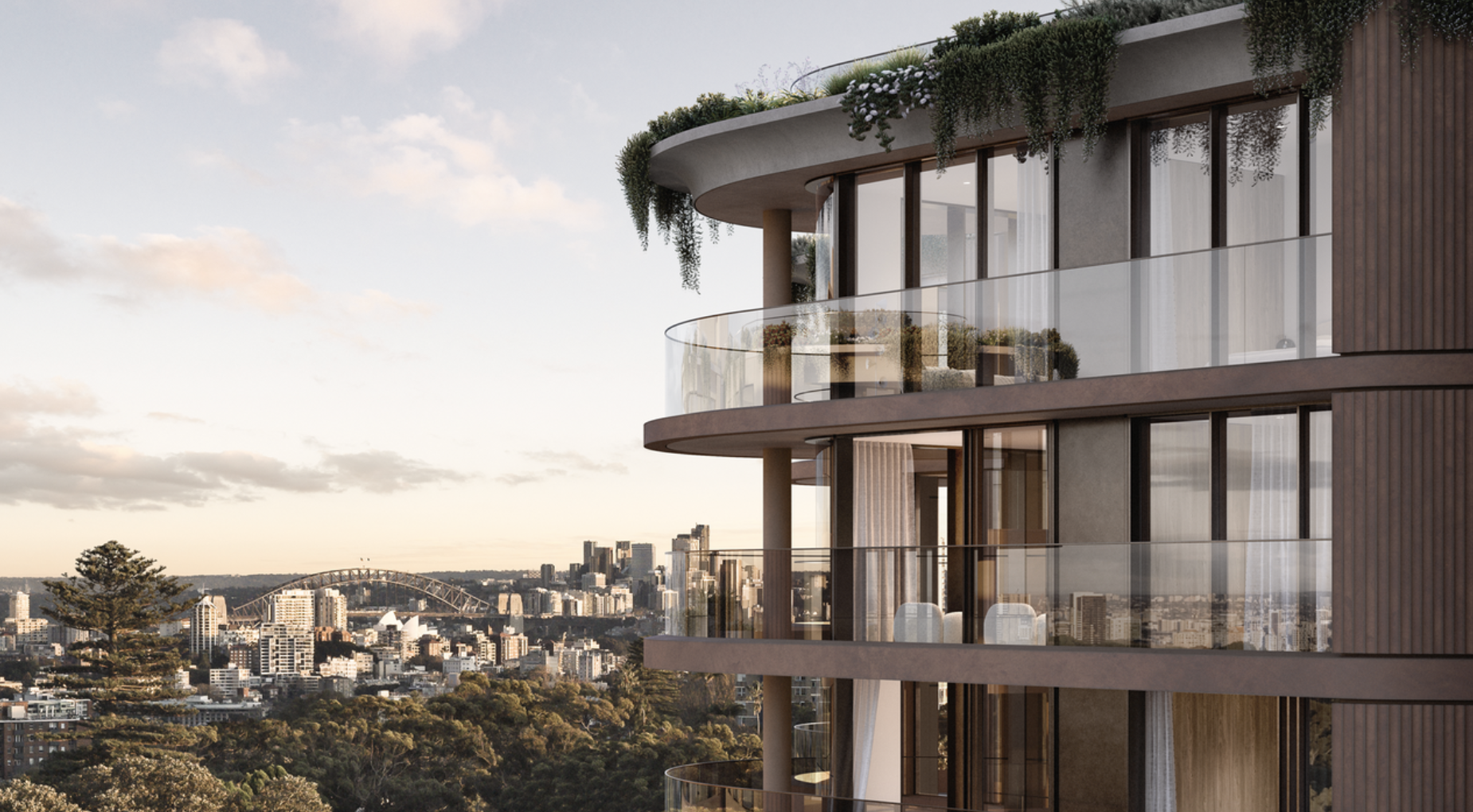
A record-breaking $11 million sale at The Centennial Collection has set a new benchmark for luxury apartment living in Bondi Junction.

As interest rates, inflation and market sentiment fluctuate, investors are being urged to focus on data, not panic.


The federal budget has rattled property investors. But the biggest mistake isn’t the tax changes, it’s the conclusion many are drawing from them.
2 min
The recent budget has forced a reckoning for property investors.
Negative gearing now restricted to new residential builds, the CGT discount gone and on paper, the numbers look different.
And many investors are responding by pivoting toward yield, prioritising cash flow over capital growth in a way that property strategists say misses the point entirely.
“The debate has shifted to yield versus growth as if they are opposing forces,” says Abdullah Nouh, founder of Melbourne-based buyers’ agency Mecca Property Group. “But that framing is itself the mistake.”
Nouh, who works with high-net-worth families and investors on long-term acquisition strategy, argues that capital growth remains the primary driver of genuine wealth creation and that the post-budget environment has made quality assets more important, not less.
The numbers make his case plainly. An additional $500 per week in rental income is welcome. A prestige asset appreciating by $1 million over a market cycle is transformative.
These are not equivalent outcomes, and portfolios built around yield at the expense of location and land value tend to generate income while wealth stands largely still.
The more nuanced shift Nouh is seeing among sophisticated investors is a move toward assets where both outcomes can be engineered simultaneously – established homes on substantial land in quality locations, where the existing dwelling can be repositioned, rental returns improved, and the underlying land value compounds independent of what sits on it.
For investors with existing equity, commercial property is also entering the conversation in a more serious way.
Prestige industrial assets, medical centres and long-leased essential retail offer income profiles that residential property in most capital city markets cannot currently match: longer lease terms, tenants covering outgoings, and greater predictability than the residential tenancy cycle.
“The investors who build lasting wealth are rarely the ones who chased yield or growth exclusively,” says Nouh.
“They are the ones who built a strategy they could sustain – one that generated enough income to hold quality assets through multiple cycles while those assets compounded in value.”
The budget has changed the settings. It has not changed the fundamentals.
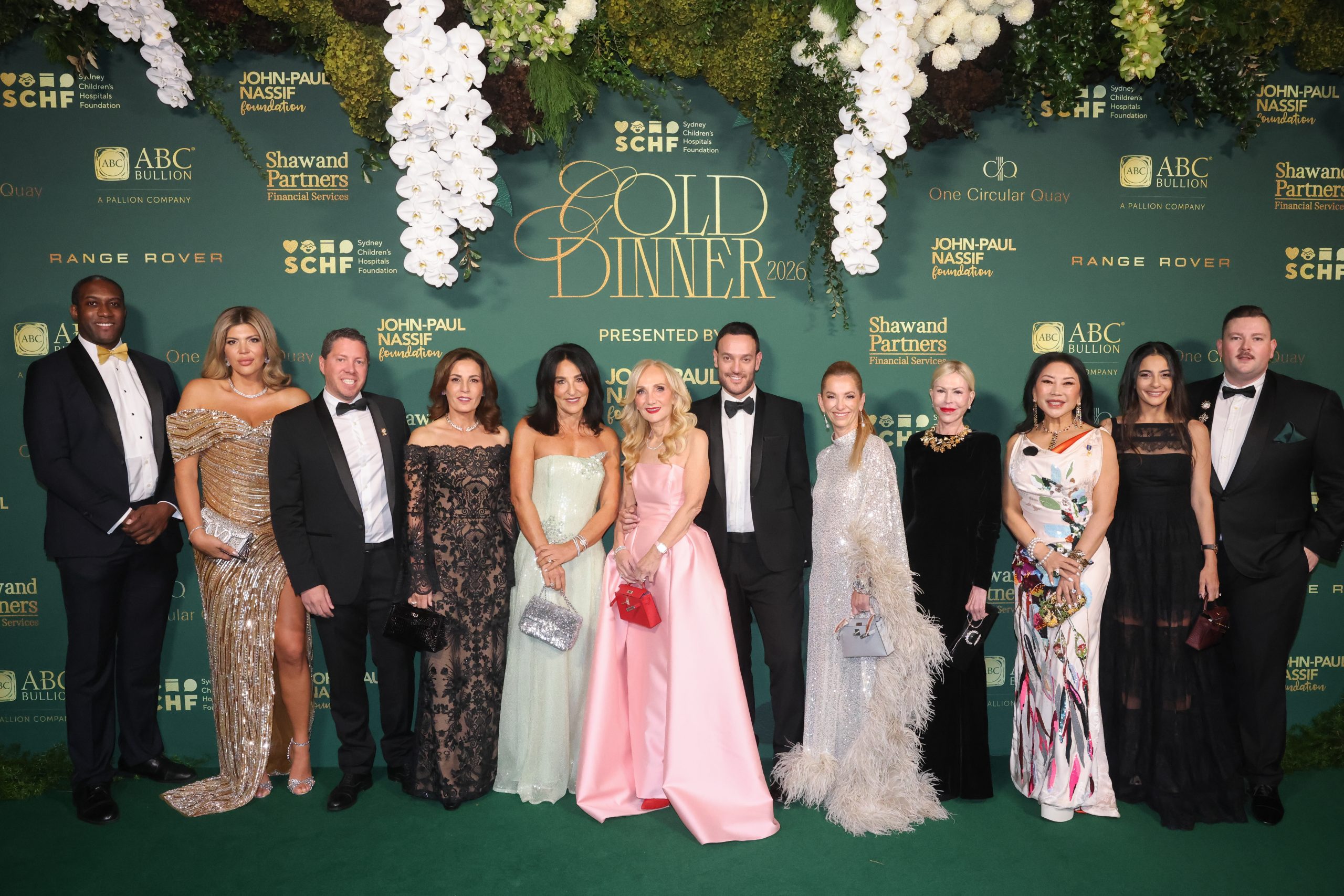
Sydney Children’s Hospitals Foundation CEO Kristina Keneally says Australia’s culture of large-scale philanthropy is becoming more sophisticated as Gold Dinner raises $75.5 million for children’s health, research and innovation.

Powerhouse real estate couple Avi Khan and Kaylea Sayer welcome their daughter while balancing record-breaking careers, proving success and family can grow side by side.