

Feadship’s 115-Metre HIVE Reimagines the Superyacht Around People
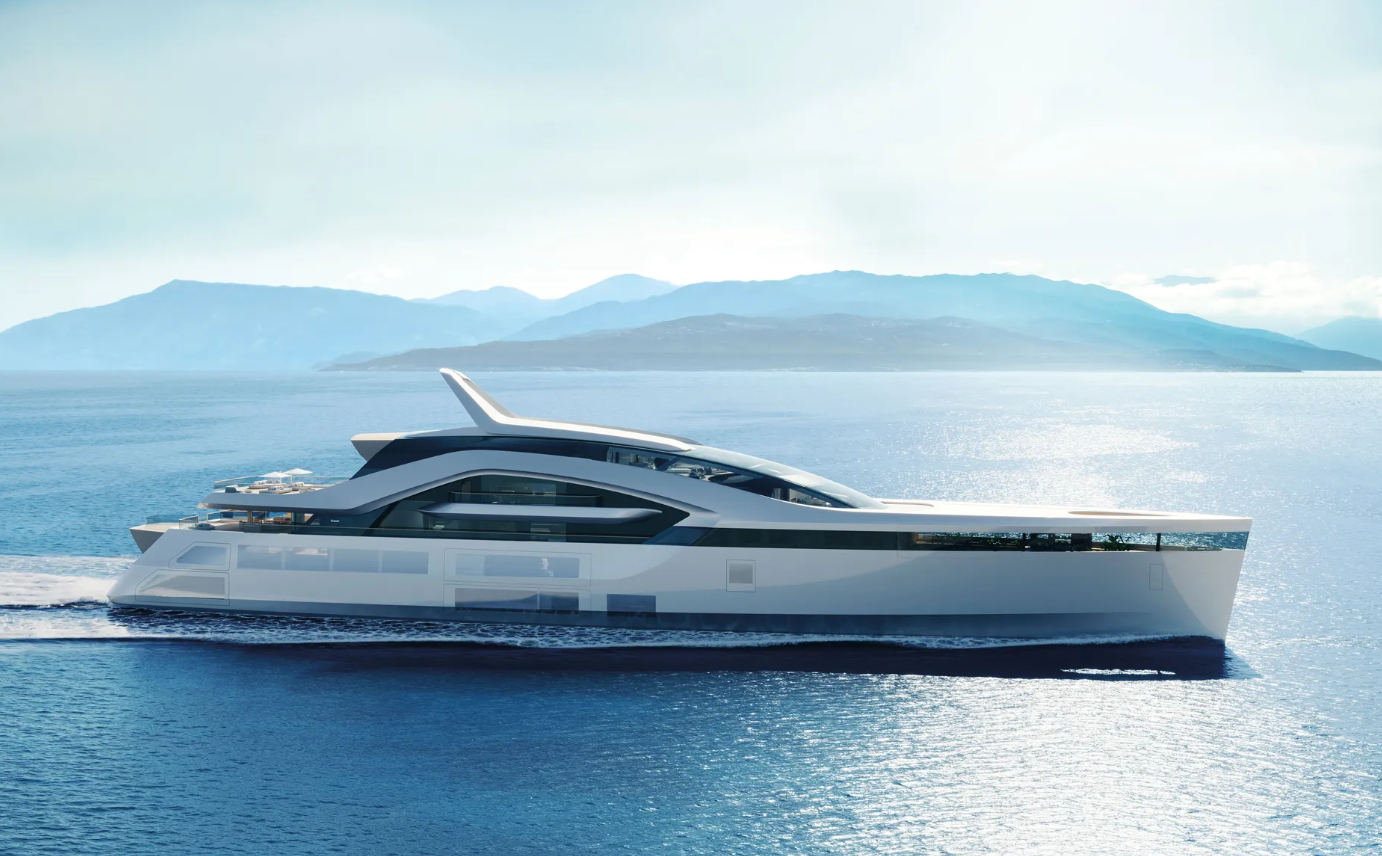
On the owner’s deck, a 20-metre swimming pool incorporates Feadship’s patented ContraWave technology and extends indoors as a suspended, glass-bottomed infinity pool.
 5 min
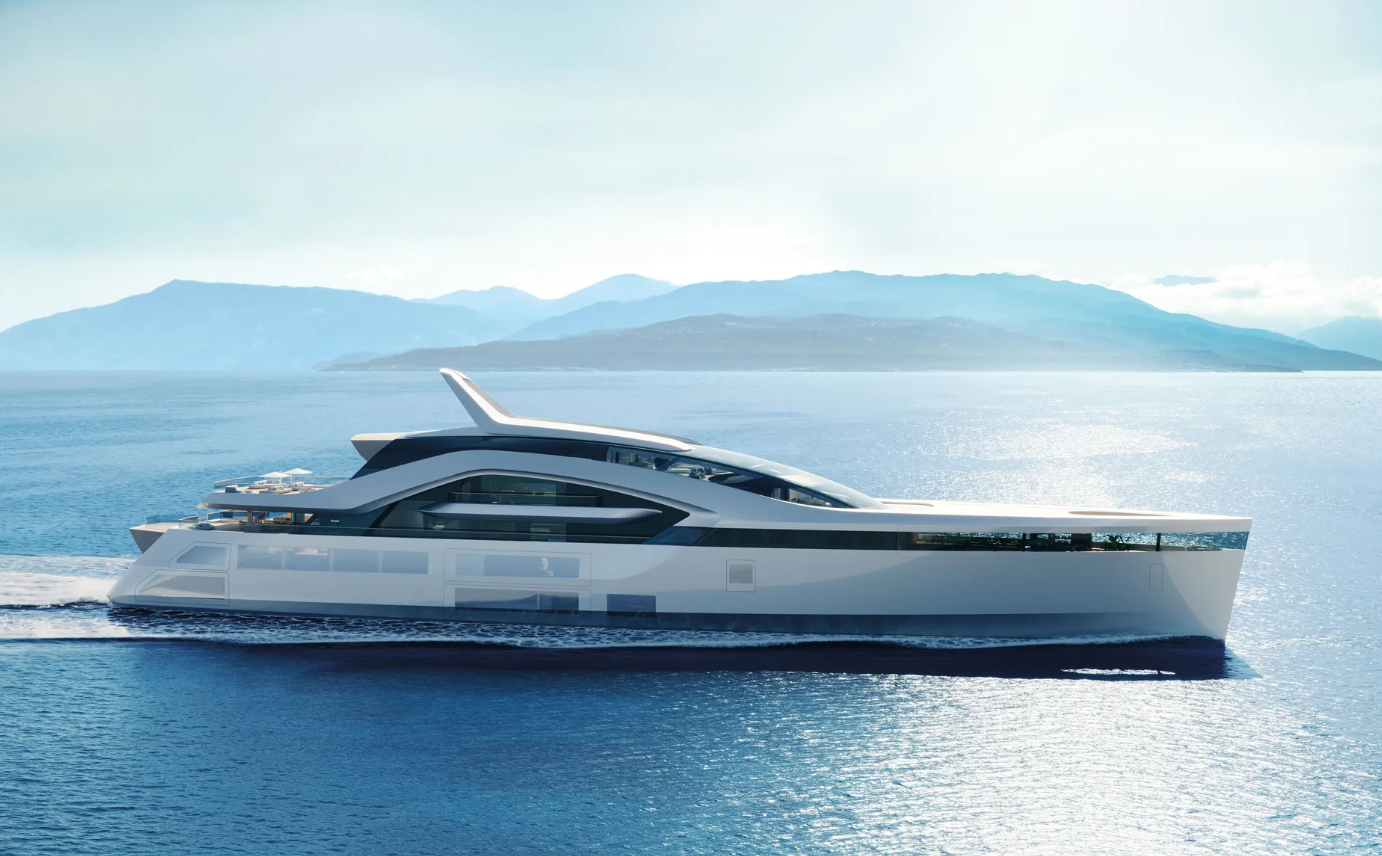
Unveiled at the Monaco Yacht Show, Feadship’s largest concept yacht to date places human connection at the centre of its design, with a four-deck social space, underwater lounge, 20-metre swimming pool and an unconventional approach to life at sea.
The world’s largest superyachts have traditionally been defined by their dimensions, engineering and increasingly elaborate amenities. Swimming pools, private cinemas, beach clubs and helicopter landing pads have become familiar features of vessels built for the world’s wealthiest individuals.
But Dutch superyacht builder Feadship is challenging that approach with HIVE, a 115-metre concept unveiled at the 2026 Monaco Yacht Show that begins not with the yacht itself, but with the people who might live aboard it.
The largest concept design in Feadship’s history, HIVE has been developed by the company’s Studio De Voogt design team, led by senior designer Jan Schaffers, alongside its naval architects and engineering specialists.
Rather than following the traditional process of arranging guest suites, entertainment spaces and technical facilities across a series of decks, the designers began by imagining a family of four and considering how each member might want to spend their time at sea.
The result is a yacht built around a central gathering space, with a series of individual environments allowing owners and guests to move between shared experiences and more private pursuits.
“HIVE is designed around the idea that experiences can change people,” Schaffers said.
“We wanted to explore what becomes possible when you start not with what a yacht has always been, but with how people might want to live on board in the near future.”
It is a philosophy that marks a departure from the conventional superyacht layout, where individual decks and dedicated entertainment areas often dictate how guests use the vessel.
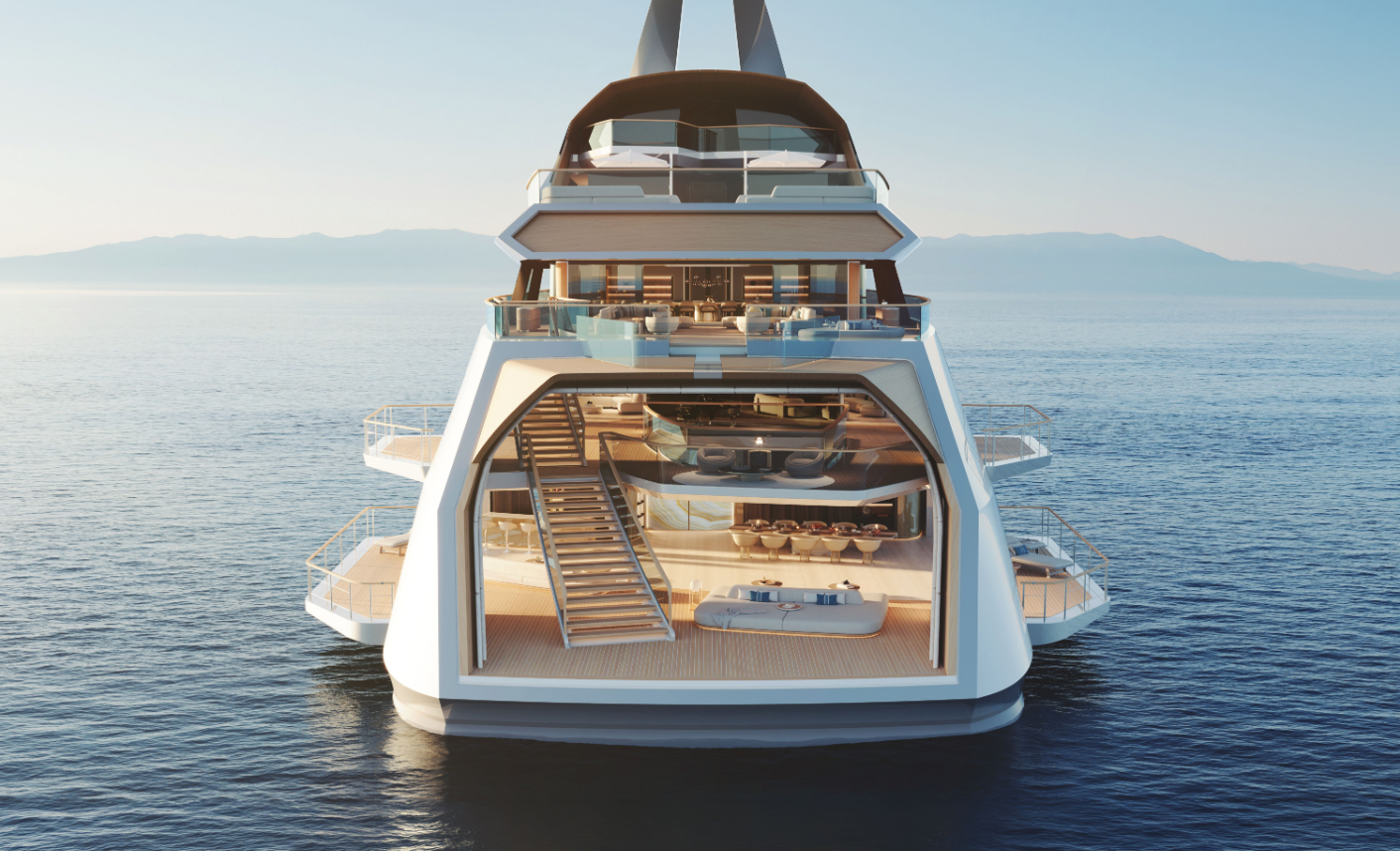
At HIVE’s centre is an extraordinary open space extending across four decks, conceived as the social heart of the yacht.
On the main deck, the space can function as a grand saloon, performance stage or auditorium, with terraces opening on either side to connect the interior with the surrounding sea.
Curved staircases rise through the central volume, linking balconies and smaller gathering spaces overlooking the main area. Behind the scenes, dedicated service pantries, furniture storage and a green room allow the space to be adapted for everything from intimate family gatherings to concerts, lectures and large-scale entertaining.
The concept draws inspiration from the salons of 1930s Paris, where artists, intellectuals and cultural figures gathered for conversation, performances and the exchange of ideas.
That influence is deliberate. Feadship wanted to create a vessel that could facilitate interaction rather than simply provide a collection of luxurious spaces.
The idea was also shaped by six finalists from the Boat International Young Designer of the Year competition, who were invited to work alongside Studio De Voogt’s designers in the Netherlands.
Their discussions repeatedly returned to the importance of a central place where people could come together before naturally moving towards their own activities.
For a yacht of this scale, the approach offers a different interpretation of luxury: the freedom to spend time together without requiring everyone on board to follow the same routine.
Beyond the central gathering space, HIVE offers a collection of environments that would be remarkable even by the standards of contemporary superyacht design.
A two-storey beach lounge opens towards the water, connecting to an outdoor dining area capable of accommodating 24 or more guests.
On the owner’s deck, a 20-metre swimming pool incorporates Feadship’s patented ContraWave technology and extends indoors as a suspended, glass-bottomed infinity pool.
Elsewhere, an underwater lounge provides views beneath the surface, while a circular, glass-enclosed library on the foredeck opens onto a secluded garden.
An observation lounge above features a retractable glass roof, allowing guests to look directly towards the night sky.
The arrangement is intended to accommodate very different interests, from swimming and entertaining to reading, observing marine life or simply enjoying the surroundings.
It also reflects a broader shift in superyacht design, where the relationship between indoor and outdoor environments has become increasingly important.
HIVE’s extensive glazing, opening terraces and connected living spaces are intended to create a greater sense of openness than traditional multi-deck yacht configurations.
The exterior design reinforces that philosophy.
Despite its 115-metre length, HIVE has a long, low profile, with a largely glazed superstructure that reduces the visual separation between decks.
The design builds on ideas previously explored in Feadship’s Pure and C concepts, particularly the opportunity to reconsider the traditional placement of the bridge.
Instead of a conventional wheelhouse occupying a prominent forward position, HIVE uses a virtual command centre supported by cameras and sensors.
Retractable glass wing stations provide direct visibility during close-quarters manoeuvring, while the alternative arrangement frees up valuable forward space for the owner’s accommodation and observation lounge.
It is an example of how technological development can influence the architecture of a yacht, rather than simply improve its performance.
Feadship has also placed considerable emphasis on ensuring that HIVE’s proposed engineering systems are technically achievable.
Although the vessel remains a concept, its propulsion and electrical architecture have been developed using technologies that already exist or are under active development.
The proposed system combines three 900 kW variable-speed generators operating on hydrotreated vegetable oil, fuel-cell technology and a substantial five-megawatt-hour battery bank.
That battery capacity is approximately five times greater than the installation aboard Feadship’s pioneering hybrid yacht Savannah, while occupying a comparable battery-room footprint.
Two fuel-cell configurations have been considered, including solid oxide fuel cells and a proton exchange membrane system supported by a methanol reformer.
HIVE would also use Voith Schneider Propellers, which provide multidirectional thrust without conventional rudders.
Already established in commercial marine applications, the technology offers precise manoeuvrability, low-noise operation and dynamic-positioning capability.
Feadship’s proposed performance figures include a cruising speed of 12 knots, a maximum speed of 16 knots and a range of up to 9,500 nautical miles when operating on HVO.
While these remain projected figures rather than results demonstrated at sea, they illustrate the level of technical development behind the concept.
For Feadship, HIVE continues a programme of experimental designs dating back to 2006, through which the Dutch builder has explored emerging technologies and changing expectations of life aboard large yachts.
Ideas investigated in earlier concepts have subsequently influenced completed vessels, including developments in hybrid propulsion, structural glass and alternative fuels.
HIVE is therefore more than an exercise in imagining an exceptionally large yacht.
It represents an attempt to reconsider the fundamental relationship between the people aboard a vessel and the spaces they inhabit.
For all its extraordinary dimensions, the thinking behind HIVE begins with a relatively simple question: how can a yacht bring people together while giving them the freedom to enjoy their own interests?
The answer is a design that places shared experiences at the centre of life at sea, with technology, architecture and engineering developed around them.
Whether HIVE is ever built in its current form remains to be seen. But as a statement of where superyacht design could be heading, it suggests that the next generation of luxury vessels may be defined less by the number of amenities they contain and more by the experiences they make possible.
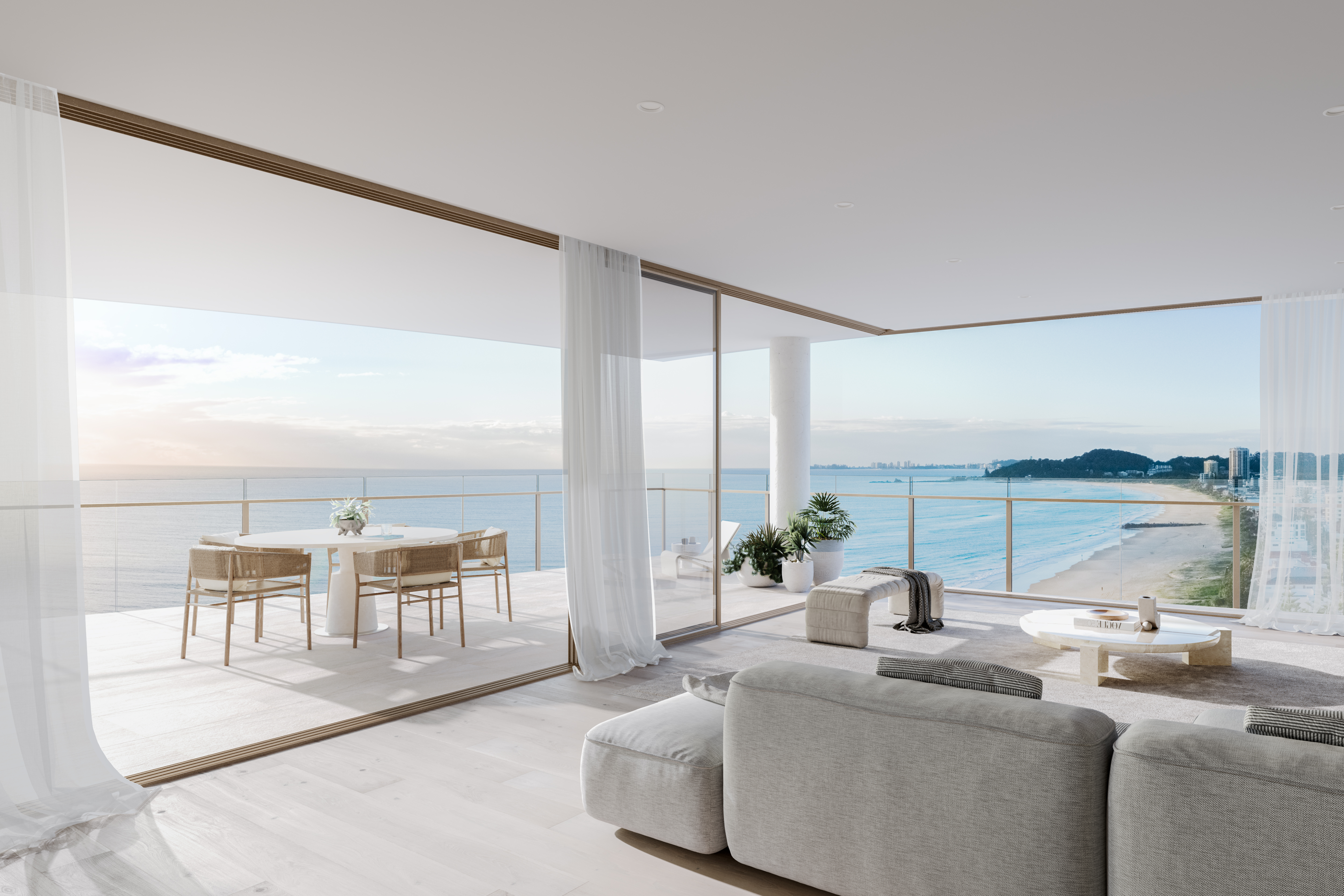
A Sydney couple has paid $15.5 million for the Grand Penthouse at Marquee’s $285 million La Belle Residences beachfront development which is nearing completion at Palm Beach, eclipsing the record for an off-the-plan apartment sale on the southern Gold Coast. The sprawling single level 640 sqm beachfront residence, with sweeping views of the Gold Coast …
Continue reading “$15.5m La Belle Penthouse eclipses southern Gold Coast record”
On the owner’s deck, a 20-metre swimming pool incorporates Feadship’s patented ContraWave technology and extends indoors as a suspended, glass-bottomed infinity pool.
 2 min
On the climb up Queenstown Hill, Lamborghini’s guests switched their Urus SEs into Terra mode. The off-road ascent gave drivers a chance to feel how the plug-in hybrid SUV handled loose terrain and found traction. At the summit, they could look out over Queenstown towards The Remarkables and Coronet Peak.
The climb was part of Esperienza Terra, which Lamborghini brought to New Zealand’s Southern Alps from 13 to 28 October 2026. Customers from across Asia-Pacific arrived in eight groups. Australian and New Zealand guests spent three days and two nights in Queenstown, while those from other markets in the region stayed for four days and three nights.
The route mixed winding alpine roads with off-road trails. Strada mode offered a more comfortable setting for the road sections, while Sport sharpened the SUV’s responses through the bends. On Queenstown Hill, Terra mode worked with the four-wheel-drive system and adaptive air suspension to manage traction on the climb.
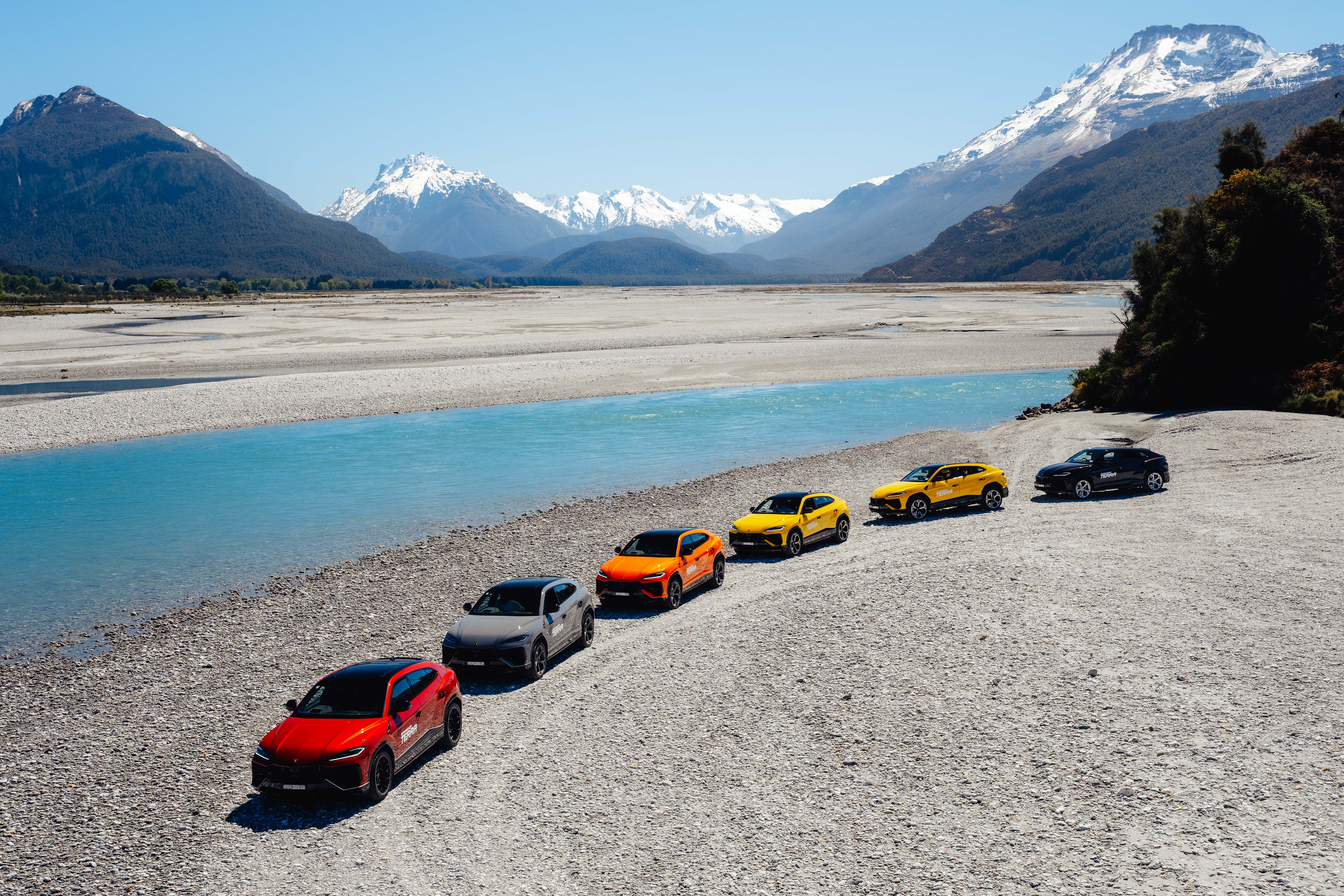
A 4.0-litre twin-turbo V8 and an electric motor give the Urus SE a combined 800 CV (588 kW) and 950 Nm of torque. It is Lamborghini’s first plug-in hybrid SUV and one of three model families in the company’s hybrid line-up, alongside the V12 Revuelto and V8 Temerario.
“Queenstown is a remarkable destination for Esperienza Terra, reflecting our ambition to offer customers experiences that are as memorable as the drive itself,” said Francesco Scardaoni, Lamborghini’s Asia-Pacific regional director. He said the programme was also a chance for customers to spend time together through a shared interest in the marque.
Away from the cars, helicopter flights took guests over alpine landscapes and glaciers. The itinerary included private dining at Rosewood Matakauri overlooking Lake Wakatipu and a meal at Queenstown’s Rātā, which earned one star in the inaugural Michelin Guide to New Zealand.
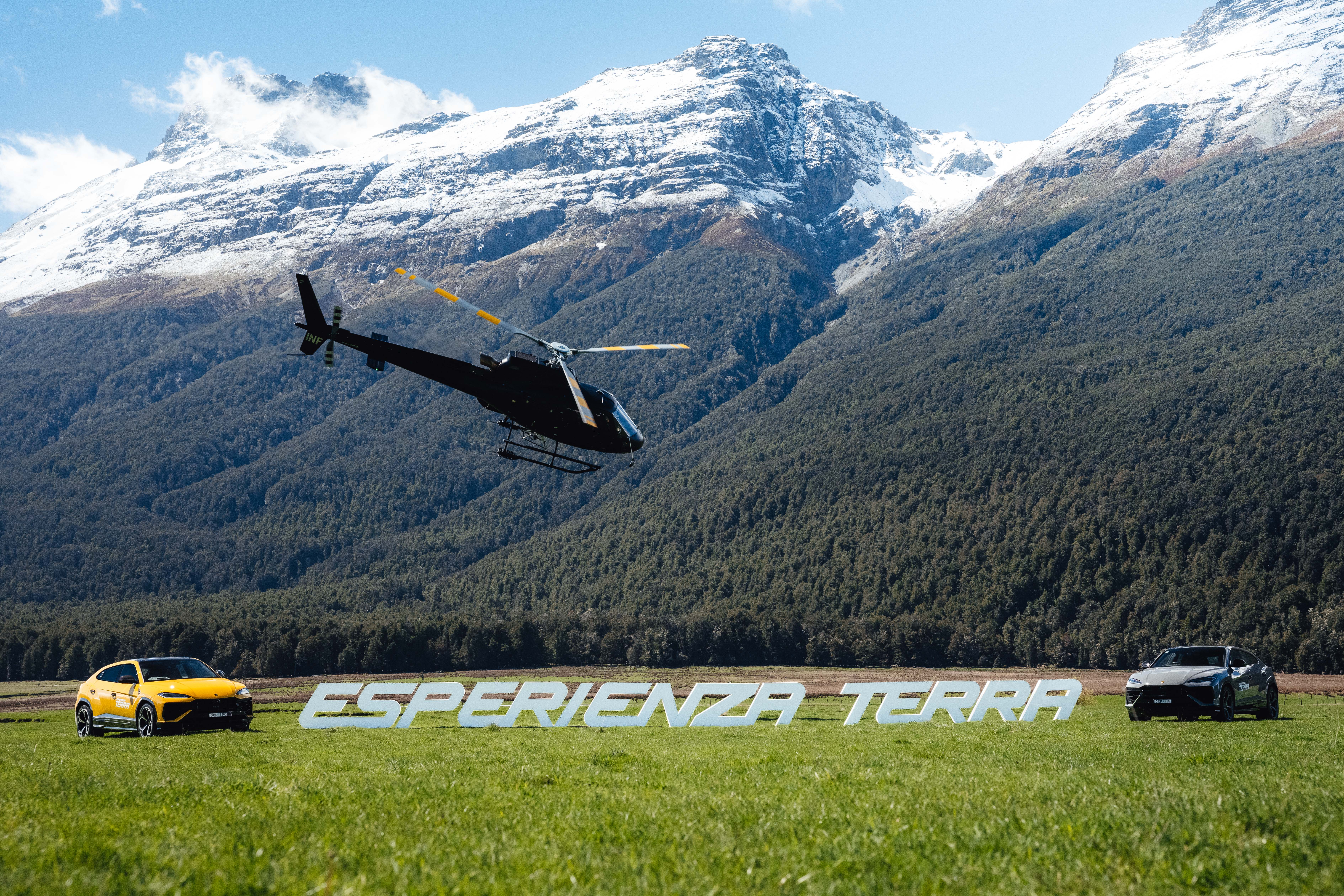
The Queenstown visit was part of Lamborghini’s ongoing series of customer drives across Asia-Pacific, which uses the region’s varied terrain to showcase what its cars can do and bring owners together.
Urus SE efficiency figures
Lamborghini’s event release lists weighted combined WLTP consumption of 21.4 kWh/100 km and 5.71 L/100 km, with CO₂ emissions of 140 g/km and a CO₂ class of E. With the battery discharged, combined fuel consumption rises to 12.9 L/100 km and the CO₂ class is G.
About Lamborghini
Founded in 1963 in Sant’Agata Bolognese, near Bologna, Lamborghini draws on motorsport to develop technology for its road cars. Its back catalogue spans the Miura, Countach, Diablo and Aventador, as well as limited editions such as the Sesto Elemento and Fenomeno.
Its current range includes the performance-focused Urus SE Performante and the Revuelto SV, the latest V12 in its Super Veloce lineage. The company says it employs more than 3,000 people and has 188 dealers across 57 countries.
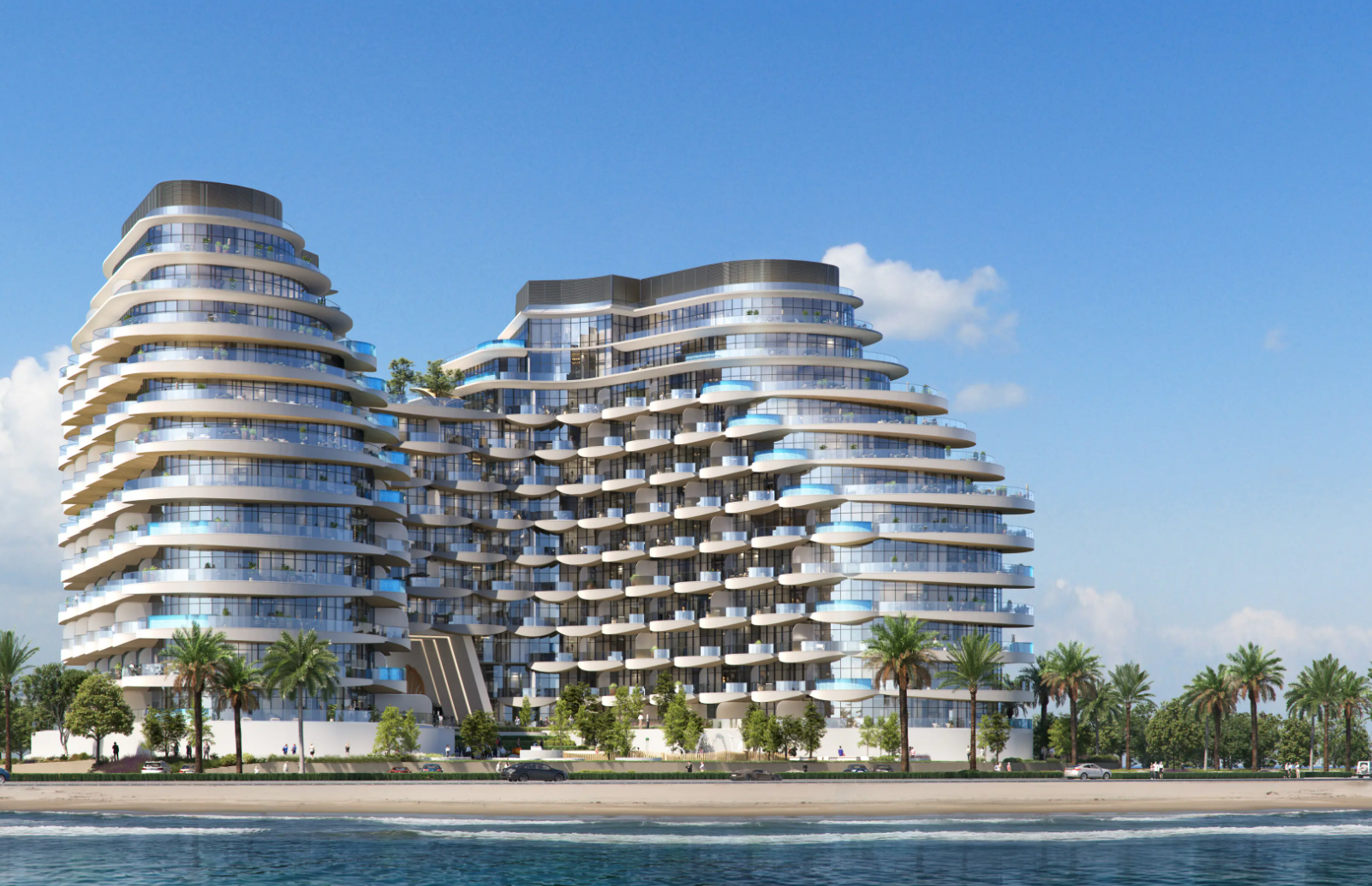
BNW Developments has established a Sydney presence, joining Arada and Sobha Realty among the growing number of UAE developers pursuing Australian buyers and development opportunities.
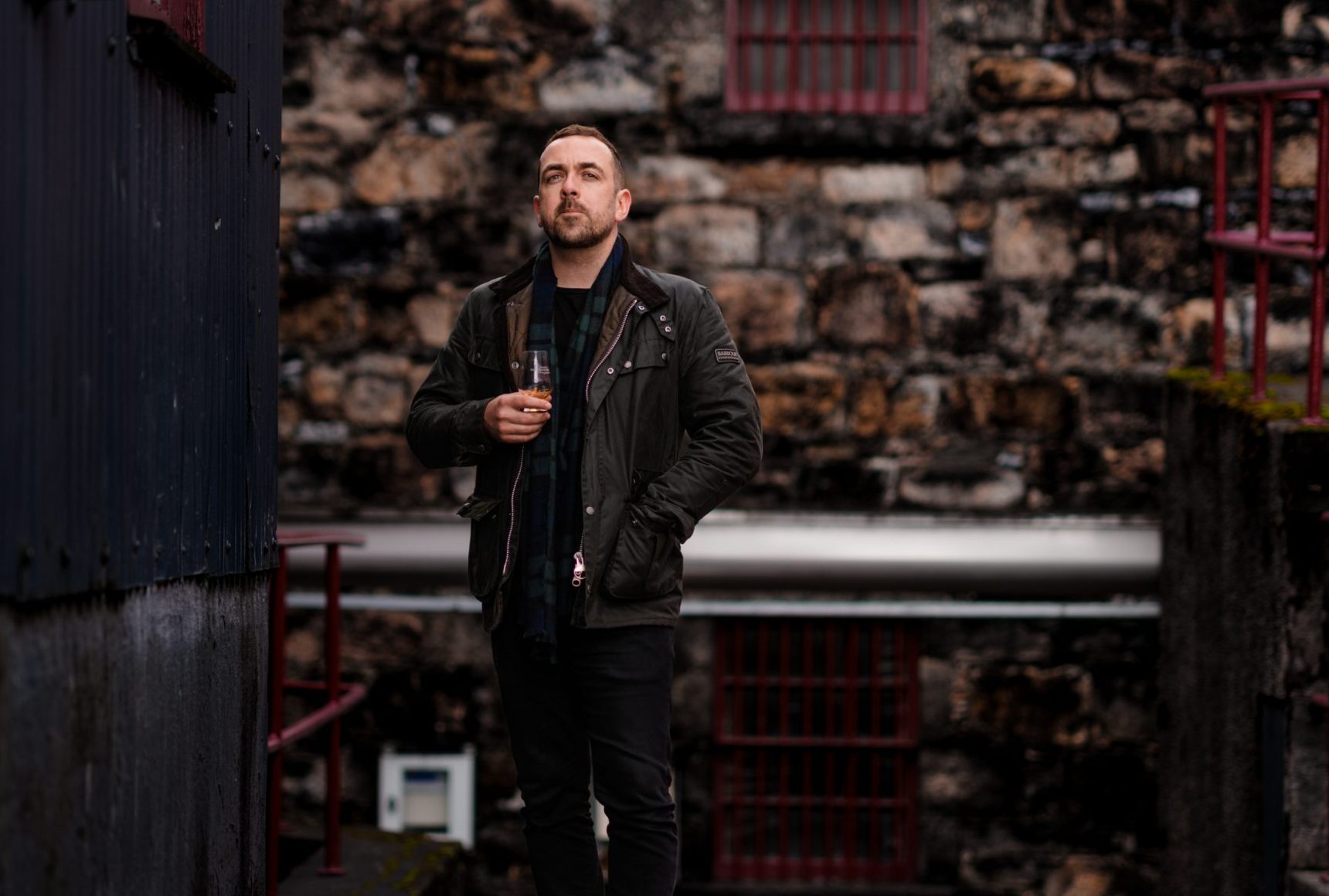
Scotch whisky expert, luxury hospitality strategist and Keeper of the Quaich inductee Ross Blainey is bringing a new philosophy of luxury experiences to Citizen Kanebridge.