5:01 and Done: No One Wants to Schmooze After Work
Office happy hours, client dinners and other after-hours work gatherings lose their lustre as more people feel the pull of home

 3 min
3 min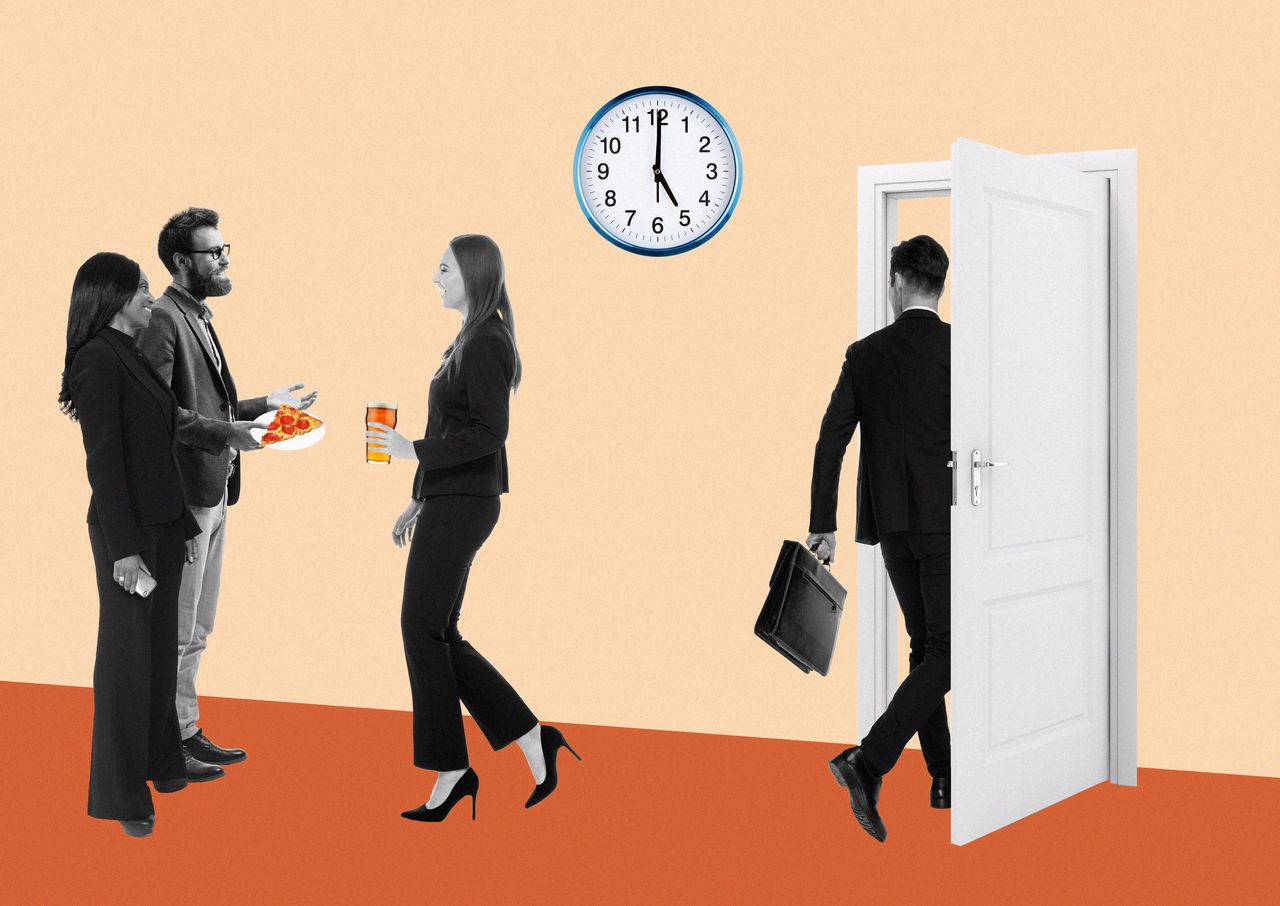
Patience for after-hours work socialising is wearing thin.
After an initial burst of post pandemic happy hours, rubber chicken dinners and mandatory office merriment, many employees are adopting a stricter 5:01-and-I’m-done attitude to their work schedules. More U.S. workers say they’re trying to draw thicker lines between work and the rest of life, and that often means clocking out and eschewing invites to socialise with co-workers. Corporate event planners say they’re already facing pushback for fall activities and any work-related functions that take place on weekends.
“The flake-out rate is so much higher at events now,” says Gretchen Goldman, a research director in Takoma Park, Md.
This summer Goldman sent an invite to 100 colleagues for casual after-work drinks at some picnic tables just outside the office as a goodbye party. She was taking a new job with the federal government. Fewer than 10 showed up.
“I guess people are just busy,” she says.
The pandemic altered eating and drinking habits, and pandemic puppies, now fully grown dogs, have to be walked on a schedule. With fewer people back in offices, there are fewer impromptu happy hours and a lack of interest in staying out late with colleagues, some bosses and workers say.
Andy Challenger oversees employees who participate in the fantasy football league at his outplacement firm, Challenger, Gray & Christmas. When some of them floated the same game plan as prior years—an in-office pizza party that goes past 11 p.m. as everybody drafts their favourite players—the pushback was swift. This season, the pizza arrived at 4:30 p.m. and everyone was finished and out of the office by 6 p.m.
“Normally that would have been the starting time,” he says.
For decades, an unspoken rule of office culture has been that much of work happens outside the 9-to-5 window. Getting ahead often requires being known outside the building and having organisational allies—the type of networking that’s helped by showing up for dinner with the boss and getting relaxed face time with co-workers at happy hours, says Jon Levy, a New York City-based consultant who advises organisations on connection and culture.
Now, even the go-getters are saying no to after-hours schmoozing opportunities.
The thinking is: “That 20th happy hour isn’t going to produce anything better for me,” Levy says.
People are less jazzed about eating out once they are home, and many got pretty good at making dinner during the pandemic, says David Portalatin, food industry adviser at Circana Group, a market research firm.
“When the consumer stretches and builds new muscles, they don’t abandon those behaviours completely,” he says.
In the past year, U.S. consumers had 264 million restaurant dinners after leaving work, which is down 43% from 2019 levels, according to Circana. And reservations are now earlier: In 2023, 26% of after-work restaurant dinners happened before 6 p.m., compared with 21% in 2019.
Barbara Martin hosts bimonthly evening soirees for clients of her marketing firm, Brand Guild. Traditionally, cocktails start flowing around 6:30 p.m. and the mingling could last until 9 o’clock—or beyond. But last Thursday she pulled the start time forward to 5:30 p.m. sharp.
“‘I’d love to come to these if you could do them earlier,’” Martin says she’s heard again and again this summer. “Nobody wants to overbook themselves until 10 p.m. on a weeknight anymore.”
Attitudes don’t appear to be changing as the summer vacation season ends. Kay Ciesla is helping organise an all-staff gathering for 80 people at the American Immigration Lawyers Association, the Washington, D.C., nonprofit where she works as a governance executive. She is considering an ax-throwing theme, and serving finger foods and cocktails.
“I’m already getting pushback,” she says of spending precious time that bleeds into personal hours on team building. Due to scheduling conflicts the group can’t gather until December. One employee voiced concern that the socialising could turn into a superspreader event ahead of Christmas travel.
Doug Quattrini, an event planner in the Philadelphia area, has already booked six Christmas parties. What’s different this year, he says, is that most are on weekdays, in the office—and end at 8 p.m.
“Nobody wants to take up people’s Fridays, Saturdays and Sundays,” says Fausto Pifferrer, co-owner of Blue Elephant Catering in Saco, Maine, near Portland, which has booked several office holiday parties for Monday through Thursday.
Younger Americans are drinking less. The share of people between 18 and 34 who said they “ever” drink alcohol has fallen to 62% from 72% two decades ago, according to Gallup data.
Caroline Wong, the chief strategy officer at Cobalt, a cybersecurity company in San Francisco, quit drinking in her early 30s and tries to plan social gatherings sans alcohol. A team off-site next month will be a tour of waterfalls near Portland, Ore. She’s noticed things wrap up earlier when there’s no drinking involved.
“It’s like, ‘You know what, we hung out for 90 minutes. We’re good and I’ll see you tomorrow,’” Wong says. “I think there’s something awesome about that.”
 Copyright 2020, Dow Jones & Company, Inc. All Rights Reserved Worldwide. LEARN MORE




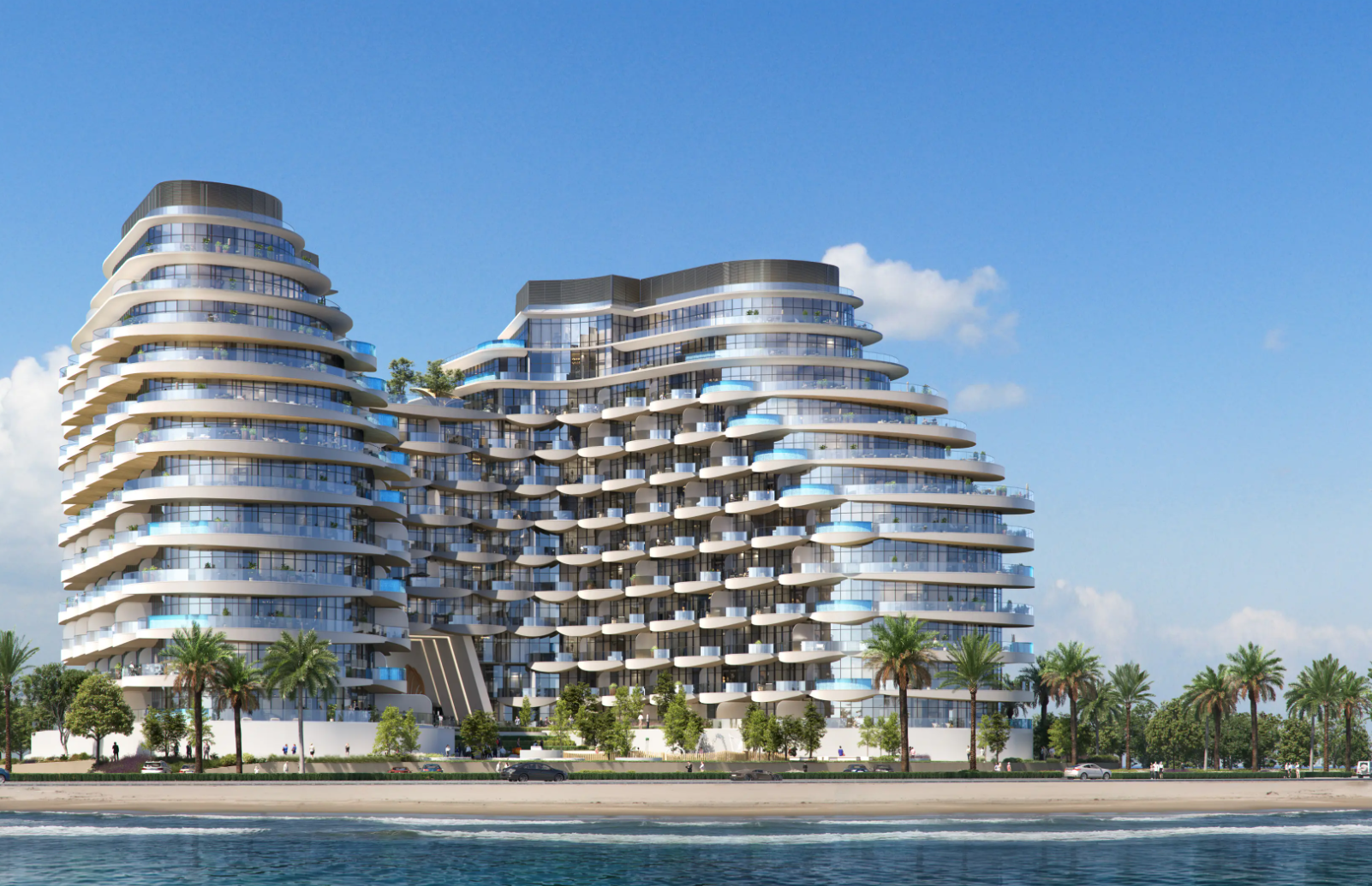
BNW Developments has established a Sydney presence, joining Arada and Sobha Realty among the growing number of UAE developers pursuing Australian buyers and development opportunities.

Australian shares fell on Thursday as Wall Street weakness, rising oil and persistent rate concerns weighed on most of the market. The S&P/ASX 200 declined 0.72 per cent to 8,702. The All Ordinaries lost 0.66 per cent to finish at 8,897. Mining stocks were hit particularly hard, while real estate also dragged on the index. …
Continue reading “ASX falls 0.7 per cent as miners and property stocks retreat”
 2 min
2 minAustralian shares fell on Thursday as Wall Street weakness, rising oil and persistent rate concerns weighed on most of the market.
The S&P/ASX 200 declined 0.72 per cent to 8,702. The All Ordinaries lost 0.66 per cent to finish at 8,897. Mining stocks were hit particularly hard, while real estate also dragged on the index.
Energy was the notable exception, gaining more than one per cent as Brent crude traded above US$103 a barrel. Oil had moved higher amid uncertainty surrounding potential US diesel-export restrictions and broader geopolitical supply risks. The move supported energy producers but renewed concern about inflation inputs across transport and the wider economy.
Gold shares were weak even as spot bullion remained historically elevated. The All Ordinaries Gold index fell about 2.25 per cent, showing that equity performance can diverge from the commodity because of valuation, currency, operating and company-specific factors.
Zip was a prominent loser, falling 11.38 per cent after the company reported short sales after the previous close. Nine Entertainment also weakened after UBS analysts warned of near-term revenue challenges associated with its advertising-supported subscription tier.
Premier Investments led larger winners despite caution about the retail environment. Breville, in which Premier owns a significant stake, also appeared among leading movers. In the broader ASX 300 screen, Myer gained 11.43 per cent and MAAS Group rose 7.93 per cent, while Lotus Resources fell 10.53 per cent. These percentage moves should be checked against company announcements and trading liquidity before attributing causes.
The Australian dollar was broadly flat at US70.38 cents. Spot gold was around US$4,280 an ounce, Brent crude approximately US$103.08 a barrel and iron ore near US$96.90 a tonne late in the session.
The rate outlook remains the central domestic catalyst. Labour-market weakness has not eliminated the possibility of an RBA increase next week, leaving banks, listed property and other rate-sensitive sectors exposed to changing expectations.
Market dashboard
S&P/ASX 200: 8,702, down 0.72 per cent.
All Ordinaries: 8,897, down 0.66 per cent.
Best sector: Energy, up more than one per cent.
Weakest areas: Real estate and materials were the major drags; confirm final sector percentages before publication.
Material winner: Premier Investments led the large-company gainers. Confirm its final closing move from the ASX before publication.
Material loser: Zip, down 11.38 per cent.
ASX 300 percentage leader: Myer, up 11.43 per cent.
ASX 300 percentage laggard: Zip, down 11.38 per cent.
AUD/USD: Approximately US$0.7038, broadly flat.

An opulent Ryde home, packed with cinema, pool, sauna and more, is hitting the auction block with a $1 reserve.

As interest rates, inflation and market sentiment fluctuate, investors are being urged to focus on data, not panic.