The Bill for Offshore Wind Power Is Rising
Prices in recent offshore auctions have increased by anywhere from 20% to 70%

 3 min
3 min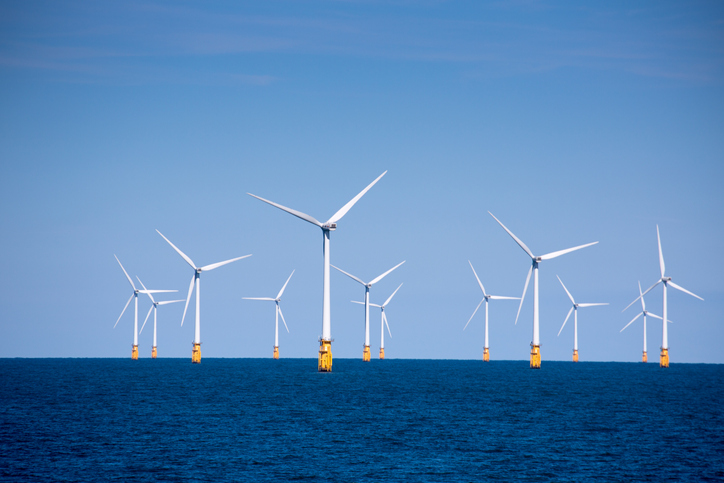
With offshore wind projects bleeding cash, governments will have to pay more to hit their clean-energy targets. Recent auctions show just how much more.
Higher prices for steel, labor and debt financing have raised the cost of developing a wind farm by almost 40% since 2019. It is a big problem for developers like Danish energy company Ørsted, which signed power supply agreements a few years ago at prices that no longer cover today’s costs.
Developers’ struggles are having a knock-on effect on the turbine makers that supply them, including Vestas, GE and Siemens Energy. The latter’s wind unit, Siemens Gamesa, lost €4.3 billion in the company’s latest fiscal year, equivalent to $4.7 billion at current exchange rates—although its issues are mainly with faulty onshore turbines rather than offshore ones.
Germany last week stepped in with a multi-billion-euro state-backed guarantee for Siemens Energy, which told investors at a capital markets day on Tuesday that its wind division won’t make a profit until after 2026. GE says its offshore wind business will lose $1 billion this year, and the same again in 2024.
The industry’s deepest challenges are in the U.S., a market that was meant to be the next growth frontier following the Biden administration’s pledge to install 30 gigawatts of offshore capacity by 2030. Instead, developers are taking multibillion-dollar impairments on U.S. projects, or backing out entirely. According to BloombergNEF, of the 21.6 gigawatts of offshore wind power awarded or signed so far in the U.S., a quarter has been canceled and almost another third is at risk.
Governments are now responding by topping up the prices at which they auction off licenses. Britain was forced to raise its guaranteed price for offshore wind power by 66% after a September auction didn’t attract a single bid. The average price in New York’s latest offshore wind auction in October was a fifth higher than previous rounds, according to BloombergNEF, and the bill could rise further as new contracts include inflation protection that will shield developers from future cost pressures.
Paying higher, more flexible prices for fresh contracts might still end up being a cheaper solution for New York than renegotiating old ones. Developers including BP and Equinor asked for increases of 49% on average over what was agreed in their original power supply contracts. They may pull out after getting a no from the state.
Governments and companies had become used to the cost of renewable energy heading only one way. The global average levelized cost of electricity generated by offshore wind—a measure of the minimum price necessary to cover the lifetime costs of a project—has plunged by 66% since 2009, according to BloombergNEF data.
After years of becoming more competitive as a source of power, offshore wind is beginning to look expensive in some markets compared with fossil-fuel alternatives. Globally, new offshore wind projects still work out cheaper than natural gas ones and are level with coal. But offshore wind looks costly in the U.S., partly because the supply chain is so immature and will need heavy investment for several years.
The new reality makes it harder for governments to meet their net-zero targets while also keeping power costs low for the public. But densely populated areas like New York may not have much choice but to exploit offshore wind. Clean alternatives such as land-based wind and solar farms are tough to roll out where space is at a premium.
The European Union is also aware that if governments don’t do more to support local companies like Siemens Energy, Chinese turbine manufacturers that enjoy generous subsidies from Beijing will be only too happy to step in. This would help the EU stay on track with an ambitious plan to increase its offshore wind capacity sevenfold by 2030, but at the expense of the bloc’s energy independence.
Harnessing the winds out at sea is still a key part of countries’ plans to cut their carbon emissions and boost energy security. But governments can no longer pretend that these political objectives can come cheap.
 Copyright 2020, Dow Jones & Company, Inc. All Rights Reserved Worldwide. LEARN MORE




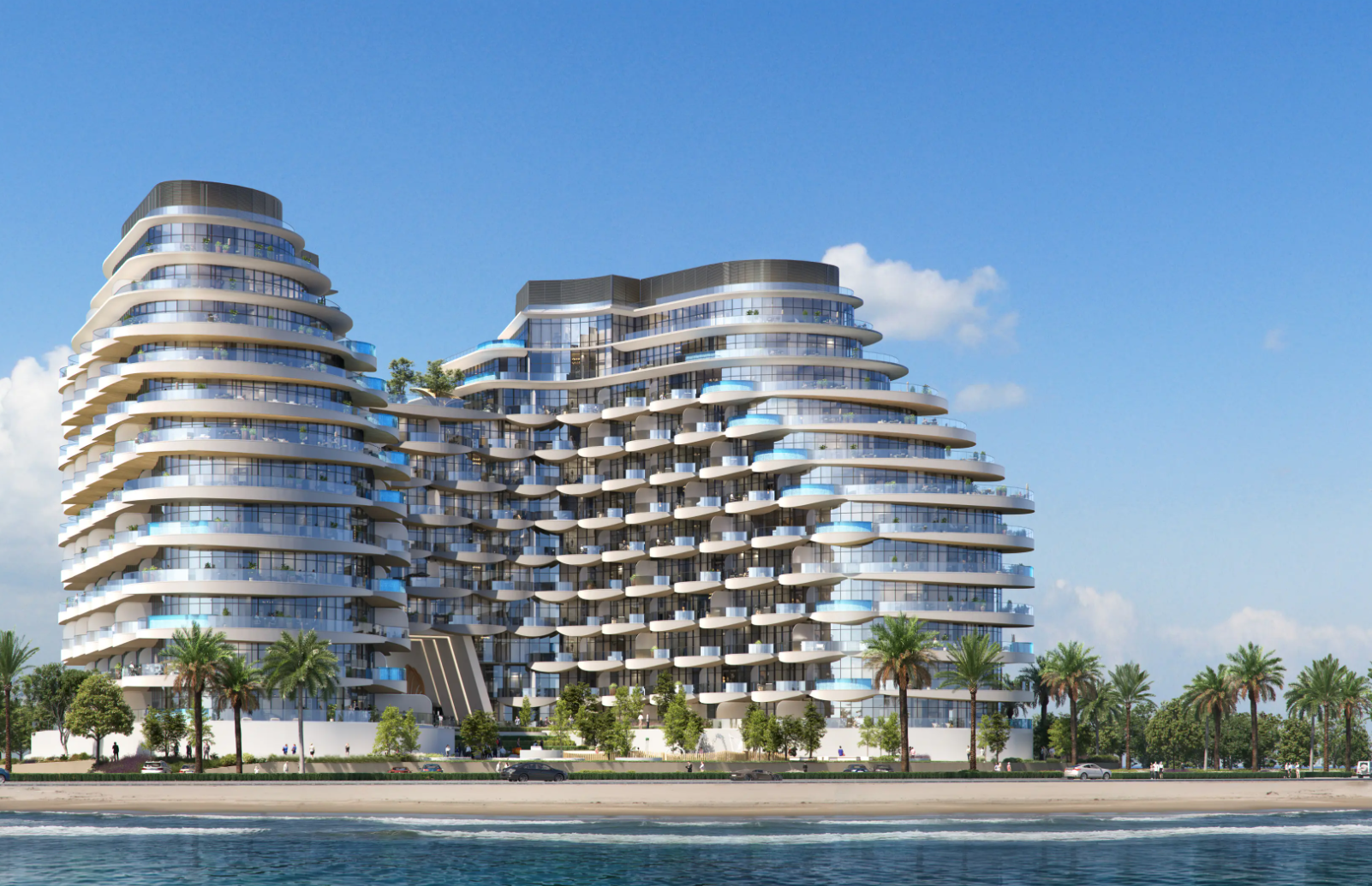
BNW Developments has established a Sydney presence, joining Arada and Sobha Realty among the growing number of UAE developers pursuing Australian buyers and development opportunities.
Australian shares fell on Thursday as Wall Street weakness, rising oil and persistent rate concerns weighed on most of the market. The S&P/ASX 200 declined 0.72 per cent to 8,702. The All Ordinaries lost 0.66 per cent to finish at 8,897. Mining stocks were hit particularly hard, while real estate also dragged on the index. …
Continue reading “ASX falls 0.7 per cent as miners and property stocks retreat”

 2 min
2 minAustralian shares fell on Thursday as Wall Street weakness, rising oil and persistent rate concerns weighed on most of the market.
The S&P/ASX 200 declined 0.72 per cent to 8,702. The All Ordinaries lost 0.66 per cent to finish at 8,897. Mining stocks were hit particularly hard, while real estate also dragged on the index.
Energy was the notable exception, gaining more than one per cent as Brent crude traded above US$103 a barrel. Oil had moved higher amid uncertainty surrounding potential US diesel-export restrictions and broader geopolitical supply risks. The move supported energy producers but renewed concern about inflation inputs across transport and the wider economy.
Gold shares were weak even as spot bullion remained historically elevated. The All Ordinaries Gold index fell about 2.25 per cent, showing that equity performance can diverge from the commodity because of valuation, currency, operating and company-specific factors.
Zip was a prominent loser, falling 11.38 per cent after the company reported short sales after the previous close. Nine Entertainment also weakened after UBS analysts warned of near-term revenue challenges associated with its advertising-supported subscription tier.
Premier Investments led larger winners despite caution about the retail environment. Breville, in which Premier owns a significant stake, also appeared among leading movers. In the broader ASX 300 screen, Myer gained 11.43 per cent and MAAS Group rose 7.93 per cent, while Lotus Resources fell 10.53 per cent. These percentage moves should be checked against company announcements and trading liquidity before attributing causes.
The Australian dollar was broadly flat at US70.38 cents. Spot gold was around US$4,280 an ounce, Brent crude approximately US$103.08 a barrel and iron ore near US$96.90 a tonne late in the session.
The rate outlook remains the central domestic catalyst. Labour-market weakness has not eliminated the possibility of an RBA increase next week, leaving banks, listed property and other rate-sensitive sectors exposed to changing expectations.
Market dashboard
S&P/ASX 200: 8,702, down 0.72 per cent.
All Ordinaries: 8,897, down 0.66 per cent.
Best sector: Energy, up more than one per cent.
Weakest areas: Real estate and materials were the major drags; confirm final sector percentages before publication.
Material winner: Premier Investments led the large-company gainers. Confirm its final closing move from the ASX before publication.
Material loser: Zip, down 11.38 per cent.
ASX 300 percentage leader: Myer, up 11.43 per cent.
ASX 300 percentage laggard: Zip, down 11.38 per cent.
AUD/USD: Approximately US$0.7038, broadly flat.

The Swiss watchmaker’s first collaboration with Atlassian Williams F1 Team produces two sporting Laureato models inspired by the team’s 2026 racing car.

Automobili Lamborghini and Babolat have expanded their collaboration with five new colourways for the ultra-exclusive BL.001 racket, limited to just 50 pieces worldwide.