Burberry Stock Sinks. Is the Problem Its CEO or the Luxury Consumer?

 2 min
2 min
Burberry had a nightmarish start to the week on Monday after the luxury clothing brand warned of a slump in its profits and replaced its CEO.
The UK-based company’s American depositary receipts were down 16.9% to $9.79 shortly after the opening bell, while its London-listed shares slid 16.8% to 737 pence to their lowest level since 2010.
It’s hard to tell what part of a dire trading update that Burberry published on Monday sparked the selloff, with the company flagging weaknesses in the luxury sector and announced a leadership shake-up.
The fashion giant said in a statement that called its performance for the fiscal year “disappointing” and warned that the luxury market “is proving more challenging than expected”. It’s set to post its earnings for the quarter that ended on June 30 on Friday.
Burberry also announced a change at the top, with former Michael Kors boss Joshua Schulman set to replace outgoing CEO Jonathan Akeroyd, and suspended dividend payments.
“We are taking decisive action to rebalance our offer to be more familiar to Burberry’s core customers whilst delivering relevant newness,” Chair Gerry Murphy said in a statement. “We expect the actions we are taking, including cost savings, to start to deliver an improvement in our second half and to strengthen our competitive position and underpin long-term growth.”
Signs of weak consumer demand have weighed on luxury brands this year, with the slowdown particularly evident in China, which has struggled to reboot its economy ever since calling time on three years of harsh zero-Covid lockdowns at the end of 2022.
Akeroyd had also tried to take Burberry upmarket in a strategy that alienated some would-be shoppers. Fashion blog Miss Tweed reported earlier this year that Murphy had started interviewing potential replacements.
The luxury giant’s rivals French-listed peers also fell after the disappointing trading update. LVMH slipped 2.7%, while Hermès dropped 2.4% and Dior fell 1.7%.
 Copyright 2020, Dow Jones & Company, Inc. All Rights Reserved Worldwide. LEARN MORE





Borrowers cannot control the Reserve Bank, but they can control how exposed their household budget is to its next decision. The RBA meets on 29 September with inflation concerns still elevated and major-bank economists increasingly bringing forward their rate-rise calls. Fixed mortgage rates have also been moving, reducing the value of waiting for perfect certainty. …
Continue reading “What mortgage holders should do before the next RBA decision”

Australian shares finished higher on Tuesday, September 22, as a technology rally and lower oil prices outweighed weakness in energy companies and continued anxiety about domestic interest rates. The S&P/ASX 200 closed 25.9 points, or 0.30 per cent, higher at 8,757.8. The All Ordinaries gained 0.36 per cent to 8,951.0, while the All Technology index …
Continue reading “ASX Wrap: Technology lifts the ASX as falling oil relieves inflation pressure”

 2 min
2 minAustralian shares finished higher on Tuesday, September 22, as a technology rally and lower oil prices outweighed weakness in energy companies and continued anxiety about domestic interest rates.
The S&P/ASX 200 closed 25.9 points, or 0.30 per cent, higher at 8,757.8. The All Ordinaries gained 0.36 per cent to 8,951.0, while the All Technology index rose 1.71 per cent.
Information technology was the strongest major sector, up 2.67 per cent. Megaport gained 4.3 per cent, NextDC rose 3.8 per cent and Life360 added 2.9 per cent, according to the ABC’s closing market report. The move followed a record Nasdaq close and reflected renewed demand for growth assets as oil prices eased.
Consumer discretionary gained 1.29 per cent, while real estate and healthcare each rose 0.76 per cent. The simultaneous strength of technology, discretionary shares and listed property was consistent with a modest easing in market inflation anxiety, although it did not erase expectations of a possible RBA increase at the 29 September meeting.
Energy was the clear laggard, down 1.16 per cent, after Brent crude briefly fell below US$100 a barrel overnight. Origin Energy dropped about 4 per cent, Woodside lost 2.4 per cent and AGL declined 2.3 per cent. Utilities were the weakest sector overall, down 2.03 per cent.
Among larger and liquid movers, Telix Pharmaceuticals rebounded 6.85 per cent after the previous session’s sharp acquisition-related decline. IDP Education jumped 20.67 per cent and was the largest percentage gainer in the ASX 300 screen, while Catalyst Metals fell 14.37 per cent. Those moves should be checked against company announcements before publication; percentage rankings alone do not establish cause or index impact.
Mining performance was mixed. Sunrise Energy Metals rose 12.71 per cent, FireFly Metals added 5.7 per cent and Bellevue Gold gained 4.8 per cent, while Resolute Mining lost 4.44 per cent.
The Australian dollar traded near US71.18 cents late in the session. Oil remained volatile as markets assessed potential US–Iran talks, making energy prices a continuing input into inflation expectations, bond yields and the RBA outlook.
For Wednesday, investors will watch oil, offshore technology leads, Australian bond yields and any new evidence that changes the probability of a September rate rise.
Market dashboard
S&P/ASX 200: 8,757.8, up 25.9 points or 0.30 per cent.
All Ordinaries: 8,951.0, up 0.36 per cent.
Best sector: Information Technology, up 2.67 per cent.
Weakest sector: Utilities, down 2.03 per cent. Energy fell 1.16 per cent.
Material winner: Telix Pharmaceuticals, up 6.85 per cent. Megaport rose 4.3 per cent and NextDC rose 3.8 per cent.
Material loser: Origin Energy, down about 4 per cent. Woodside fell 2.4 per cent.
ASX 300 percentage leader: IDP Education, up 20.67 per cent. Confirm announcement context before publication.
ASX 300 percentage laggard: Catalyst Metals, down 14.37 per cent. Confirm announcement context before publication.
AUD/USD: Approximately US$0.7118 late in the session.
Next catalyst: RBA policy decision on 29 September, oil-price volatility and offshore technology trading.

In the lead-up to the country’s biggest dog show, a third-generation handler prepares a gaggle of premier canines vying for the top prize.
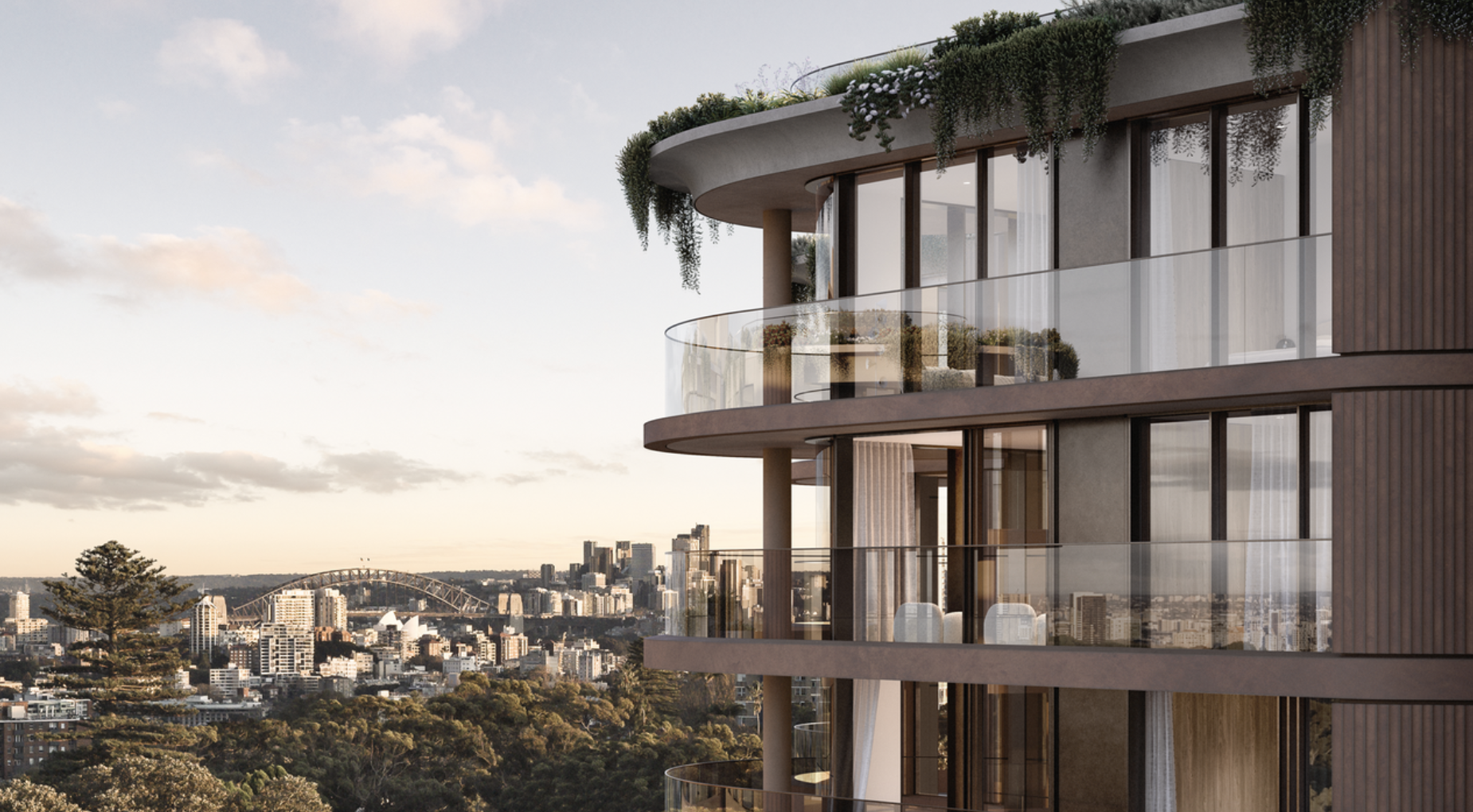
A record-breaking $11 million sale at The Centennial Collection has set a new benchmark for luxury apartment living in Bondi Junction.