Top 5 ways to stay safe online — and avoid the holiday horror stories
In the lead up to the Christmas holiday period, it’s easy to let your guard down online
 2 min
2 min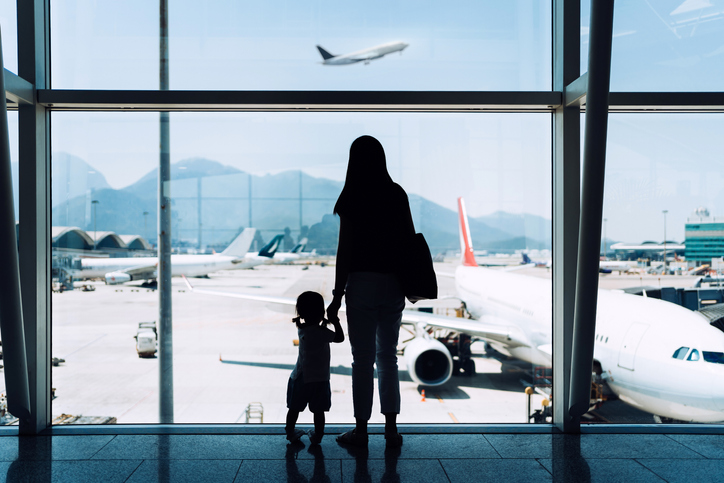
We’re all aware of the dangers of cyber hacking and identity theft and most of us will take care when connecting online not to give away too much information. But at this time of year, when online shopping hits its peak and families head off on holiday, it’s easy to let your guard down. Here, the experts share their top tips for staying safe online when you’re out of the office and going on holiday.
Keep your OOO simple
Senior Information Security Consultant in Westpac Group’s Cyber Culture team Sally Youden says online security starts before you leave your desk.
“While switching on your out of office message is an easy task, you might want to reduce the amount of information you provide,” she says. “It could be used for malicious purposes by cybercriminals looking for opportunities to find a ‘way in’ to an organisation.”
While it’s important to communicate clearly, she said you should avoid adding too much detail like mobile numbers and job titles for external OOO messages.
Secure your spend
Shopping online over the Christmas and January sales periods is a convenient method for purchasing from the comfort of your living room, but it can expose you to data breaches and identity theft. Experts at the University of Queensland advise sticking with a service like PayPal for payment, or even setting up a separate credit card with a low limit specifically for online purchases. Saving details like passwords to online accounts will also expose your bank accounts to theft. Instead, set up multi-factor identification to minimise risk.
Parcel scams
Most of us are aware of the parcel scams where hackers send a SMS advising a parcel is being delivered to your address. However, at this time of year when there are so many deliveries happening, it can be hard to discern the real from the fake, especially when they are impersonating services such as Australia Post. Ms Youden’s best advice is to pause and think before you click on a link. If you’re not sure whether it’s your parcel, reach out to the delivery service independently to confirm the details.
Pop-up precautions
Pop-up ads and social media offers can be tempting but cyber security experts at NAB suggest it’s better to avoid clicking on them. If you find the temptation too much, consider installing a pop-up blocker.
“Those bright and shiny ads that pop up on your screen when shopping online or using social media are clever and persistent marketing tactics looking to promote products or services,” NAB advises. “They can also be used to deliver malicious software, direct you to dodgy webpages, or fake sales.”
Instead, if you see an attractive offer, go to their website independently and check reviews before handing over your details.
Frequent flyers
It’s the easiest thing to do when you’re waiting for your flight, but recharging at the airport can be a risky business. Known as ‘juice jacking’, public charging stations such as those at airports and hotels can be hacked by cybercriminals, Ms Youden says. NAB experts advise that the same goes for public wifi services.
“If you have to use public Wi-Fi, consider using a Virtual Private Network (VPN) to create a secure connection. Avoid using free Wi-Fi to do any online banking or shopping, as this information may be exposed and misused.”
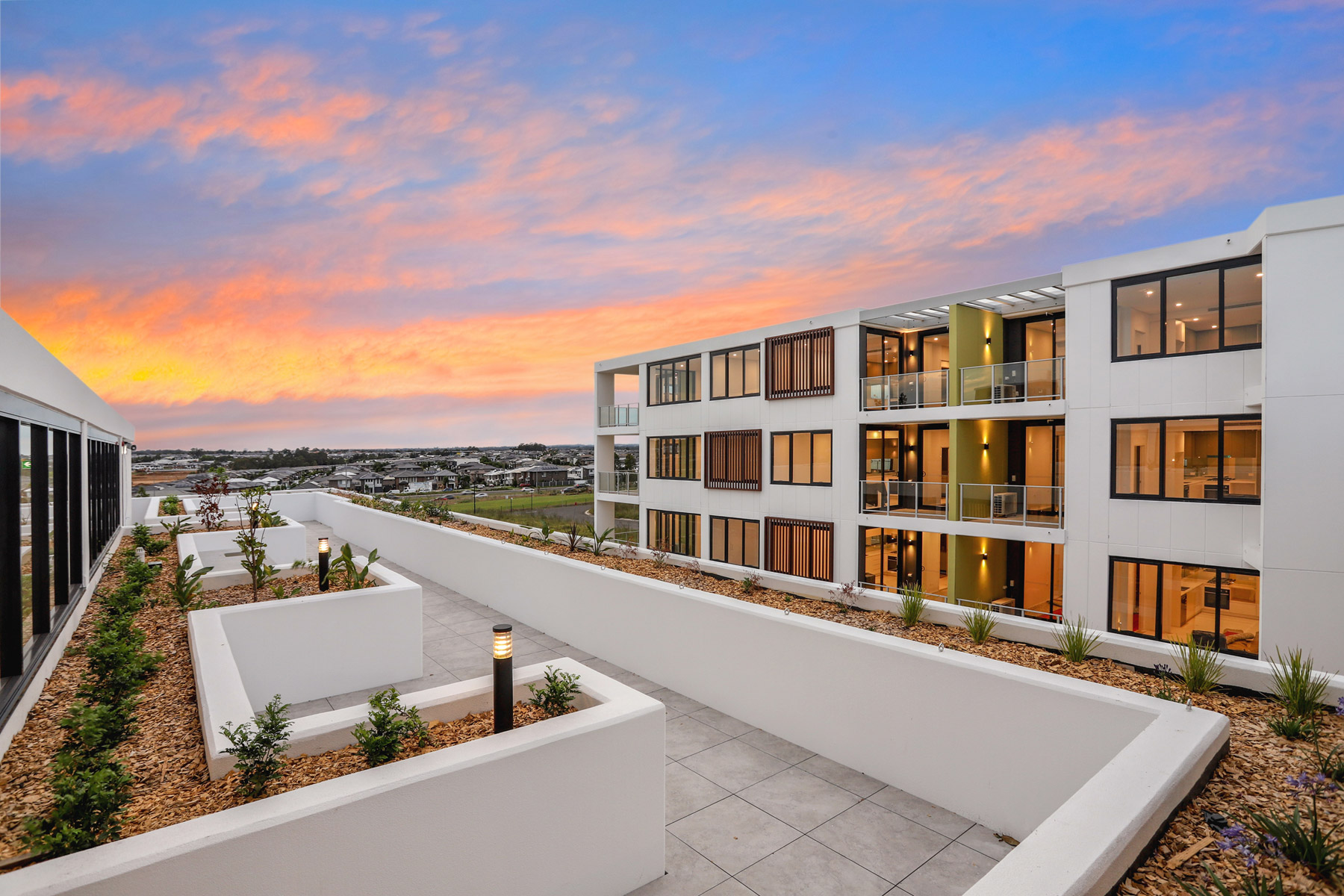
Ophora Tallawong has launched its final release of quality apartments priced under $700,000.
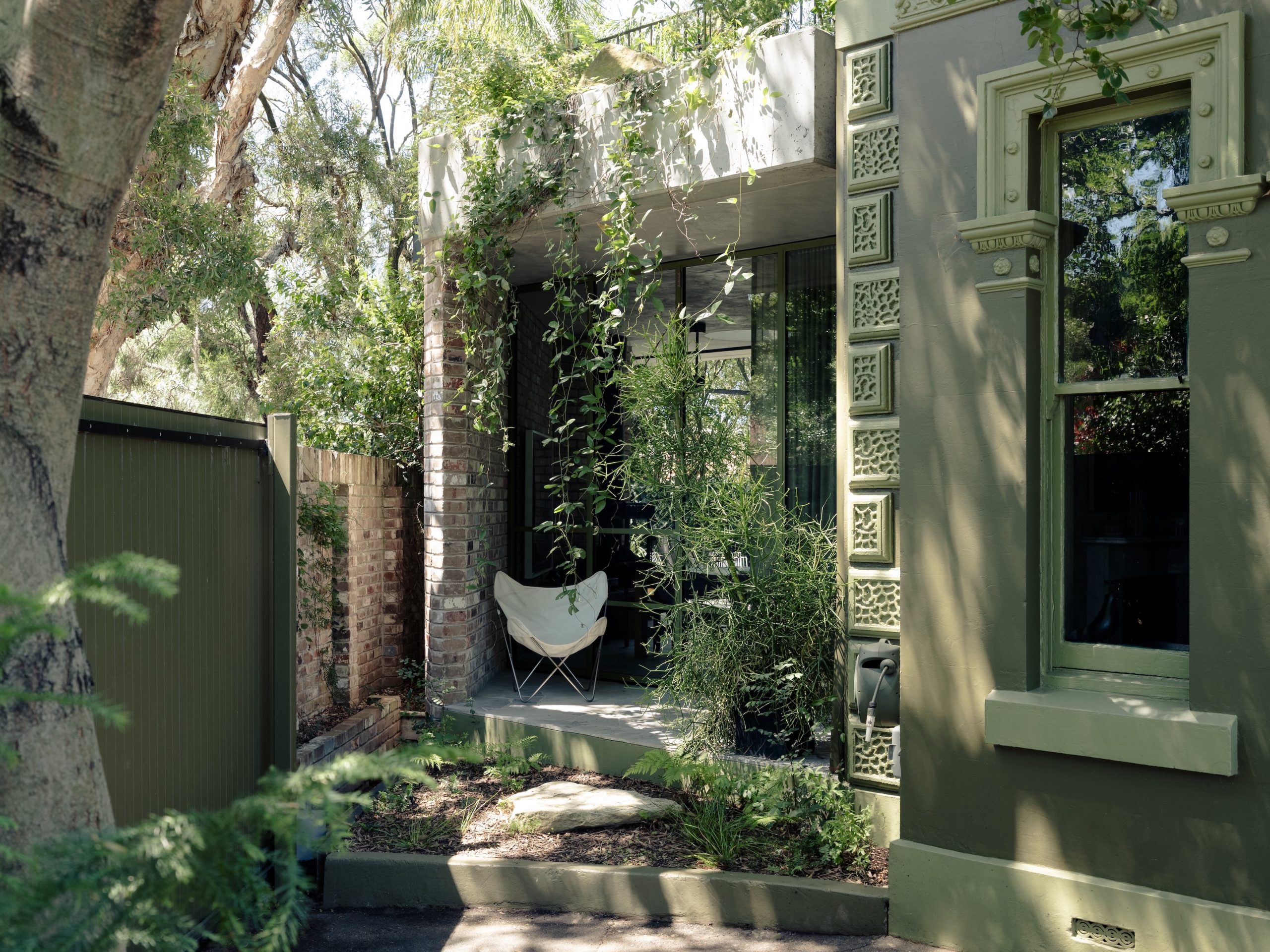
From bushland greens to valley reds, the country’s most awarded designers are proving that the best colour palette was never on a swatch card; it was outside the window all along.

The federal budget has rattled property investors. But the biggest mistake isn’t the tax changes, it’s the conclusion many are drawing from them.
2 min
The recent budget has forced a reckoning for property investors.
Negative gearing now restricted to new residential builds, the CGT discount gone and on paper, the numbers look different.
And many investors are responding by pivoting toward yield, prioritising cash flow over capital growth in a way that property strategists say misses the point entirely.
“The debate has shifted to yield versus growth as if they are opposing forces,” says Abdullah Nouh, founder of Melbourne-based buyers’ agency Mecca Property Group. “But that framing is itself the mistake.”
Nouh, who works with high-net-worth families and investors on long-term acquisition strategy, argues that capital growth remains the primary driver of genuine wealth creation and that the post-budget environment has made quality assets more important, not less.
The numbers make his case plainly. An additional $500 per week in rental income is welcome. A prestige asset appreciating by $1 million over a market cycle is transformative.
These are not equivalent outcomes, and portfolios built around yield at the expense of location and land value tend to generate income while wealth stands largely still.
The more nuanced shift Nouh is seeing among sophisticated investors is a move toward assets where both outcomes can be engineered simultaneously – established homes on substantial land in quality locations, where the existing dwelling can be repositioned, rental returns improved, and the underlying land value compounds independent of what sits on it.
For investors with existing equity, commercial property is also entering the conversation in a more serious way.
Prestige industrial assets, medical centres and long-leased essential retail offer income profiles that residential property in most capital city markets cannot currently match: longer lease terms, tenants covering outgoings, and greater predictability than the residential tenancy cycle.
“The investors who build lasting wealth are rarely the ones who chased yield or growth exclusively,” says Nouh.
“They are the ones who built a strategy they could sustain – one that generated enough income to hold quality assets through multiple cycles while those assets compounded in value.”
The budget has changed the settings. It has not changed the fundamentals.

A&K Sanctuary unveils Kitirua Plains Lodge, a sustainability-focused luxury property shaped by landscape, local craft and contemporary safari architecture.

Wealthy Aussies are swapping large family homes for high-end apartments, with sales of prestige units tripling over the past decade.