Alibaba to Sell Stake in Chinese Hypermarket Operator
The company will sell its entire 78.7% stake in Hong Kong-listed Sun Art Retail Group

 < 1 min
Alibaba Group has agreed to sell its shares in a Chinese hypermarket operator in a $1.7 billion deal, the latest divestment as part of the company’s efforts to focus on its core e-commerce business.
The company will sell its entire 78.7% stake in Hong Kong-listed Sun Art Retail Group to Chinese private-equity firm DCP Capital Partners for gross proceeds of up to $1.6 billion, Alibaba said Wednesday.
Alibaba expects to book a divestment loss of nearly $1.8 billion based on the estimated fair value of the consideration receivable for the sale of shares.
The e-commerce giant had bought a controlling stake in the hypermarket store operator in 2020 for $3.6 billion.
In a filing to the Hong Kong exchange Wednesday, Sun Art said that the acquirer plans to delist the company and conduct a strategic review of the hypermarket operator’s businesses.
Once a Wall Street favorite and a leader in China’s e-commerce, Alibaba is facing challenges in growing its revenue. The company is losing some of its market share amid a slowing Chinese economy and rising competition from domestic rivals like Pinduoduo and Douyin.
Last month, the company announced that it, along with a minority shareholder, had agreed to sell department-store chain Intime for $1.02 billion. The e-commerce giant said then that it anticipated to incur an over $1.0 billion loss from the sale of Intime.
 Copyright 2020, Dow Jones & Company, Inc. All Rights Reserved Worldwide. LEARN MORE




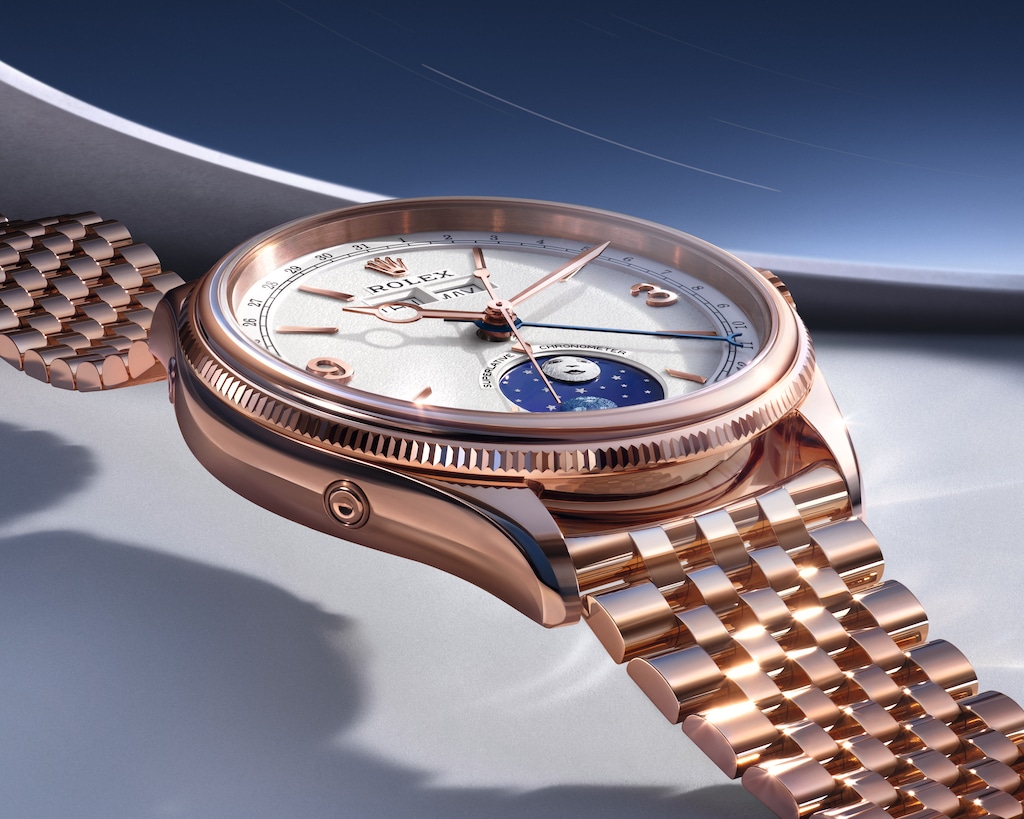
The Perpetual Padellone draws its name from the coveted reference 8171 while introducing an instantaneous complete annual calendar to Rolex’s modern Perpetual collection.

The Swiss watchmaker’s first collaboration with Atlassian Williams F1 Team produces two sporting Laureato models inspired by the team’s 2026 racing car.

The Perpetual Padellone draws its name from the coveted reference 8171 while introducing an instantaneous complete annual calendar to Rolex’s modern Perpetual collection.
2 minRolex has reached into one of the most fascinating corners of its archive for a watch that expands the brand’s contemporary Perpetual collection.
The new Perpetual Padellone takes its name from reference 8171, the complete-calendar Rolex known to collectors by the Italian nickname “Padellone”. The historical model is celebrated for its unusual combination of calendar information, moonphase display and elegant proportions—qualities that distinguished it from the sports watches now most closely associated with the marque.
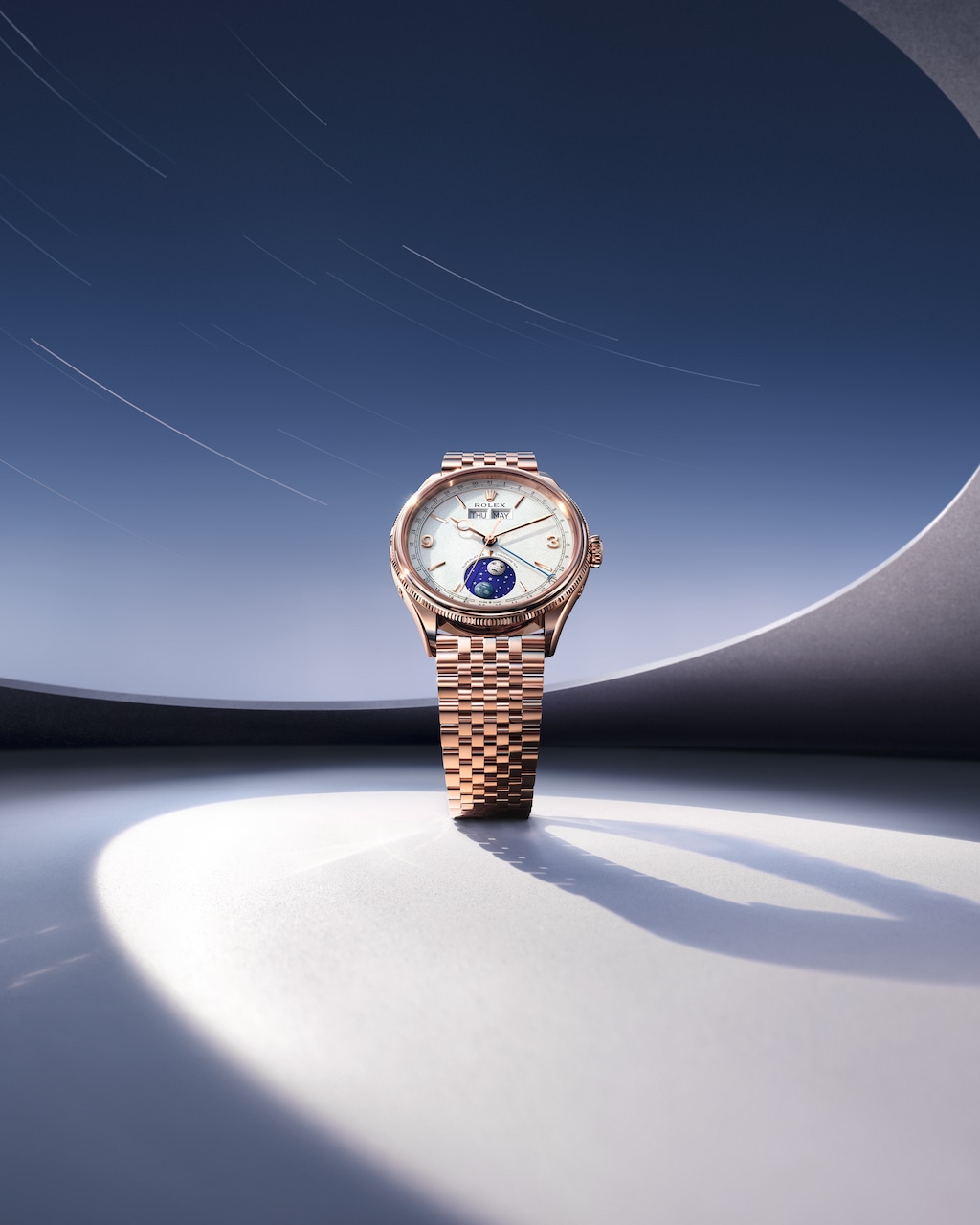
The modern interpretation displays the date, day, month and moonphase alongside the time. Rolex describes the mechanism as an instantaneous complete annual calendar, meaning its indications are designed to change in a coordinated fashion while requiring correction only for the calendar’s exception periods, subject to the operating instructions.
Its importance lies not simply in adding another complication. Rolex’s current identity is built on refinement through repetition: familiar cases, bracelets and functions improved across generations. A Padellone-inspired calendar broadens that vocabulary and gives collectors a dressier, more poetic counterpoint to the brand’s professional models.
The challenge will be expectation. Any watch invoking reference 8171 arrives under the weight of auction history and collector mythology. The strongest modern revivals acknowledge that past without reproducing it mechanically. Rolex’s official description points to that balance, positioning the watch as a continuation of the earlier model’s spirit rather than a replica.

Australian price, allocation and delivery will be crucial. Demand for significant new Rolex references typically exceeds immediate supply, and availability can vary between authorised dealers. Prospective buyers should treat overseas pricing or secondary-market premiums cautiously until local retail information is confirmed.
For now, the Perpetual Padellone stands as one of Rolex’s most intellectually interesting recent releases: a technically ambitious watch that reminds collectors the company’s history extends well beyond the dive watch and chronograph.
Fact box
Model: Rolex Perpetual Padellone
Functions: hours, minutes, seconds, date, day, month and moonphase
Complication: instantaneous complete annual calendar
Historical inspiration: Rolex reference 8171, nicknamed Padellone

From gorilla encounters in Uganda to a reimagined Okavango retreat, Abercrombie & Kent elevates its African journeys with two spectacular lodge transformations.

Barnet, in North London, lays claim to two of the country’s most expensive roads to own a home.