GameStop Confirms Plans to Invest in Bitcoin. The Stock Is Climbing.
GameStop has approved adding Bitcoin to its balance sheet, confirming speculation as the company explores new growth avenues.

 3 min
3 min
Videogame seller and meme stock GameStop said its board approved adding Bitcoin as an investment.
The company announced its board unanimously approved an update to its investment policy to add Bitcoin as a treasury reserve asset. In a filing, it said “a portion of our cash or future debt and equity issuances may be invested in Bitcoin” and that it had not set a maximum on the amount of Bitcoin it could accumulate or sell. The move had been the subject of recent speculation as GameStop seeks new sources of growth.
For the fourth quarter ended Feb. 1, GameStop reported net sales of $1.28 billion, below the $1.48 billion analysts surveyed by FactSet had expected.
Adjusted earnings of 29 cents a share beat the 8 cents a share analysts expected. Net income of $131.3 million was also above the $33 million expected.
Shares were up 6% in late trading, after closing down 0.8% on Tuesday, at $25.80. Shares traded as low as $24.99 intraday, down 2.4%, the largest intraday percentage decline since March 12, according to Dow Jones Market Data.
Analysts and investors have been more interested in updates on the company’s strategic direction than its earnings results, as GameStop faces questions about the profitability of its core business. It has been closing physical stores and expanding beyond videogames amid the continuing shift to digital gaming.
The company said it completed its divestiture in Italy and the wind-down of store operations in Germany.
For the full fiscal year ended Feb. 1, GameStop reported net sales of $3.82 billion, below the $4.02 billion expected.
Net income of $131.3 million and earnings of 33 cents a share both beat analysts’ expectations.
GameStop stock has risen 64% over the past 12 months, in part because of the return of investor Keith Gill, also known as “Roaring Kitty,” who said in a YouTube livestream in June 2024 that he is still a “ believer ” in GameStop. The shares are down 19% this year through Tuesday’s close.
“Roaring Kitty’s” social media posts helped fuel the meme stock frenzy in early 2021, pushing GameStop’s stock to its record high of $86.88 on Jan. 27, 2021.
Michael Pachter, a managing director at Wedbush Securities and former CEO of Take-Two Interactive Software who specializes in the videogame sector, said the company’s recent moves into trading cards was unlikely to be the catalyst that would turn around the core business.
“It is unfathomable that they will ever turn their core business (selling games) around by offering trading cards in their stores,” he told Barron’s in an email. When GameStop announced it was getting into the collectible trading cards business last October, he noted the company’s “utter lack of competitive advantage” in the “wildly fragmented” business.
“The company has once again accelerated store closures in an attempt to save its way to prosperity, and its plans to enter the trading card business and to invest in cryptocurrency are striking in their lack of specificity,” Wedbush analysts led by Pachter wrote in a research note Monday.
They said that GameStop’s entry into trading cards and crypto followed its last two attempts at a turnaround, and that its shares “trade at a level that ignores the company’s many challenges ahead.” They called its entry into cryptocurrency “an unsubtle attempt to emulate the success of MicroStrategy , which trades at less than 2x the value of its Bitcoin holdings.” They reiterated their Underperform rating and their 12-month price target of $10.
“Far more likely, they will continue to slowly liquidate by selling off assets” and by closing stores when their leases expire, Pachter said Monday. “That leaves them with ‘profits’ on investment income from their $4.6 billion cash hoard, which they raised by virtue of their meme stock status.”
GameStop management doesn’t hold conference calls to discuss results, and because few analysts follow the company, the consensus forecast as tracked by FactSet includes just two estimates.
Based in Grapevine, Texas, the company offers games and entertainment products online and in stores in the U.S., Canada, Australia, and Europe.
Pachter noted that GameStop’s stock price, trading around 2.5 times cash, suggests investors have faith in CEO Ryan Cohen’s ability to pick investments for them.
In February, Cohen posted a photo of himself on social media with Michael Saylor, co-founder and executive chairman of MicroStrategy, the largest institutional holder of Bitcoin , apparently helping to fuel the rumors about GameStop’s own crypto ambitions.
“MicroStrategy trades as around twice the value of its Bitcoin holdings, so it remains to be seen if Ryan Cohen can find a better cryptocurrency to invest in and drive GME share to 2.6 times the value of its assets,” Pachter said.
On March 3, GameStop announced a deal with digital financial services company Zip Co. to let U.S. customers pay in installments for their online and in-store gaming purchases.
Zip U.S. CEO Joe Heck said at the time that nearly 84% of Zip’s U.S. customers shop for gaming and accessories at GameStop. “Gaming is one of Zip’s most popular categories overall, making Zip an ideal partner for helping these shoppers responsibly purchase goods and services from one of the industry’s fan-favorites and top businesses.”
 Copyright 2020, Dow Jones & Company, Inc. All Rights Reserved Worldwide. LEARN MORE




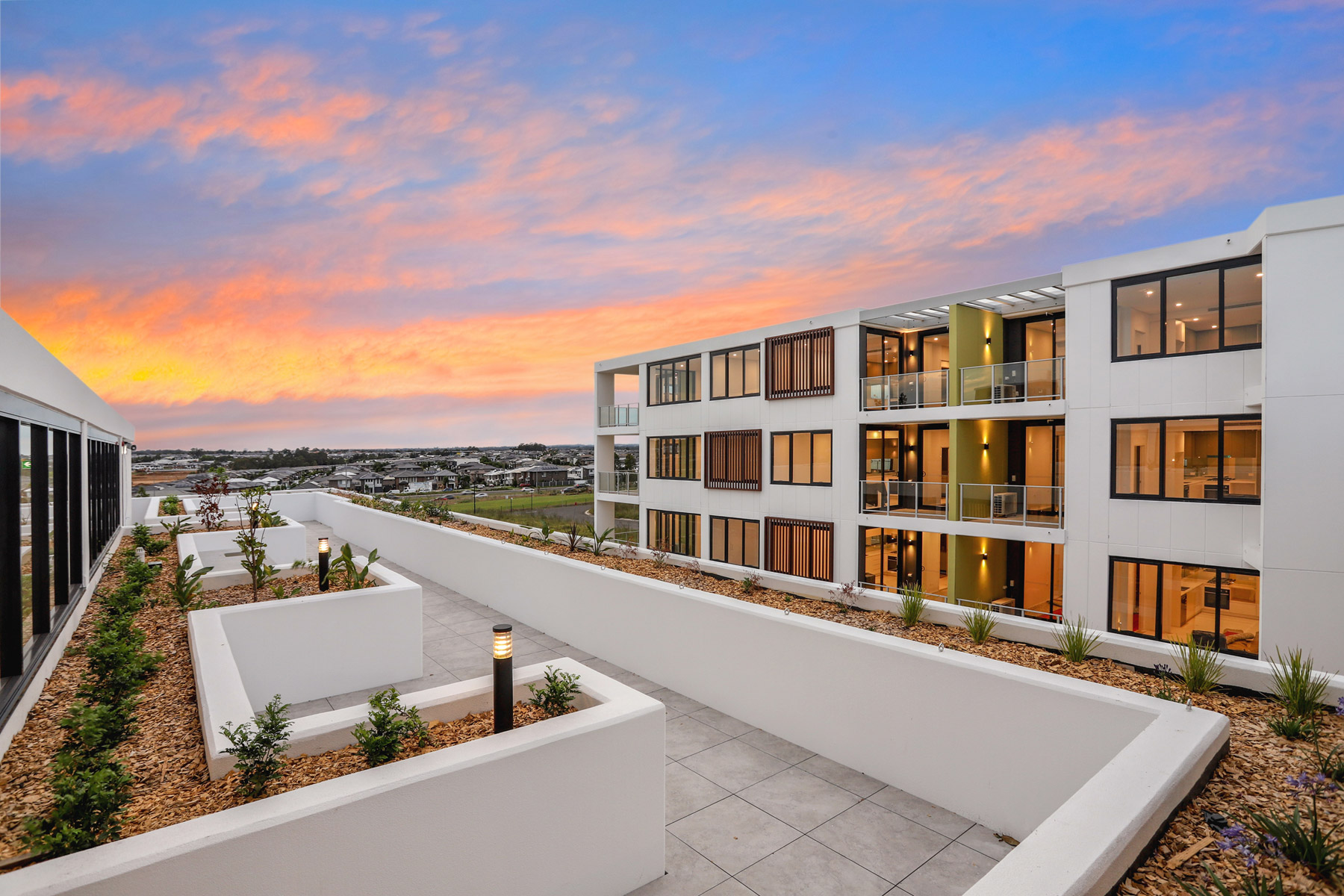
Ophora Tallawong has launched its final release of quality apartments priced under $700,000.
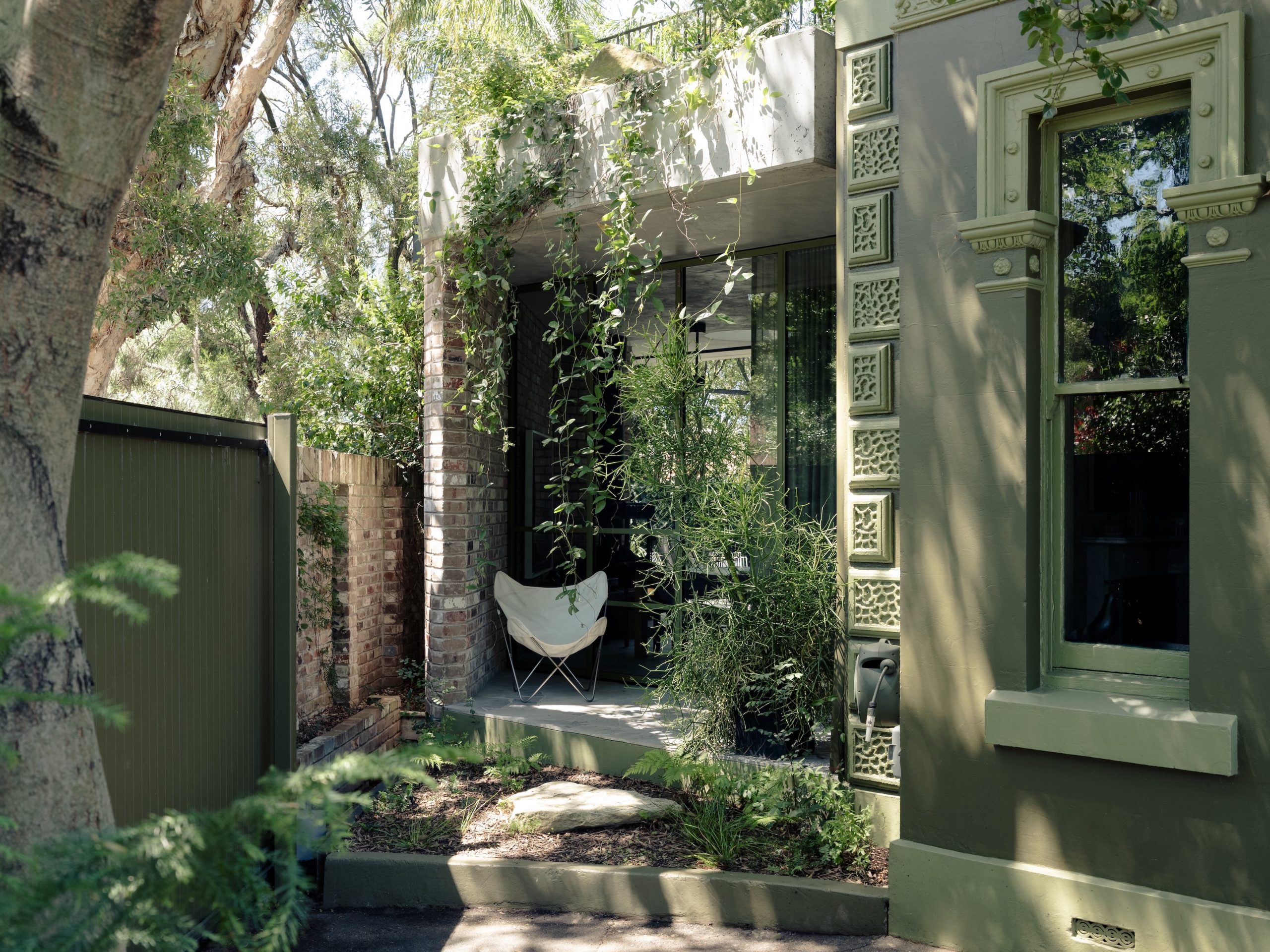
From bushland greens to valley reds, the country’s most awarded designers are proving that the best colour palette was never on a swatch card; it was outside the window all along.
The federal budget has rattled property investors. But the biggest mistake isn’t the tax changes, it’s the conclusion many are drawing from them.
2 min
The recent budget has forced a reckoning for property investors.
Negative gearing now restricted to new residential builds, the CGT discount gone and on paper, the numbers look different.
And many investors are responding by pivoting toward yield, prioritising cash flow over capital growth in a way that property strategists say misses the point entirely.
“The debate has shifted to yield versus growth as if they are opposing forces,” says Abdullah Nouh, founder of Melbourne-based buyers’ agency Mecca Property Group. “But that framing is itself the mistake.”
Nouh, who works with high-net-worth families and investors on long-term acquisition strategy, argues that capital growth remains the primary driver of genuine wealth creation and that the post-budget environment has made quality assets more important, not less.
The numbers make his case plainly. An additional $500 per week in rental income is welcome. A prestige asset appreciating by $1 million over a market cycle is transformative.
These are not equivalent outcomes, and portfolios built around yield at the expense of location and land value tend to generate income while wealth stands largely still.
The more nuanced shift Nouh is seeing among sophisticated investors is a move toward assets where both outcomes can be engineered simultaneously – established homes on substantial land in quality locations, where the existing dwelling can be repositioned, rental returns improved, and the underlying land value compounds independent of what sits on it.
For investors with existing equity, commercial property is also entering the conversation in a more serious way.
Prestige industrial assets, medical centres and long-leased essential retail offer income profiles that residential property in most capital city markets cannot currently match: longer lease terms, tenants covering outgoings, and greater predictability than the residential tenancy cycle.
“The investors who build lasting wealth are rarely the ones who chased yield or growth exclusively,” says Nouh.
“They are the ones who built a strategy they could sustain – one that generated enough income to hold quality assets through multiple cycles while those assets compounded in value.”
The budget has changed the settings. It has not changed the fundamentals.

With two waterfronts, bushland surrounds and a $35 million price tag, this Belongil Beach retreat could become Byron’s most expensive home ever.

Paine Schwartz joins BERO as a new investor as the year-old company seeks to triple sales.