Latin American Countries Aim to Curb Amazon Deforestation
Brazil’s president hosts regional leaders as rainforest risks losing ability to help offset climate change

 4 min
4 min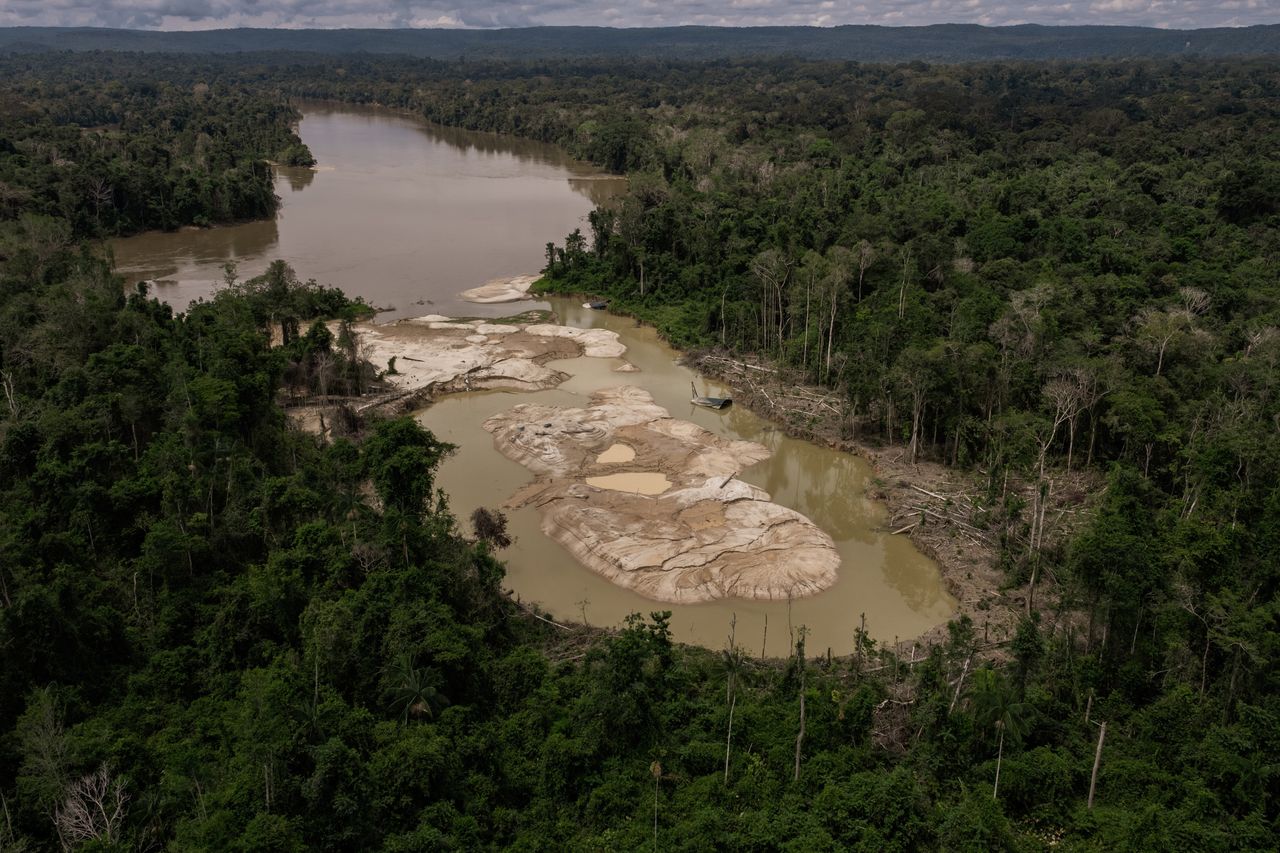
SÃO PAULO—The Latin American countries that share the Amazon rainforest embarked on a two-day meeting Tuesday in the Brazilian jungle city of Belém with an aim to halt the deforestation that many scientists blame for accelerating climate change.
Brazil, home to 60% of the world’s biggest rainforest, held a meeting for presidents and top officials from countries that are home to the rest of the Amazon: Peru, Colombia, Bolivia, Venezuela, Ecuador, Guyana and Suriname. The summit is the first in 14 years for the Amazon Cooperation Treaty Organization, a group that arose from a treaty Amazonian nations signed in 1978 to promote harmonious development of the region. France, which oversees French Guiana on South America’s northeast shoulder, was represented by the French ambassador in Brasília.
The meeting comes as Brazilian President Luiz Inácio Lula da Silva seeks to position his country as a leading voice in the global fight against deforestation, and facilitator of cross-border environmental cooperation on the continent through the 45-year-old treaty.
“It’s never been more urgent to resume and widen this cooperation—it’s the challenge of our era,” said da Silva in his opening speech Tuesday.
Other countries with large tropical forests, such as Indonesia, Republic of Congo and the Democratic Republic of Congo, were expected to join the meeting along with Norway and Germany, which contribute to deforestation programs. The United Arab Emirates, which will host this year’s United Nations climate summit in Dubai, was also to attend.
Twice the size of India, the Amazon rainforest has long absorbed more carbon than it releases, acting as a vital brake on global climate change. But with close to 20% of the original forest now gone, scientists tracking the forest say the Amazon could be close to its so-called irreversible tipping point, at which it would dry out and eventually become savanna. The effects could be global. Climate scientists have blamed forest loss for contributing to global warming, which the U.S. Environmental Protection Agency has said explains why heat waves in countries such as the U.S. are becoming more common.
Deforestation in Brazil’s Amazon has hit its lowest level in four years since da Silva’s administration started in January, dropping about 34% in the first six months of this year compared with the same period last year, according to preliminary data from Brazil’s National Institute of Space Research, known as INPE. While da Silva has vowed to bring jungle destruction down to zero by 2030, he has argued that this can’t be done at the cost of the livelihoods of the some 30 million people who live in Brazil’s Amazon.
Instead, Brazil must build a new green economy in the Amazon with financing and investment from abroad, da Silva argues, as well as develop a regulated carbon market. Brazil relies on foreign donations to help operate its underfunded environmental enforcement agencies, which use helicopters, drones and other equipment to monitor illegal deforestation across the vast area.
“What we want is to tell the world what we’re going to do with our forests and what the world has to do to help us,” da Silva said in a government statement. Da Silva said he plans to pressure wealthy nations to fulfil the pledge they made during the 2015 Paris climate accord to provide $100 billion a year to help developing countries fight climate change.
Other Latin American countries, including Colombia and Peru, have set deforestation targets but face serious challenges from illegal mining and drug gangs that have tightened their grip over the forest in what the U.N. recently referred to as “narco-deforestation.”
Tackling deforestation is one of the most urgent tasks facing South America, scientists say.
Heavily-deforested parts of the Amazon’s southeastern region have already ceased to function as a carbon absorber and are now a carbon source, according to a study published in 2021 by Luciana Gatti, a researcher for INPE, which uses satellites to track deforestation.
The Amazon rainforest influences weather patterns around the world and as deforestation advances, this could make extreme weather events more common, said Daniel Nepstad, who heads the California-based Earth Innovation Institute and has worked in the Amazon for more than 30 years.
“The forest is a global air-conditioning unit…an enormous heat processing machine that influences weather around the world,” said Nepstad, adding that the willingness of all leaders to meet to discuss the issue was in itself a “hugely positive outcome.”
Deadly heat waves have upended daily life in large parts of the U.S., Europe and Asia this year, while unusually high temperatures in South America’s winter have melted snow in the Andes mountains.
Regional coordination is vital, environmentalists say. Deep in the Amazon, where indigenous communities often straddle borders and loggers and criminal groups move freely, one country’s efforts can easily be rendered ineffective by those of its neighbour.
Such a summit seemed a distant possibility just a year ago, when da Silva’s right-wing predecessor Jair Bolsonaro was president. Bolsonaro, who jokingly referred to himself as “Captain Chainsaw,” cut funding for environmental enforcement and bristled at attempts from foreign countries to influence his stewardship of the Amazon even as he called on them to fund deforestation efforts.
Under the conservative leader, a swath of forest bigger than Vermont was destroyed in four years, according to INPE data.
Da Silva’s election in October last year put much of South America in the hands of a group of loosely allied leftist leaders, easing regional talks on an issue, the Amazon, that had never resulted in tangible cooperation, political scientists said.
Points of conflict, to be sure, exist among the countries participating in the Belém summit.
While da Silva has mulled plans to develop offshore oil finds near the mouth of the Amazon River to help lower domestic fuel costs, his Colombian counterpart, Gustavo Petro, called last month for all new oil developments to be blocked in the region.
“As heads of state, we must assure the end of new oil and gas exploration in the Amazon,” Petro wrote last month in the Miami Herald. “We must exhibit courage, even as we address fundamental social issues within our countries, exacerbated by a cost of living crisis and rampant inflation.”
Marcio Astrini, who heads a coalition of environmental groups called the Brazilian Climate Observatory, said Amazonian countries are likely to find common ground on the need to protect indigenous communities, combat crime at the borders and support scientific research to better understand the forest.
“These countries are in different political situations…but they all found space in their agendas to agree to this and get together to discuss these sensitive issues,” said Astrini.
The biggest point they have in common, though, is their desire to get richer nations to help pay for all of this, said Astrini.
“Show me the money—that’s one thing they’ll all be saying in unison,” he said.
 Copyright 2020, Dow Jones & Company, Inc. All Rights Reserved Worldwide. LEARN MORE




The Swiss watchmaker’s first collaboration with Atlassian Williams F1 Team produces two sporting Laureato models inspired by the team’s 2026 racing car.

Victorian auction buyers will soon receive a piece of information that has traditionally been withheld until bidding reaches it: the vendor’s reserve price. Under new property-sale and underquoting laws, agents must publish the agreed reserve at least seven days before an auction or fixed-date sale. Most changes begin on 1 October 2026 and apply to …
Continue reading “Victoria’s New Auction Rules Will Force Reserve Prices Into the Open”
The Swiss watchmaker’s first collaboration with Atlassian Williams F1 Team produces two sporting Laureato models inspired by the team’s 2026 racing car.
3 minGirard-Perregaux has revealed the first watches created through its partnership with Atlassian Williams F1 Team, bringing the British racing team’s colours to one of Switzerland’s most recognisable integrated-bracelet designs.
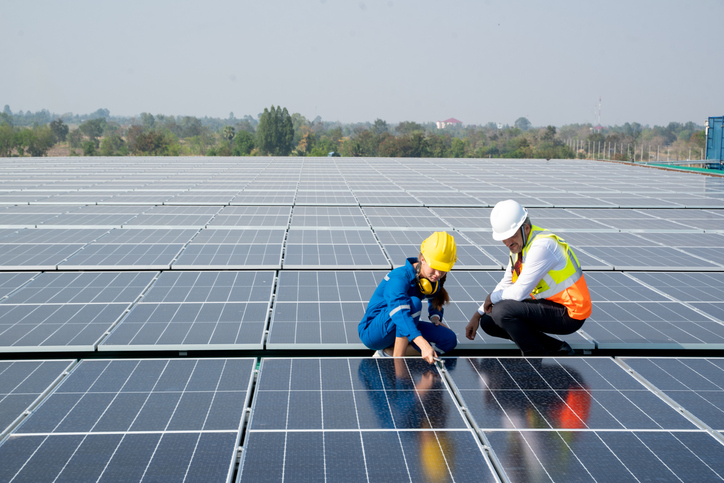
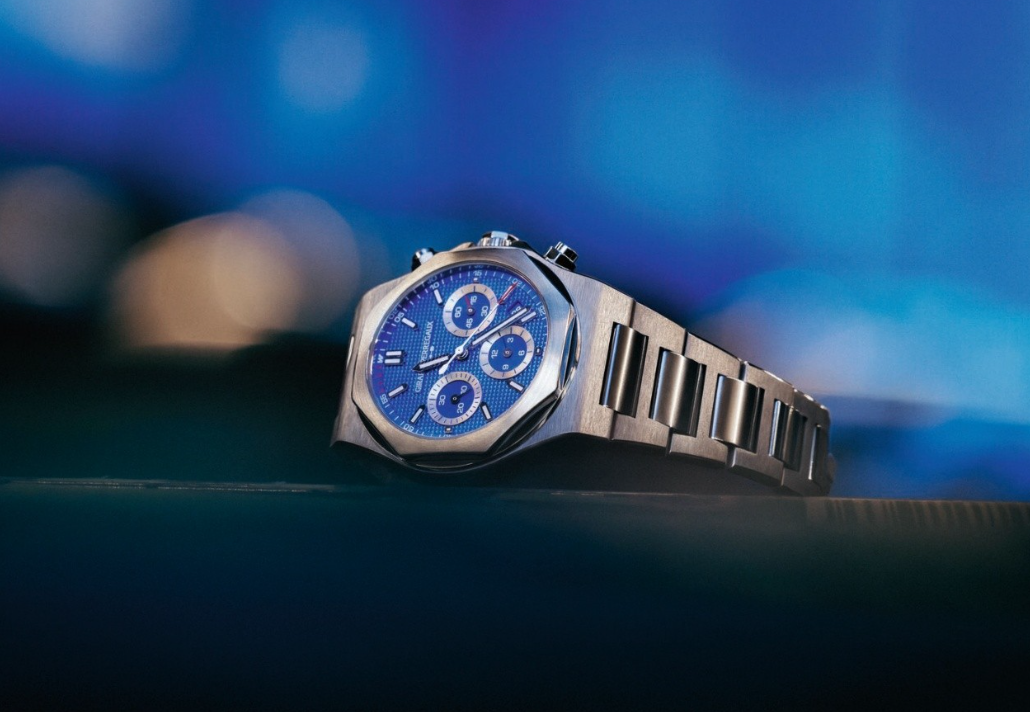
The collaboration comprises two 42mm steel watches: the time-and-date Laureato Williams Edition and the more technical Laureato Chronograph Williams Edition.
Both retain the familiar architecture of the Laureato, including its octagonal bezel, integrated bracelet and mix of polished and satin-finished surfaces. The influence of Williams is comparatively restrained, appearing through colour, discreet branding and details inspired by the team’s current Formula 1 car.
It is a welcome departure from the oversized logos and literal automotive references that can characterise motorsport watches.
The Williams FW48 inspires the dial
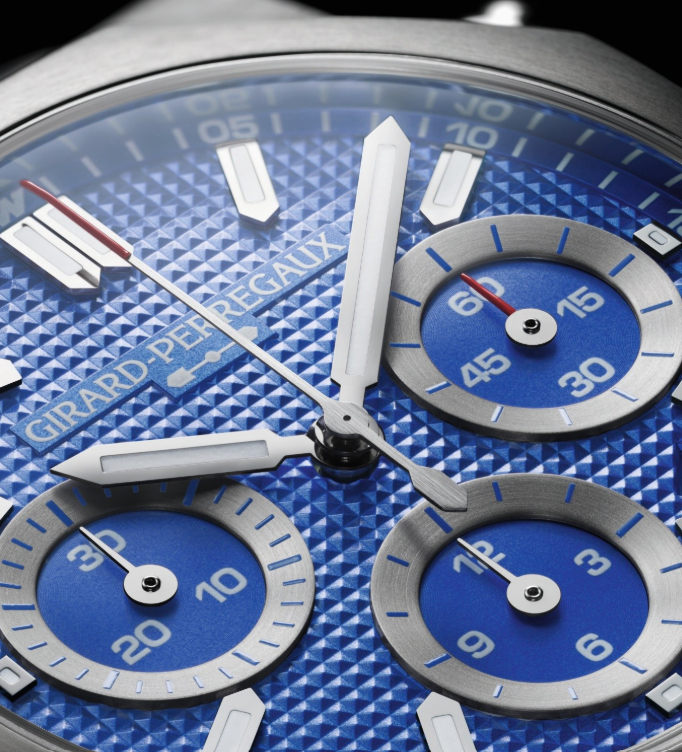
The centrepiece of both models is a blue Clous de Paris dial informed by the livery of the Williams FW48, the car being campaigned by the team during the 2026 Formula 1 season.
A small Williams “W” replaces the conventional marker at 12 o’clock, while the team emblem appears on the sapphire crystal caseback. Red accents echo the keyline used on the FW48 without overwhelming the established Laureato design.
The three-hand model offers the quieter interpretation. Baton-shaped, rhodium-plated hands and hour markers are filled with white-emitting luminescent material, while a date window sits at three o’clock.
The chronograph creates a more obvious connection with motorsport. Three subdials are framed by rhodium-plated rings, with red appearing on the small-seconds hand and the tip of the central chronograph seconds hand.
Both watches measure 42mm across and are water resistant to 100 metres. The standard Laureato has a case thickness of 10.68mm, while the additional mechanics of the chronograph increase its profile to 12.16mm.
Two in-house automatic movements
The Laureato Williams Edition is powered by Girard-Perregaux’s self-winding GP01800 calibre. The movement provides hours, minutes, central seconds and the date, with a minimum power reserve of 54 hours.
The Laureato Chronograph Williams Edition uses the automatic GP03300 calibre, which combines its chronograph functions with a date display and offers a minimum power reserve of 46 hours.
Both movements operate at 28,800 vibrations per hour and can be viewed through their sapphire crystal casebacks.
Their decoration provides a more traditional counterpoint to the Formula 1 association. Finishing techniques include Côtes de Genève, circular graining, bevelling, mirror polishing, satin finishing, engraving and snailing.
The result is less about reproducing the appearance of a racing car than identifying the common ground between two mechanical disciplines: precision, incremental development and the considerable work hidden beneath the finished product.
Parallel histories
The timing of the partnership draws attention to the remarkably similar ages of its two protagonists.
Girard-Perregaux introduced the original Laureato in 1975, establishing an integrated-bracelet sports watch with a distinctive octagonal bezel. Williams entered Formula 1 two years later in 1977.
Both have evolved continuously across the five decades since. The Laureato has moved through different sizes, materials and complications, while retaining its central design language. Williams, meanwhile, has remained one of Formula 1’s most historically significant teams.
That gives the collaboration greater credibility than a simple licensing exercise. Girard-Perregaux and Williams are not being connected solely through the familiar language of speed. Their stronger link is a shared dependence on engineering, testing and the accumulation of specialist knowledge.
The watches are described as the beginning of a longer collaboration, suggesting further Williams editions may follow.
Girard-Perregaux’s international website lists the Laureato Williams Edition at US$16,200 and the Laureato Chronograph Williams Edition at US$20,900. Australian pricing has not been announced.
Specifications
Girard-Perregaux Laureato Williams Edition 42mm
Reference: 81010-11-3680-1GM
Case: Steel
Diameter: 42mm
Thickness: 10.68mm
Crystal: Anti-reflective sapphire crystal
Dial: Blue Clous de Paris pattern
Movement: Automatic GP01800
Functions: Hours, minutes, central seconds and date
Power reserve: Minimum 54 hours
Water resistance: 100 metres
Bracelet: Integrated steel bracelet with triple-folding clasp
International price: US$16,200
Girard-Perregaux Laureato Chronograph Williams Edition 42mm
Reference: 81020-11-3681-1GM
Case: 904L steel
Diameter: 42mm
Thickness: 12.16mm
Crystal: Anti-reflective sapphire crystal
Dial: Blue Clous de Paris pattern with three chronograph counters
Movement: Automatic GP03300
Functions: Chronograph, hours, minutes, small seconds and date
Power reserve: Minimum 46 hours
Water resistance: 100 metres
Bracelet: Integrated 904L steel bracelet with triple-folding clasp
International price: US$20,900

A 30-metre masterpiece unveiled in Monaco brings Lamborghini’s supercar drama to the high seas, powered by 7,600 horsepower and unmistakable Italian design.

From gorilla encounters in Uganda to a reimagined Okavango retreat, Abercrombie & Kent elevates its African journeys with two spectacular lodge transformations.