RENOVATION REVOLUTION RESHAPES AUSTRALIA’S LUXURY HOMES
Kanebridge News
Share Button

RENOVATION REVOLUTION RESHAPES AUSTRALIA’S LUXURY HOMES

High-end homeowners are choosing to upgrade rather than relocate, investing in bespoke design, premium finishes and long-term lifestyle value.

By Jeni O'Dowd
Mon, Feb 16, 2026 10:51amGrey Clock 3 min

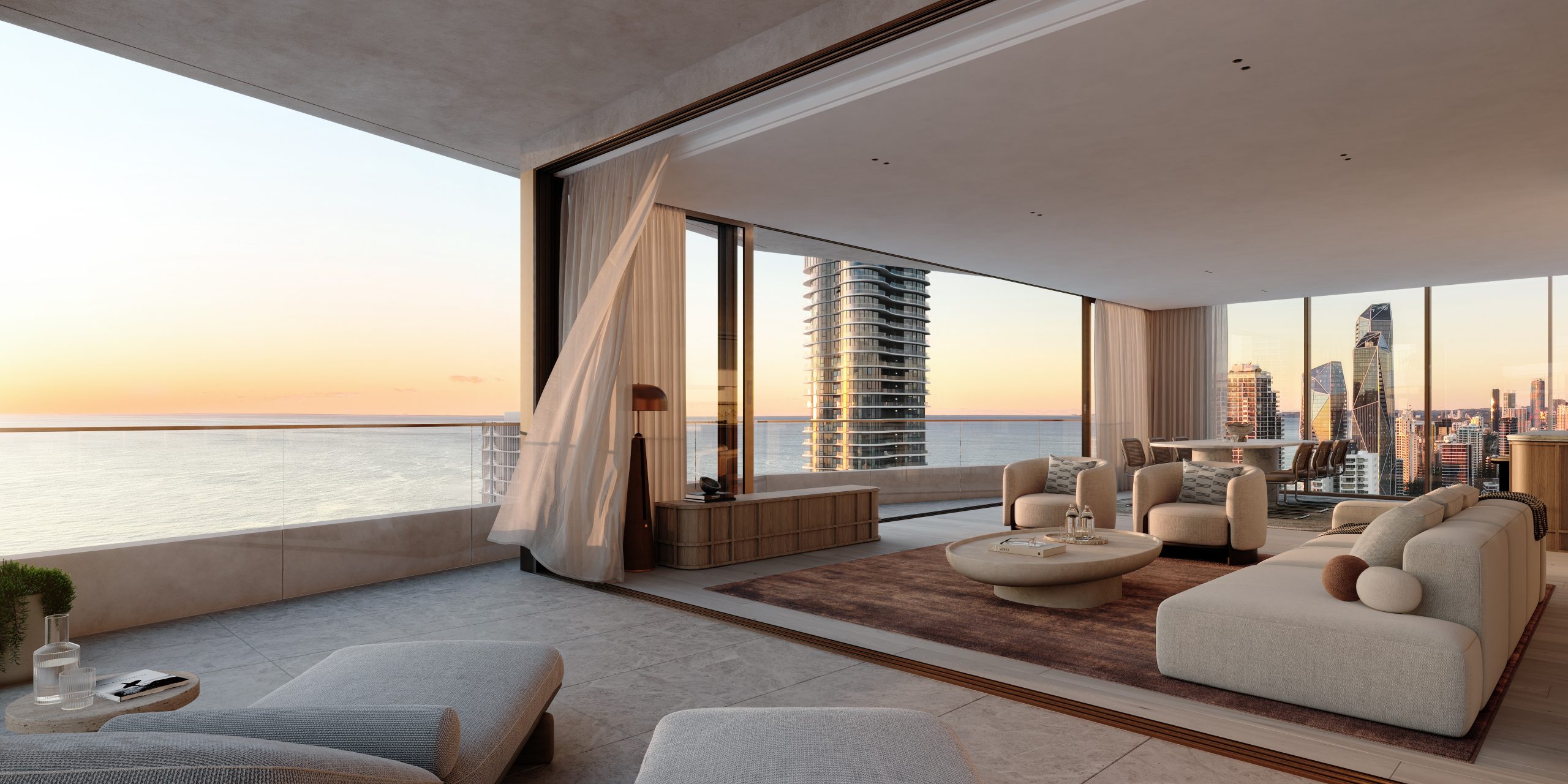
Australia’s prestige homeowners are increasingly choosing to reinvent their existing properties rather than enter an uncertain property market, fuelling what industry insiders are calling a “Renovation Revolution.”

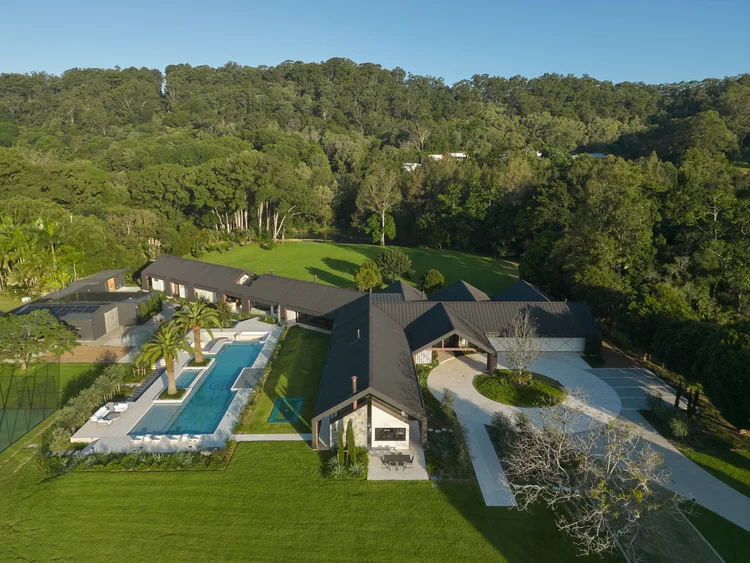
From heritage terraces to coastal retreats, this shift reflects a deeper change in mindset. Homes are no longer viewed as stepping stones, but as long-term assets worthy of thoughtful investment and personalisation.

“Homeowners are approaching renovation with purpose, balancing lifestyle needs, design aspirations, and long-term return on investment,” says Jodie Cramer, CEO of Andersens, a national flooring and interior finishes company.

“Viewed through this lens, renovating often makes more financial sense than moving. Homeowners with built-up equity are confidently premiumising their space, achieving better returns on capital.”

More than half of Australian homeowners were planning renovation or improvement projects within a year, with many considering structural changes such as reconfigured floor plans, extensions, or even additional levels.

Personalisation becomes the ultimate luxury

For affluent homeowners, renovation is no longer driven solely by financial logic. It is about crafting environments that reflect individual lifestyles, values, and aesthetic sensibilities.

“Home upgrades allow families to customise their spaces,” says interior designer Delena Pitman.

“They’re not always looking to move up the property ladder; they want to make where they are feel more like home. Renovations give people the freedom to design functional, comfortable, and visually inspiring spaces.”

This trend aligns with the broader luxury movement toward intentional living, where design choices prioritise comfort, wellbeing, and enduring quality over short-term trends.

Jodie Cramer

Flooring sets the foundation for luxury interiors

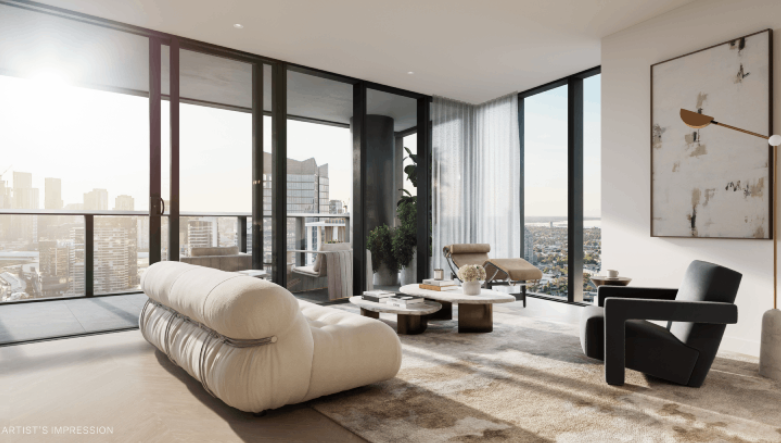
Among the most transformative elements in any high-end renovation is flooring, which establishes the visual and tactile foundation of a home’s design.

“Think of flooring as the canvas for your entire home,” Pitman explains. “Once it’s chosen, everything else — furniture, lighting, window treatments, and accessories — becomes easier to select, and the space feels cohesive and intentional.”

Premium materials such as engineered timber, natural stone and luxury vinyl planks are increasingly favoured for their durability and aesthetic appeal, while softer textures like wool carpet add warmth and acoustic comfort to private spaces.

Continuous flooring across open-plan living zones enhances spatial flow, while darker tones such as walnut or charcoal introduce richness and sophistication.

Designing cohesive, layered spaces

Today’s most successful renovations are guided by a holistic design approach, where flooring, cabinetry, lighting and furnishings work in harmony.

“Change the floor, and everything else either harmonises or clashes — it’s the anchor of your interior design,” says Pitman.

“Once the floor is selected, you can choose wall colours to complement or contrast, coordinate cabinetry and countertops, and adjust lighting to provide bright task illumination or soft mood lighting.”

This layered approach allows homeowners to create interiors that feel both elevated and deeply personal.

Renovation as a strategic property investment

Beyond aesthetics, renovation is increasingly viewed as a strategic investment decision. In prime suburbs and lifestyle regions alike, improving an existing home often delivers greater value than purchasing anew.

This approach enables homeowners to preserve location advantages while enhancing liveability, energy efficiency and long-term capital value.

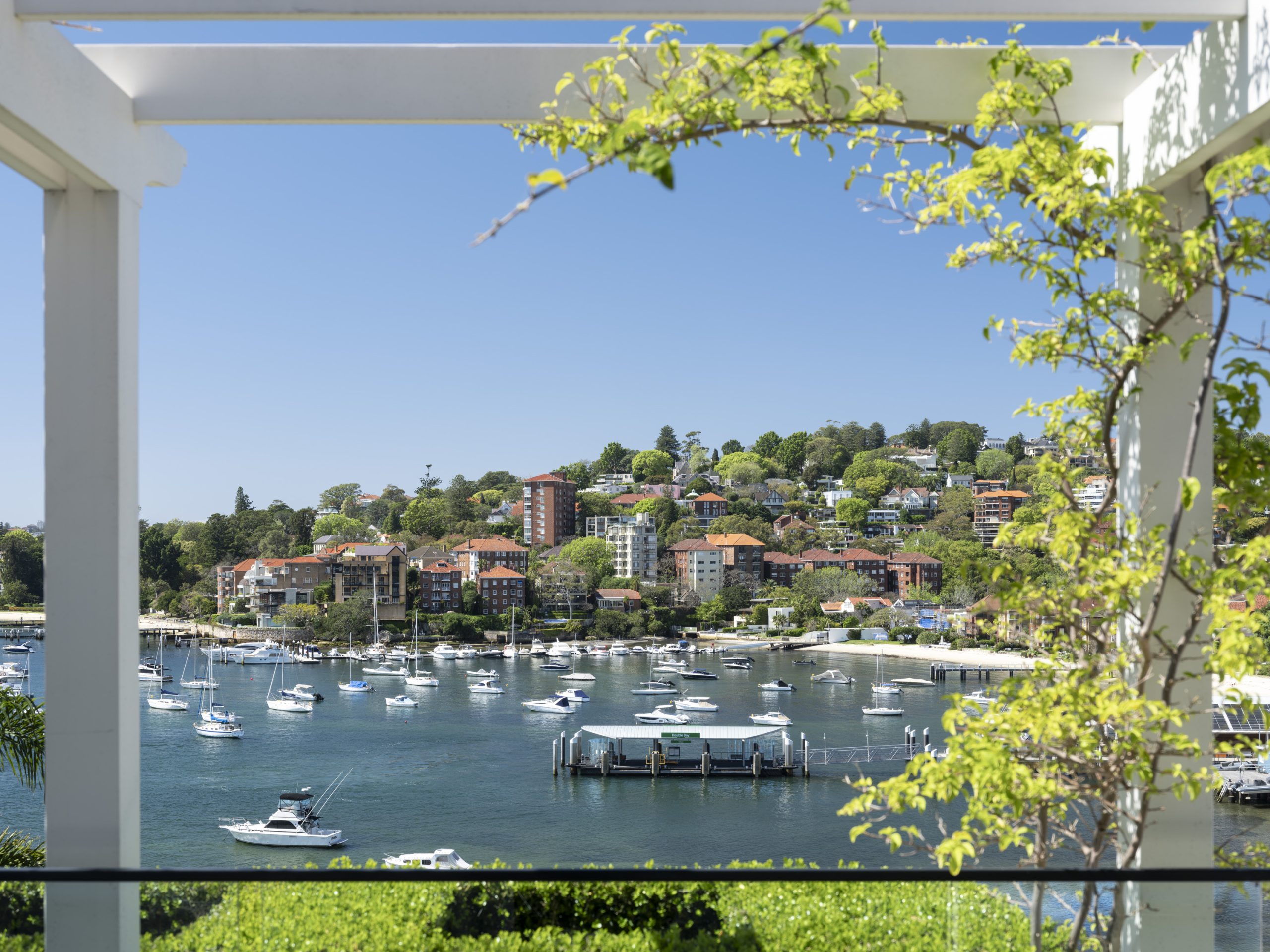
Whether upgrading a waterfront residence, modernising a federation home, or refining a contemporary coastal retreat, the message is clear: in Australia’s luxury property market, the smartest move is often staying exactly where you are — and transforming it into something exceptional


MOST POPULAR

Travellers are swapping traditional sightseeing for immersive experiences, with Africa emerging as a must-visit destination.

Wealthy Aussies are swapping large family homes for high-end apartments, with sales of prestige units tripling over the past decade.

Related Stories
Property
Melbourne set to overtake Sydney as Australia’s biggest city as property demand surges
By Jeni O'Dowd 10/03/2026
Property
Luxury apartment ‘rightsizing’ boom reshapes prestige property market
By Jeni O'Dowd 10/03/2026
Property
$30m Southern Highlands trophy home Invergowrie returns to the market
By Staff Writer 09/03/2026
Melbourne set to overtake Sydney as Australia’s biggest city as property demand surges

Strong population growth, major infrastructure spending and comparatively affordable property are expected to cement Melbourne’s position as Australia’s most attractive long-term real estate market.

By Jeni O'Dowd
Tue, Mar 10, 2026 2 min

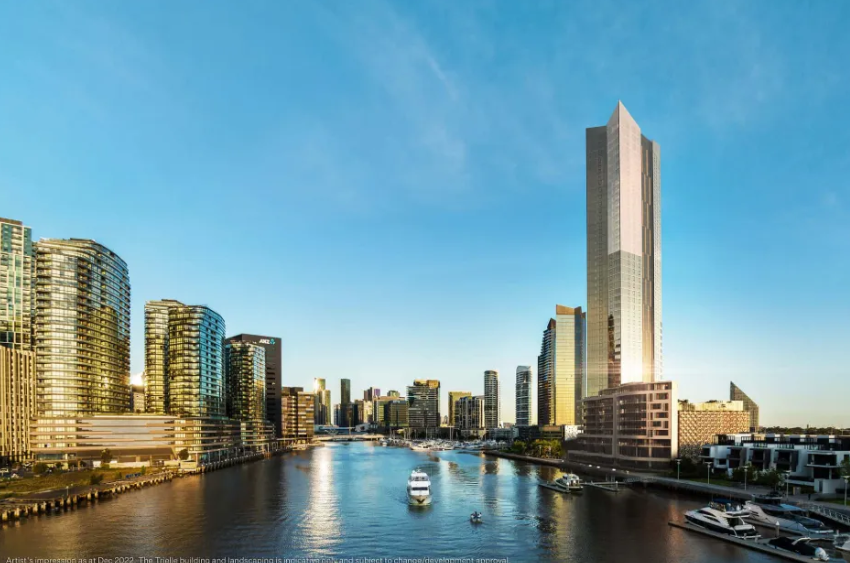
Melbourne is poised to become Australia’s largest city within the next decade, with strong population growth, infrastructure investment and relative affordability driving long-term property demand.

A new research report from Knight Frank argues the Victorian capital remains one of the country’s most compelling markets for investors, businesses and residents.

The report highlights the city’s rapidly expanding population, diverse economy and major infrastructure pipeline as key factors underpinning future property growth.

Knight Frank Managing Director Victoria, Dominic Long, said Melbourne’s fundamentals continue to position the city strongly for long-term investment.

“Melbourne continues to stand out as one of Australia’s most compelling real estate markets,” he said.

“It is Australia’s strongest long-term growth city with the fastest growing population, the most diversified economy, world-class liveability and the most affordable major market for office, industrial and residential property.”

Population growth driving demand

Melbourne’s population has grown at an average rate of 1.8 per cent per year since 2000, faster than any advanced global economy, according to the research.

In the year to June 2025 alone, the city added about 123,500 residents, the largest annual increase of any Australian capital.

Population growth is expected to remain one of the key drivers of demand across residential and commercial property markets, including housing, offices and logistics space.

The report forecasts Melbourne’s population will overtake Sydney’s by the 2030s, reinforcing its position as the country’s fastest-growing major city.

Office market offering value

Melbourne’s CBD office market is also attracting renewed attention from investors.

Prime office rents remain significantly lower than in competing cities, with CBD office space about 46 per cent cheaper than Sydney and around 13 per cent cheaper than Brisbane.

That relative affordability is expected to drive long-term demand from occupiers and investors seeking value in Australia’s largest office markets.

The city’s office sector is also showing signs of recovery, with effective rents rising in 2025 and demand increasing for high-quality buildings in premium locations.

Industrial market benefiting from scale

Melbourne’s industrial sector continues to expand, supported by strong population growth, e-commerce demand and the scale of the city’s logistics network.

The city already hosts the country’s largest industrial market, with about 34 million square metres of warehousing stock and significant land available for future development.

Industrial rents remain competitive compared with other capitals, while Melbourne’s port handles the largest container volumes in Australia, further supporting demand for logistics space.

Infrastructure pipeline supporting growth

More than $200 billion in transport infrastructure investment between 2014 and 2036 is also expected to reshape the city and support future property values.

Major projects include the Metro Tunnel, the West Gate Tunnel, the North-East Link and the Suburban Rail Loop, which together will improve connectivity across Melbourne and its growth corridors.

Knight Frank’s Head of Research & Consulting, Victoria, Dr Tony McGough, said these investments would play a key role in supporting the city’s economic expansion.

“Melbourne is Australia’s most economically diverse city and has delivered stable growth for more than two decades,” he said.

“With strong population growth, a highly educated workforce and unprecedented infrastructure investment, Melbourne is well placed to remain one of Australia’s most attractive long-term property markets.”

MOST POPULAR

The sports-car maker delivered 279,449 cars last year, down from 310,718 in 2024.

A survey of people with at least $1 million in investable assets found women in their 30s and 40s look nothing like older generations in terms of assets and priorities

Related Stories
Property
Salute to a Randwick Icon
By Kirsten Craze 29/09/2025
Travel
MICHELIN-STARRED ALAJMO BROTHERS HOST EXCLUSIVE CRYSTAL CULINARY VOYAGE
By Jeni O'Dowd 26/02/2026
Property
Sydney’s Best Luxury New Apartments For Sale. You Won’t Believe The Price!
By KANEBRIDGE NEWS 23/07/2025
0
    Your Cart
    Your cart is emptyReturn to Shop