The Well-Heeled Are Headed to Puglia, the End of Italy’s Boot

 5 min
5 min
The heel of Italy’s boot is its hospitable heartland, at least to a growing contingent of savvy travellers who find themselves turning to Puglia time and again, perhaps at first for its rusticity, but now for its lavish resorts. It’s been a long time coming for the historically overlooked region and its 500 miles of coastline, most of which is devoid of the crowds overstuffing other parts of the country.
“Puglia is authentic but contemporary, relaxing but full of vibrant energy,” says Aldo Melpignano, owner of Borgo Egnazia, a luxury resort that has helped put the region on the map for international travellers. “It’s becoming more and more an international travel destination, but you can still discover hidden gems and unspoiled places.”
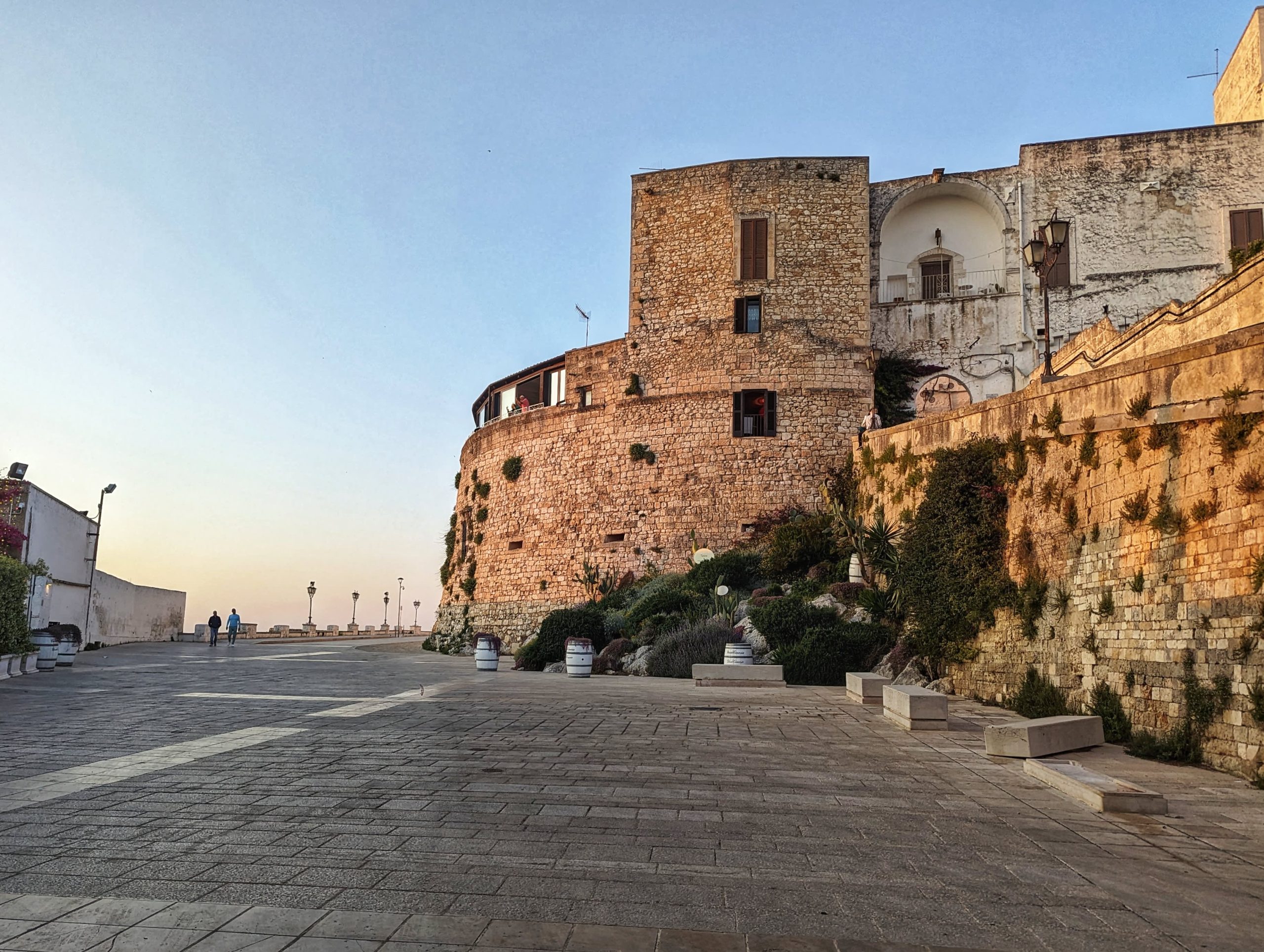
Charming towns line the Adriatic coastline like whitewashed pearls on a string, from Lecce to Brindisi, onward to Ostuni and Monopoli, continuing north to Bari and Trani. The countryside in between showcases the remnants of conical trulli, traditional stone-hut residences, found amid endless olive groves. Its every facet has a distinct Puglian feel, an inimitable aura of charm and hospitality that cannot be replicated.
The Growth of Puglia’s Luxury Scene
“Sometimes when you are in a luxury resort in the Côte d’Azur or Sardinia or Mexico, you feel like you could be anywhere, you don’t have a sense of place” says Vito Palumbo, CEO of Tormaresca winery. “When you are in Borgo Egnazia or Torre Coccaro, though, you know you are in Puglia, you know that you’re in a masseria that has been revamped into a beautiful resort with a very strong Puglian identity.”
Jake Emen
It’s been a quarter century since Tormaresca was acquired by wine conglomerate Antinori, whose financial backing and know-how helped modernize its efforts, transforming its distinctive terroir and native grapes—such as Primitivo, Negroamaro, Aglianco, and Fiano—into sought-after varieties. In more recent years, Palumbo has grown into a role as the face of Tormaresca, but also as the de facto ambassador for Puglia on the whole, dedicated to touting the appeal of his home region.
Puglia’s beloved masserias, or farm estates constructed in village-like fashion, replete with small walkways and central gathering plazas, offer a different spin on Italian luxury and hospitality, versus the villas of Tuscany, the cliff top properties along the Amalfi coast, or the grand dames of Venice and Florence.
One of the initial masserias to make a splash was Masseria Il Melograno, whose grounds are studded with gnarled and wizened 600-year-old olive trees and purple bougainvillea flowers. But when Borgo Egnazia opened in 2010, following a six-year, reported €150 million project, it set the region on a luxurious new path, gaining recognition as one of the top properties in Italy and across continental Europe.
With that kind of success, it was perhaps inevitable that large, international brands would follow course. Rocco Forte added Masseria Torre Maizza to its portfolio in 2018, and in early 2021, Four Seasons announced an Ostuni project, signalling it would be a new construction with direct beach access and 150 villa-style guest rooms. Around the same time, Belmond purchased Masseria Le Taverne, a 17th-century farm estate, and is amid extensive renovations while aiming to maintain the property’s heritage and character.
Jake Emen
“Puglia’s popularity has grown significantly for those looking to explore a different part of Italy and to discover the region’s spectacular coastlines and beautiful beaches, rich history, and exceptional culinary offerings,” says Bart Carnahan, Four Seasons president of global business development and portfolio management.
The Roots Are in the Vineyards and the Olive Groves
At the heart of Puglia’s culinary movement is an appreciation for its local ingredients, from burrata to olive oil and a wealth of fresh seafood.
“Puglia is Italy’s most important region for extra-virgin olive oil production,” Palumbo says, citing overall output and a breadth of styles, with at least 60 types of olives found on millions of trees. Yet, as with the region’s wine, the quality of its olive oil was long overlooked, with the majority being sold in bulk. “Puglian olive oil is going places, and it’s the same story as the wine. There are more strong Puglian olive oil brands than Tuscan ones now.”
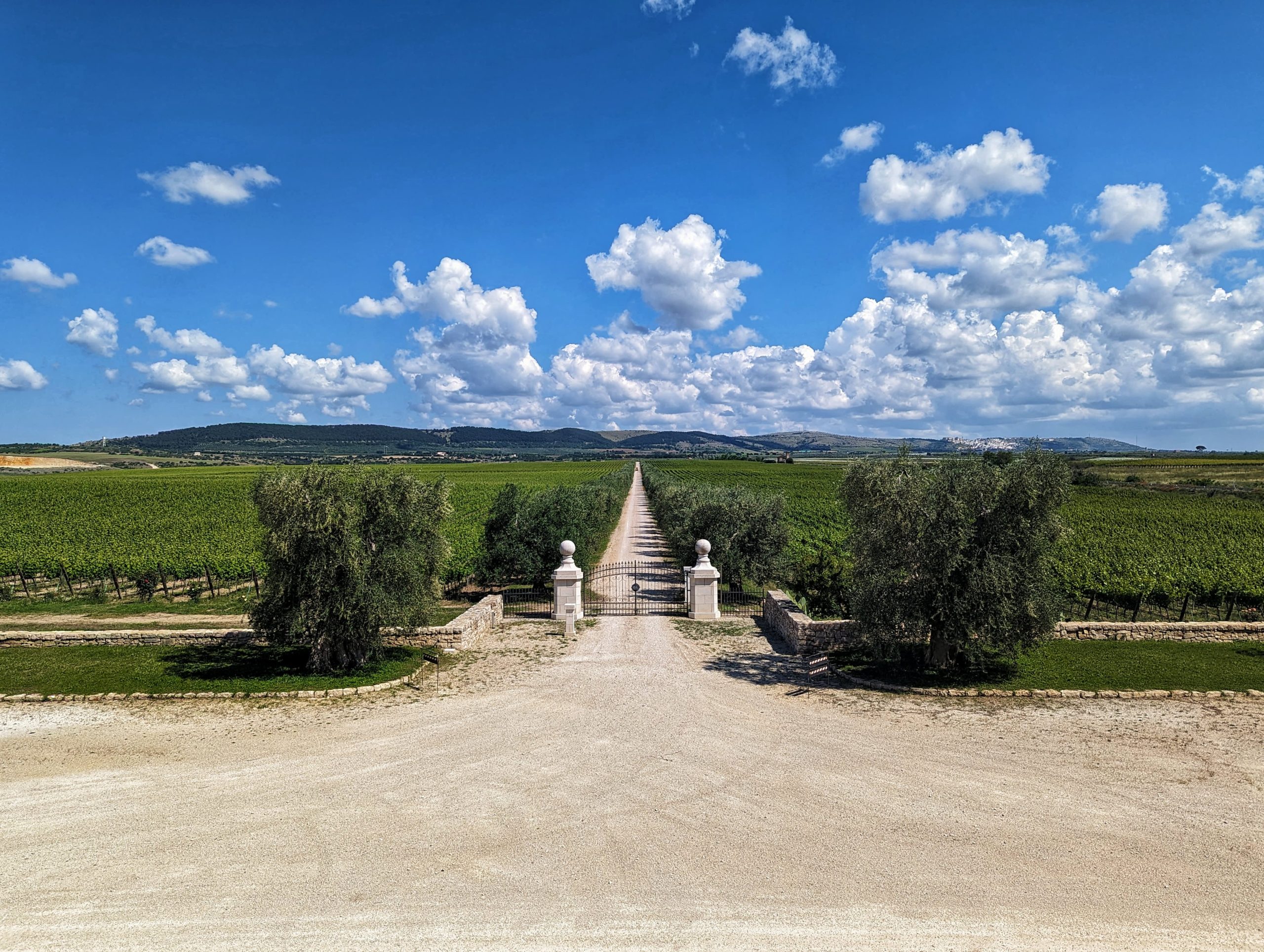
Travellers can spend a day on a farm or dairy learning how to make cheese or pressing their own olive oil, perhaps in between visits to its emergent wineries. At Tenuta Bocco di Lupo, the long, sandy white road that serves as its entrance beckons travelers to its grand estate and cellar. There, they can taste wines under its eponymous label, such as an Aglianico from Castel del Monte; Pietrabianca, made with Chardonnay and Fiano from Castel del Monte; and Fiano di Bocca Di Lupo.
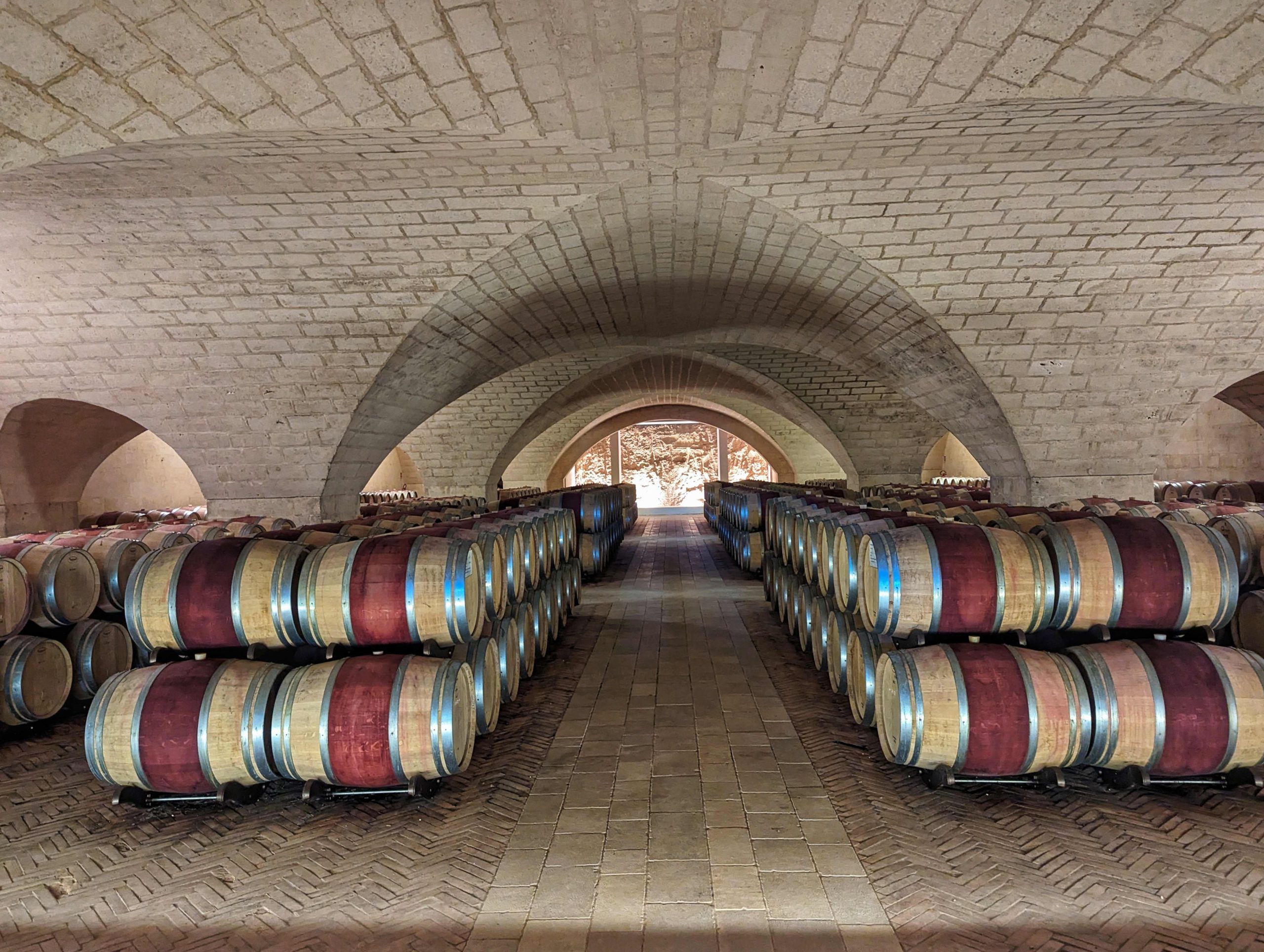
Then there’s Tormaresca’s Calafuria, the best-selling rose wine in, and from, Italy. But it’s through the aforementioned offerings, along with bottles such as Torcicoda, a Primitivo from Salento, as well as the Masseria Maime Negroamaro, that Palumbo plans to establish the bonafides of his two estates in the region. What he and his winemakers have found is that Puglian wines made with intention, and reflective of their home place, are more than capable of great ageing potential, with rich character that consumers can expect to develop and unfold in the decade or two to come, while still being able to be poured today and enjoyed. “We want the Puglian influence,” Palumbo says.
Puglia’s restaurant scene has soared as well, with 10 Michelin-starred outposts in the region and scores of other fine-dining establishments. A prestige institution such as Quintessenza, in Trani, is helmed by the four Di Gennaro brothers, each of whom has a different role in the operation of a space devoted in full to showcasing and elevating Puglia’s bounty.
Jake Emen
The best eating though may be in casual, local spots with seaside views or beachfront settings, from the Coccaro beach club and restaurant, to the Trabucco Tormaresca in Trani, a sceney waterfront bar stylised as an old fisherman shack. The best of both worlds can be found at a restaurant such as Osteria del Tempo Perso in Ostuni, where classic Puglian dishes are showcased with the best ingredients, but without unneeded adornment or reinvention, with the service and setting that elevates food with humble origins into a destination dining experience.
Travellers to Puglia can indulge in it all: the excellent food and wine that will satiate the most discerning of palates and the luxurious accommodations that need not play second fiddle to anywhere else in the country, offered with the trademark embrace of the region’s hospitality.
“The ancient traditions of this region represent a unique heritage,” Melpignano says. “What really makes the difference in Puglia is the people: Always heart-warming, they have the sense of welcome in their blood.”
 Copyright 2020, Dow Jones & Company, Inc. All Rights Reserved Worldwide. LEARN MORE





Ophora Tallawong has launched its final release of quality apartments priced under $700,000.
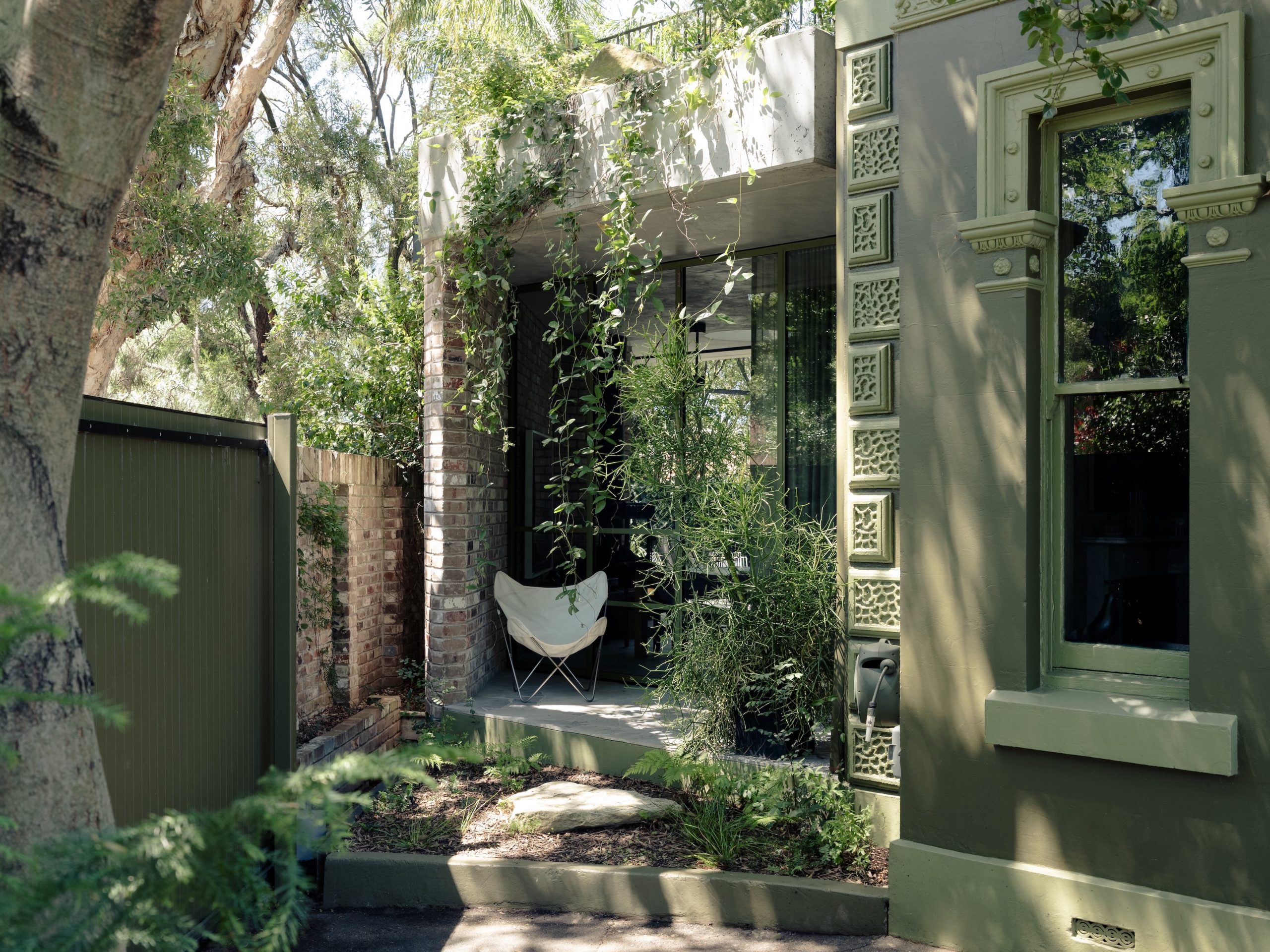
From bushland greens to valley reds, the country’s most awarded designers are proving that the best colour palette was never on a swatch card; it was outside the window all along.
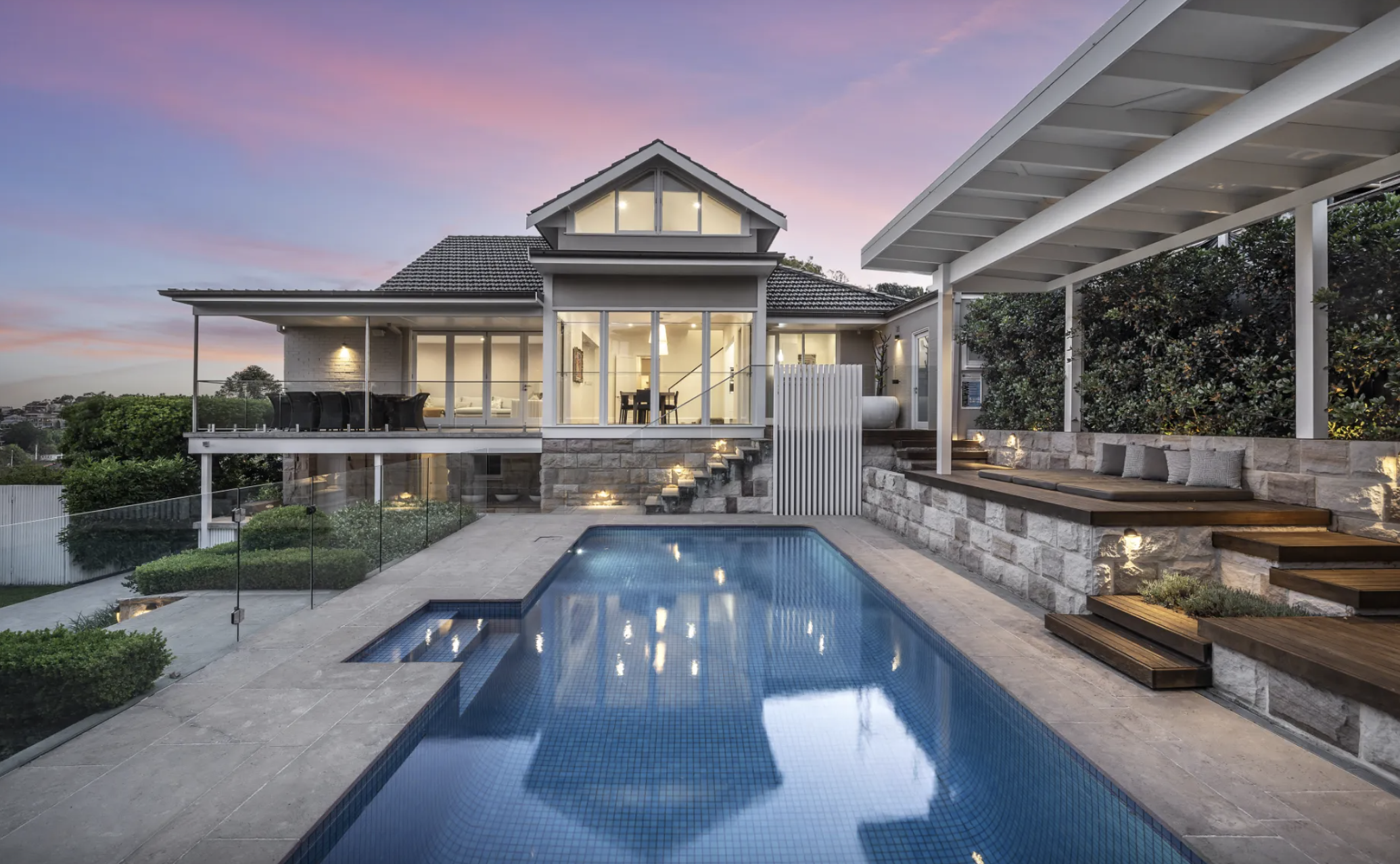
The federal budget has rattled property investors. But the biggest mistake isn’t the tax changes, it’s the conclusion many are drawing from them.
2 min
The recent budget has forced a reckoning for property investors.
Negative gearing now restricted to new residential builds, the CGT discount gone and on paper, the numbers look different.
And many investors are responding by pivoting toward yield, prioritising cash flow over capital growth in a way that property strategists say misses the point entirely.
“The debate has shifted to yield versus growth as if they are opposing forces,” says Abdullah Nouh, founder of Melbourne-based buyers’ agency Mecca Property Group. “But that framing is itself the mistake.”
Nouh, who works with high-net-worth families and investors on long-term acquisition strategy, argues that capital growth remains the primary driver of genuine wealth creation and that the post-budget environment has made quality assets more important, not less.
The numbers make his case plainly. An additional $500 per week in rental income is welcome. A prestige asset appreciating by $1 million over a market cycle is transformative.
These are not equivalent outcomes, and portfolios built around yield at the expense of location and land value tend to generate income while wealth stands largely still.
The more nuanced shift Nouh is seeing among sophisticated investors is a move toward assets where both outcomes can be engineered simultaneously – established homes on substantial land in quality locations, where the existing dwelling can be repositioned, rental returns improved, and the underlying land value compounds independent of what sits on it.
For investors with existing equity, commercial property is also entering the conversation in a more serious way.
Prestige industrial assets, medical centres and long-leased essential retail offer income profiles that residential property in most capital city markets cannot currently match: longer lease terms, tenants covering outgoings, and greater predictability than the residential tenancy cycle.
“The investors who build lasting wealth are rarely the ones who chased yield or growth exclusively,” says Nouh.
“They are the ones who built a strategy they could sustain – one that generated enough income to hold quality assets through multiple cycles while those assets compounded in value.”
The budget has changed the settings. It has not changed the fundamentals.

A Vaucluse masterpiece by MHNDU with interiors by Poco Designs brings architectural ambition and breathtaking ocean outlook to the auction block.

A cluster of century-old warehouses beneath the Harbour Bridge has been transformed into a modern workplace hub, now home to more than 100 businesses.