Beefy, Austrian-Made Camper Van Aims to Drive America’s Glampers off the Beaten Path

 4 min
4 min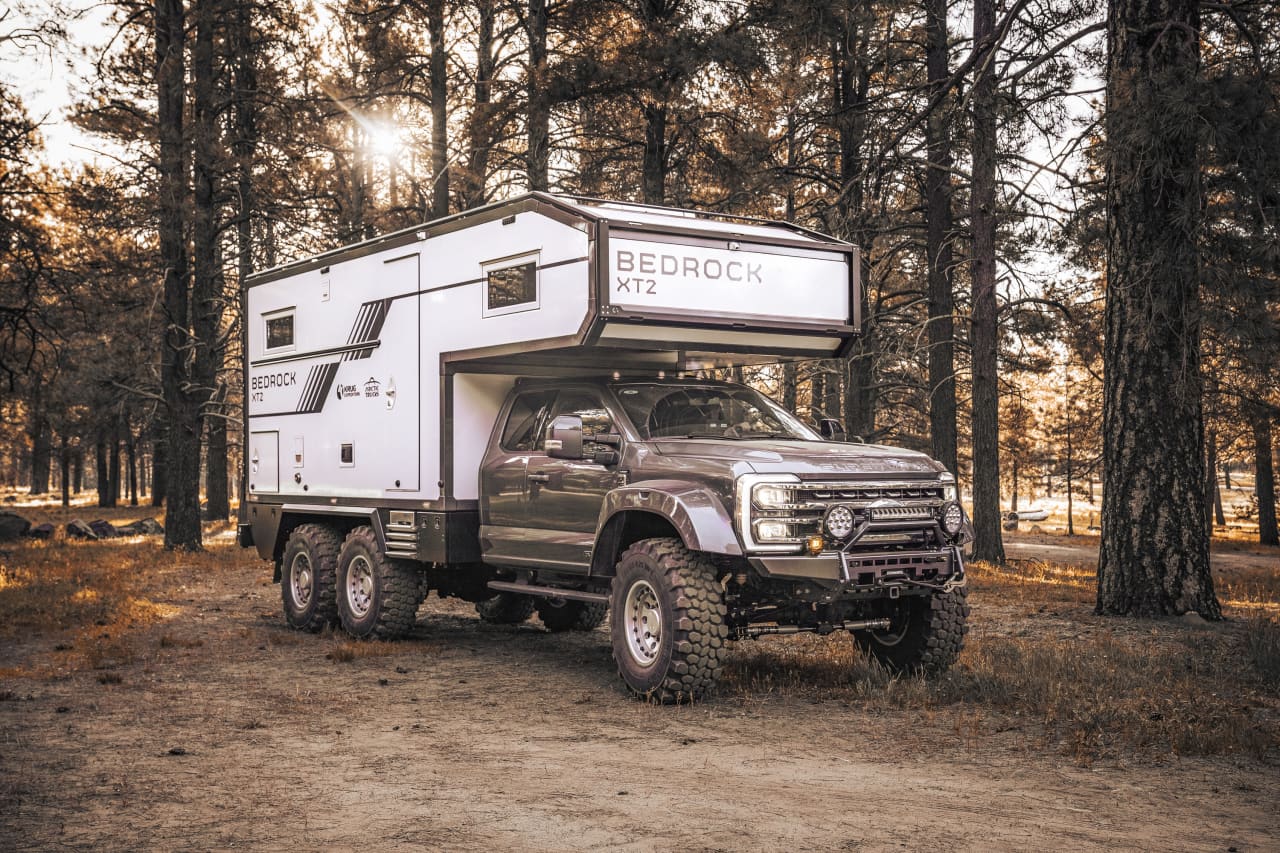
People do like to sit high in their rides, but this high? A ladder would have been helpful to mount the extra-tall Krug Expedition Bedrock XT2, a US$690,000 go-anywhere camper from an Austrian company that wants to conquer the American off-road RV market. This is off-the-beaten-path glamping at its finest.
The example tested is, so far, the only one, but Krug has high hopes for the American market, which has a growing appetite for “expedition” off-road vehicles ranging from trucks to beefed-up RVs. The company describes the XT2 as a “6×4 off-road machine converting a luxury variant of the Ford Super Duty F-550 and bringing it to the next level with suspension and chassis frame reliability.” In other words, it’s a rugged three-axle truck with a double bed attached. The camper is a joint production with Iceland-based Arctic Trucks, which specialises in polar expeditions to the Arctic and Antarctic.
One of Arctic’s vehicles set a speed record of 108 hours from the Russian Novolazarevskaya Antarctic research station to the South Pole in 2010. The XT2 might be ideal, then, for a trip through the spectacular scenery of Alaska or for hitting the highway in Canada and driving north. The truck is ready to go off the grid, supported by electric power from a 1,450-watt-peak solar panel array and a 23-kilowatt-hour battery bank.
The founder of Krug, Viktor Ermolov, tried a competitor’s expedition vehicle around 2010 and thought he could do better with a vehicle filling an unmet need for a light (relatively speaking) expedition camper that could drive well in extreme terrain. The first truck came out in 2011.
Krug
“Our clients are adventure-seeking individuals with a passion for nature and conservation. They prioritise quality, reliability, and sustainability in their purchasing decisions and are motivated by the desire for unique and meaningful experiences,” Krug Expedition CEO Slawa Knorr said in a statement to Penta .
Asked about the typical client, he said that young couples and families with children are being seen more and more.
On the road, the 9,000 to 10,000-pound XT2, which looks like a normal truck-mounted camper on steroids, was surprisingly easy to drive. Under the hood was a Ford Powerstroke 6.7-litre diesel with direct injection and 330 horsepower, with the weight of the camper yielding something like nine miles per gallon. The assisted steering was fairly light. The brakes felt like they were hauling down considerable weight, which they were. The biggest consideration while driving was considering the width and avoiding contact with cars lining the road. The cab was relatively comfortable, and the visibility good except toward the back, where the big mirrors became extra important.
The third axle decreases ground pressure up to 25%, and the big Continental multi-purpose tires provide a lot of grip. The rear air suspension is adjustable from the cab to accommodate heavy loads and rough terrain.
Krug
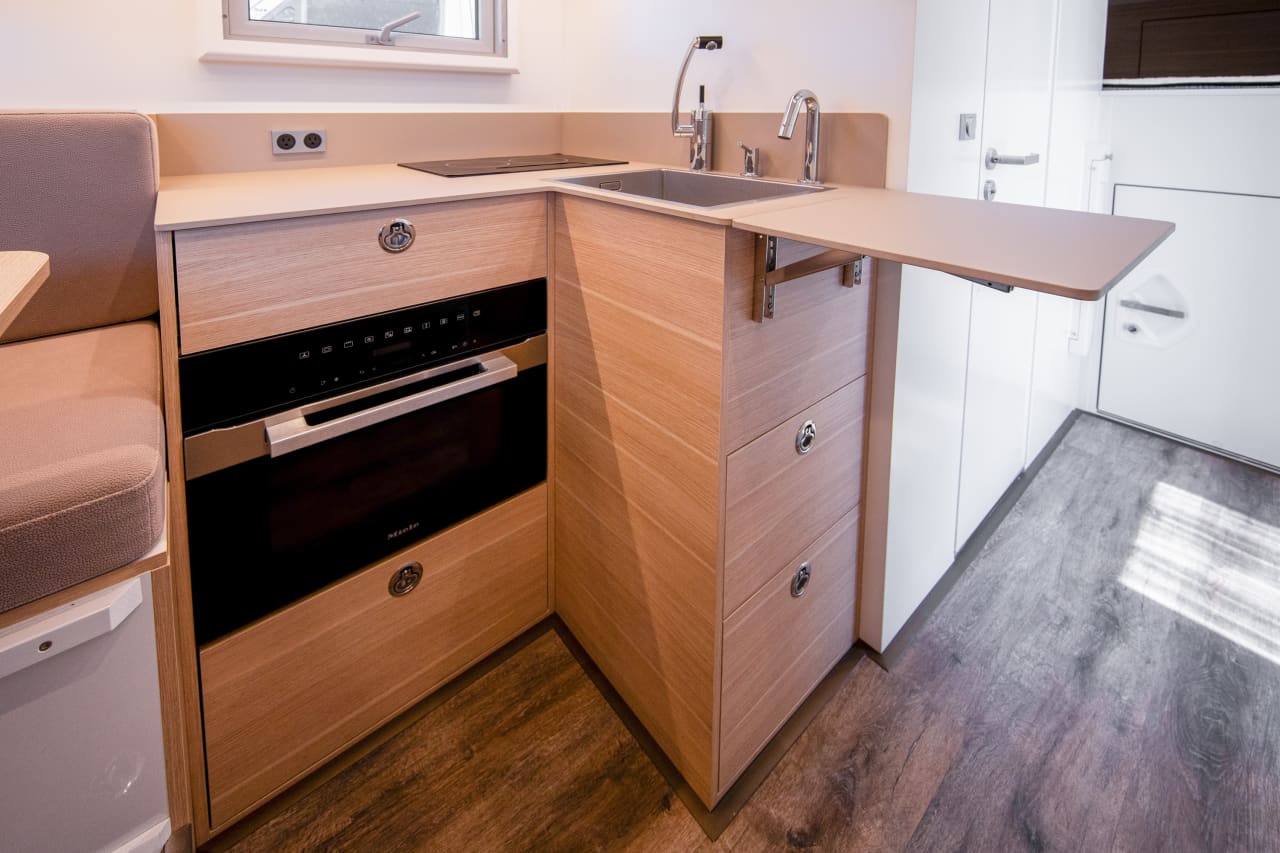
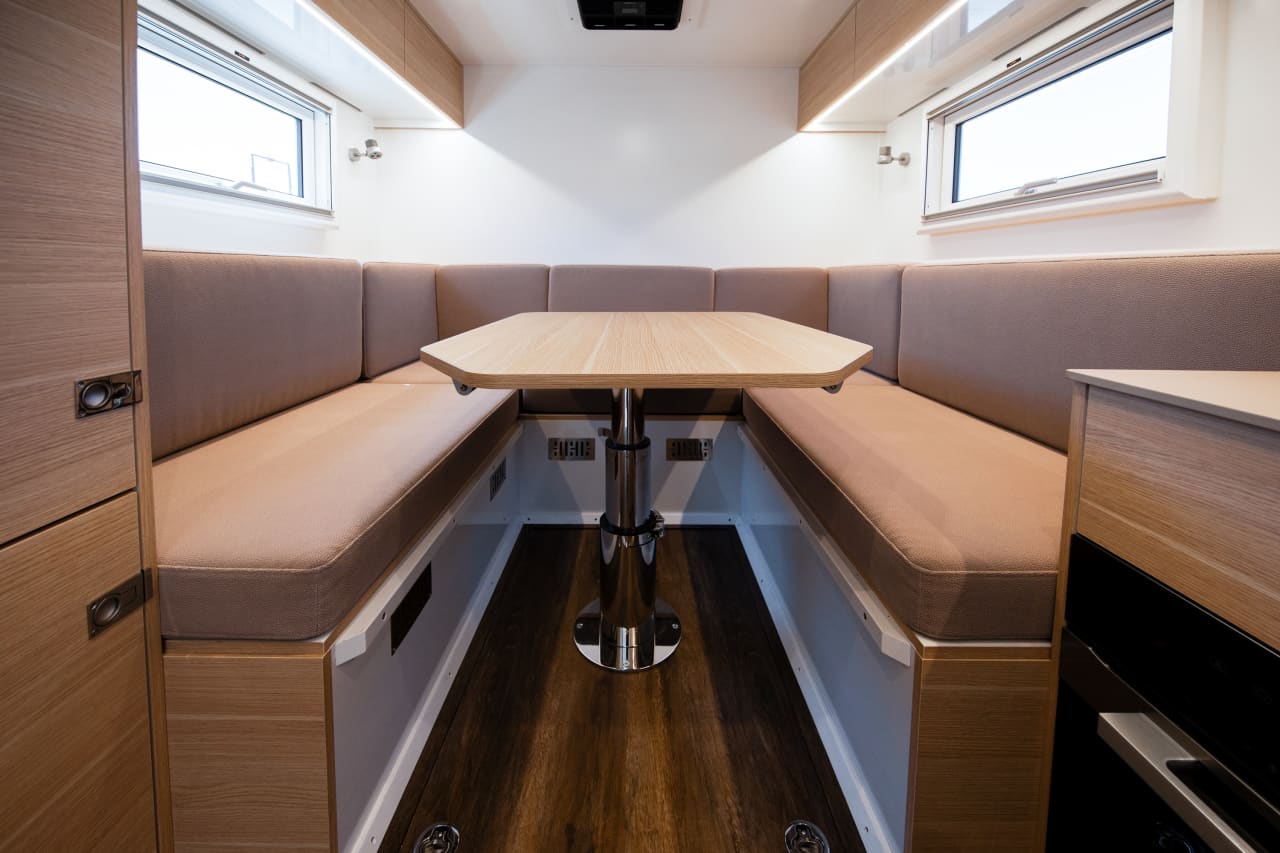
The exterior camper panels are made from a high-grade, glass-reinforced plastic (GRP) laminate that is 70% fibreglass. Inside, the XT2 offers functional luxury. There was a comfortable-looking king bed in its own nook, a kitchenette, a bathroom with walk-in shower supported by a 118-gallon filtered water tank, and a dining area and lounge with a 32-inch TV (with Starlink connectivity) and a table that converted to a second sleeping area. For a week away, it was more than fine, and the buyer can make it as luxurious as they want.
Krug
The kitchen’s fresh water uses the General Ecology Seagull IV-X2 system to banish chemicals, bacteria, and viruses. It may be cold where you’re going, so the quiet Truma Combi diesel-powered air heating system is on board, providing cabin heat and hot water. A hydronic system for underfloor heating is also available for colder climates, with automatic frost protection and radiators in the bathroom and dining area radiators. And for hotter weather, there’s the highly energy-efficient Nomadic Cooling air-conditioning system.
If cooking al fresco is desired, a portable outdoor kitchen can be built into the underfloor storage boxes.
For weekend getaways, any number of less-expensive camper solutions are available. The XT2 is aimed at rugged adventurers, who want to be virtually self-sufficient for excursions off the beaten path. It’s not the only vehicle in this expedition category. There’s also the evocatively named Storyteller GXV Epic, priced at a similar US$696,377. This is a big, tough all-wheel drive truck with up to 1,800 miles of range, 18 kilowatt-hours of available power, a built-in washer and dryer, and more.
Or how about the Ford F-250-based US$350,000 27 North Ascender RexRover truck, which sleeps four? Need more room? The cabover Loki Steyr 1491 accommodates six.
 Copyright 2020, Dow Jones & Company, Inc. All Rights Reserved Worldwide. LEARN MORE





From making unpopular decisions to learning when to listen, leaders from five businesses reveal what nobody prepared them for — and how running a company has challenged their expectations.

Technology and semiconductor shares fell sharply as investors questioned the debt financing the AI infrastructure boom and confronted higher rates and Chinese competition.

Elon Musk is exploring a potential merger between Tesla and SpaceX, a deal that could reshape the future of AI, robotics, autonomous vehicles and space technology. With a combined valuation potentially reaching $3.5 trillion, the move could bring Musk’s vision of an interconnected technology ecosystem closer to reality, although a deal remains uncertain.
5 min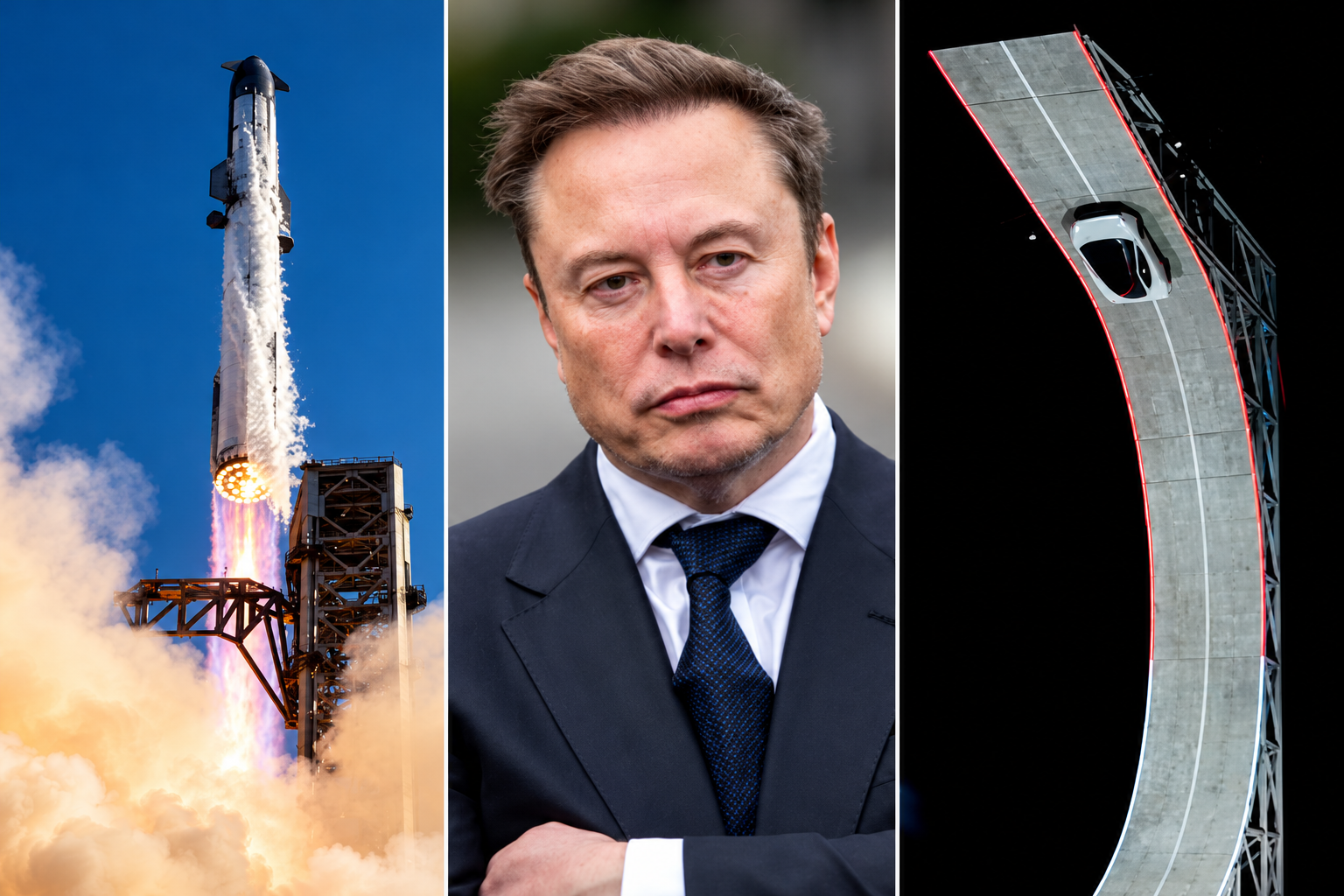
Elon Musk has engineered ties between Tesla TSLA 3.41%increase; up pointing triangle and SpaceX SPCX 7.79%increase; up pointing triangle that are hard to break, and now he wants to fuse them together permanently.
Musk has run both Tesla and SpaceX concurrently over the past two decades, using a schedule that dictated which days he spent focused on each business.
The companies have often shared resources and personnel, signaling their close ties. Last year, SpaceX looked into creating a spacesuit for Tesla’s humanoid robot Optimus, a person familiar with the matter said. Tesla last week showed off its new Roadster, a vehicle featuring SpaceX rocket thrusters that it hopes to soon bring to market.
And in recent months, Musk has repositioned both companies by expanding beyond their core operations toward a shared mission centered on artificial intelligence.
The world’s richest man on Tuesday signaled his interest in tying up SpaceX and Tesla, marking what would be the biggest corporate merger of all time. Because he serves as chief executive of SpaceX and Tesla, Musk said committees of independent directors at both companies are evaluating a possible deal, adding that a transaction might not come to fruition.
The committees will likely evaluate, with lawyers and bankers, how each company would fare in a potential deal and how a deal might best be structured. They then present their conclusions to their respective boards, who typically vote on whether to proceed.
“It’s an odd Kabuki dance where two groups of people are talking and I can’t be in the conversation,” Musk told SpaceX investors on Tuesday in response to an analyst’s question about a potential deal.
For Musk, the merger supports his vision of a world full of autonomous cars, humanoid robots and weekly rocket launches, as well as the data centers and satellites required to keep the whole thing running.
Some investors and analysts said they expect a transaction would be structured as an all-stock deal, with SpaceX potentially paying a modest premium for Tesla shares.
SpaceX, which has a market value of about $2 trillion, said it is seeing sharp growth in revenue across its businesses, which include operating data centers, launching rockets and operating satellite networks such as the internet service Starlink. Tesla is valued at about $1.5 trillion and is expanding its operations beyond its automotive and energy business. Shares in both companies traded higher following the news Tuesday.
Musk’s substantial ownership stakes in both companies, along with voting control at SpaceX, has enabled him to set the deal in motion. Analysts and investors said the deal will probably face regulatory scrutiny internationally, though some see Musk’s close relationship with the Trump administration as an asset to getting approval.
Blurred lines
The companies haven’t said which directors are on the special committees evaluating a potential deal. Several SpaceX and Tesla board members have either personal or business ties to Musk. And like Musk, venture capitalist Ira Ehrenpreis sits on both boards.
In a filing this week, Tesla outlined millions of dollars in business agreements with SpaceX and its subsidiaries last year, including $143 million in car sales to SpaceX, $3.3 million in advertising that it bought on the social-media platform X and $430 million in revenue from the sale of Megapack batteries for SpaceX’s data centers.
The companies also split the cost of resources including the use of Musk’s SpaceX jet and the bill for his personal security, which he runs through a private company.
Employees at both companies routinely move between companies to work on special projects, and some executives have dual roles, including Charles Kuehmann, vice president of materials engineering at both SpaceX and Tesla, and Ashok Elluswamy, the vice president of AI software at Tesla who runs a joint venture with SpaceX called Digital Optimus.
Over the years, Musk has launched new startups within his empire, including brain-implant company Neuralink, underground-tunnel developer the Boring Company and xAI, the AI startup that merged with SpaceX in February.
It is that AI business that Musk thinks can serve a market worth tens of trillions of dollars, justifying the need for a merger.
The business case goes like this: Tesla is developing robotaxis and robots, which it calls “physical AI.” SpaceX is working on the back end of physical AI: the data-center capacity and internet connection required for those robotaxis and robots to operate continuously.
“I don’t see what the value of Tesla is if it’s not merged with SpaceX,” said investment adviser Ross Gerber, a former Tesla bull turned critic invested in both companies. “If they don’t merge, the brains of everything that runs Tesla is owned by another company.”
On top of it all, both companies face constraints on the supply chains they need to make this world a reality, particularly when it comes to chips. To address this, Musk earlier this year announced a joint venture between Tesla, SpaceX and Intel to design and manufacture chips in Texas. “The most epic chip-building exercise by far,” he has said.
Musk at the wheel
For Musk, a merger would also solve two problems: demands on his attention and his lack of control at Tesla.
Tesla for years was Musk’s only public company, a status that came with greater scrutiny. There, Musk reports to a public board, as well as individual investors who make up around 30% of Tesla’s voting power, according to FactSet.
The question of Musk’s attention became a particular focus for investors and the board in recent years after he acquired Twitter in 2022 and launched xAI in 2023, and again in 2025 as he spent time in Washington, D.C., running the Department of Government Efficiency in the early months of President Trump’s second term.
As Tesla’s car business suffered in 2025, Musk threatened to take his AI ambitions outside the company if he wasn’t granted 25% voting control. Last November, Tesla shareholders approved a new pay package for Musk, which created a path for him to vastly expand his stake.
As of Sept. 30, Musk owned a roughly 20% stake in Tesla, according to the company’s proxy filing.
The SpaceX IPO gave Musk a different path. When SpaceX went public in June, the deal’s structure enabled him to have more than 80% voting power at the company—so much that he can’t be fired and decisions can’t be made without his support.
If SpaceX acquires Tesla, he will likely stay in control.
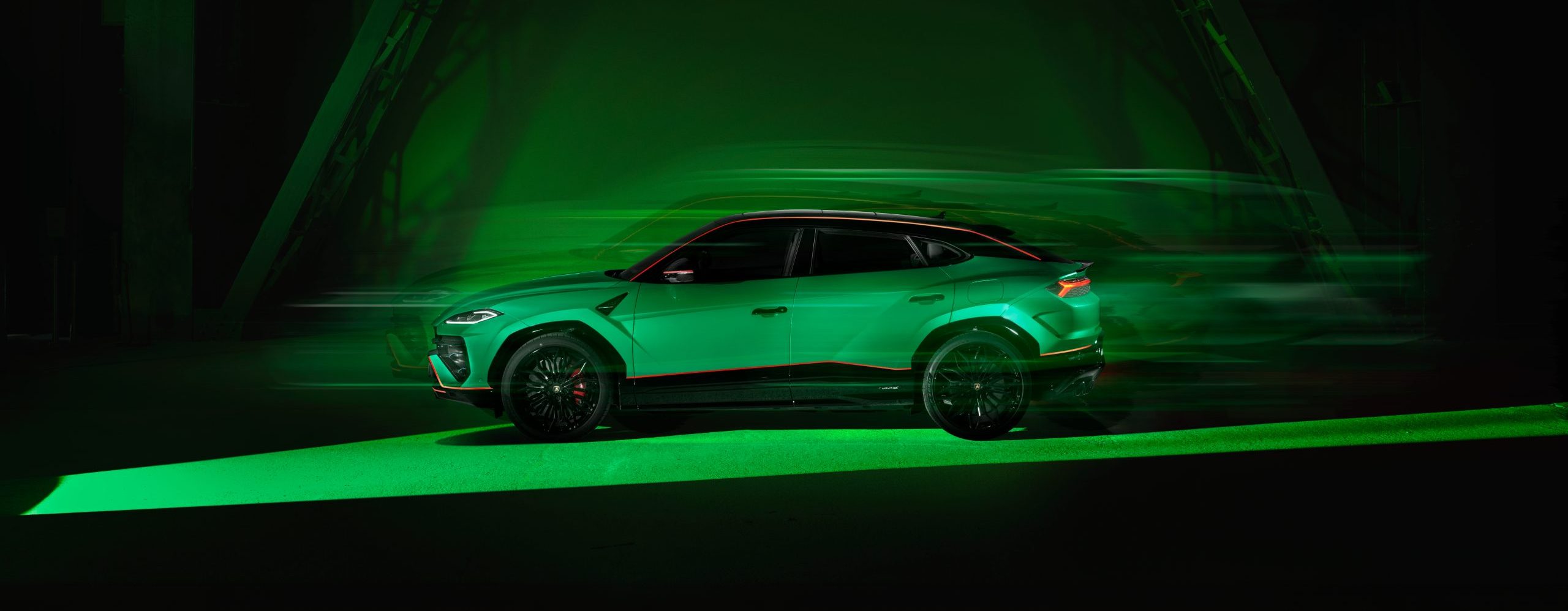
Limited to 630 units, Lamborghini’s latest Urus Capsule pushes personalisation further than ever, blending hybrid performance with over 70 bespoke design combinations.
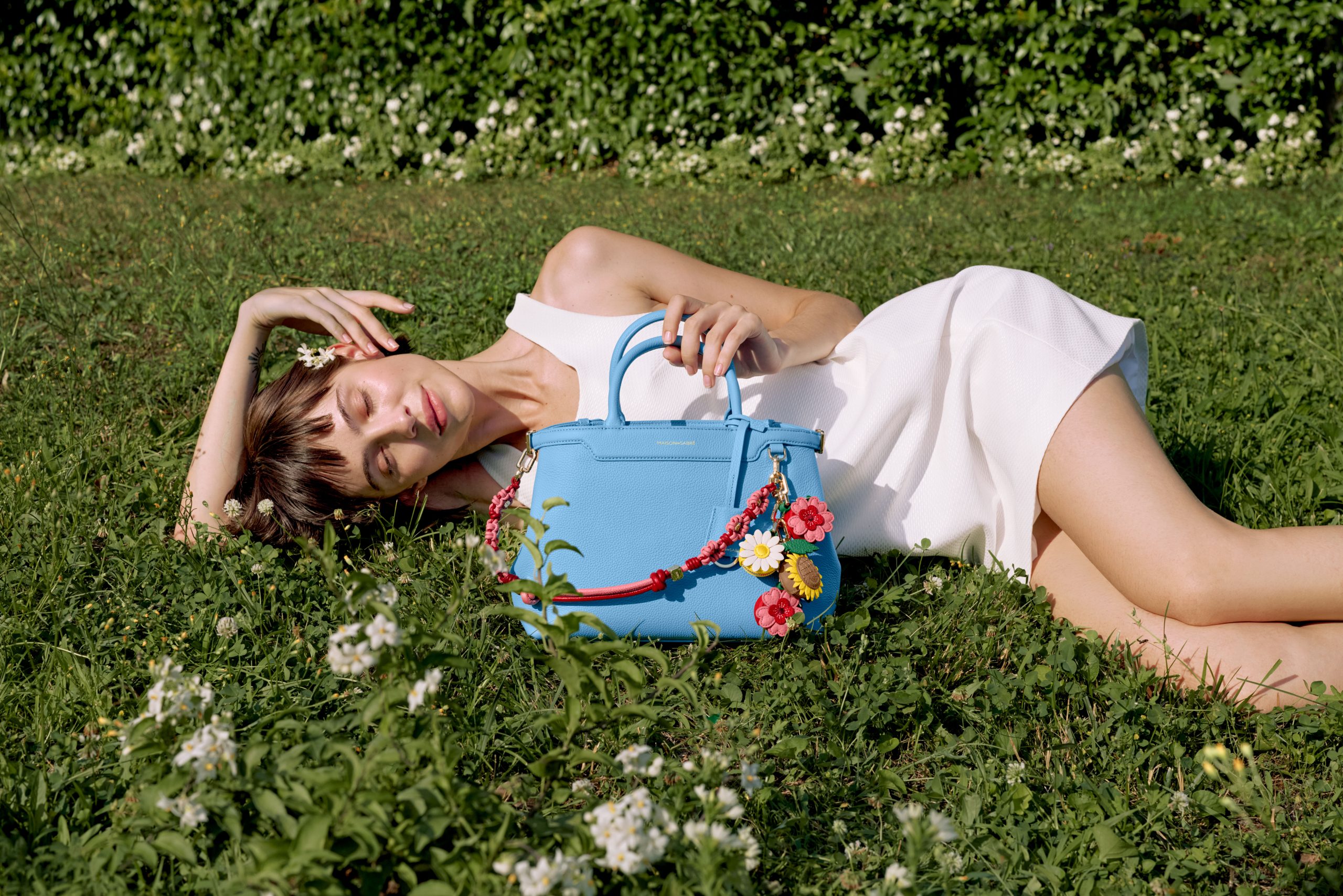
The Australian leather house has opened an immersive four-day pop-up in Manhattan, unveiling its Bloom Collection and redefining what a product launch can look like.