1 In 4 Australians Don’t Have Enough Super Or Assets To Retire
A comfortable retirement in Australia costs $70,806 per annum for couples and $50,207 for singles
 2 min
2 min
Almost one in four Australians say they do not have enough superannuation or other investments to get by in retirement, according to a survey by Finder. When extrapolated to a population level, this indicates that 4.6 million people are facing up to a financially difficult future.
A further 27% said they were not sure if they would have enough in superannuation to retire. Just 17% said they were confident they would have enough wealth for retirement, while a further 22% said they would have enough in super but would cut back on spending.
One in 10 said their superannuation balance was too low but they had other investments that would provide enough income or capital to fund their retirement.
“Superannuation is something many Australians, including the younger demographic, don’t engage in enough,” said Sarah Megginson, Finder’s money expert. “It can be a sad case of ‘too little too late’ for many who realise that by the time they reach retirement age, their super balance will fall well short of the amount of money they will need.”
According to the Australian Retirement Standard, a ‘comfortable’ retirement costs $70,806 per annum for couples and $50,207 for singles. A modest lifestyle costs $45,946 and $31,867, respectively. The superannuation balances required for a comfortable retirement are $690,000 for couples and $595,000 for singles by age 67. For a modest lifestyle, both couples and singles need a superannuation balance of $100,000.
Currently, the full pension including supplements is $42,988 per annum for couples and $28,514 for singles. However, income and asset tests apply. A couple with their own home is eligible for the full pension if their combined assets (excluding their home) are worth less than $451,500 and they earn an annual income below $9,360. If they do not own a home, the threshold is $693,500. For a single homeowner, the asset limit is $301,750 and the income limit is $5,304. For single non-homeowners, the asset threshold is $543,750.
Ms Megginson said Australians needed to assess their superannuation carefully. “First, it’s essential to know how much you have in super and to consolidate your funds,” she said. “You pay fees for each fund you have – it’s like having your savings split across three savings accounts and paying account-keeping fees on all of them.”
Ms Megginson suggested workers contribute to their super through salary sacrifice or voluntary lump-sum payments. An earlier Finder survey conducted in June 2022 found 46% of Australians do not make additional contributions to super. In FY23 and FY24, taxpayers are allowed to contribute a total of $27,500 per annum concessionally (meaning less tax) incorporating compulsory super paid by their employers and other payments and benefits.
“For instance, if you salary sacrifice $1,000 over 12 months, you’d pay $150 on that income and $850 will go to super where it will be invested for your future. Otherwise, you’ll pay $325 tax on that money and have $675 in your bank account. Any income earned within your super is capped at a maximum tax rate of 15% per annum. If you currently pay say 32.5% tax, you’re ahead immediately.”
Megginson warned workers to compare their super fund’s fees to other super funds. “Make sure you aren’t stuck in a fund charging exorbitant fees and check regularly that your employer is paying your 11% Superannuation Guarantee contributions on time.”
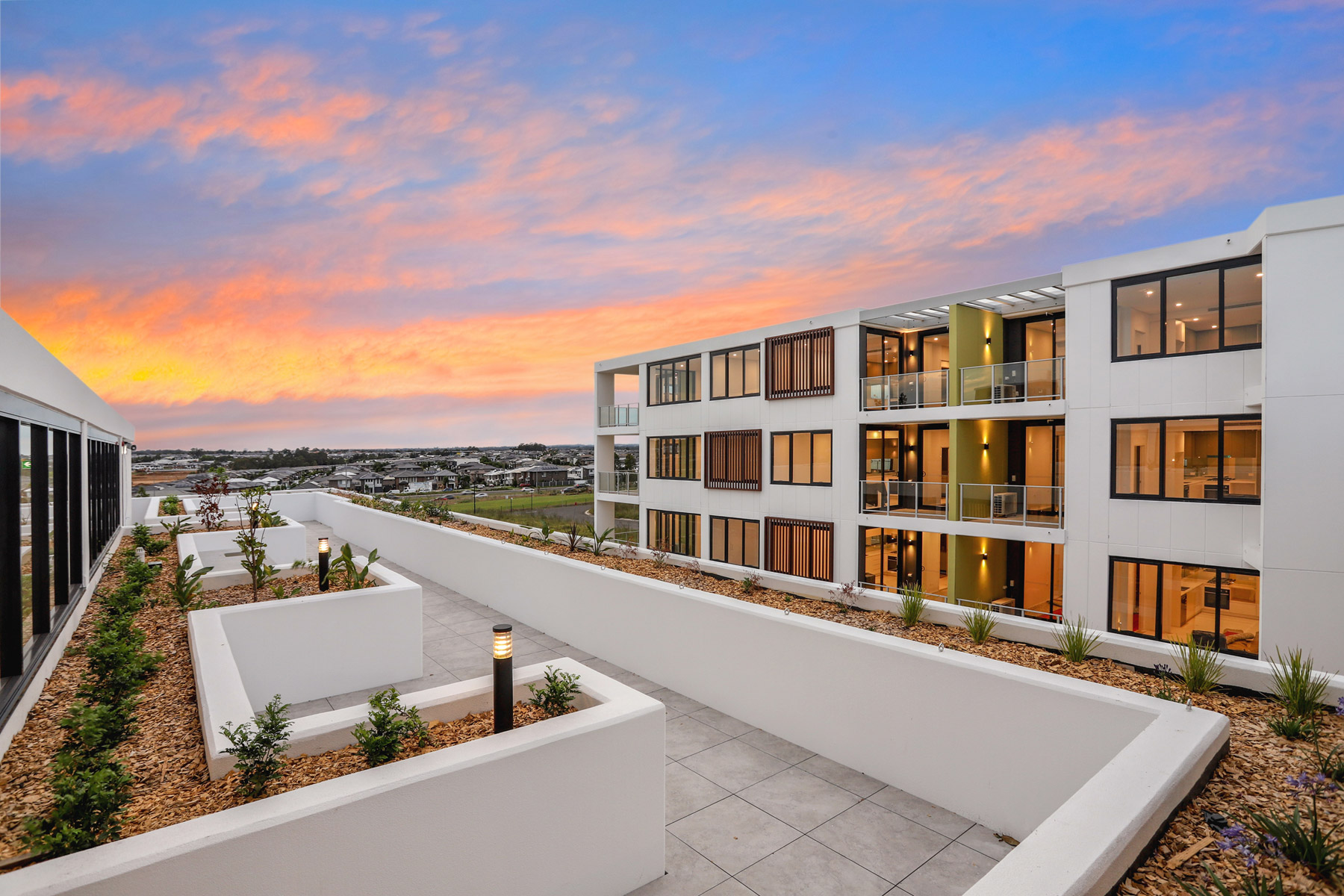
Ophora Tallawong has launched its final release of quality apartments priced under $700,000.
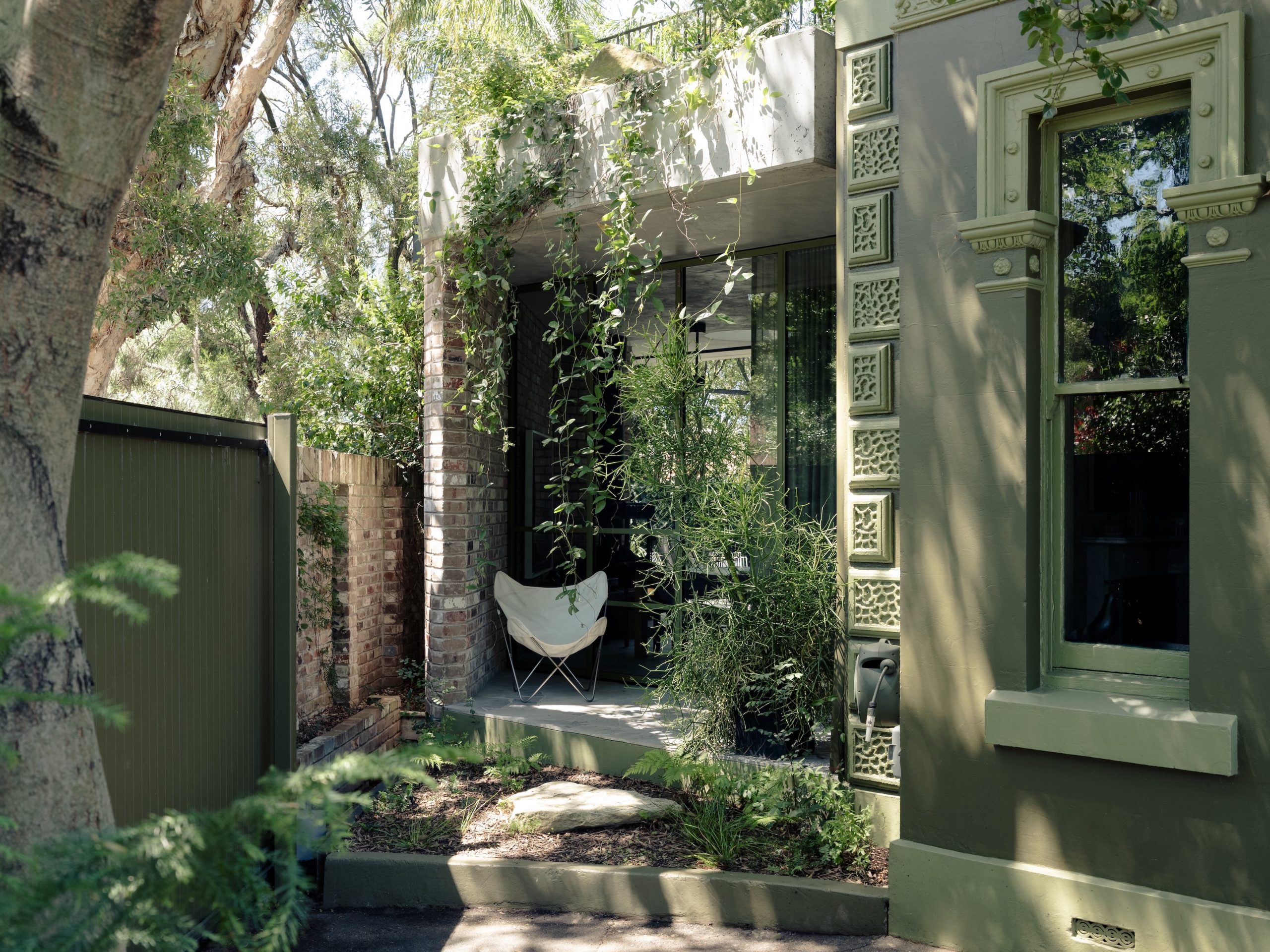
From bushland greens to valley reds, the country’s most awarded designers are proving that the best colour palette was never on a swatch card; it was outside the window all along.

The federal budget has rattled property investors. But the biggest mistake isn’t the tax changes, it’s the conclusion many are drawing from them.
2 min
The recent budget has forced a reckoning for property investors.
Negative gearing now restricted to new residential builds, the CGT discount gone and on paper, the numbers look different.
And many investors are responding by pivoting toward yield, prioritising cash flow over capital growth in a way that property strategists say misses the point entirely.
“The debate has shifted to yield versus growth as if they are opposing forces,” says Abdullah Nouh, founder of Melbourne-based buyers’ agency Mecca Property Group. “But that framing is itself the mistake.”
Nouh, who works with high-net-worth families and investors on long-term acquisition strategy, argues that capital growth remains the primary driver of genuine wealth creation and that the post-budget environment has made quality assets more important, not less.
The numbers make his case plainly. An additional $500 per week in rental income is welcome. A prestige asset appreciating by $1 million over a market cycle is transformative.
These are not equivalent outcomes, and portfolios built around yield at the expense of location and land value tend to generate income while wealth stands largely still.
The more nuanced shift Nouh is seeing among sophisticated investors is a move toward assets where both outcomes can be engineered simultaneously – established homes on substantial land in quality locations, where the existing dwelling can be repositioned, rental returns improved, and the underlying land value compounds independent of what sits on it.
For investors with existing equity, commercial property is also entering the conversation in a more serious way.
Prestige industrial assets, medical centres and long-leased essential retail offer income profiles that residential property in most capital city markets cannot currently match: longer lease terms, tenants covering outgoings, and greater predictability than the residential tenancy cycle.
“The investors who build lasting wealth are rarely the ones who chased yield or growth exclusively,” says Nouh.
“They are the ones who built a strategy they could sustain – one that generated enough income to hold quality assets through multiple cycles while those assets compounded in value.”
The budget has changed the settings. It has not changed the fundamentals.

The era of the gorgeous golden retriever is over. Today’s most coveted pooches have frightful faces bred to tug at our hearts.

By improving sluggish performance or replacing a broken screen, you can make your old iPhone feel new agai