





Cash rate remains steady as RBA exercises caution
While payments have not increased, mortgage holders may be waiting a while yet before seeing a drop in rates
 2 min
2 min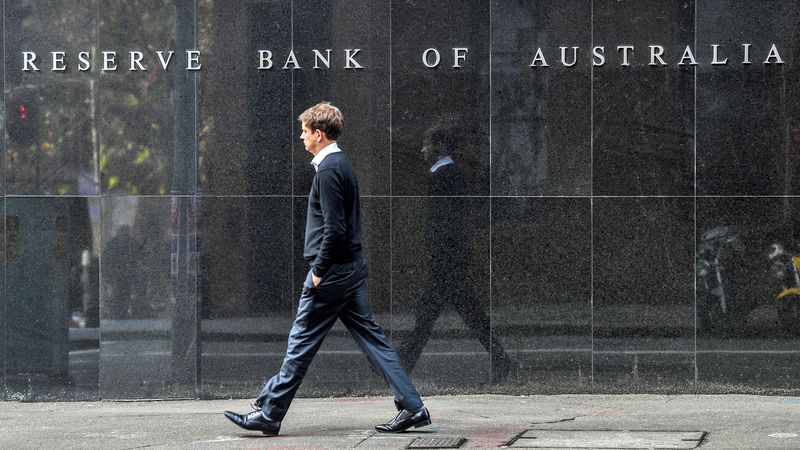
The Reserve Bank of Australia decided to keep the cash rate on hold at its first meeting for 2024, as it takes a cautious approach to last week’s news on inflation.
In a statement released earlier today, the board said rates would remain at 4.35 percent with the interest rate paid on Exchange Settlement balances unchanged at 4.25 percent.
The announcement was widely expected, with most economists pointing to September as the likely date for a fall in rates to start. This is despite inflation slowing to 4.1 percent in December, a greater than expected drop.
“Inflation continued to ease in the December quarter,” the RBA Board said in a statement. “Despite this progress, inflation remains high at 4.1 percent. Goods price inflation was lower than the RBA’s November forecasts. It has continued to ease, reflecting the resolution of earlier global supply chain disruptions and a moderation in domestic demand for goods.
“Services price inflation, however, declined at a more gradual pace in line with the RBA’s earlier forecasts and remains high. This is consistent with continuing excess demand in the economy and strong domestic cost pressures, both for labour and non-labour inputs.”
Despite positive signs, the board maintained that the outlook is still ‘highly uncertain’ and indicated a desire to tread carefully over the coming months to achieve the board’s desired 2-3 percent inflation target by 2025.
Inflation remained ‘sticky’ for much of 2023, with the RBA announcing 13 rate rises in just over 12 months to try to drive it down to more acceptable levels. Today’s decision offers a reprieve to mortgage holders and reflects the board’s interest in directing inflation down over the longer term.
“The Board needs to be confident that inflation is moving sustainably towards the target range,” the board said. “To date, medium-term inflation expectations have been consistent with the inflation target and it is important that this remains the case.”
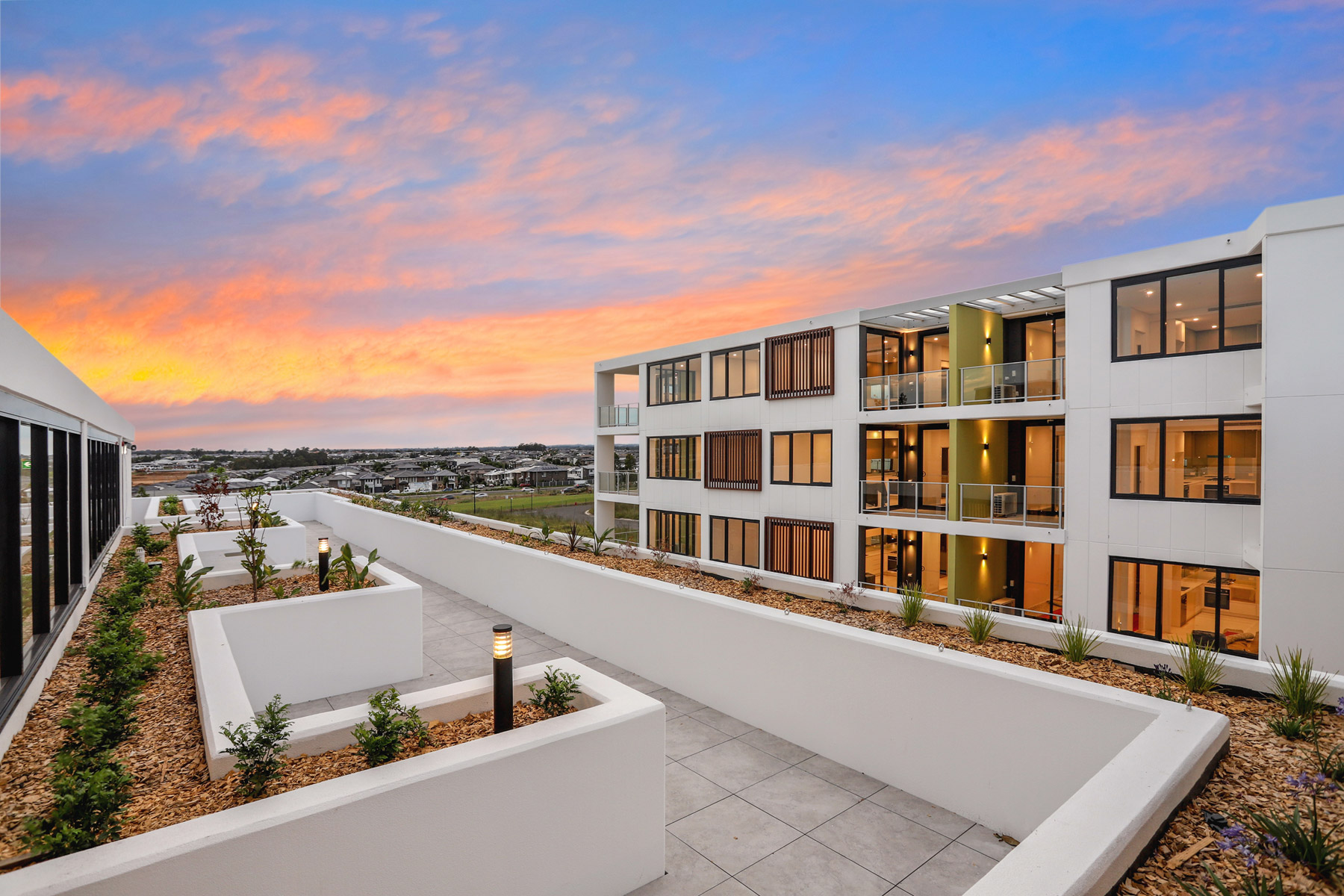
Ophora Tallawong has launched its final release of quality apartments priced under $700,000.
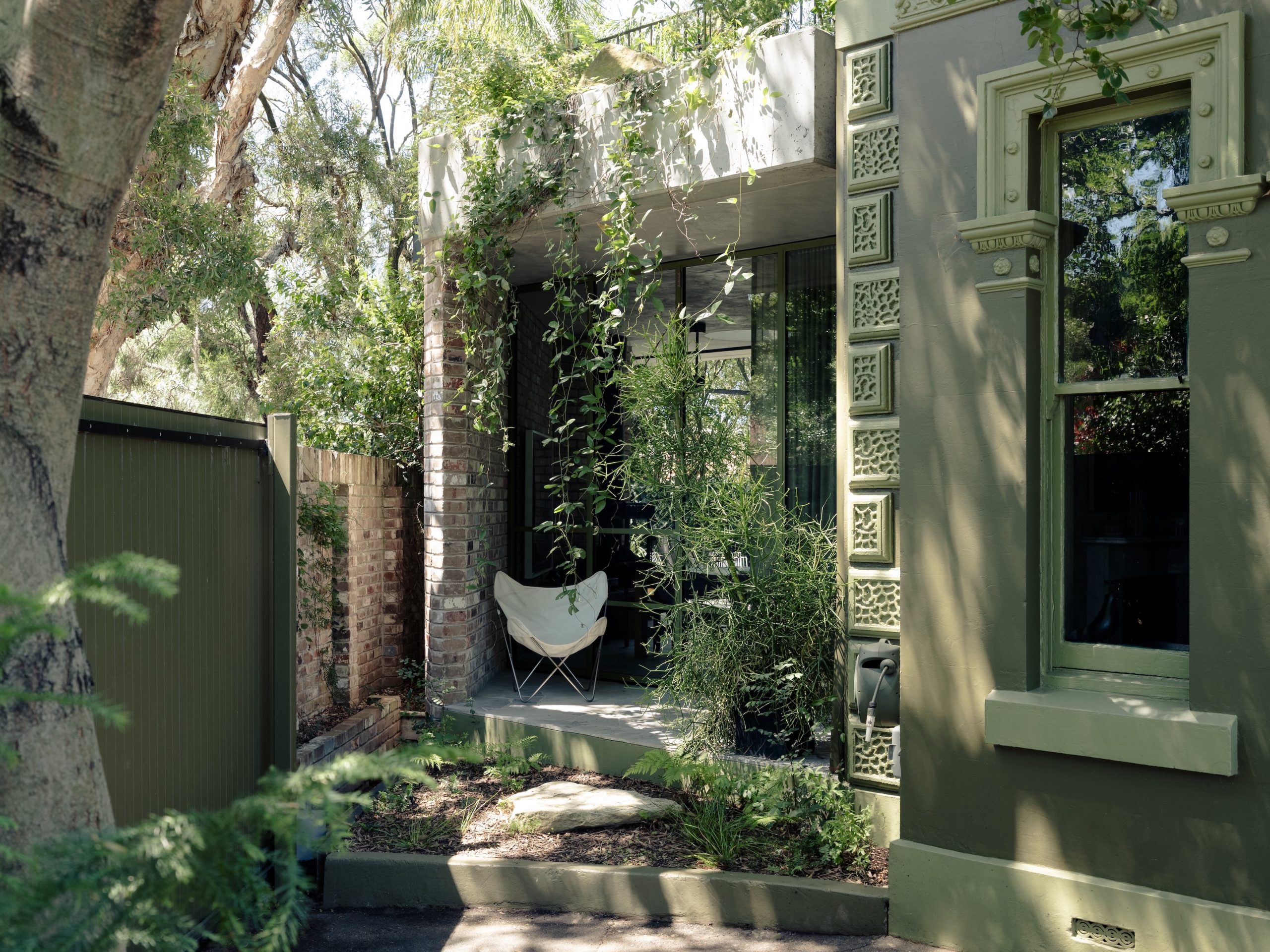
From bushland greens to valley reds, the country’s most awarded designers are proving that the best colour palette was never on a swatch card; it was outside the window all along.


The federal budget has rattled property investors. But the biggest mistake isn’t the tax changes, it’s the conclusion many are drawing from them.
2 min
The recent budget has forced a reckoning for property investors.
Negative gearing now restricted to new residential builds, the CGT discount gone and on paper, the numbers look different.
And many investors are responding by pivoting toward yield, prioritising cash flow over capital growth in a way that property strategists say misses the point entirely.
“The debate has shifted to yield versus growth as if they are opposing forces,” says Abdullah Nouh, founder of Melbourne-based buyers’ agency Mecca Property Group. “But that framing is itself the mistake.”
Nouh, who works with high-net-worth families and investors on long-term acquisition strategy, argues that capital growth remains the primary driver of genuine wealth creation and that the post-budget environment has made quality assets more important, not less.
The numbers make his case plainly. An additional $500 per week in rental income is welcome. A prestige asset appreciating by $1 million over a market cycle is transformative.
These are not equivalent outcomes, and portfolios built around yield at the expense of location and land value tend to generate income while wealth stands largely still.
The more nuanced shift Nouh is seeing among sophisticated investors is a move toward assets where both outcomes can be engineered simultaneously – established homes on substantial land in quality locations, where the existing dwelling can be repositioned, rental returns improved, and the underlying land value compounds independent of what sits on it.
For investors with existing equity, commercial property is also entering the conversation in a more serious way.
Prestige industrial assets, medical centres and long-leased essential retail offer income profiles that residential property in most capital city markets cannot currently match: longer lease terms, tenants covering outgoings, and greater predictability than the residential tenancy cycle.
“The investors who build lasting wealth are rarely the ones who chased yield or growth exclusively,” says Nouh.
“They are the ones who built a strategy they could sustain – one that generated enough income to hold quality assets through multiple cycles while those assets compounded in value.”
The budget has changed the settings. It has not changed the fundamentals.

When the Writers Festival was called off and the skies refused to clear, one weekend away turned into a rare lesson in slowing down, ice baths included.

From farm-to-table Thai to fairy-lit mango trees and Coral Sea vistas, Port Douglas has award-winning dining and plenty of tropical charm on the side.


