Build Your Own Rolls-Royce: Inside the Arcadia Droptail Roadster, the Latest From the Company’s Coachbuild Operation

 3 min
3 min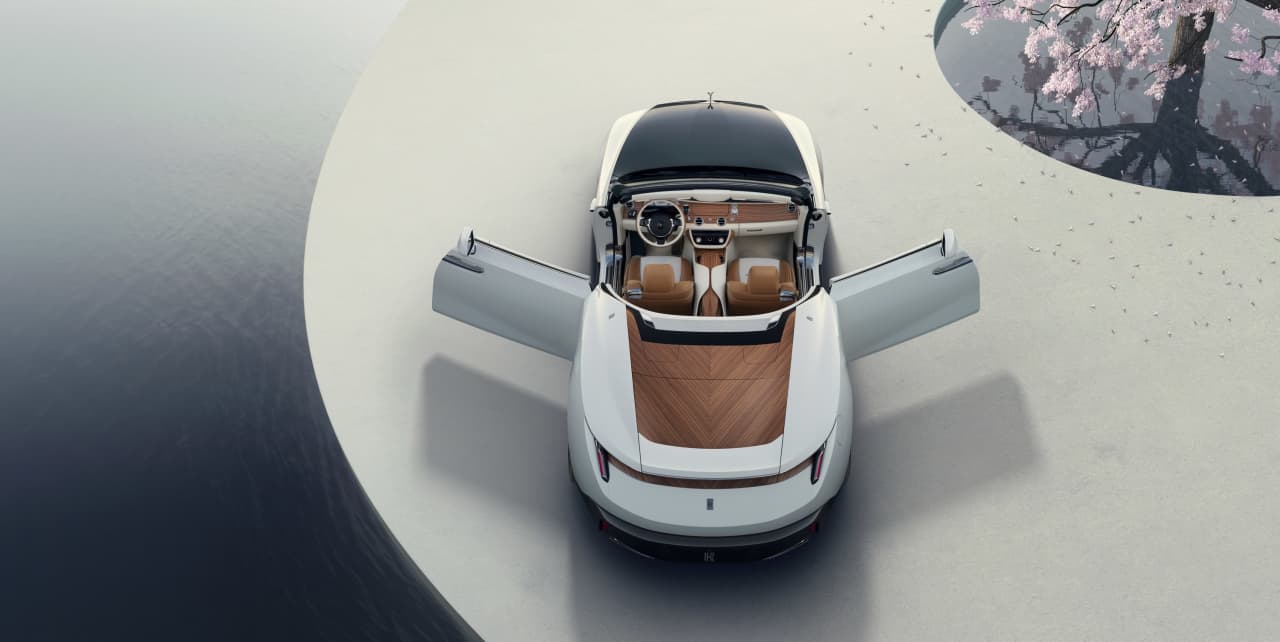
Rolls-Royce’s Bespoke division is exclusivity personified, and the highest rung in that ladder is Coachbuild—which goes far beyond selecting unique colors or interior finishes and gives customers the chance to help design their own new cars.
The first of the Coachbuild cars was the Phantom-based Sweptail, hand-built over four years, reportedly for Hong Kong businessman Sam Li. It has a dramatic fastback roof that was a hit when revealed to the public in 2017. Rolls didn’t confirm the car’s cost, but some reports said more than US$12 million. The Sweptail has been spotted on the road in Europe.

Rolls-Royce
The Boat Tail, shown (above) in 2021 and built on the Architecture of Luxury platform with Phantom V12 power, was the first commission from a consortium of three couples. It’s a unique convertible with a carbon-fibre parasol that opens to shade its occupants during al fresco parties. Beyoncé and Jay-Z are reported Boat Tail owners. Argentine footballer Mauro Icardi is said to be another keeper of the keys. The purchase price of these cars is around US$28 million, sources say.
There will be a total of four Droptail roadsters created, and these now include the Amethyst Droptail and the La Rose Noire Droptail, each with unique rear-deck treatments and personal detailing throughout. The newest, third commission is Arcadia Droptail, which will come with a removable hardtop (and no soft top). The car will be delivered to an international client in Singapore, said Rolls’ Americas spokesman, Gerry Spahn. The price tag is likely in Boat Tail territory.
Arcadia was known in Greek mythology as a place of “Heaven on Earth.” The one-off car has a vivid recessed wood-panelled rear deck that took 8,000 hours to create, according to the company, and recalls vintage Chris Craft power boats—or woodie station wagons. It’s in left-hand drive, reportedly to better facilitate its use around the world. Rolls used a 3-D environment to show the client how the car would look in various locales.
“Coachbuild commissions like Droptail Arcadia are immediately the classic Rolls-Royce collectibles. Coachbuild is more than Bespoke, it’s the ultimate personal statement,” says Martin Fritsches, president of Rolls-Royce Motor Cars in North America.
Alex Innes, head of Coachbuild Design, added (in a statement) that the Arcadia is “one of the most faithful expressions of an individual’s personal style and sensibilities we have ever created within the Coachbuild department.”
Design inspiration for the Arcadia came from sky gardens in Singapore, Indonesia, and Vietnam, in addition to British “biometric” architecture.
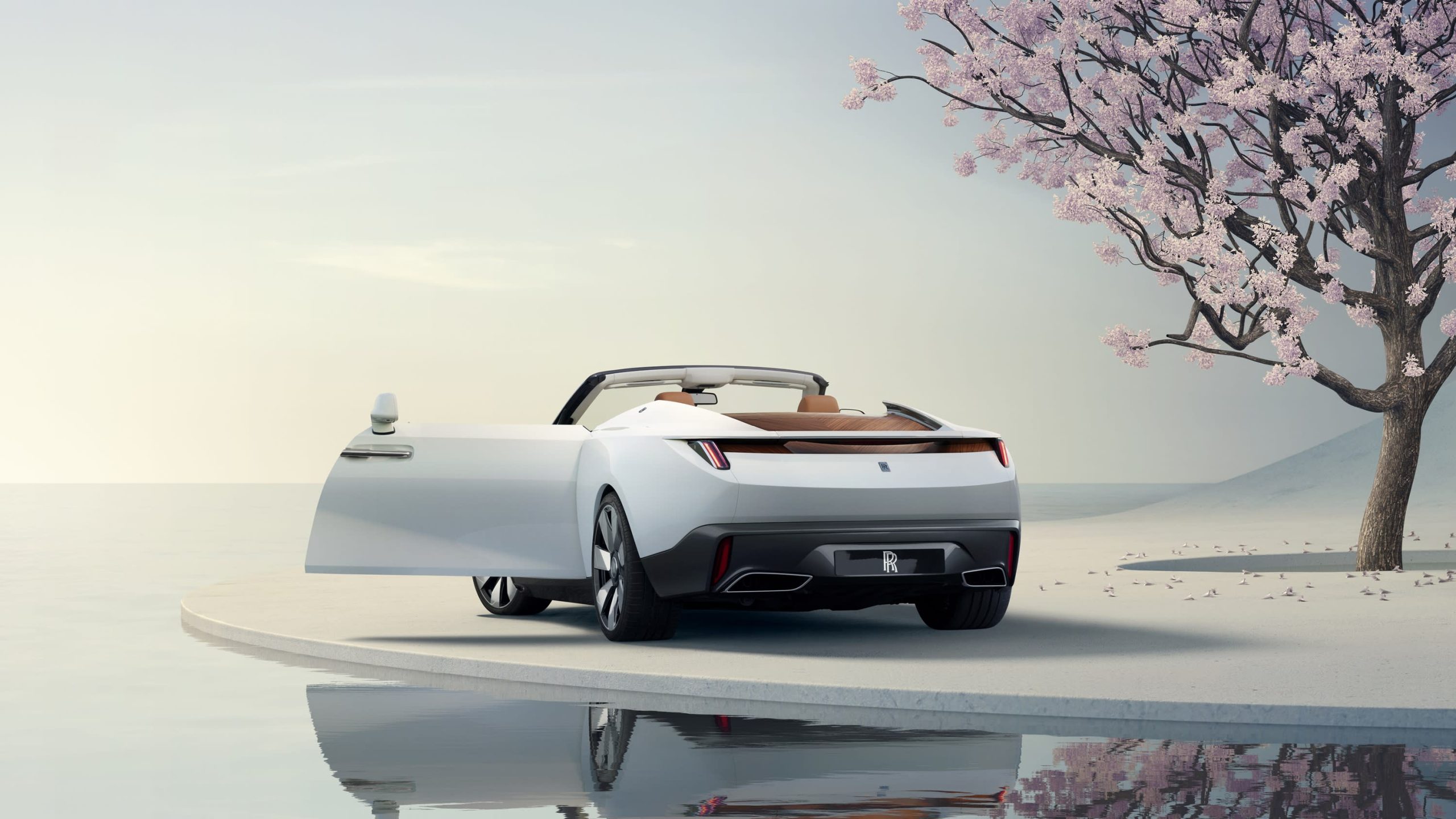
The white paint is infused with aluminium and glass particles to give it depth and shine. The lower sections of the Arcadia Droptail are in carbon fibre, painted silver. The wood on the rear panel is mirrored on the dashboard (in Santos Straight Grain veneer), door linings, and central armrest. The wood pieces were mounted on stiff bases developed using carbon-fibre layering techniques derived from Formula One racing.
Rolls-Royce
The hardtop, in a contrasting dark colour, slants down to a short rear greenhouse, giving the car a racy look. The doors are rear-hinged, with prominent chromed handles. The nose and grille are somewhat rounded, with narrow horizontal headlights, yielding a more aerodynamic prow than is customary in Rolls-Royce history.
The dash’s crown jewel is a clock with a face that took five months to assemble, after two years of development. Its raw metal geometric guilloche pattern has 119 facets. Rolls describes it as “the most complex Rolls-Royce clock face ever created.” The hands are partly polished and partly brushed, and have 12 hand-painted “chaplets” (hour markers) that are only 0.1 millimetres thick.
Many automakers are establishing bespoke divisions, but Rolls-Royce is, per tradition, taking it further than others.
 Copyright 2020, Dow Jones & Company, Inc. All Rights Reserved Worldwide. LEARN MORE




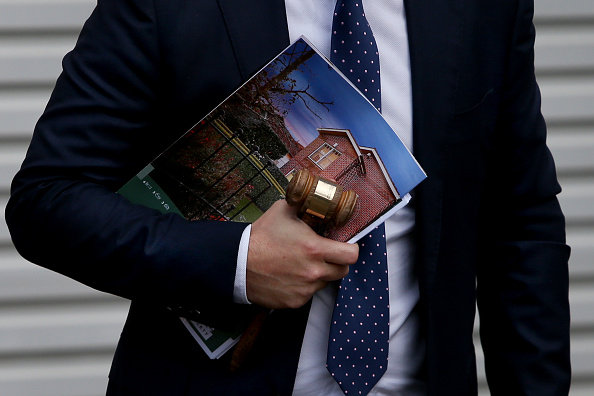
Victorian auction buyers will soon receive a piece of information that has traditionally been withheld until bidding reaches it: the vendor’s reserve price. Under new property-sale and underquoting laws, agents must publish the agreed reserve at least seven days before an auction or fixed-date sale. Most changes begin on 1 October 2026 and apply to …
Continue reading “Victoria’s New Auction Rules Will Force Reserve Prices Into the Open”
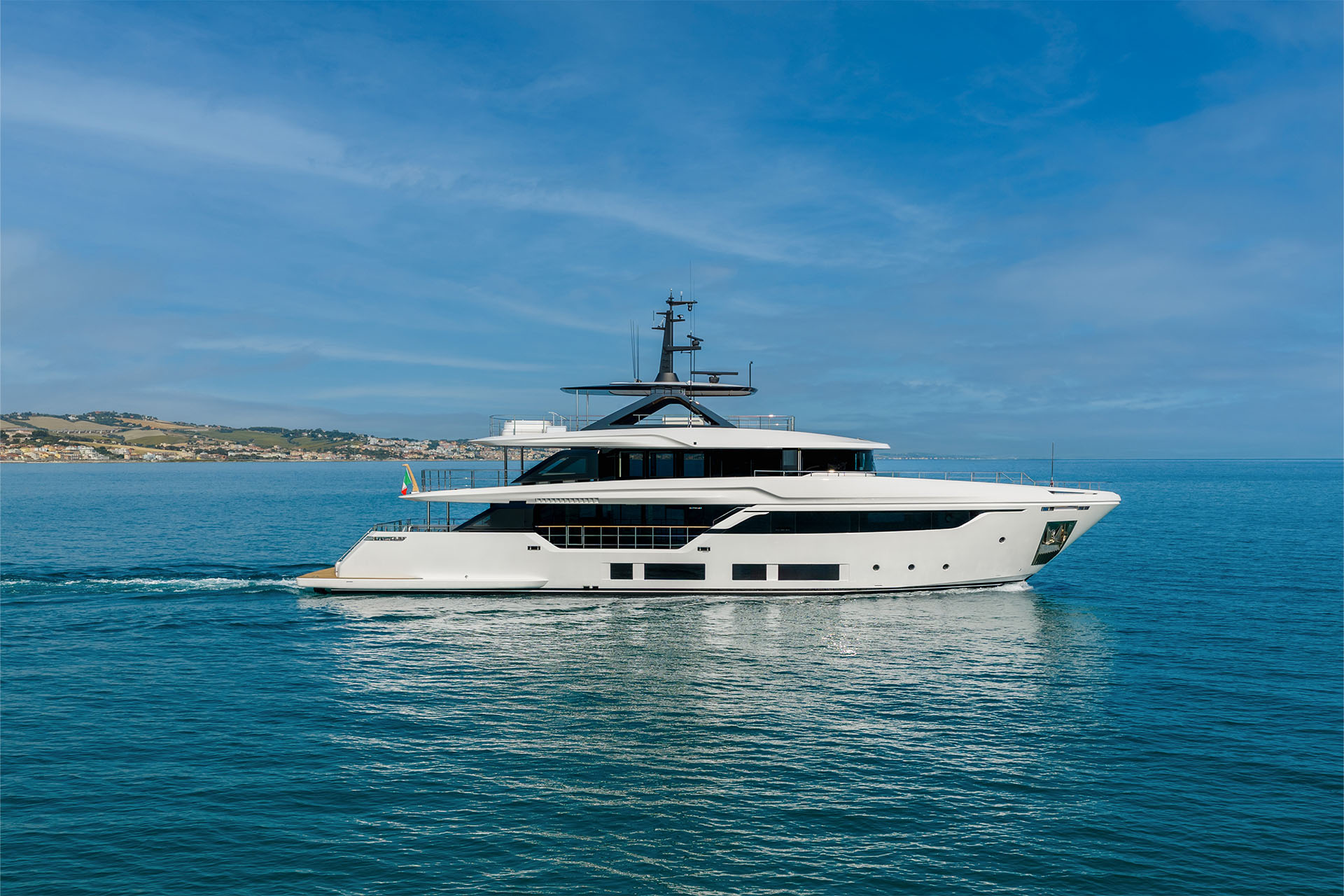
Four decks, 34.5 metres and a made-to-measure interior: step aboard the new Custom Line Navetta 35, unveiled at Cannes.
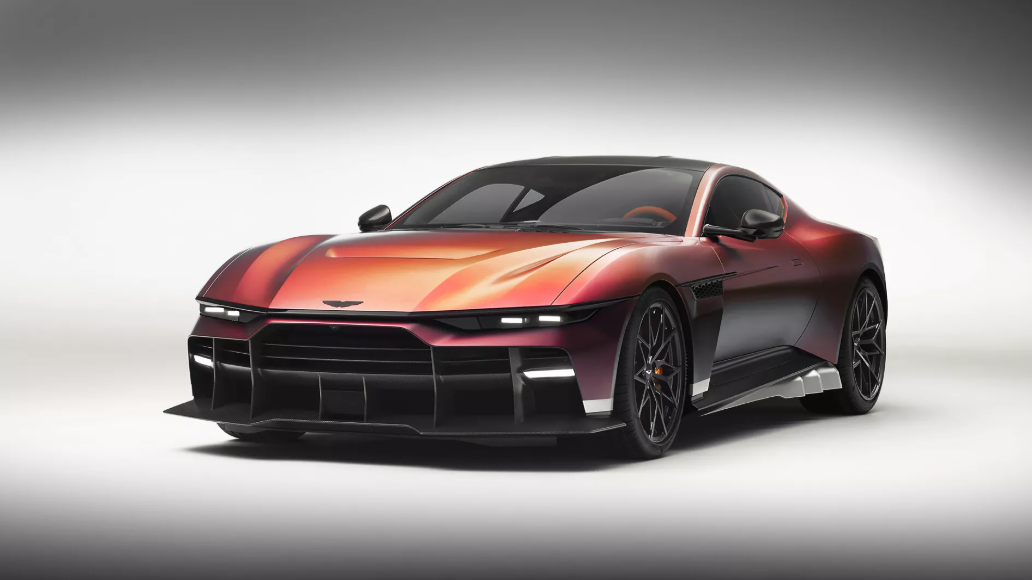
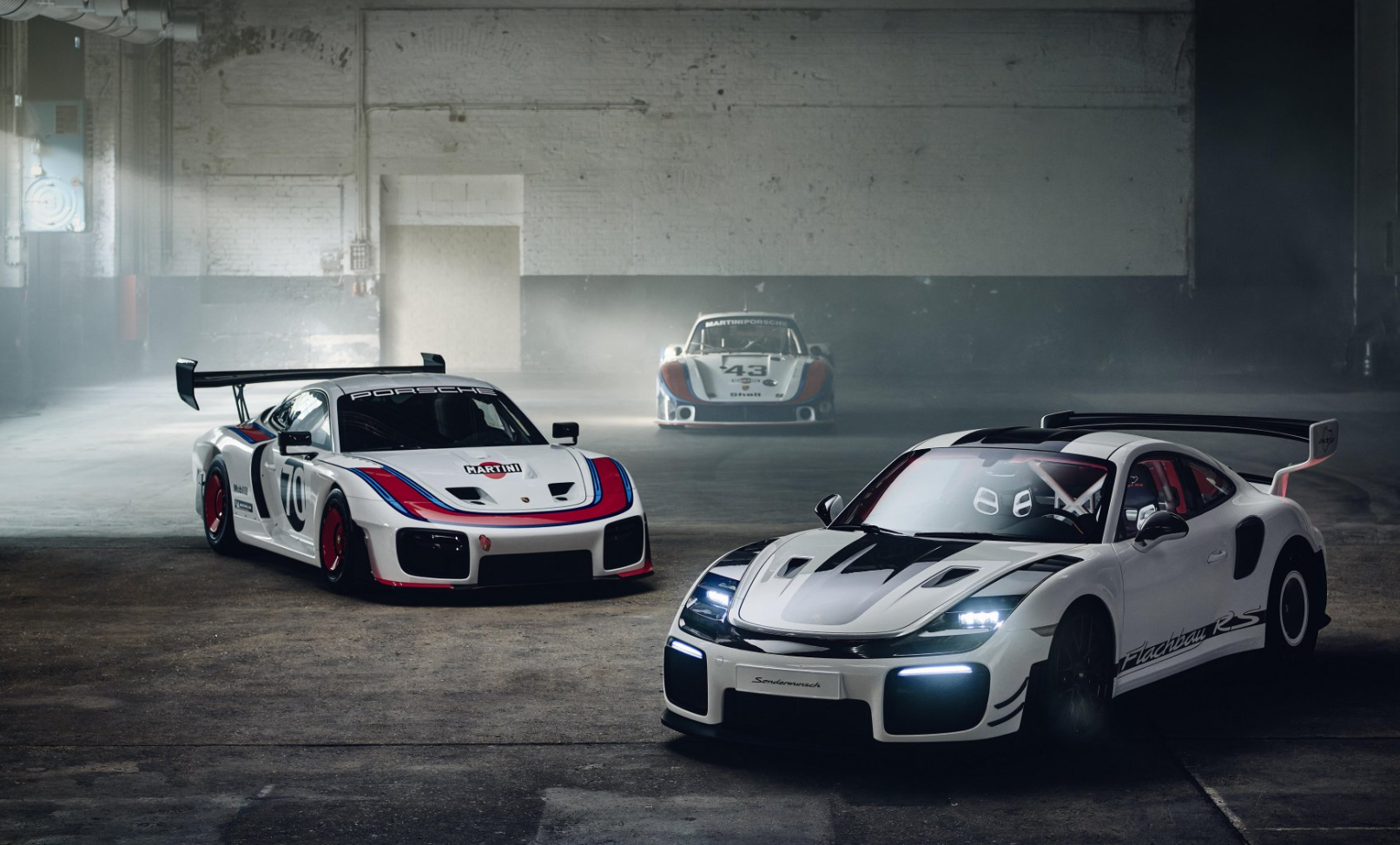
All three vehicles will form part of a broader charitable initiative benefiting Big Brothers Big Sisters of America, the American Red Cross and Starlight Children’s Foundation
2 min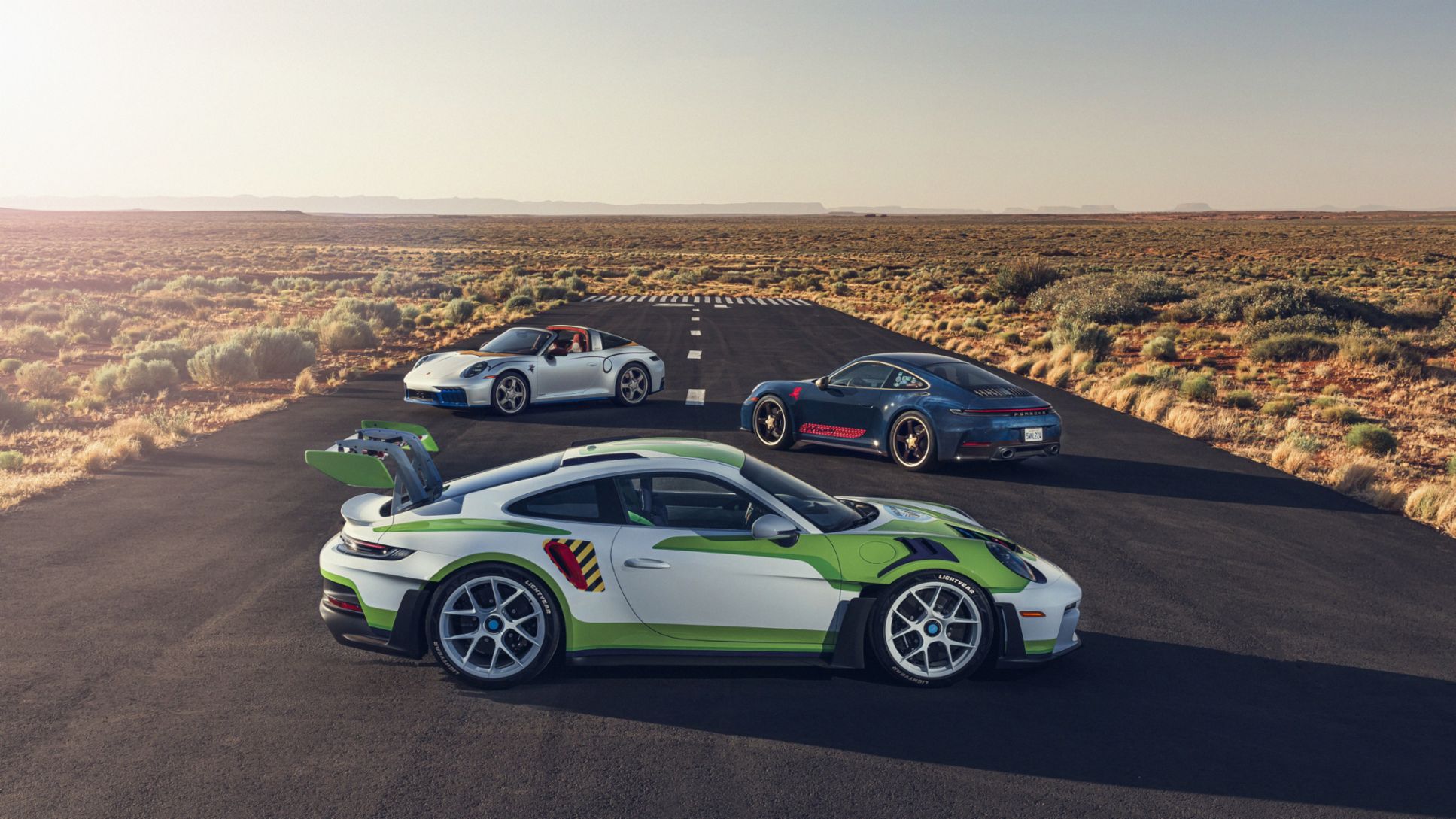
Luxury-car collaborations can feel little more than a logo exercise. Porsche’s latest project takes a more committed route, translating three of Pixar’s most recognisable characters into individual, road-going 911s.
Created through Porsche’s Sonderwunsch customisation program for the premiere of Toy Story 5, the trio draws on Woody, Buzz Lightyear and Jessie. Each is a genuine one-off rather than a limited colour package, with its character expressed through paint, materials and bespoke detailing.
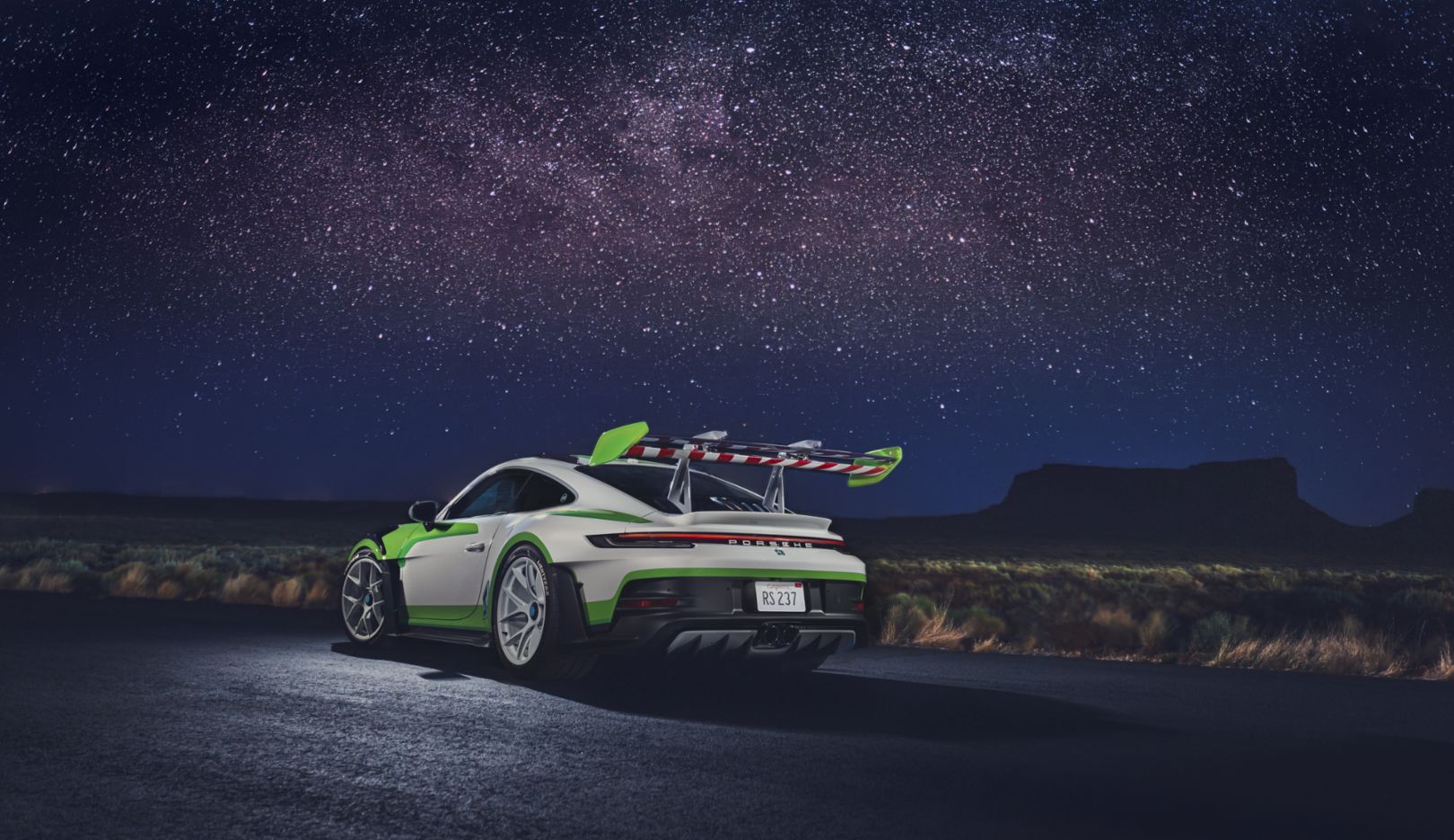
The exercise is deliberately playful, but it also demonstrates the depth of Porsche’s factory personalisation capabilities. Sonderwunsch—German for “special wishes”—allows clients and the marque to create highly individual vehicles using the resources and standards of the manufacturer itself.
Woody’s car is expected to lean into the character’s western palette; Buzz offers the obvious opportunity for white, green and purple; and Jessie brings a bolder cowgirl identity. The success of the designs rests on suggestion rather than costume: the cars still need to look like coherent Porsches when separated from the film premiere.
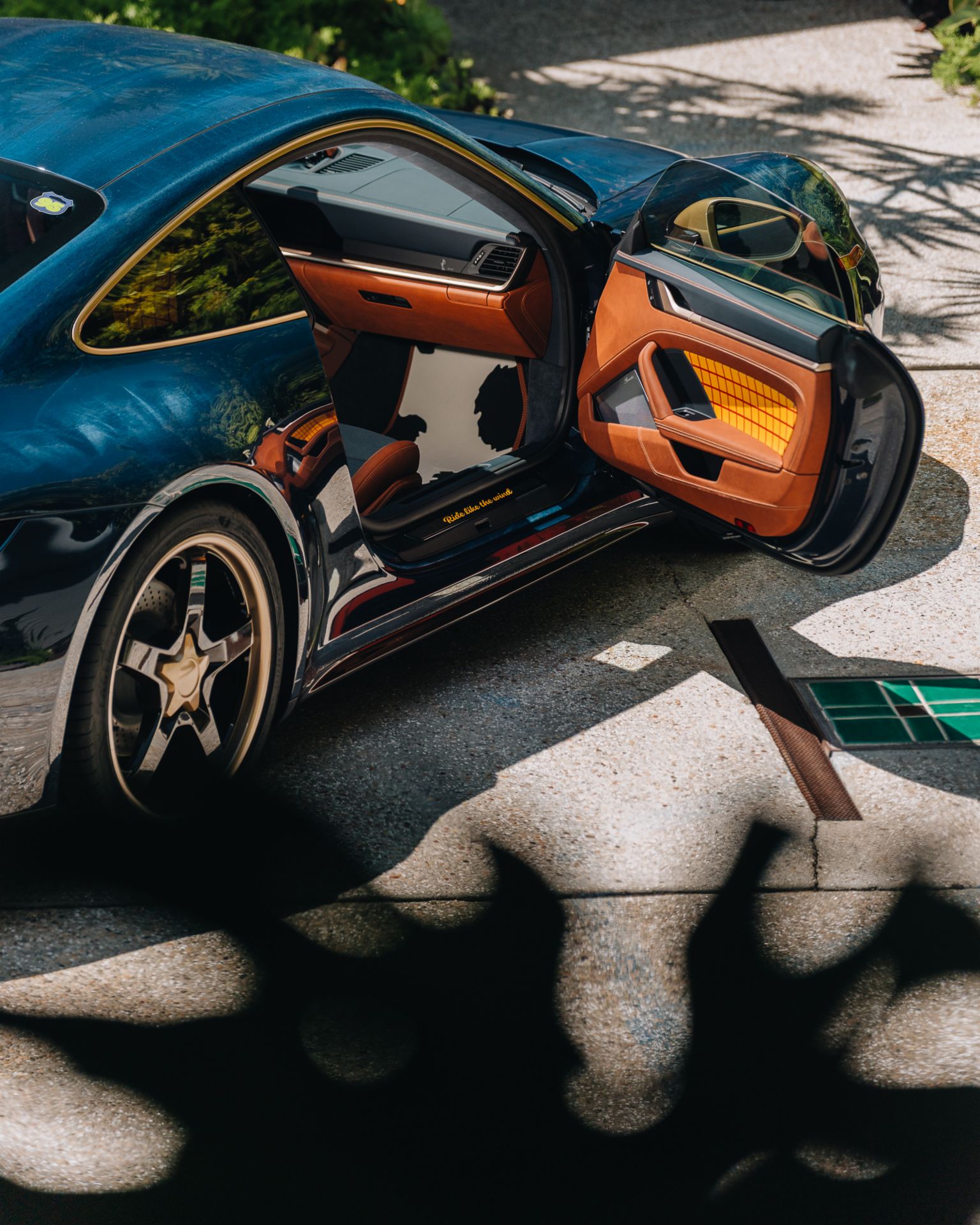
All three vehicles will form part of a broader charitable initiative benefiting Big Brothers Big Sisters of America, the American Red Cross and Starlight Children’s Foundation. Porsche has said the cars will be sold, although the precise auction mechanism, timing and beneficiary allocation should be confirmed before publication.
For collectors, provenance is unusually strong. Each car combines one-of-one factory status, the cultural reach of Disney and Pixar, and an association with a major film release. That may give the trio appeal extending beyond conventional Porsche circles.
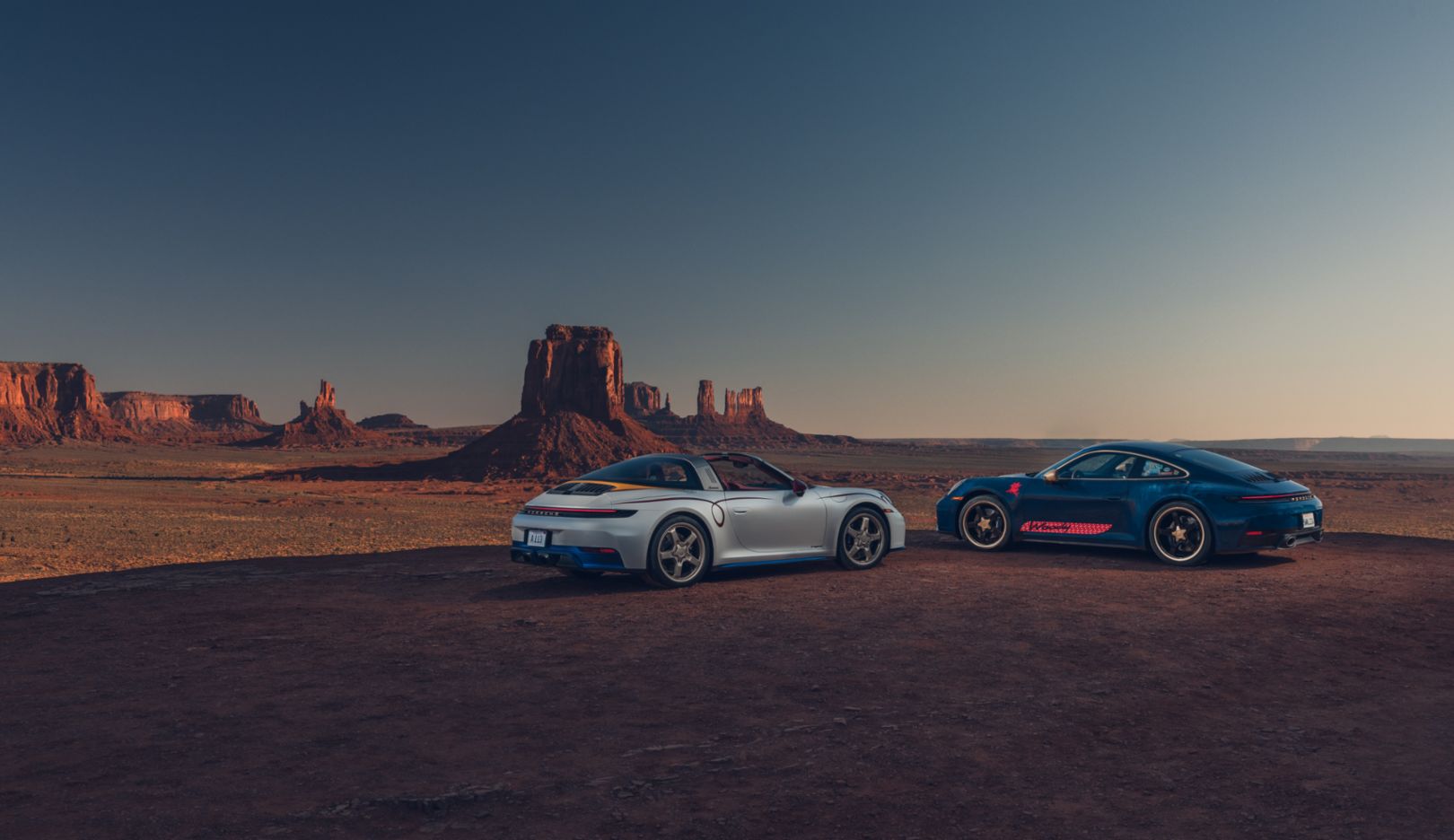
The project is also a reminder that the highest end of automotive customisation is increasingly about narrative. Performance specifications remain important, but for collectors who already have access to rare machinery, the story of why a car exists can be the feature that cannot be duplicated.
Fact box
– Cars: Three one-off Porsche 911s
– Inspiration: Woody, Buzz Lightyear and Jessie from Toy Story 5
– Creator: Porsche Sonderwunsch
– Purpose: Charitable sale initiative
– Beneficiaries: Big Brothers Big Sisters of America, American Red Cross and Starlight Children’s Foundation
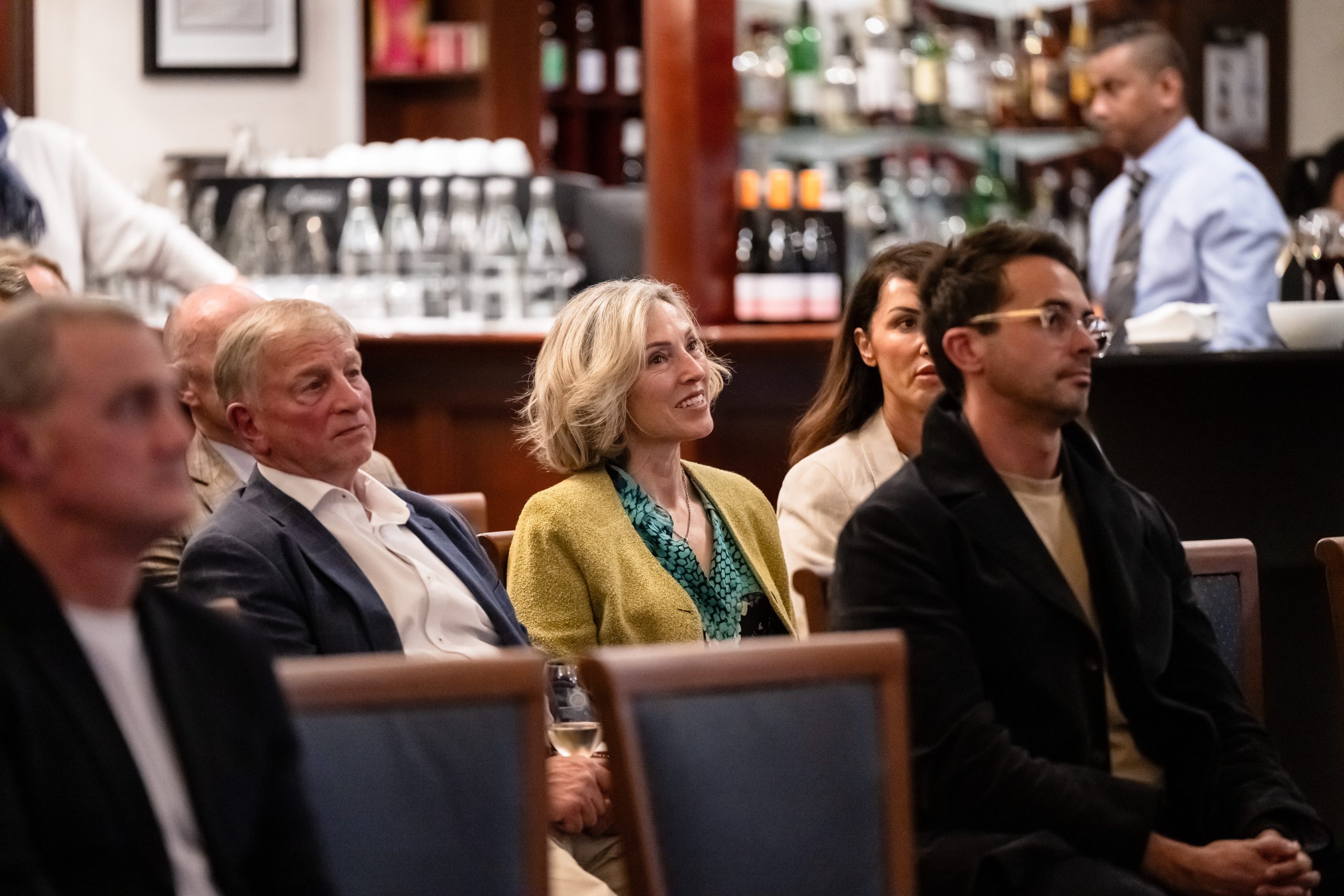
International AI strategist Justin Kabbani will headline the Kanebridge Property Summit in Sydney on June 18, with tickets selling fast.

From gorilla encounters in Uganda to a reimagined Okavango retreat, Abercrombie & Kent elevates its African journeys with two spectacular lodge transformations.