The fast-approaching ‘silver tsunami’ set to hit the Australian economy
As 710,000 Australians choose to retire in the next five years, there are serious implications for the economy on the horizon
 2 min
2 min
Australia is fast approaching a ‘silver tsunami’ that will bring with it significant socio-economic challenges for the country says the Retirement Living Council (RLC), a division of the Property Council Australia. RLC Executive Director Daniel Gannon said the council is concerned about housing affordability for older Australians and the provision of enough housing options, such as retirement villages, to allow for an affordable and comfortable lifestyle after they stop working.
There are 4.2 million retirees in Australia today, and another 710,000 people intend to retire over the next five years, according to new data from the Australian Bureau of Statistics (ABS). Over the next two years, 226,000 people intend to retire, which is almost 100,000 more than the number of people who retired between FY21 and FY23.
For advice on planning a comfortable retirement now, read the Winter issue of Kanebridge Quarterly, on sale June 13.
The average age at retirement among Australia’s current cohort of retirees was 56.9 years, according to the data. However, the average age that most people intend to retire is 65.4 years, which is about 18 months before they become eligible for the age pension at 67 years of age.
On average, women retire sooner than men, but they are retiring later than in previous years. In FY23, the average age at retirement among female retirees was 54.7 years, up from 54 years in FY21. Men are also retiring slightly later with their average age at retirement now 59.4 years, compared to 59.3 years in FY21. Over these two years, Queensland saw the greatest increase in its retiree population, up 32,000 to 860,000. New South Wales had the largest retiree population at 1.3 million.
The ABS said the main factor influencing someone’s decision about when to retire was financial security. In FY23, the most common reason for deciding to retire cited by 31% of those surveyed was reaching the retirement age (i.e., pension age) or becoming eligible to access their superannuation. Most Australians can’t access their superannuation until they reach their preservation age. This age varies depending on the age of birth but ranges from 55 years for those born before 1 July 1960 to 60 years for those born after 30 June 1964.
The second most common reason behind retiring was sickness, injury or disability (13 percent). The next most common was being retrenched, dismissed or not being able to find work (5 percent). In these cases, financial security may not be assured and retirement becomes more of a forced decision. Currently, the age pension is still the main source of income for most retirees, with superannuation the second most common main source of income.
Given financial security is a key concern among those nearing or at retirement age, Mr Gannon said governments needed to ensure there would be enough suitable and affordable housing options for retirees as their numbers grow. “Unfortunately, a rapidly growing number of Australians are retiring with mortgage debt while the aged pension remains the main source of income for most retirees. Units in retirement communities are priced on average 48 percent lower than median house prices in the same postcode, meaning these communities can help address retirement income challenges.”
Mr Gannon said the recent Federal Budget contained no housing plan for older Australians amid today’s housing supply and affordability crisis. “While [the increase in] Commonwealth rent assistance is welcome news for some Australians, the existing eligibility thresholds exclude the majority of people living in affordably priced retirement units,” he said.
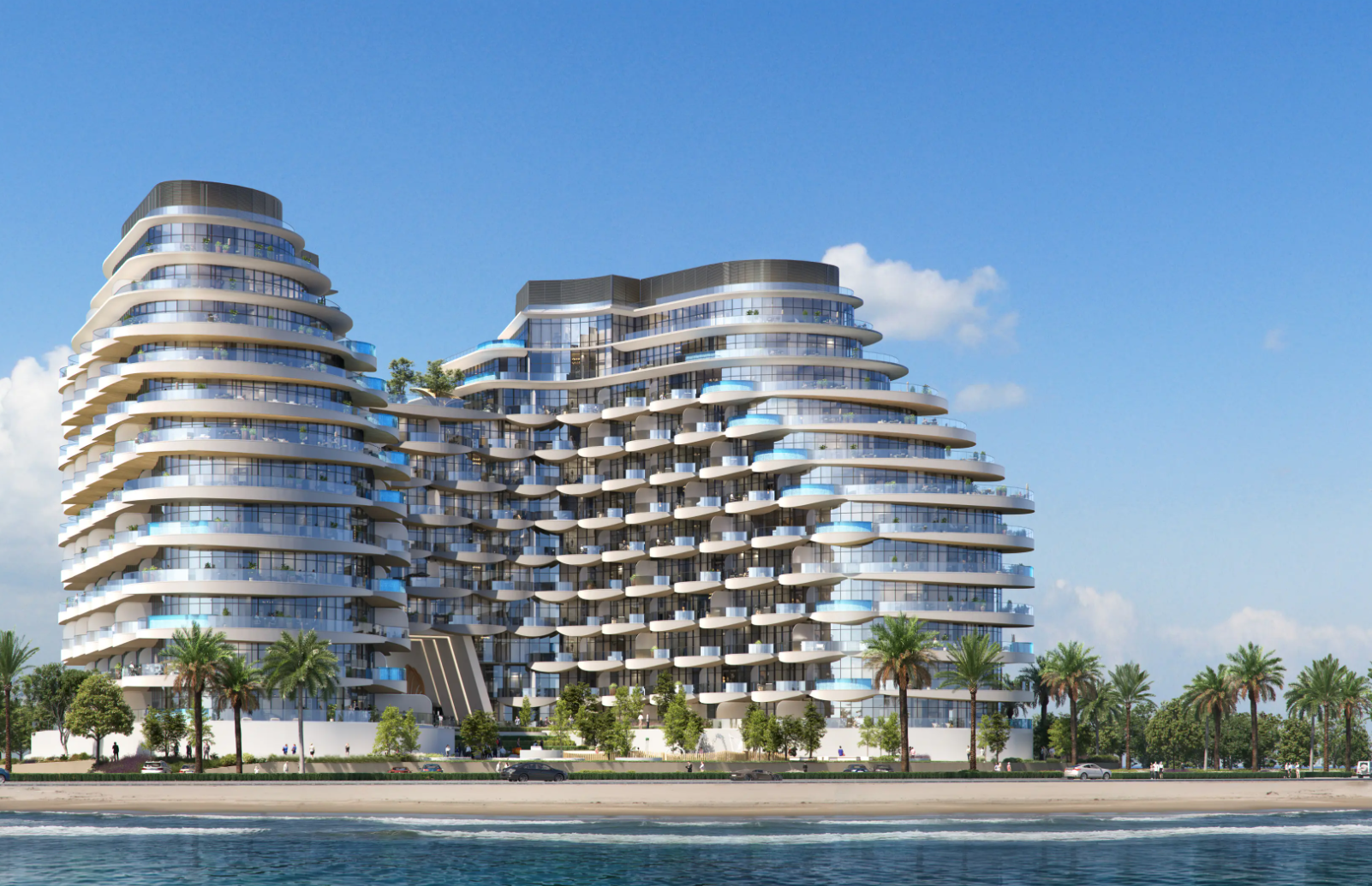
BNW Developments has established a Sydney presence, joining Arada and Sobha Realty among the growing number of UAE developers pursuing Australian buyers and development opportunities.
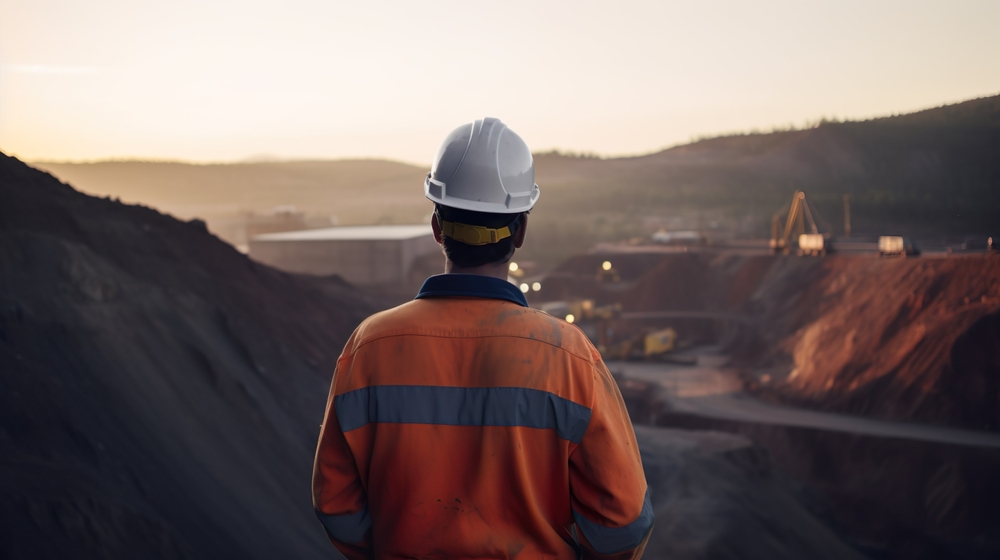
Australian shares fell on Thursday as Wall Street weakness, rising oil and persistent rate concerns weighed on most of the market. The S&P/ASX 200 declined 0.72 per cent to 8,702. The All Ordinaries lost 0.66 per cent to finish at 8,897. Mining stocks were hit particularly hard, while real estate also dragged on the index. …
Continue reading “ASX falls 0.7 per cent as miners and property stocks retreat”

 2 min
2 minAustralian shares fell on Thursday as Wall Street weakness, rising oil and persistent rate concerns weighed on most of the market.
The S&P/ASX 200 declined 0.72 per cent to 8,702. The All Ordinaries lost 0.66 per cent to finish at 8,897. Mining stocks were hit particularly hard, while real estate also dragged on the index.
Energy was the notable exception, gaining more than one per cent as Brent crude traded above US$103 a barrel. Oil had moved higher amid uncertainty surrounding potential US diesel-export restrictions and broader geopolitical supply risks. The move supported energy producers but renewed concern about inflation inputs across transport and the wider economy.
Gold shares were weak even as spot bullion remained historically elevated. The All Ordinaries Gold index fell about 2.25 per cent, showing that equity performance can diverge from the commodity because of valuation, currency, operating and company-specific factors.
Zip was a prominent loser, falling 11.38 per cent after the company reported short sales after the previous close. Nine Entertainment also weakened after UBS analysts warned of near-term revenue challenges associated with its advertising-supported subscription tier.
Premier Investments led larger winners despite caution about the retail environment. Breville, in which Premier owns a significant stake, also appeared among leading movers. In the broader ASX 300 screen, Myer gained 11.43 per cent and MAAS Group rose 7.93 per cent, while Lotus Resources fell 10.53 per cent. These percentage moves should be checked against company announcements and trading liquidity before attributing causes.
The Australian dollar was broadly flat at US70.38 cents. Spot gold was around US$4,280 an ounce, Brent crude approximately US$103.08 a barrel and iron ore near US$96.90 a tonne late in the session.
The rate outlook remains the central domestic catalyst. Labour-market weakness has not eliminated the possibility of an RBA increase next week, leaving banks, listed property and other rate-sensitive sectors exposed to changing expectations.
Market dashboard
S&P/ASX 200: 8,702, down 0.72 per cent.
All Ordinaries: 8,897, down 0.66 per cent.
Best sector: Energy, up more than one per cent.
Weakest areas: Real estate and materials were the major drags; confirm final sector percentages before publication.
Material winner: Premier Investments led the large-company gainers. Confirm its final closing move from the ASX before publication.
Material loser: Zip, down 11.38 per cent.
ASX 300 percentage leader: Myer, up 11.43 per cent.
ASX 300 percentage laggard: Zip, down 11.38 per cent.
AUD/USD: Approximately US$0.7038, broadly flat.
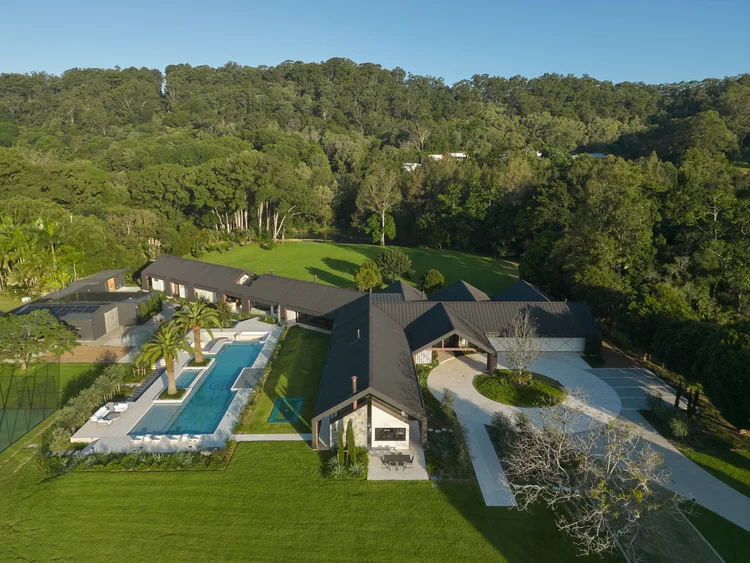
Margot Robbie may have travelled from a Queensland farm to the highest reaches of Hollywood, but a reported $28 million property deal suggests the Gold Coast has never lost its hold on her. The Australian actor and producer is believed to be the mystery buyer of Redwood, a seven-acre Currumbin Valley estate transformed into the …
Continue reading “Margot Robbie Reportedly Behind $28 Million Currumbin Valley Homecoming”

A thoughtful timber-led renovation in Byron Bay has reimagined an existing house as a warm, resort-style family sanctuary grounded in natural materials.