

BNW joins growing wave of UAE developers targeting Australia
BNW Developments has established a Sydney presence, joining Arada and Sobha Realty among the growing number of UAE developers pursuing Australian buyers and development opportunities.
 3 min
A growing number of major UAE property groups are turning their attention to Australia, with BNW Developments the latest to establish a local presence.
BNW has officially opened a Sydney office after hosting more than 300 investors, property professionals, wealth advisers and industry figures at its launch event.
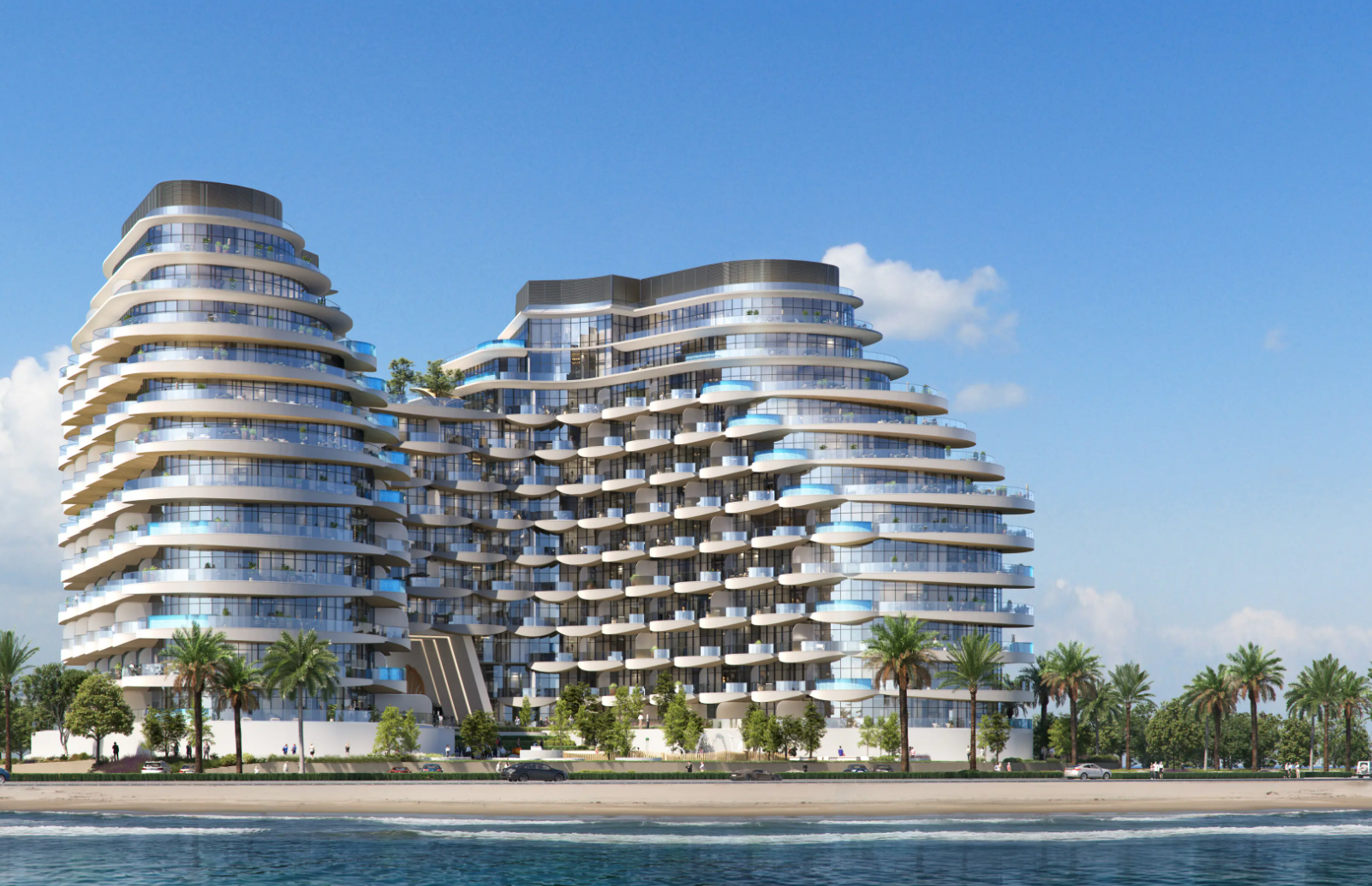
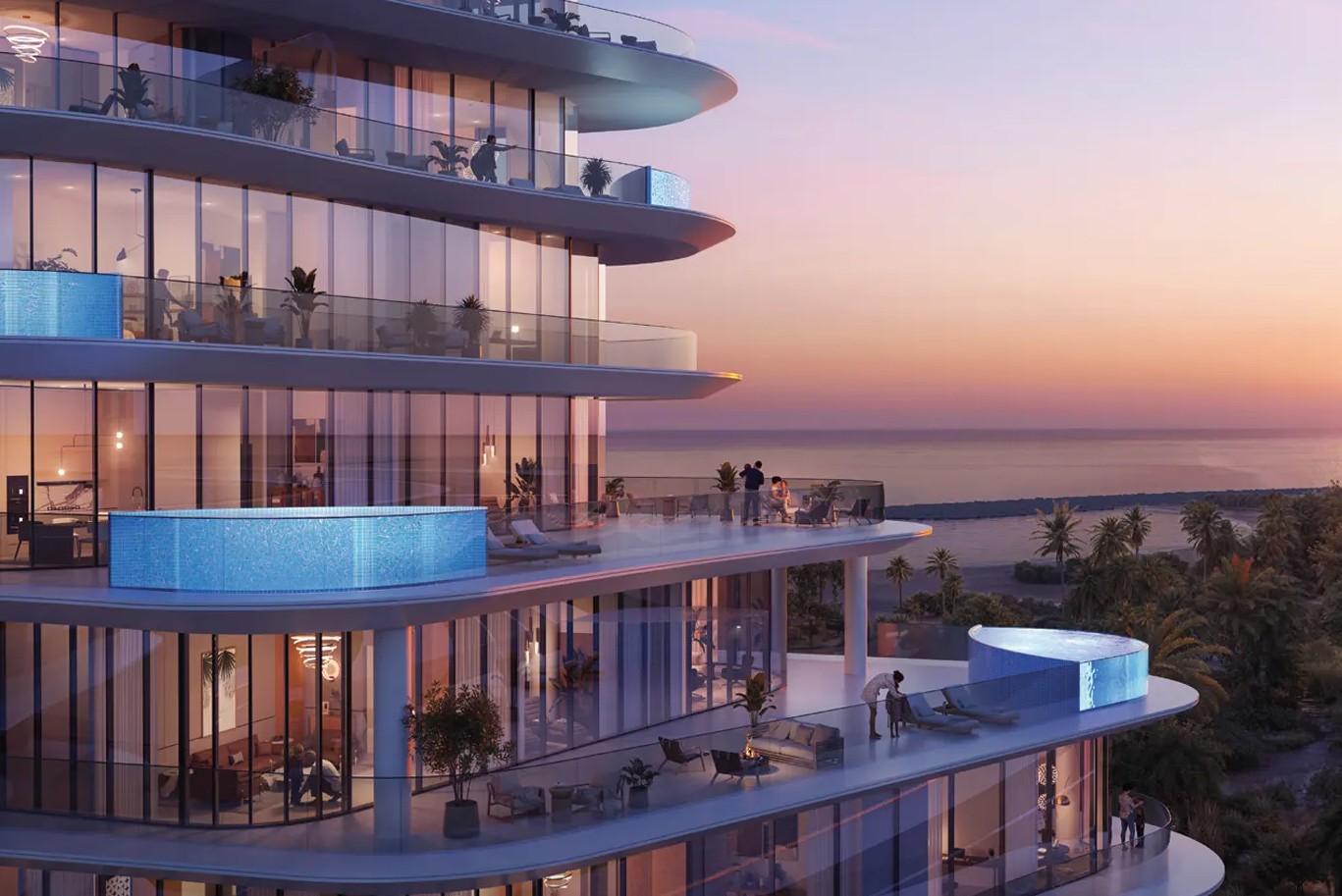
The new office will give Australian buyers local access to BNW’s portfolio of residential and hospitality-led developments in Dubai and Ras Al Khaimah. Its projects include branded residences and waterfront developments combining private homes with hospitality, dining, leisure and tourism facilities.
BNW has an AED32 billion development pipeline, equivalent to approximately $12 billion, spanning projects in Dubai and Ras Al Khaimah. Its portfolio includes developments associated with Tonino Lamborghini, Radisson Blu and Wyndham Hotels & Resorts.
Among them is Tonino Lamborghini Residences in Ras Al Khaimah. BNW is also active on Al Marjan Island, the waterfront destination where the Wynn Al Marjan Island integrated resort is under development.
The developer recently announced Dolce Residences in partnership with Wyndham Hotels & Resorts. Billed as the world’s first residences carrying the Dolce name, the boutique Al Marjan Island project is planned to include 93 premium residences and five retail tenancies.
BNW Developments chairman and founder Dr Ankur Aggarwal said attendance at the Sydney launch indicated that Australians were increasingly interested in the UAE as both a property and lifestyle destination.
“The response to the opening of our Sydney office has been extremely encouraging,” he said.
“Dubai and Ras Al Khaimah offer a very different lifestyle proposition to Australia, from waterfront living and luxury hospitality to world-class dining, entertainment and tourism.”
Dr Aggarwal said the Sydney office would allow buyers to examine BNW’s portfolio locally and work with a team familiar with the Australian market.
The move comes as Australia attracts increasing interest from UAE-based developers seeking opportunities beyond their home market.
Arada entered Australia in 2024, initially announcing a $2.5 billion Sydney pipeline expected to deliver more than 2,500 homes. Its Australian plans have since expanded to eight projects comprising more than 5,000 homes, including a recently announced twin-tower development at Broadbeach on the Gold Coast.
The company has also acquired the NSW arm of tier-one contractor Roberts Co, giving it greater control over construction and delivery as it builds its Australian business. Globally, Arada says its portfolio of existing and future developments across the UAE, Australia and the United Kingdom is valued at AED130 billion.
Dubai-headquartered Sobha Realty is also laying the foundations for a substantial Australian presence. The developer has established local operations and acquired sites in Sydney and Queensland, describing its entry as a long-term commitment to the market.
Sobha has expressed interest in opportunities across Brisbane, the Gold Coast and Sunshine Coast, while its Australian website says new projects will be announced shortly. The expansion follows AED30 billion in global sales during 2025 and forms part of a wider international growth strategy encompassing Australia and the United States.
BNW’s Sydney opening reflects both the international ambitions of UAE developers and growing Australian awareness of the Emirates’ property market.
While the UAE and Australian markets differ considerably, the arrival of BNW, Arada and Sobha points to a broader exchange of capital, expertise and buyers between the two countries. For Australians considering offshore property, the opening of local offices may also make it easier to assess projects, understand the purchasing process and undertake appropriate due diligence before committing.

Technology and semiconductor shares fell sharply as investors questioned the debt financing the AI infrastructure boom and confronted higher rates and Chinese competition.
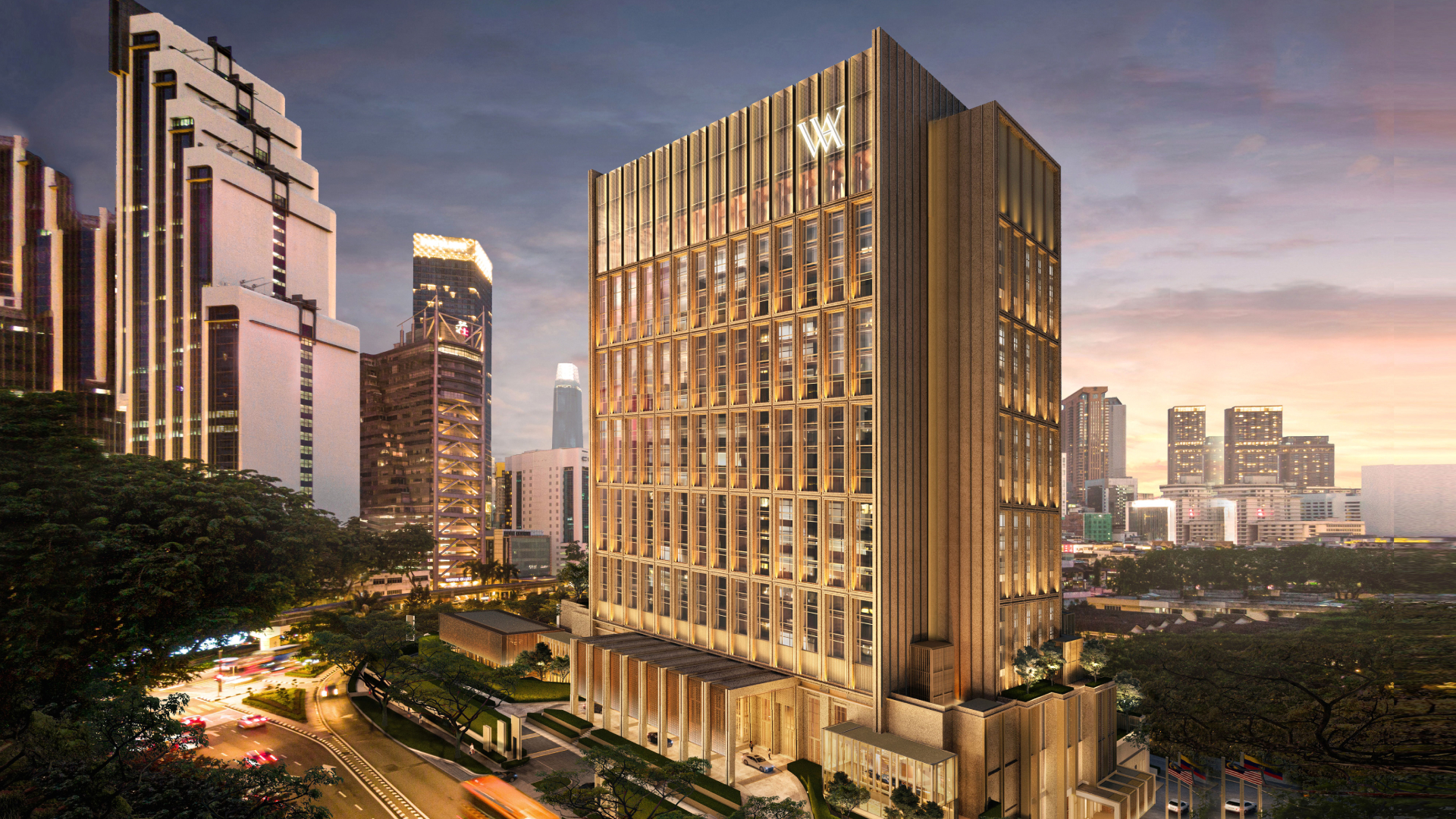
Waldorf Astoria Kuala Lumpur is scheduled to open on 30 October, introducing the Hilton luxury brand to Malaysia with an all-suite hotel in the city’s Golden Triangle.
Employment fell by 39,300 and unemployment held at a revised 4.7 per cent, giving the RBA more room to pause in November.
2 min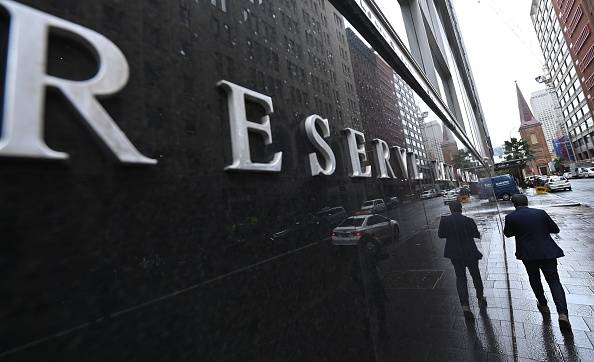
Australia’s labour market weakened in September, reducing—but not eliminating—the case for another Reserve Bank rate rise in November.
The seasonally adjusted unemployment rate was 4.7 per cent, according to the Australian Bureau of Statistics. August was revised to the same level, while September employment fell by 39,300 people. The number of unemployed Australians increased by 8,900 to 732,000.
The weakness extended beyond the headline rate. The employment-to-population ratio fell 0.3 percentage points to 63.6 per cent, participation declined 0.2 points to 66.8 per cent and underemployment edged up to 6.3 per cent. Part-time employment fell by 73,700, partly offset by a 34,400 increase in full-time work.
For the RBA, this is a clearer sign that restrictive monetary policy is cooling demand. Higher unemployment and falling employment reduce wage pressure over time and increase the risk that another rate rise would push the economy harder than necessary.
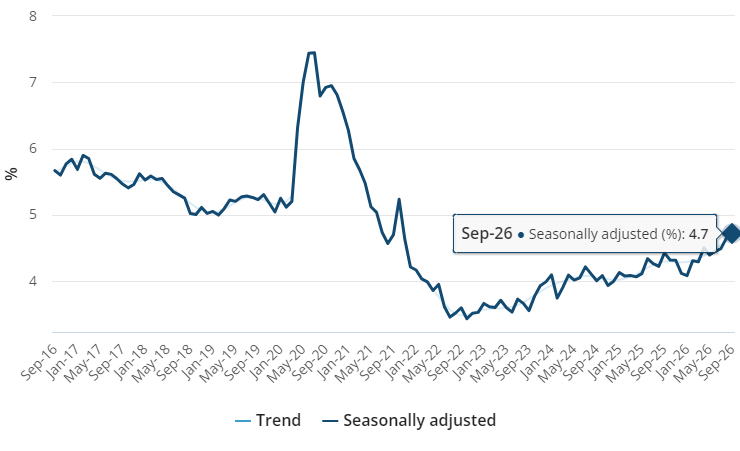
That makes a November increase less certain. It does not make a hold inevitable. The RBA must balance labour-market softness against inflation, and the September-quarter consumer price index due later in October will carry more direct weight in the decision.
For mortgage holders and property investors, the practical conclusion is not to trade one data release. Borrowers should continue testing repayments at higher rates, preserve liquidity and avoid basing a purchase on an assumed near-term reversal. Refinancing decisions should be assessed against total cost, not simply the advertised rate.
Property markets may initially welcome a reduced probability of another increase because borrowing capacity and sentiment are highly rate-sensitive. But a weakening labour market is not unambiguously positive for housing: job security supports mortgage serviceability, rental demand and buyer confidence.
The September numbers have given the RBA a credible reason to wait. Inflation will determine whether it can use it.

MAISON de SABRÉ’s new Spring Harvest Collection turns everyday produce into collectible leather charms and introduces fresh silhouettes in its cult Bucket bag family.

The era of the gorgeous golden retriever is over. Today’s most coveted pooches have frightful faces bred to tug at our hearts.