Sydney’s Best Luxury New Apartments For Sale. You Won’t Believe The Price!
Now complete, Ophora at Tallawong offers luxury finishes, 10-year defect insurance and standout value from $475,000.
 3 min
3 min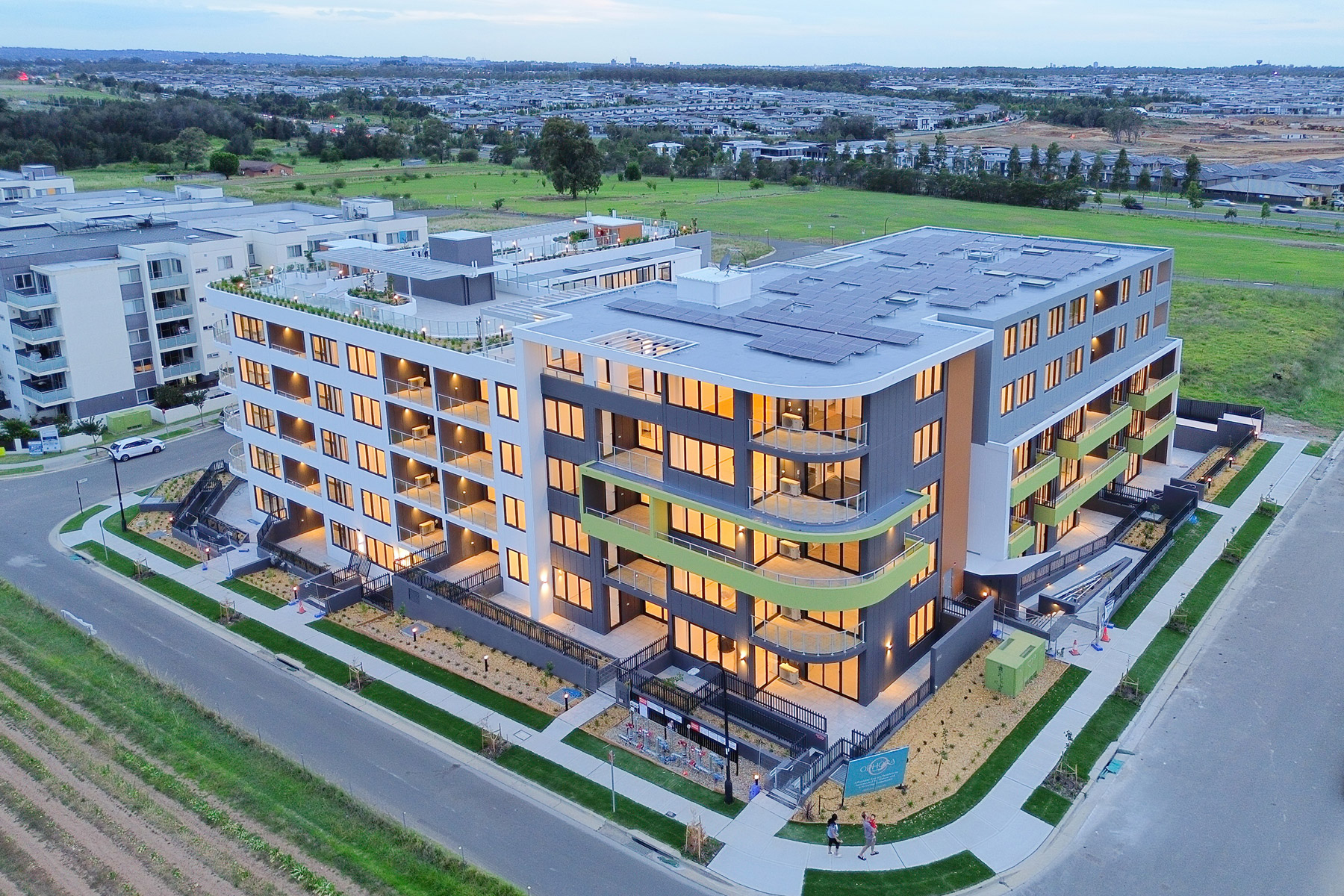

Ophora at Tallawong has officially completed construction, marking a major milestone for first-home buyers, downsizers and families seeking affordable luxury with peace of mind.
It also becomes the first apartment development in the Blacktown Council area to be backed by a 10-year Latent Defects Insurance (LDI) policy and is now fully open for inspection.
The $50 million mixed-use project is being hailed as a standout offering in Sydney’s northwest, with one-bedroom apartments starting at $475,000, two-bedroom apartments from $625,000, and three-bedroom apartments from $745,000.
According to Alex Walker, Principal and project-marketing specialist at Boston Buckler Property, Ophora is delivering a level of quality and value rarely seen in today’s high-cost construction market.
“With construction costs so high, brand-new apartments priced under $600,000 basically don’t exist anymore,” Walker said. “Buyers who’ve walked through these completed homes have been gobsmacked by what they’re getting for the price.”
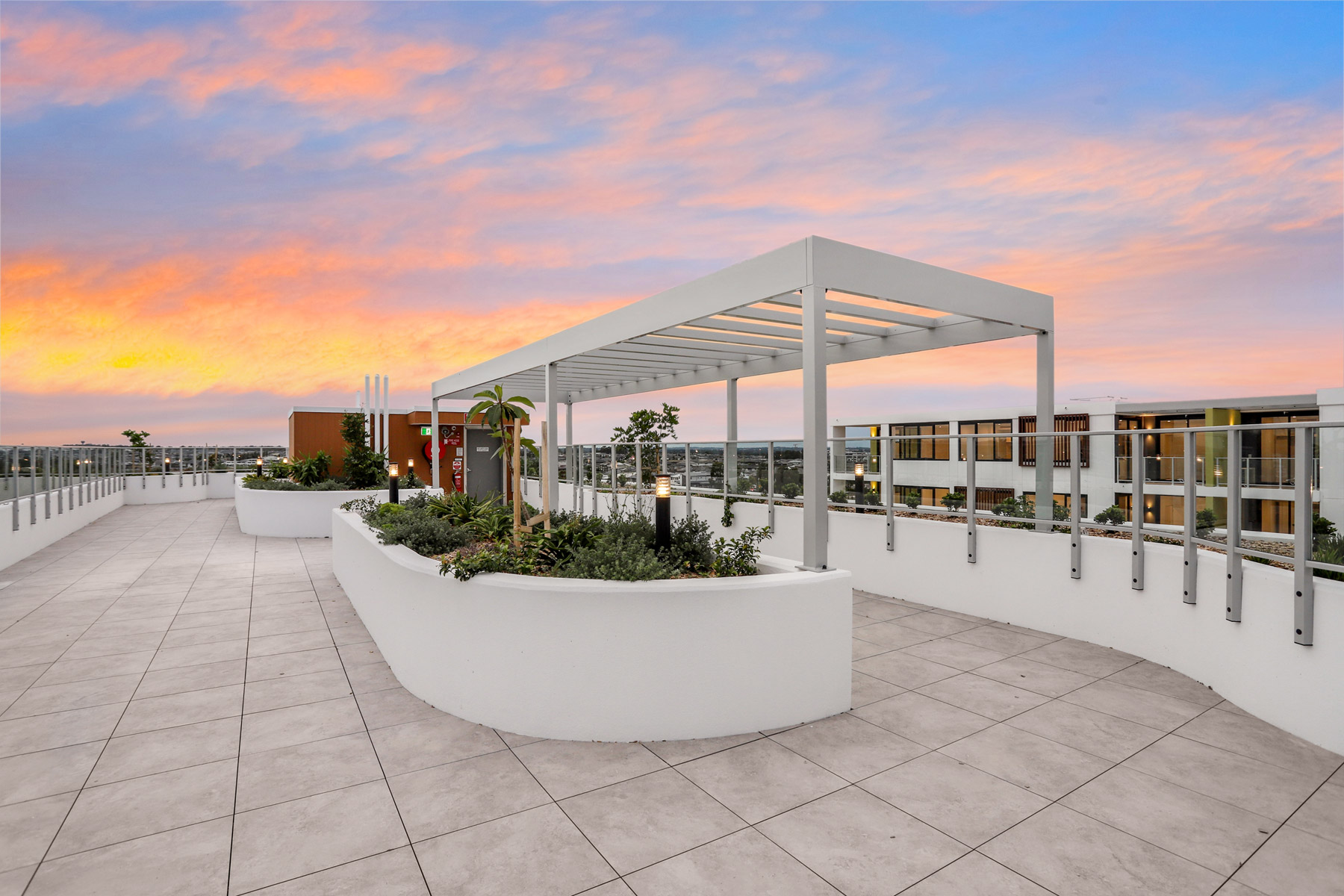
Unlike many new developments that are still selling off-the-plan, Ophora is now move-in ready, allowing buyers to see exactly what they’re purchasing before signing.
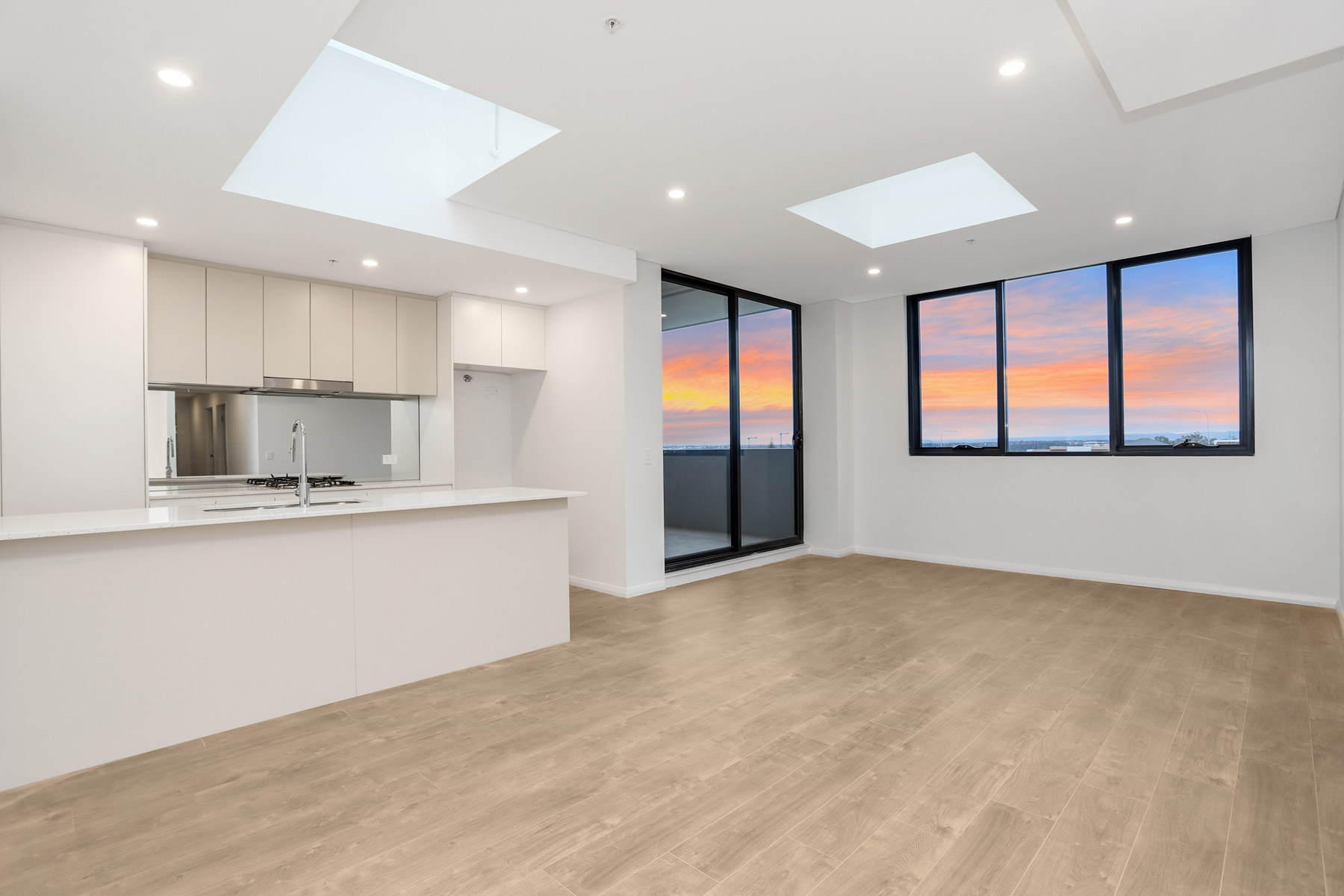
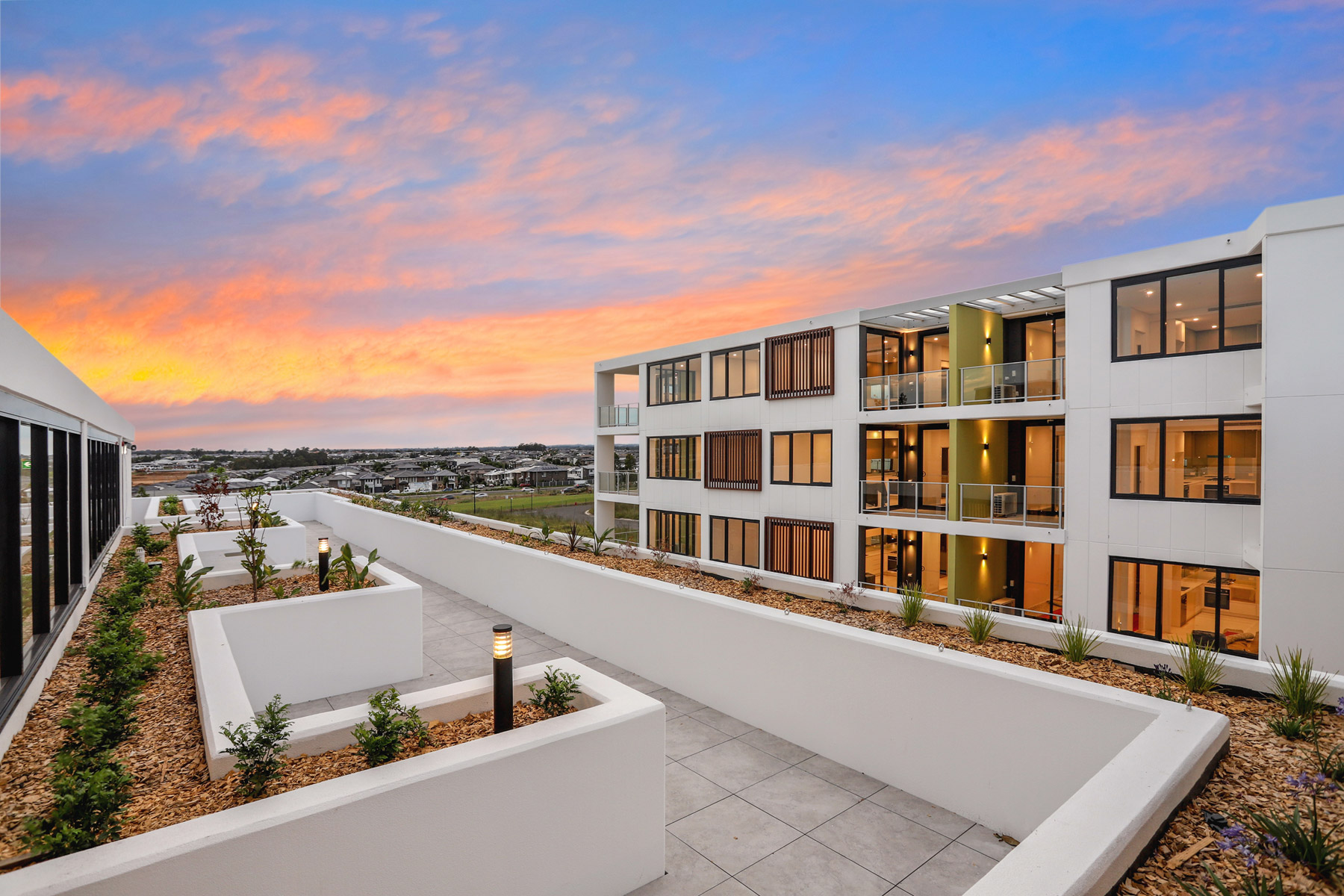
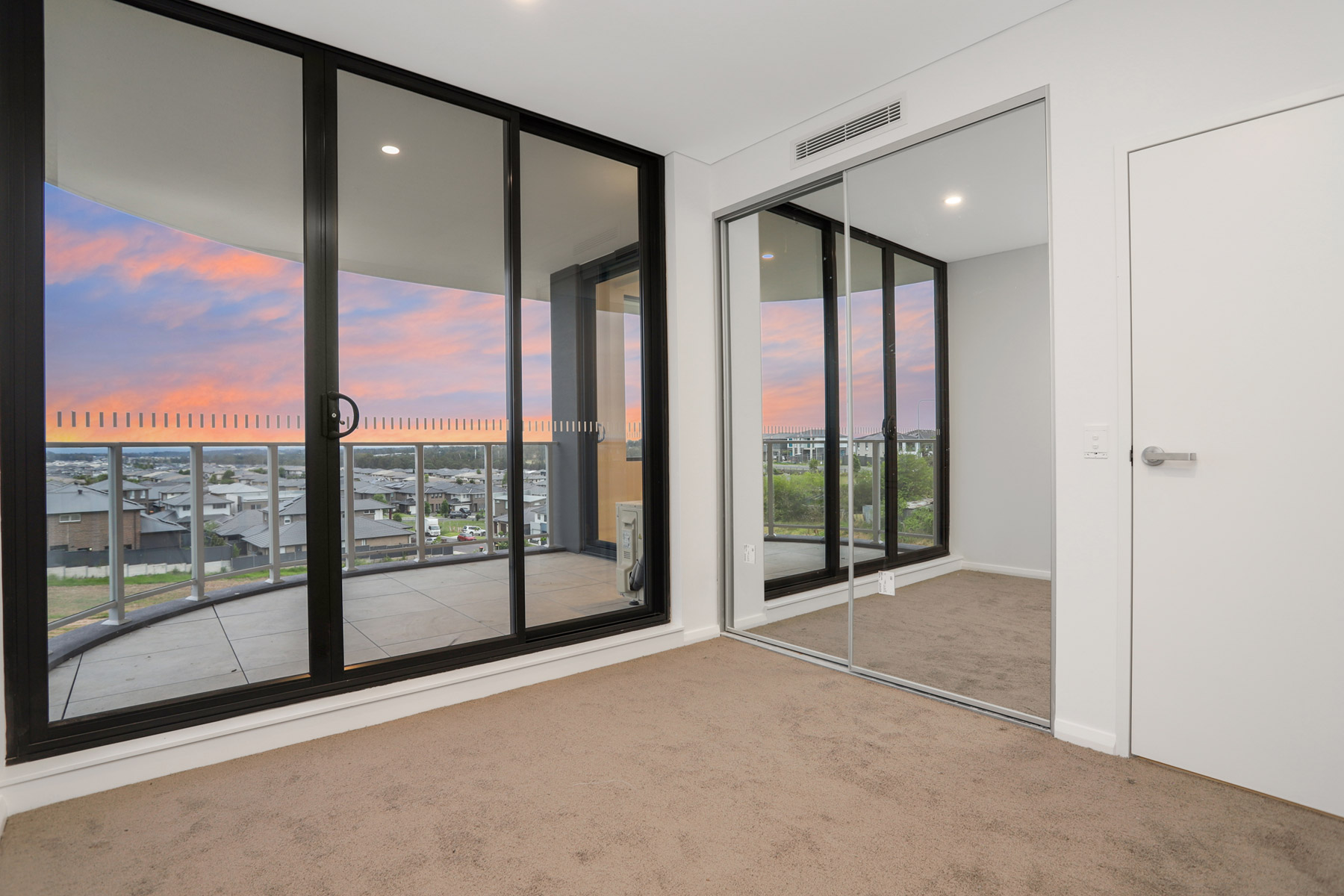
“You can walk through today and see everything for yourself,” Walker said. “Fully ducted air-conditioning, timber floors, fridge cavities with water plumbing, premium finishes throughout. Plus, the communal areas are absolutely amazing. There are landscaped rooftop spaces, shared gardens, EV chargers and more.
“Our closest competition is around $150,000 more for a new apartment. You simply won’t see this level of value again.”
Developed by KDMC and designed by Architex, the five-storey building includes 81 one-, two- and three-bedroom residences. It has been created with a focus on sustainability, liveability and long-term confidence, which is where the LDI policy comes in.
LDI, typically only available on luxury builds, covers structural defects for 10 years after completion. The policy is offered selectively and only to developers and builders with strong track records.
“Gaining LDI is no mean feat,” said Stefan Hicks, founder of SHC Insurance Brokers. “It’s offered selectively to developers and builders with a strong building history, and it requires both parties to employ independent inspectors throughout construction.”
Already used in more than 40 countries, LDI is increasingly being adopted in New South Wales as part of the state’s push to rebuild confidence in the construction sector. But it remains rare, especially in this price bracket.
“The fact that Ophora has joined this exclusive list of quality-assured builds is a coup for entry-level home buyers,” Hicks added.
Ronnie Rahme, Development Manager at KDMC, said LDI was part of the team’s mission to raise the standard for what buyers should expect, regardless of budget.
“We’ve been determined to deliver affordable luxury apartments built to an outstanding standard — with additional peace of mind for buyers via the highly sought-after LDI,” Rahme said.
In addition to the high-end finishes and certification, Ophora includes FIBRE internet, video intercom systems, EV charging stations, landscaped gardens, ground-floor courtyards, and a rooftop terrace with sweeping views.
Perfectly located on a corner block just minutes from Tallawong Metro Station and Schofields train station, the development also offers enviable access to transport and future growth corridors, including the Western Sydney Airport.
Ophora is expected to appeal to a wide range of buyers, from young families and couples to investors and downsizers seeking long-term value.
Ready to elevate your lifestyle? Contact Ophora to arrange a private viewing or request more information.

Technology and semiconductor shares fell sharply as investors questioned the debt financing the AI infrastructure boom and confronted higher rates and Chinese competition.
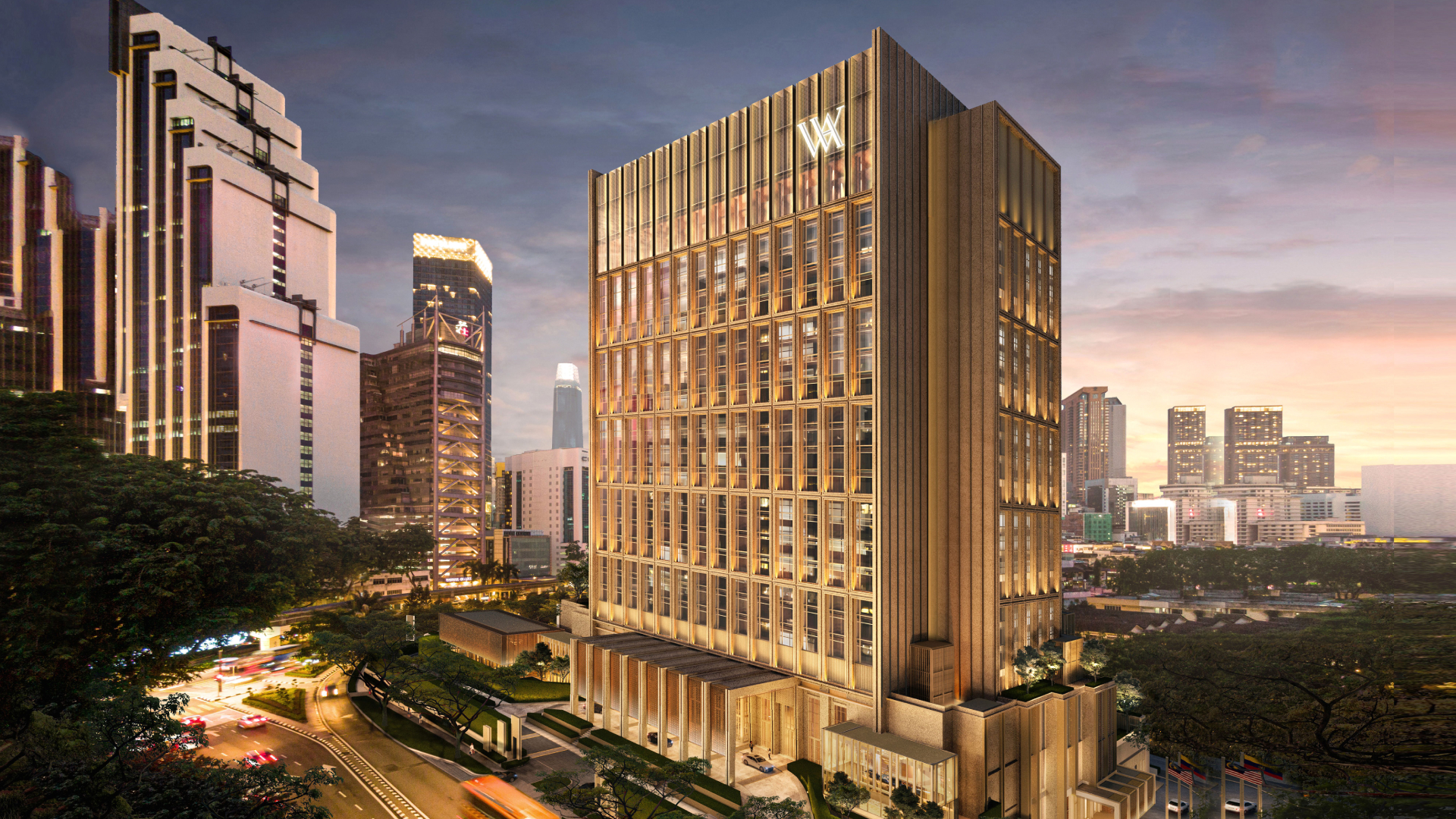
Waldorf Astoria Kuala Lumpur is scheduled to open on 30 October, introducing the Hilton luxury brand to Malaysia with an all-suite hotel in the city’s Golden Triangle.
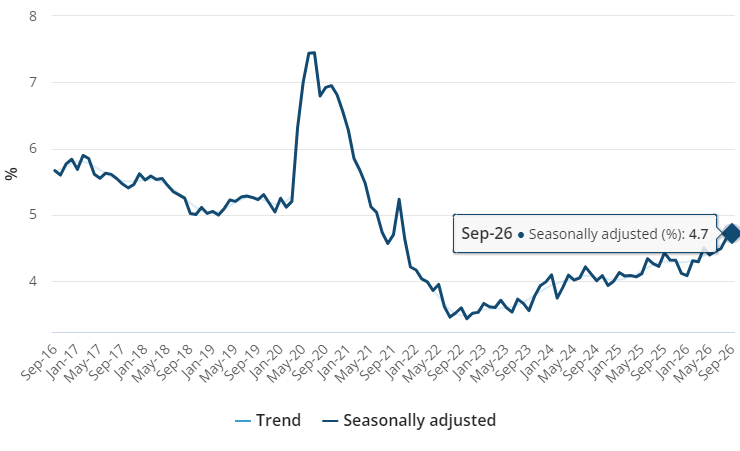
Employment fell by 39,300 and unemployment held at a revised 4.7 per cent, giving the RBA more room to pause in November.
2 min
Australia’s labour market weakened in September, reducing—but not eliminating—the case for another Reserve Bank rate rise in November.
The seasonally adjusted unemployment rate was 4.7 per cent, according to the Australian Bureau of Statistics. August was revised to the same level, while September employment fell by 39,300 people. The number of unemployed Australians increased by 8,900 to 732,000.
The weakness extended beyond the headline rate. The employment-to-population ratio fell 0.3 percentage points to 63.6 per cent, participation declined 0.2 points to 66.8 per cent and underemployment edged up to 6.3 per cent. Part-time employment fell by 73,700, partly offset by a 34,400 increase in full-time work.
For the RBA, this is a clearer sign that restrictive monetary policy is cooling demand. Higher unemployment and falling employment reduce wage pressure over time and increase the risk that another rate rise would push the economy harder than necessary.
That makes a November increase less certain. It does not make a hold inevitable. The RBA must balance labour-market softness against inflation, and the September-quarter consumer price index due later in October will carry more direct weight in the decision.
For mortgage holders and property investors, the practical conclusion is not to trade one data release. Borrowers should continue testing repayments at higher rates, preserve liquidity and avoid basing a purchase on an assumed near-term reversal. Refinancing decisions should be assessed against total cost, not simply the advertised rate.
Property markets may initially welcome a reduced probability of another increase because borrowing capacity and sentiment are highly rate-sensitive. But a weakening labour market is not unambiguously positive for housing: job security supports mortgage serviceability, rental demand and buyer confidence.
The September numbers have given the RBA a credible reason to wait. Inflation will determine whether it can use it.
When the Writers Festival was called off and the skies refused to clear, one weekend away turned into a rare lesson in slowing down, ice baths included.

Once a sleepy surf town, Noosa has become Australia’s prestige property hotspot, where multi-million dollar knockdowns, architectural showpieces and record-setting sales are the new normal.