Japan’s Economy Shows Signs of Life as Spending Revives
Gross domestic product expanded 0.8% in the three months to June from the previous quarter, preliminary government data showed

 2 min
2 min
TOKYO—The Japanese economy returned to growth in the April-June quarter thanks to a recovery in spending by households and companies.
Japan’s gross domestic product expanded 0.8% in the three months to June from the previous quarter, preliminary government data showed Thursday. That compared with economists’ forecast for 0.6% growth in a poll by data provider Quick. The economy contracted 0.6% in the January-March quarter.
The figures come after the Bank of Japan opted to raise interest rates last month and signaled potential for further increases, stoking concern among some that the economy wasn’t yet strong enough to stomach the move, as a premature increase could dial back inflation too far and lead to a slowdown.
The economy grew 3.1% on an annualized basis, which reflects what would happen if the second-quarter pace continued for a full year.
Private consumption rose 1% from the previous quarter, snapping four consecutive quarters of declines. Car sales recovered, shrugging off the impact of production suspensions that had crimped output earlier in the year.
The rising cost of living and a struggling economy have led to a decline in Prime Minister Fumio Kishida’s voter support. Kishida had introduced measures to protect households from inflation and revive consumption, including tax cuts and energy subsidies. But they didn’t help his approval ratings recover much, and Kishida said Wednesday that he won’t seek to stay in office.
Economists expect consumption to recover further in the July-September period thanks to the effects of the income and residential tax cuts. Real wages adjusted for inflation also turned positive in June for the first time in more than two years.
Thursday’s data showed capital expenditures also rose 0.9% on the back of solid corporate earnings.
One print showing some improvement may not be enough to convince analysts that the economy is getting back on track, however.
It will be difficult to say that the economy has emerged from its seesawing phase, NLI Research Institute economist Taro Saito said before Thursday’s data release. In order to confirm the recovery of the Japanese economy, it will be necessary to examine developments in the July-September quarter and thereafter, he said.
Economists at Moody’s Analytics meanwhile said in a recent note that even a robust increase in Thursday’s data would follow a series of lackluster gross domestic product reports that have captured falling output for the better part of a year.
 Copyright 2020, Dow Jones & Company, Inc. All Rights Reserved Worldwide. LEARN MORE





Australian shares fell on Thursday as Wall Street weakness, rising oil and persistent rate concerns weighed on most of the market. The S&P/ASX 200 declined 0.72 per cent to 8,702. The All Ordinaries lost 0.66 per cent to finish at 8,897. Mining stocks were hit particularly hard, while real estate also dragged on the index. …
Continue reading “ASX falls 0.7 per cent as miners and property stocks retreat”

Borrowers cannot control the Reserve Bank, but they can control how exposed their household budget is to its next decision. The RBA meets on 29 September with inflation concerns still elevated and major-bank economists increasingly bringing forward their rate-rise calls. Fixed mortgage rates have also been moving, reducing the value of waiting for perfect certainty. …
Continue reading “What mortgage holders should do before the next RBA decision”

 2 min
2 minAustralian shares fell on Thursday as Wall Street weakness, rising oil and persistent rate concerns weighed on most of the market.
The S&P/ASX 200 declined 0.72 per cent to 8,702. The All Ordinaries lost 0.66 per cent to finish at 8,897. Mining stocks were hit particularly hard, while real estate also dragged on the index.
Energy was the notable exception, gaining more than one per cent as Brent crude traded above US$103 a barrel. Oil had moved higher amid uncertainty surrounding potential US diesel-export restrictions and broader geopolitical supply risks. The move supported energy producers but renewed concern about inflation inputs across transport and the wider economy.
Gold shares were weak even as spot bullion remained historically elevated. The All Ordinaries Gold index fell about 2.25 per cent, showing that equity performance can diverge from the commodity because of valuation, currency, operating and company-specific factors.
Zip was a prominent loser, falling 11.38 per cent after the company reported short sales after the previous close. Nine Entertainment also weakened after UBS analysts warned of near-term revenue challenges associated with its advertising-supported subscription tier.
Premier Investments led larger winners despite caution about the retail environment. Breville, in which Premier owns a significant stake, also appeared among leading movers. In the broader ASX 300 screen, Myer gained 11.43 per cent and MAAS Group rose 7.93 per cent, while Lotus Resources fell 10.53 per cent. These percentage moves should be checked against company announcements and trading liquidity before attributing causes.
The Australian dollar was broadly flat at US70.38 cents. Spot gold was around US$4,280 an ounce, Brent crude approximately US$103.08 a barrel and iron ore near US$96.90 a tonne late in the session.
The rate outlook remains the central domestic catalyst. Labour-market weakness has not eliminated the possibility of an RBA increase next week, leaving banks, listed property and other rate-sensitive sectors exposed to changing expectations.
Market dashboard
S&P/ASX 200: 8,702, down 0.72 per cent.
All Ordinaries: 8,897, down 0.66 per cent.
Best sector: Energy, up more than one per cent.
Weakest areas: Real estate and materials were the major drags; confirm final sector percentages before publication.
Material winner: Premier Investments led the large-company gainers. Confirm its final closing move from the ASX before publication.
Material loser: Zip, down 11.38 per cent.
ASX 300 percentage leader: Myer, up 11.43 per cent.
ASX 300 percentage laggard: Zip, down 11.38 per cent.
AUD/USD: Approximately US$0.7038, broadly flat.
Australian shares fell on Thursday as Wall Street weakness, rising oil and persistent rate concerns weighed on most of the market. The S&P/ASX 200 declined 0.72 per cent to 8,702. The All Ordinaries lost 0.66 per cent to finish at 8,897. Mining stocks were hit particularly hard, while real estate also dragged on the index. …
Continue reading “ASX falls 0.7 per cent as miners and property stocks retreat”
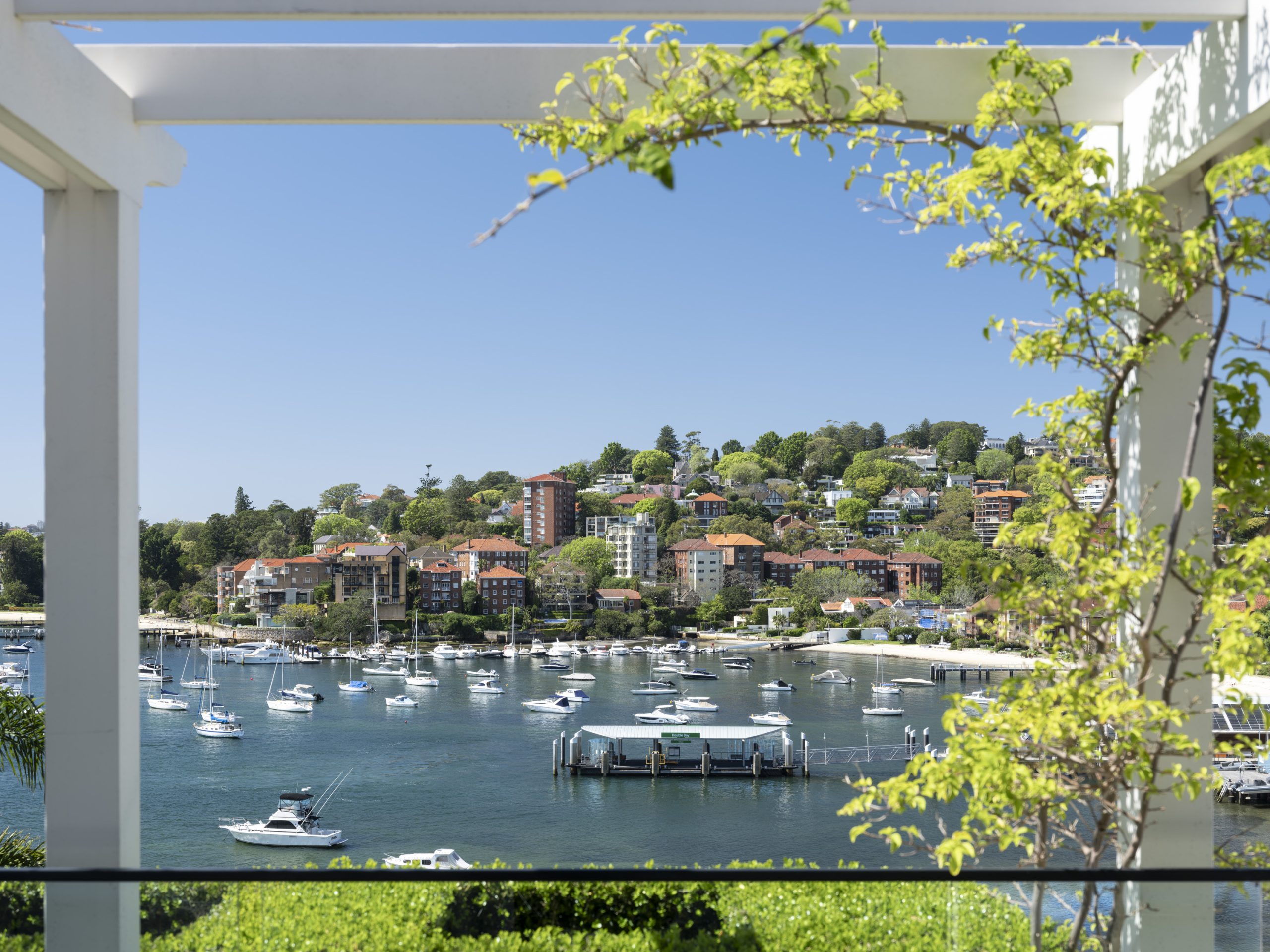
The grand harbourside residence combines sweeping Sydney Heads views, resort-style entertaining and refined designer finishes with a reported $36 million price guide.