Starbucks’ North America Head to Retire One Week After New CEO Started

 < 1 min
Starbucks is making another major leadership change just one week after new CEO Brian Niccol started his job.
Michael Conway, the 58-year-old coffee chain’s head of North America, will be retiring at the end of November, according to a Monday filing with the Securities and Exchange Commission.
The decision came only six months after Conway took on the job. His position won’t be filled. Instead, the company plans to seek candidates for a new role in charge of Starbucks’ global branding.
The chief brand officer role will have responsibilities across product, marketing, digital, customer insights, creative and store concepts.
“Recognizing the unmatched capabilities of the Starbucks team and seeing the energy and enthusiasm for Brian’s early vision, I could not think of a better time to begin my transition towards retirement,” wrote Conway in a statement.
Conway has been at Starbucks for more than a decade, and was promoted to his current job—a newly created role—back in March, as part of the company’s structural leadership change under former CEO Laxman Narasimhan.
The coffee giant has been struggling with weaker sales in recent quarters, as it faces not only macroeconomic headwinds, but also operational, branding, and product development challenges.
Narasimhan was taking many moves to turn around the business, but faced increasing pressure from the board, shareholders, and activist investors.
One month ago, Starbucks ousted Narasimhan and appointed Brian Niccol, the former CEO at Chipotle, as its top executive. The stock has since jumped 20% in a show of faith for Niccol, who started at Starbucks last week.
When he was at Chipotle, Niccol made a few executive hires that were key to the company’s turnaround.
 Copyright 2020, Dow Jones & Company, Inc. All Rights Reserved Worldwide. LEARN MORE




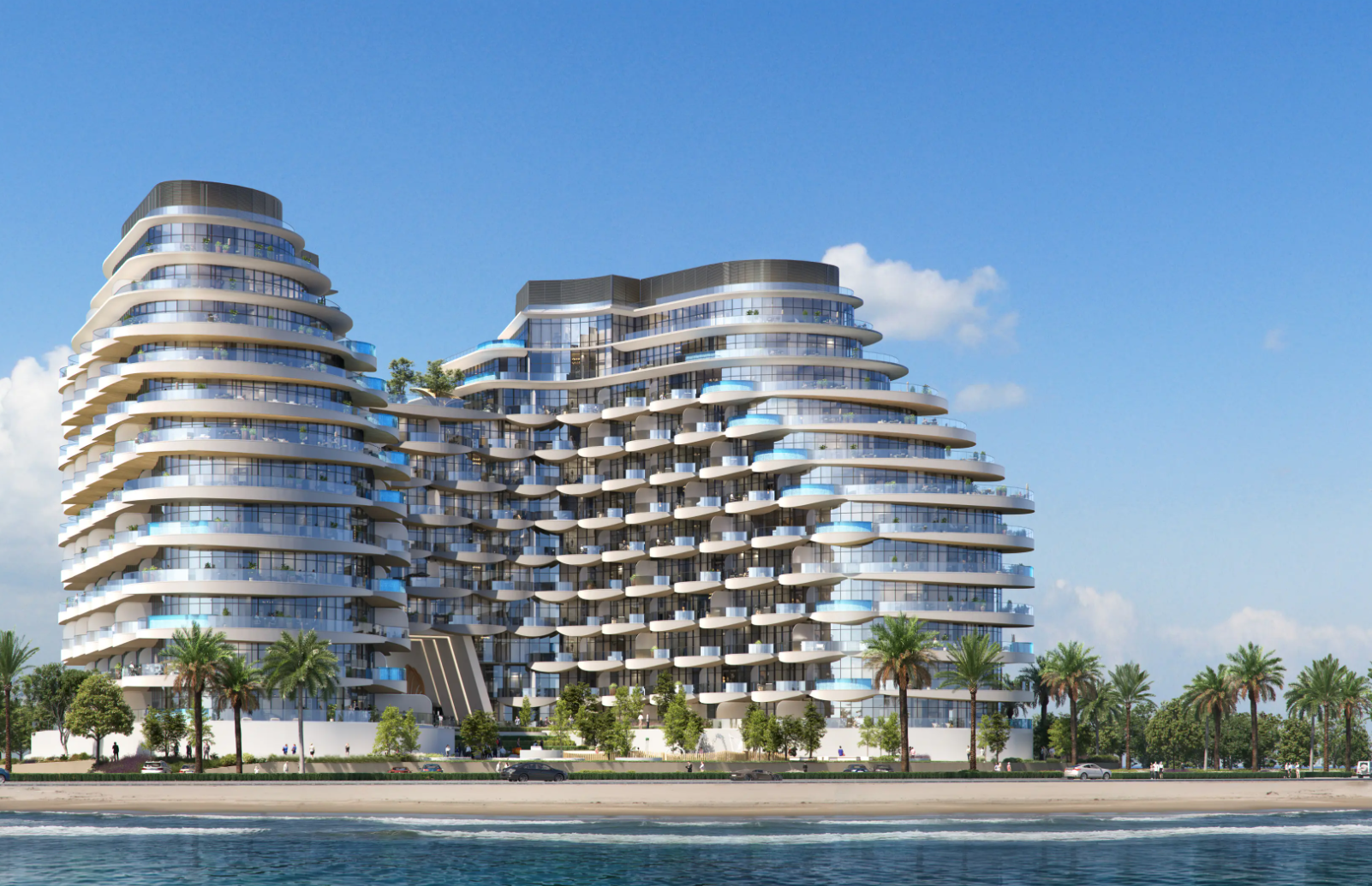
BNW Developments has established a Sydney presence, joining Arada and Sobha Realty among the growing number of UAE developers pursuing Australian buyers and development opportunities.

Australian shares fell on Thursday as Wall Street weakness, rising oil and persistent rate concerns weighed on most of the market. The S&P/ASX 200 declined 0.72 per cent to 8,702. The All Ordinaries lost 0.66 per cent to finish at 8,897. Mining stocks were hit particularly hard, while real estate also dragged on the index. …
Continue reading “ASX falls 0.7 per cent as miners and property stocks retreat”

 2 min
2 minAustralian shares fell on Thursday as Wall Street weakness, rising oil and persistent rate concerns weighed on most of the market.
The S&P/ASX 200 declined 0.72 per cent to 8,702. The All Ordinaries lost 0.66 per cent to finish at 8,897. Mining stocks were hit particularly hard, while real estate also dragged on the index.
Energy was the notable exception, gaining more than one per cent as Brent crude traded above US$103 a barrel. Oil had moved higher amid uncertainty surrounding potential US diesel-export restrictions and broader geopolitical supply risks. The move supported energy producers but renewed concern about inflation inputs across transport and the wider economy.
Gold shares were weak even as spot bullion remained historically elevated. The All Ordinaries Gold index fell about 2.25 per cent, showing that equity performance can diverge from the commodity because of valuation, currency, operating and company-specific factors.
Zip was a prominent loser, falling 11.38 per cent after the company reported short sales after the previous close. Nine Entertainment also weakened after UBS analysts warned of near-term revenue challenges associated with its advertising-supported subscription tier.
Premier Investments led larger winners despite caution about the retail environment. Breville, in which Premier owns a significant stake, also appeared among leading movers. In the broader ASX 300 screen, Myer gained 11.43 per cent and MAAS Group rose 7.93 per cent, while Lotus Resources fell 10.53 per cent. These percentage moves should be checked against company announcements and trading liquidity before attributing causes.
The Australian dollar was broadly flat at US70.38 cents. Spot gold was around US$4,280 an ounce, Brent crude approximately US$103.08 a barrel and iron ore near US$96.90 a tonne late in the session.
The rate outlook remains the central domestic catalyst. Labour-market weakness has not eliminated the possibility of an RBA increase next week, leaving banks, listed property and other rate-sensitive sectors exposed to changing expectations.
Market dashboard
S&P/ASX 200: 8,702, down 0.72 per cent.
All Ordinaries: 8,897, down 0.66 per cent.
Best sector: Energy, up more than one per cent.
Weakest areas: Real estate and materials were the major drags; confirm final sector percentages before publication.
Material winner: Premier Investments led the large-company gainers. Confirm its final closing move from the ASX before publication.
Material loser: Zip, down 11.38 per cent.
ASX 300 percentage leader: Myer, up 11.43 per cent.
ASX 300 percentage laggard: Zip, down 11.38 per cent.
AUD/USD: Approximately US$0.7038, broadly flat.

Barnet, in North London, lays claim to two of the country’s most expensive roads to own a home.

Singapore’s Formula 1 weekend has always looked different. Held beneath floodlights on the Marina Bay Street Circuit, the race transforms the city into a nocturnal spectacle of speed, heat and saturated colour. It is this distinctive atmosphere — and one of Singapore’s most important natural symbols — that has shaped IWC Schaffhausen’s latest motorsport-inspired watch. …
Continue reading “IWC’s purple Formula 1 chronograph pays tribute to Singapore after dark”