GRAYA Secures Approval for Silk, St Lucia Apartments
 3 min
3 min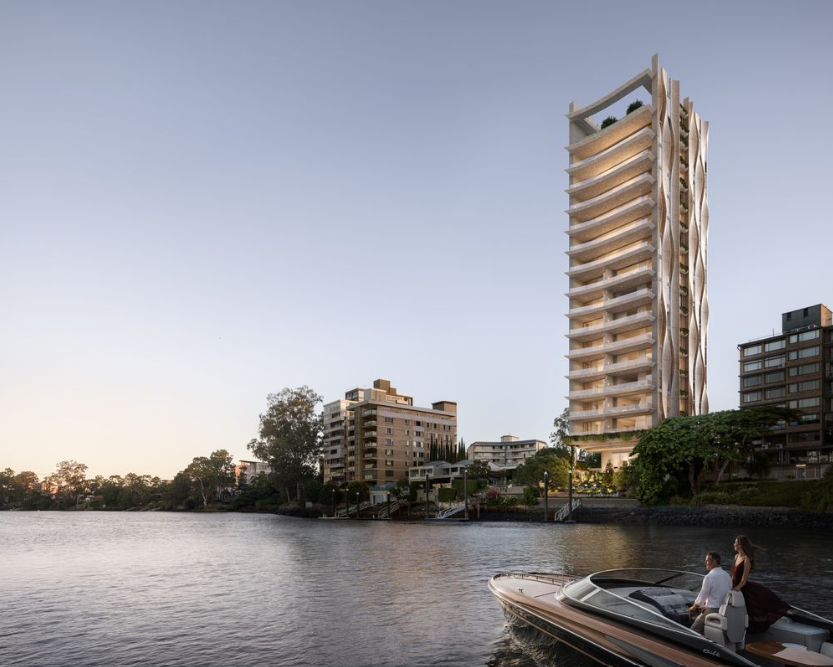
South East Queenslander developer GRAYA has received development approval for Silk, its riverfront project at 16-18 Sandford Street, St Lucia.
The approval clears the way for one of the suburb’s most significant boutique residential addresses in years, on a tightly held bend of the Brisbane River.
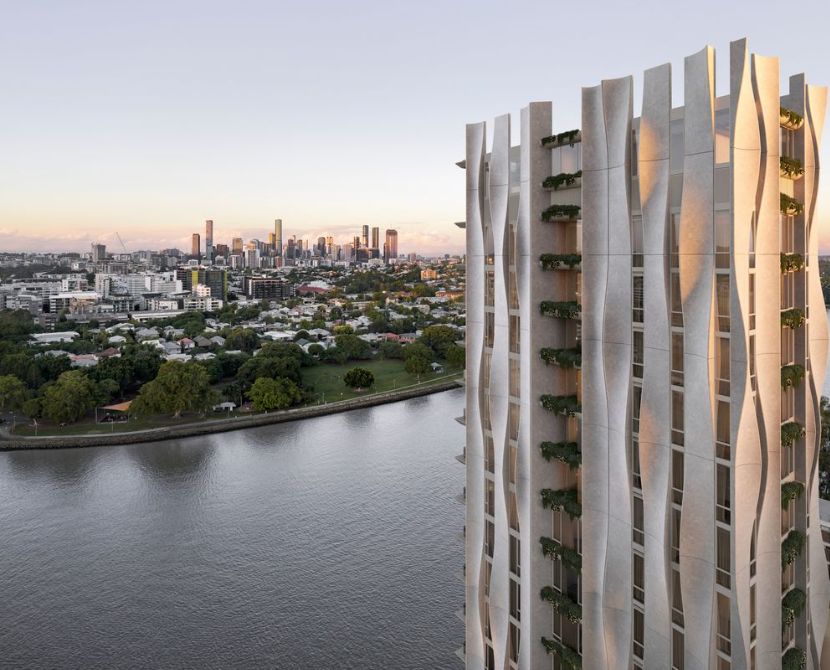
Occupying a defining bend of the river, the 810 sqm site holds a northern aspect over Orleigh Park to the Brisbane CBD skyline. The approved scheme delivers 16 split-floor and six full-floor residences across 15 levels, designed and to be built by GRAYA. The breadth of river frontage and dual direction views the bend affords are increasingly difficult to secure across Brisbane’s riverfront, underpinning the long-term significance of the location.
Genuine riverfront development sites in St Lucia are almost exhausted. Silk moves the suburb into its next phase as a boutique apartment enclave, defined by lower density, larger-format residences and long-term owner-occupier demand. The approval allows construction planning to begin without delay.
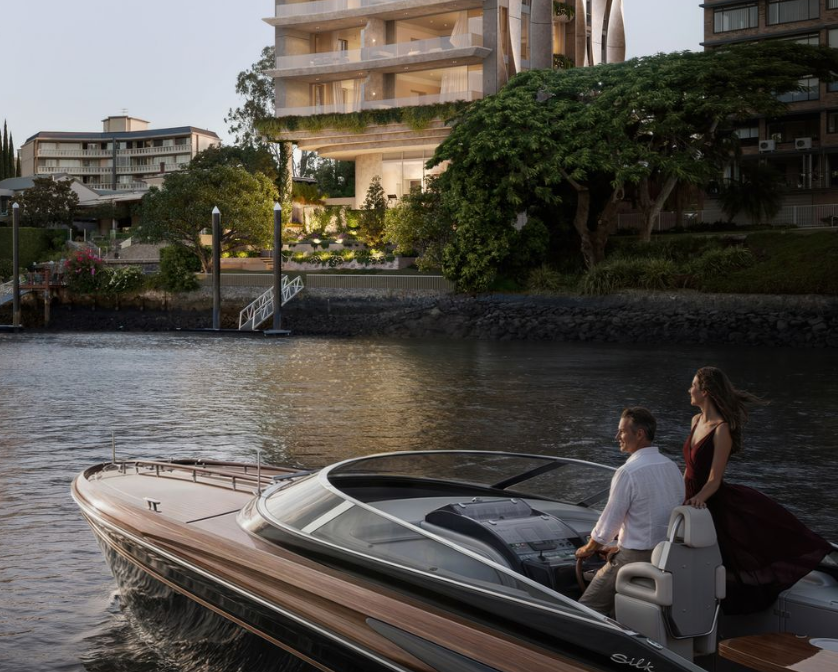
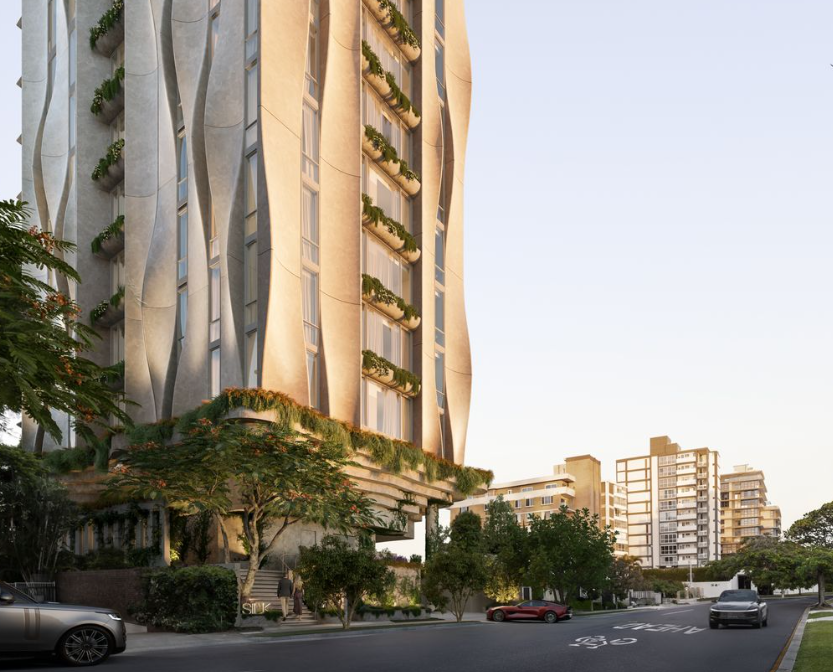
The approved design places weight on scale, privacy and outlook rather than yield. Residences have been planned as permanent homes, with proportion, separation and river orientation carried through. Buyers in this market are not seeking typical apartment product. They are seeking the scale and privacy of a private home, with the ease of apartment living and far less to maintain.
The approval signals GRAYA’s continued confidence in Brisbane’s premium riverfront market and its focus on rare, irreplaceable sites in established inner-west suburbs.
GRAYA recently completed ARC in Toowong as builder for developer Spyre, delivering the project through challenging site conditions on the banks of the river. Building on a constrained riverside site is the same execution challenge Silk presents, and it is one GRAYA has already met on the same stretch of the river.
Rob Gray, Co-founder & Chief Executive Officer, GRAYA, said St Lucia is a suburb people do not want to leave.
“They know the river, the trees, UQ, the golf course, Toowong and Indooroopilly, and that familiarity is hard to replace. True riverfront opportunities here are exceptionally scarce.
“What we have designed at Silk is a way to stay in the suburb people love, with the scale and privacy of a private home and far less to maintain. This is not typical apartment product. It is a proper home on the river, and that is exactly what this market has been missing.”
Brother and fellow co-founder Andrew Gray, GRAYA’s Managing Director, said genuine riverfront sites of this quality in St Lucia are not something that comes up regularly.
“The approval removes a substantial layer of execution risk, and the location underwrites demand in a way very few innercity sites can. The fundamentals here are as strong as anything we have assessed in Brisbane.”
The approval follows sustained buyer demand across GRAYA’s riverfront and Gold Coast portfolio, reinforcing its position as an emerging authority in Brisbane’s premium riverfront apartment market. GRAYA designs, develops and constructs its projects under a single point of accountability, from first drawing through to aftercare.
Silk further strengthens GRAYA’s portfolio across Brisbane and the Gold Coast. It sits alongside projects such as Enclave, The Gallery, Coral, and Ripple, reflecting a focus on blue-chip locations and design-led residences in tightly held markets. GRAYA has also recently submitted a development application for The Silo, a $700 million mixed-use project in the James Street precinct and the next major development in its pipeline.
While several residential projects are entering the wider St Lucia and Toowong corridor, genuine riverfront opportunities remain tightly held. Positioned directly on the river, Silk is expected to draw strong interest from local homeowners and prestige buyers seeking a permanent address in Brisbane’s inner west.
Registrations of interest are now open. Further detail will be released as the project progresses.
Project summary
| Project | Silk |
| Address | 16-18 Sandford Street, St Lucia QLD 4067 |
| Local authority | Brisbane City Council |
| Approval status | DA Approved |
| Site area | 810sqm |
| Approved built form | 15 levels |
| Approved yield | 16 split-floor & 6 full-floor |
| Ground-level uses | Lobby, gym, integrated rivers edge and leisure space |
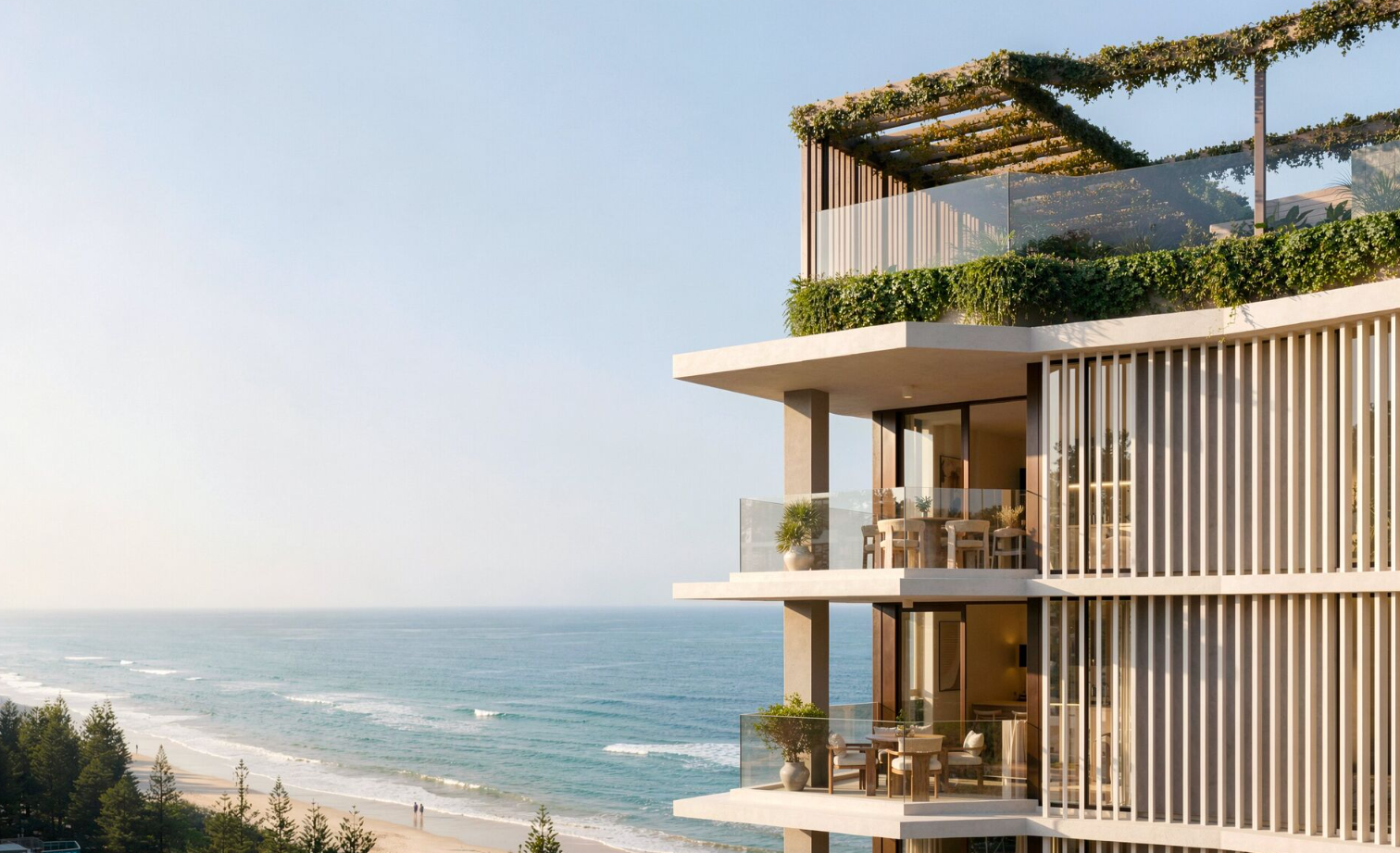
Studio apartments have almost disappeared from new Australian developments. Lura is bringing them back to Burleigh Heads from $495,000.

Porsche’s Cayenne Turbo Electric produces up to 1,156PS and reaches 100km/h in a claimed 2.5 seconds.
Bjorn Farrugia was named for Björn Borg, the ice-cool Swede who once ruled Wimbledon’s Centre Court, and for a long stretch of his young life the name felt like a mandate
3 min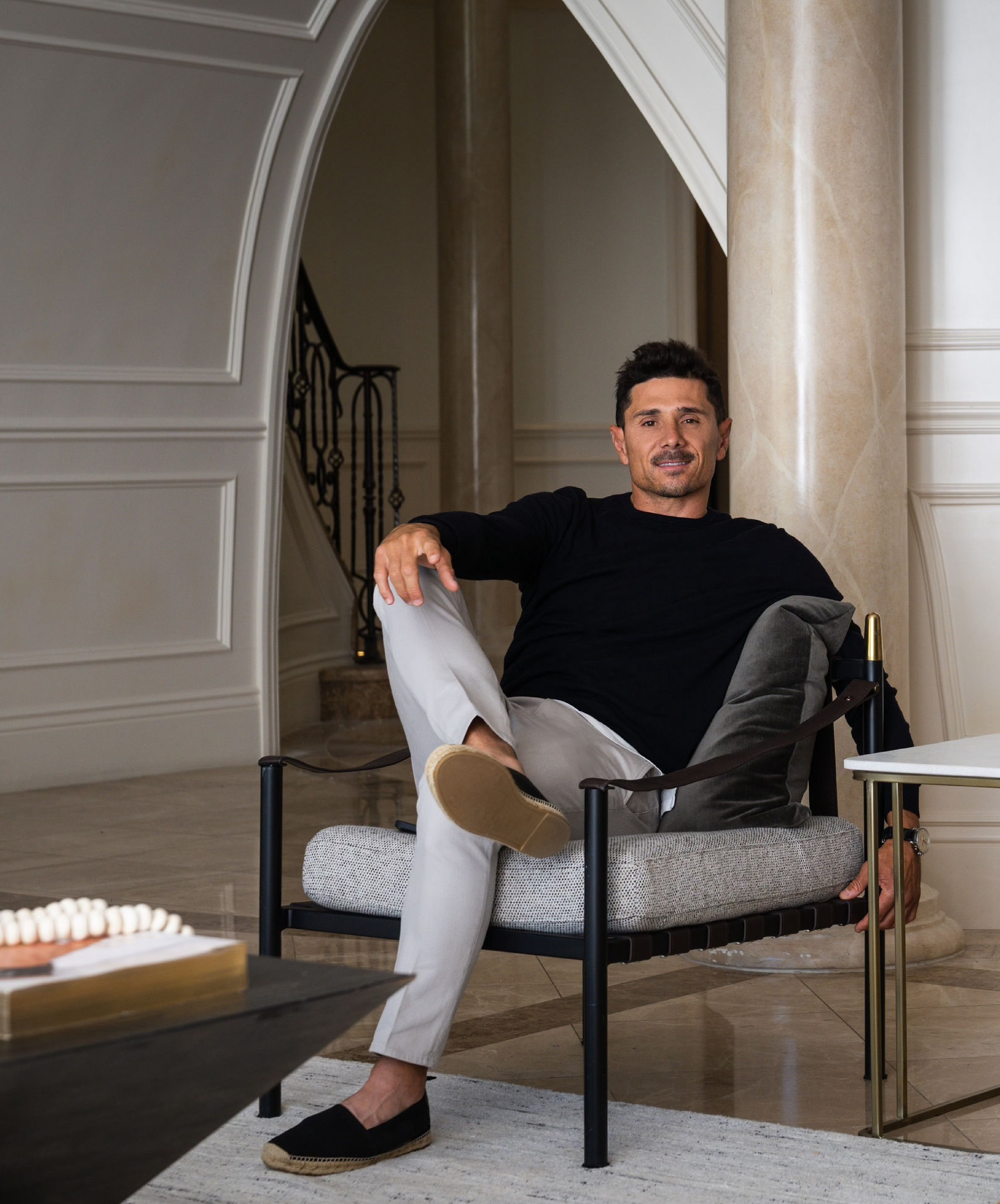
A tennis scholarship took him to America two decades ago with no return ticket in mind. Today the Melbourne-born, Beverly Hills-based agent is one of the most decorated names in Los Angeles luxury real estate — and still calls himself an Australian first.
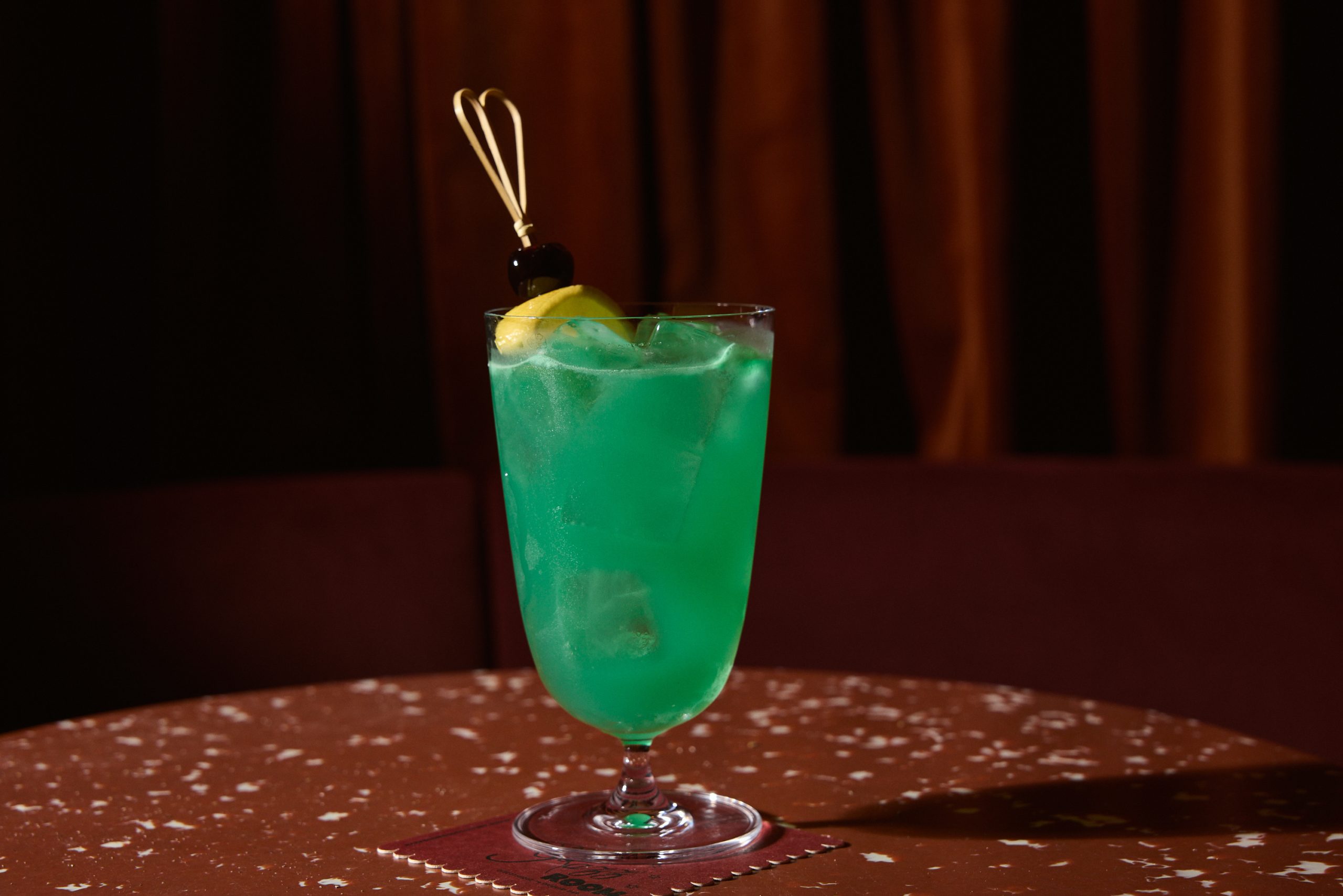
Odd Culture Group brings a new kind of after-dark energy to the CBD, where daiquiris, disco and design collide beneath the city streets.

Once a sleepy surf town, Noosa has become Australia’s prestige property hotspot, where multi-million dollar knockdowns, architectural showpieces and record-setting sales are the new normal.