

Chippendale Warehouse Transformed into Architectural Masterpiece
A century-old warehouse reborn as a $19 million inner-city sanctuary, The Pigeon Shed blends gallery-scale drama with family living in a bold architectural reinvention.
 2 min
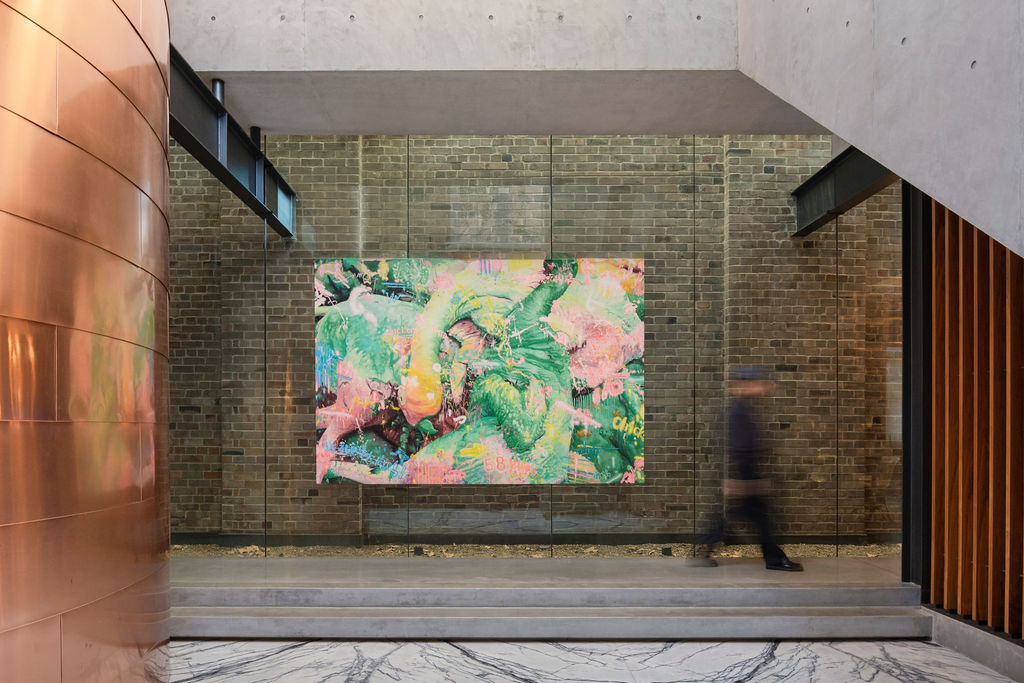
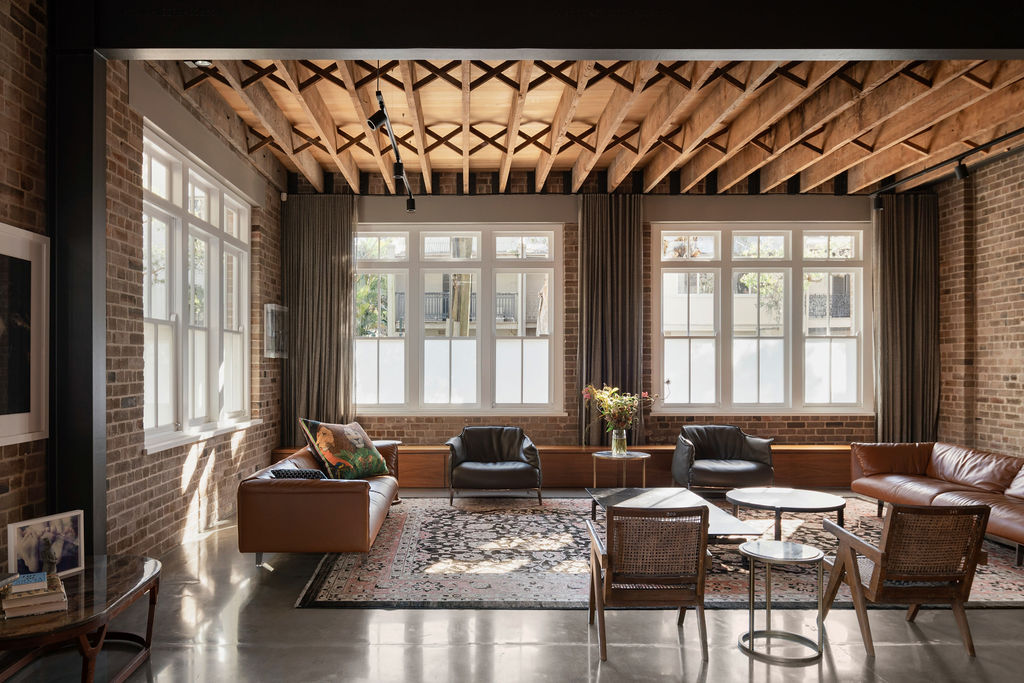
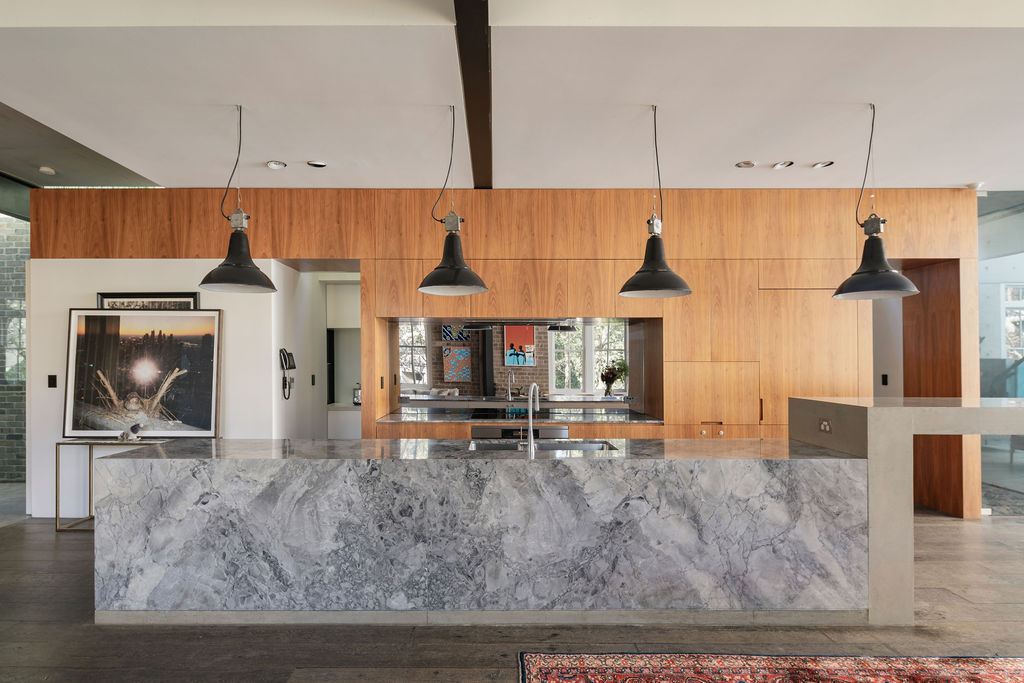
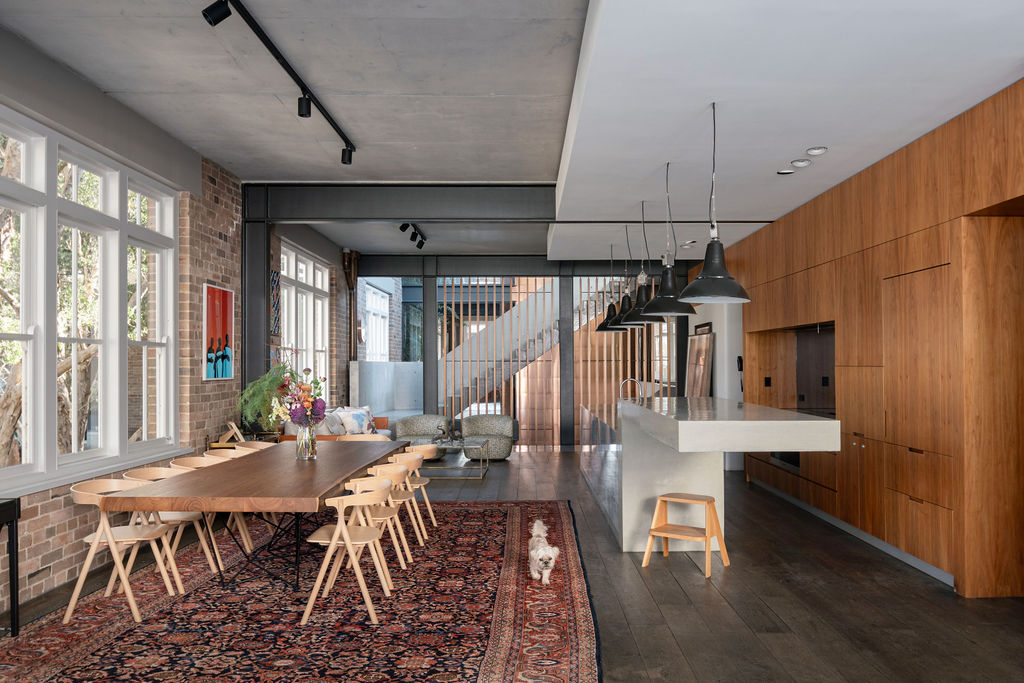
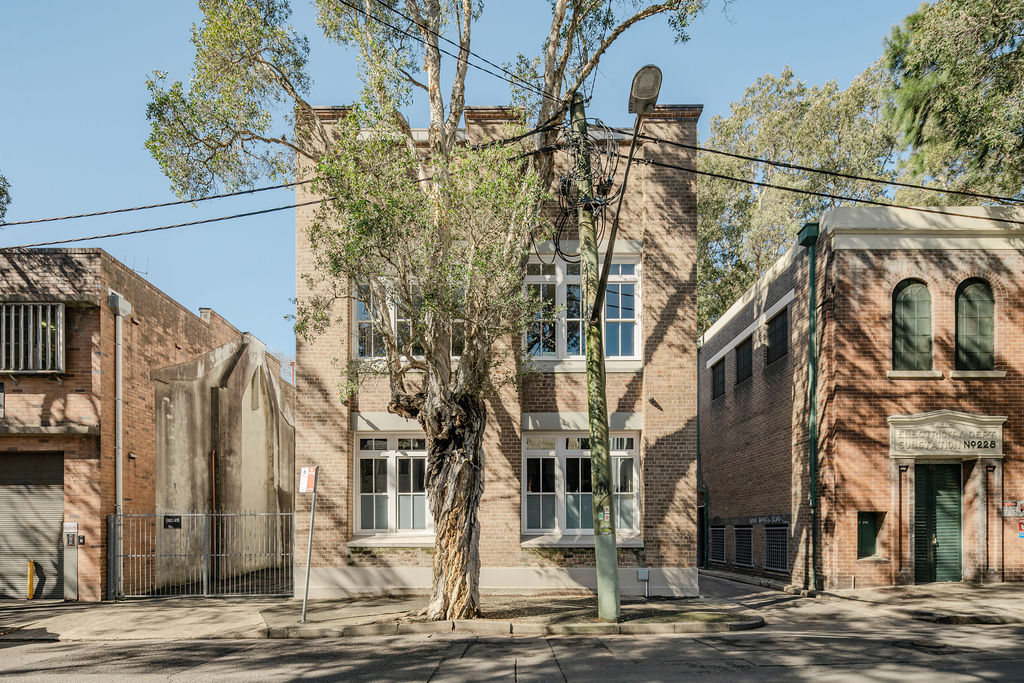
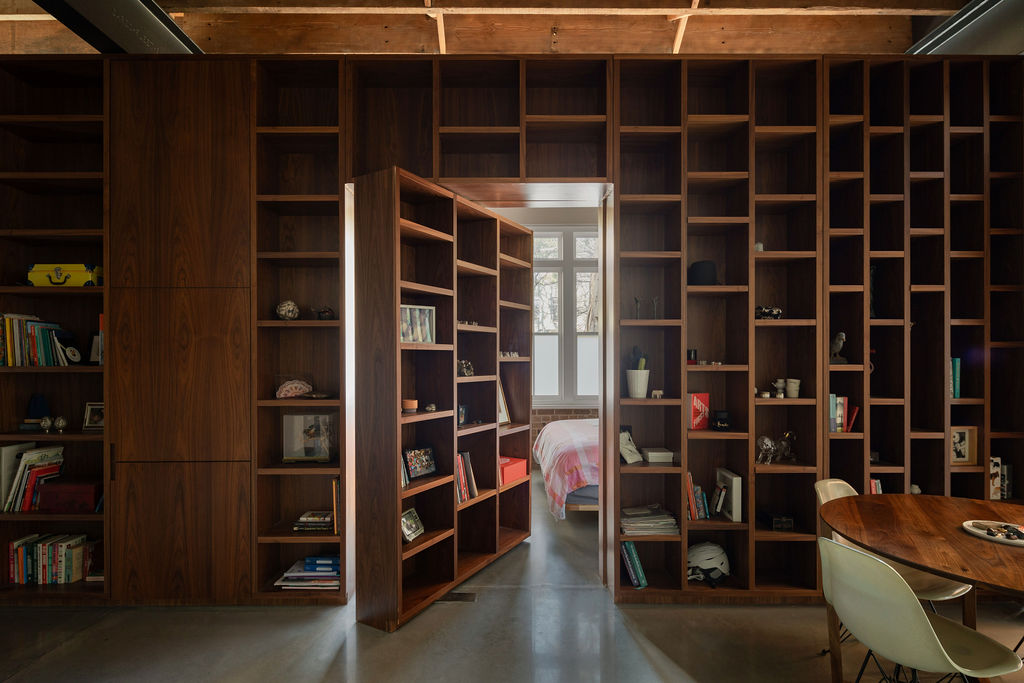
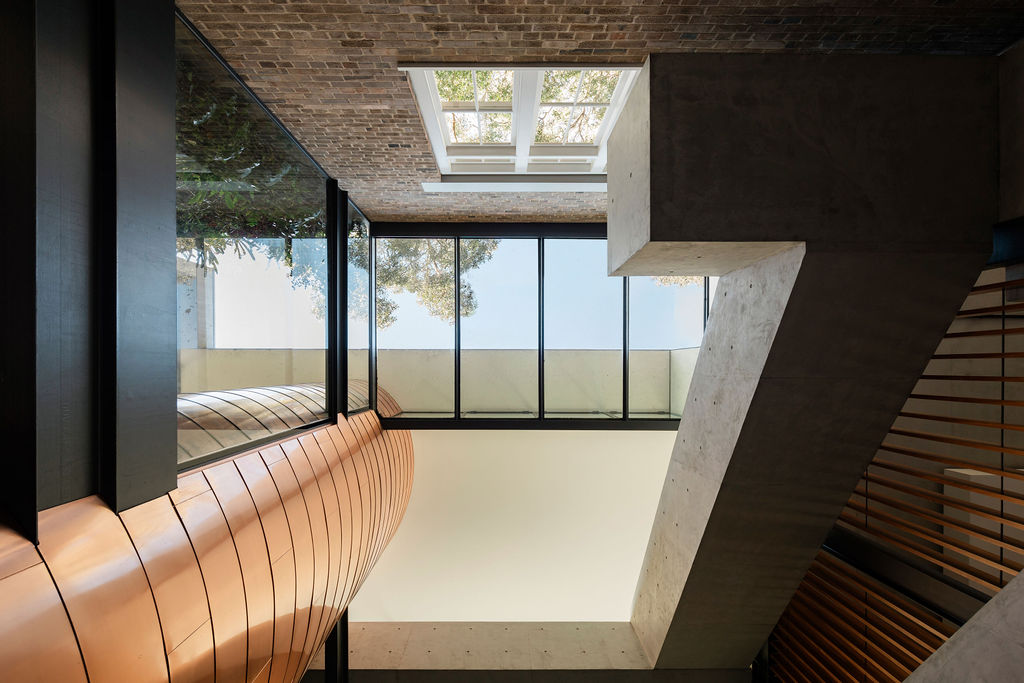
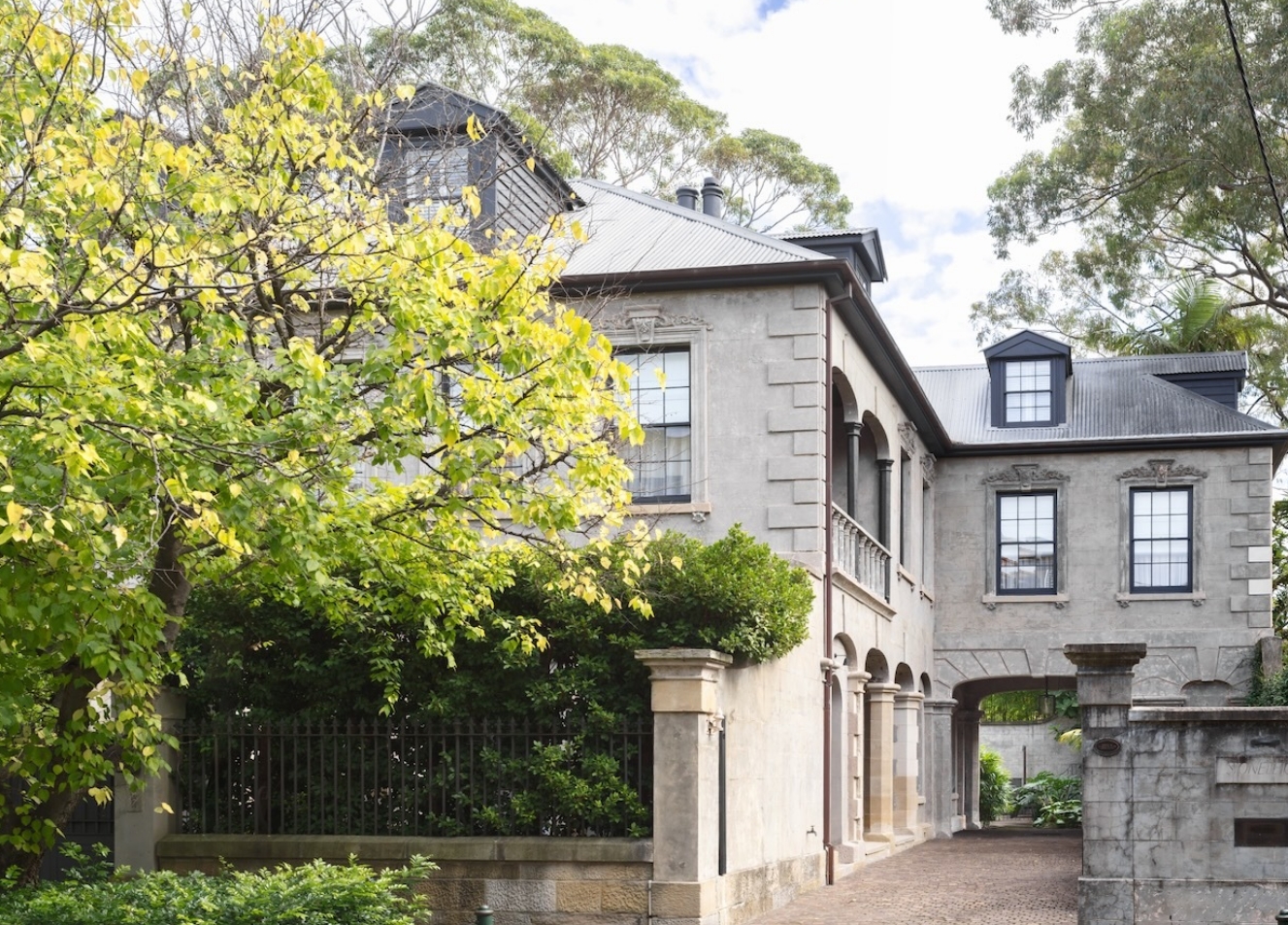
Behind an unassuming brick façade in Chippendale, The Pigeon Shed is a Sydney warehouse that rewrites the rulebook on inner-city renovation. Part gallery, part residential sanctuary, the former atelier that earned its nickname thanks to a colony of wild birds that once called it home is today an architectural anomaly.
Owned by creative director Beau Neilson, the daughter of billionaire arts patron Judith Neilson and fund manager Kerr, the transformed 1914 industrial shell has been an artistic labour of love for the owner of The Vanguard in Newtown, reimagined alongside the team at MCK Architects.
Purchased in 2012 for $3.1 million, Neilson transformed the one-time dilapidated shell over a decade.
Since then, the five-bedroom, four-bathroom Chippendale property has appeared in several architectural publications, such as Habitus, Architizer and The Design Files, celebrated for its unique blend of steel, timber, marble and concrete surfaces coupled with its intelligent use of space.
The savvy reinvention of the compact 324sq m corner block footprint has resulted in 735 sq m of internal and external living space across three levels.
Although selling agent Shannan Whitney of BresicWhitney is not publicly commenting on the price guide, the home is reportedly being shopped around for about $19 million.
The one-time soap factory is being traded in by Neilson for a $20 million waterfront estate she recently bought in Double Bay, according to news reports.
The contemporary home features gallery-sized entertainment zones with dramatic high ceilings, vertical gardens and landscaped courtyards that allow for oodles of natural light and private gatherings inside and out.
The main living level houses a vast gourmet kitchen featuring a dramatically long island bench, a hidden butler’s pantry and an internal courtyard that flows seamlessly to an indoor pool. On the same level, a family room also adjoins a second internal terrace.
A unique copper-clad elevator joins all three floors, including a lower-level lounge room, a library with a secret door to a guest bedroom suite, and a separate study.
The top-level layout has three more bedrooms incorporating the upper-floor primary wing with a full-width street-facing terrace, a designer ensuite and dressing room. Each of the two remaining bedrooms has its own en-suites and shares a grand landscaped side terrace.
Additional features include a built-in solar system, hydronic heating, exposed beams and original brickwork.
Located within a short walk to UTS, Broadway, and Newtown cafes and restaurants and the CBD.
The Pigeon Shed at 42-44 Pine St, Chippendale, interest campaign with Shannan Whitney of BresicWhitney.
From making unpopular decisions to learning when to listen, leaders from five businesses reveal what nobody prepared them for — and how running a company has challenged their expectations.

Technology and semiconductor shares fell sharply as investors questioned the debt financing the AI infrastructure boom and confronted higher rates and Chinese competition.
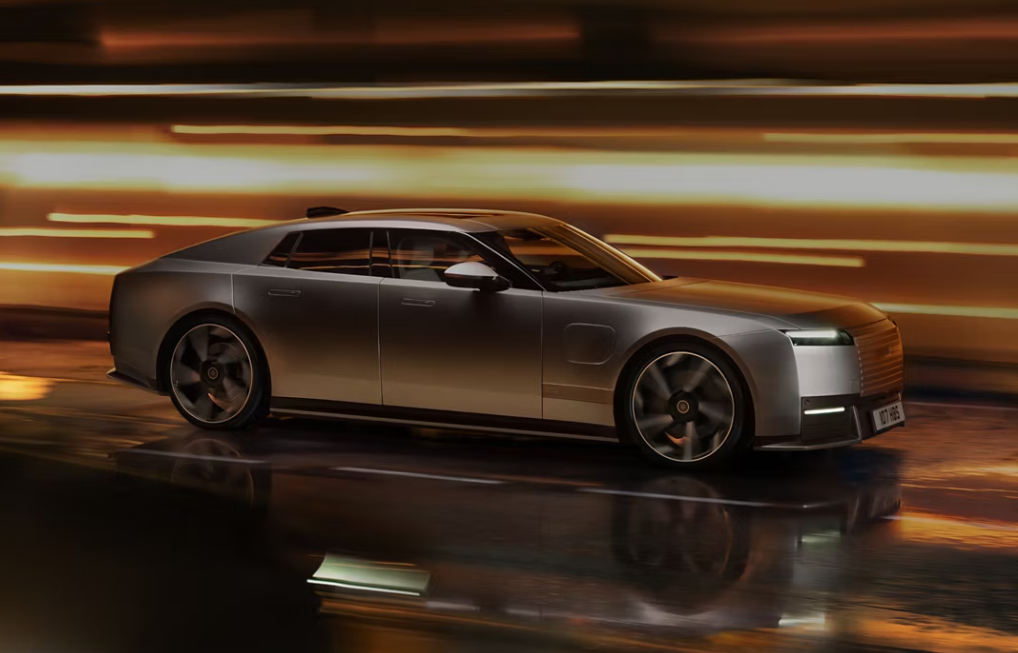
Tesla’s new Roadster used suction technology and SpaceX-derived thrusters to jump and flip—but production, price and road legality remain unresolved.
3 min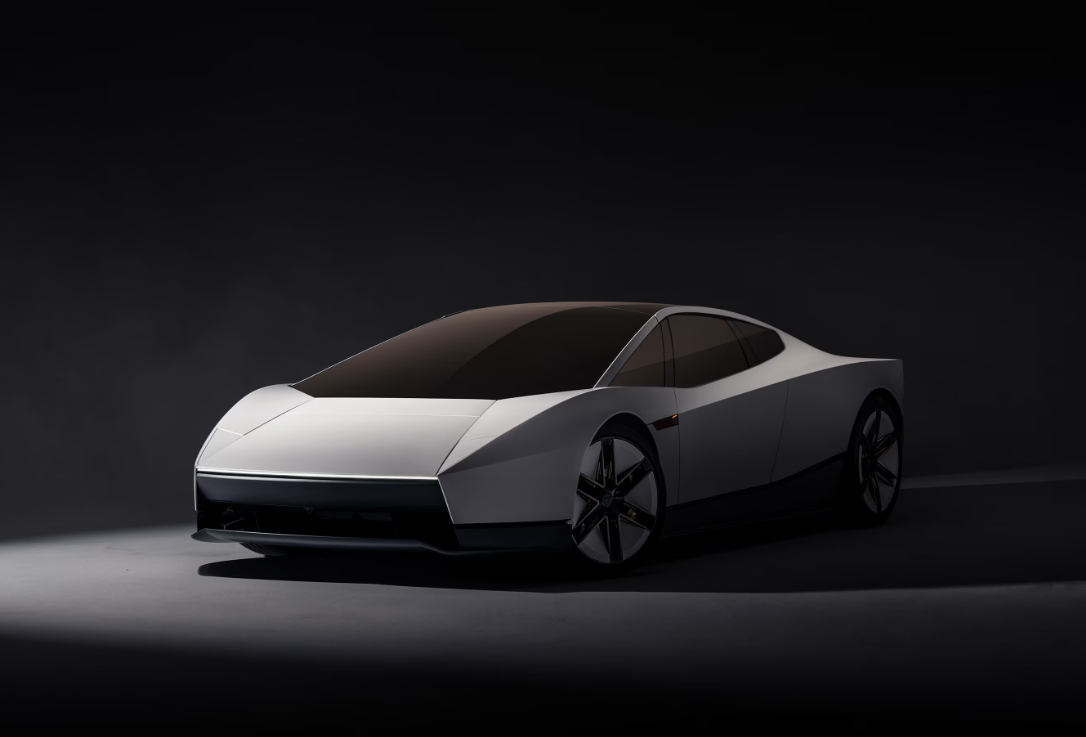
Tesla has finally revealed its radically redesigned Roadster—and delivered the airborne spectacle Elon Musk has been promising for years.
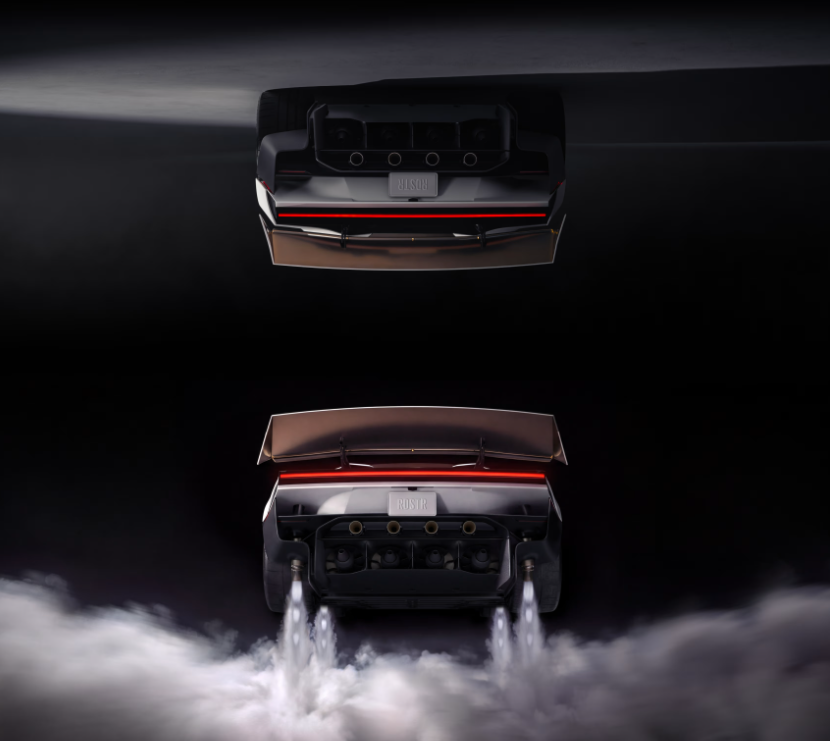
Unveiled at a SpaceX testing facility near Waco, Texas, the new electric supercar drove onto a steeply curved ramp, used a suction system to cling to its underside and launched into the air. Cold-gas thrusters stabilised the vehicle as it rotated and returned to the ground.
In another demonstration, the Roadster cleared a line of Tesla vehicles that included a Semi, Cybertruck, Cybercab, Model Y and Model 3.
It was an extraordinary stunt. Whether it proved Tesla has created a genuine flying car is another matter.
The vehicle did not demonstrate sustained, controlled flight of the kind associated with an aircraft or electric vertical take-off and landing vehicle. Its thrusters instead produced brief powered leaps, rotation and landing control.
“We’re not talking about sustained flight,” Smithsonian National Air and Space Museum curator Roger Connor told CNN. “We are literally talking about hopping.”
How does it work?
Tesla has outlined three intended Roadster configurations.
The two-seat Performance model is the comparatively conventional version, although little about it sounds ordinary. It uses active aerodynamics and what Tesla calls a multi-mode suction system to increase downforce and allow the car to adhere to steep or inverted surfaces.
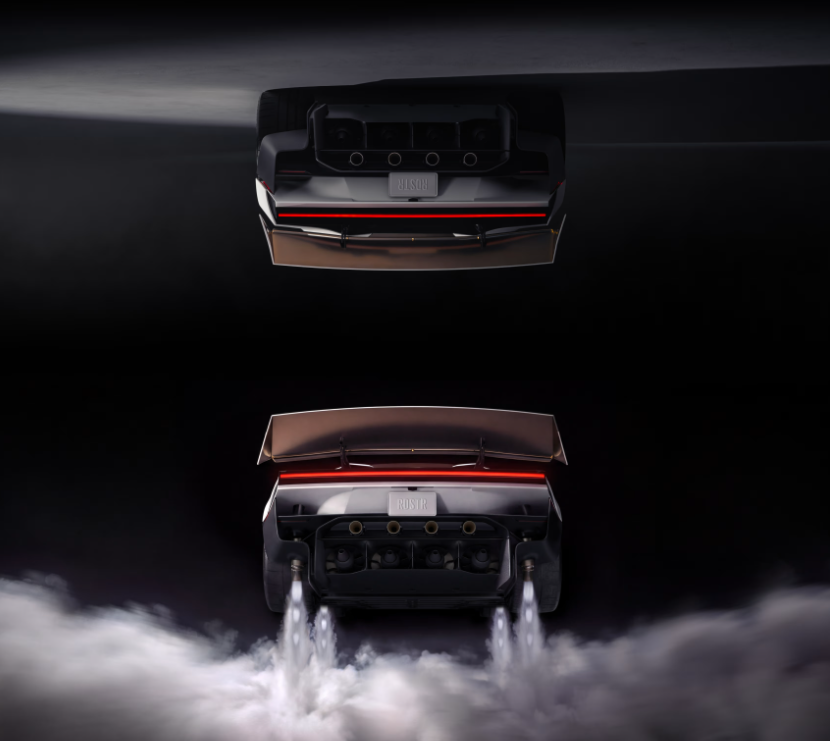
The two-seat Thrust adds rear-mounted cold-gas thrusters, designed to deliver acceleration from zero to 60mph—approximately 97km/h—in less than one second.
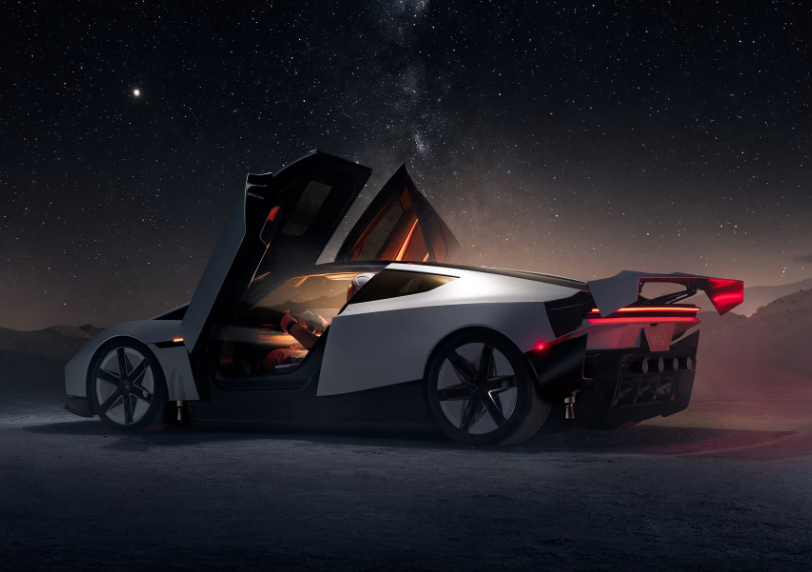
At the top is the single-seat Rocket, equipped with 10 thrusters positioned around the vehicle. This is the version intended to perform the airborne manoeuvres demonstrated in Texas.
Tesla engineering vice-president Lars Moravy said the system uses approximately 600 litres of compressed air. Carbon-fibre-wrapped pressure vessels occupy available spaces throughout the car, supplying the thrusters used for acceleration, lift and directional control.
The technology is more closely related to a rocket reaction-control system than a conventional flying-car powertrain. Rather than producing continuous lift through wings or propellers, it releases highly pressurised gas to generate short bursts of thrust.
Tesla says all three versions will offer approximately 300 miles—or 483 kilometres—of driving range and a top speed exceeding 230mph, equivalent to about 370km/h.
These remain company claims rather than independently verified production specifications.
Can buyers order one?
Reservations have reopened in selected markets. According to reporting from the launch, Tesla is seeking US$50,000 to reserve the Performance variant and US$250,000 for the Thrust. Access to the Rocket is described as invitation-only.
No final purchase price was announced, and Tesla has not confirmed Australian pricing, delivery timing or regulatory approval.
Musk said production would begin in 2028. That should be treated as an ambition rather than a settled delivery date.
The second-generation Roadster was originally unveiled in 2017 and was expected to reach customers within several years. The program was subsequently delayed in 2020, 2021, 2023 and 2024. Some customers have consequently held substantial reservations for close to a decade.
There are also formidable regulatory questions. A road-registered vehicle capable of deliberately leaving the ground, rotating and landing among other traffic does not fit neatly within existing vehicle standards. Its compressed-air system, pressure vessels and unconventional manoeuvres would require extensive safety assessment.
The more plausible outcome is that Tesla produces the Performance and perhaps Thrust versions for road and track use, while tightly restricting the Rocket’s airborne functions—or reserving them for controlled environments.
Tesla has produced a genuine moving prototype capable of remarkable stunts. It has not yet demonstrated that customers will be permitted to repeat them on public roads.
For now, the Roadster is real enough to jump. Whether it becomes a car people can buy, register and use as demonstrated remains the more consequential test.

A luxury lifestyle might cost more than it used to, but how does it compare with cities around the world?

From citrus oils to warming spices, the classic G&T is being reimagined at home as a more thoughtful, seasonal ritual for modern entertaining.