The Trick to Bragging in a Job Interview
‘Humourbragging’ can make you seem less conceited when you’re boasting

 2 min
2 min
It is a classic problem for entrepreneurs, job seekers and, well, anyone: If you brag about your accomplishments, you seem more competent—but less likeable.
The solution? Add a dash of playfulness when discussing your talents.
A team of researchers have found that “humourbragging”—referring to your accomplishments through a veil of humour—allows people to play up their skills without coming across as smug or conceited. And that makes them more likely to get hired or get their pitch accepted.
“The self-enhancing humour helps them be seen as confident without sacrificing likability,” says Jieun Pai , an assistant professor at Imperial College London who led the research .
Laughs get results
The researchers used a series of studies to test the impact of what they called humourbragging. In one instance, they sent out two résumés to 345 companies—but one version of the résumé added a dash of self-promotional humour instead of being purely serious: “The more coffee you can provide, the more output I will produce.” The résumés with the joke got an email or a callback by 156 companies, versus 125 for the others.
Another study got similar results when looking at humorous bragging on the first four seasons of “Shark Tank”—people who used humour to highlight their accomplishments were more likely to get funding than others.
In another case, the researchers found that study participants were more likely to hire a pastry chef who used some levity in selling themselves. One candidate described making a soccer-themed cake for a boy’s fifth-birthday party and capped off the story by saying they got the biggest tip the bakery has ever seen. The baker who was the hiring favourite told the same story, including the part about the tip, but ended up by saying, “I am just glad that I only had to make the soccer ball, not actually kick one.”
Pick your jokes wisely
People need to be cautious, though, when using humour to sell themselves, Pai says. Self-deprecating humour without any bragging at all, or humour intended to belittle others in any form, doesn’t have the same positive impact that humorous bragging does, according to the research. “We sometimes use self-deprecating humour, but that backfires and downplays your achievements,” she says. “It doesn’t help you be seen as more competent.”
 Copyright 2020, Dow Jones & Company, Inc. All Rights Reserved Worldwide. LEARN MORE




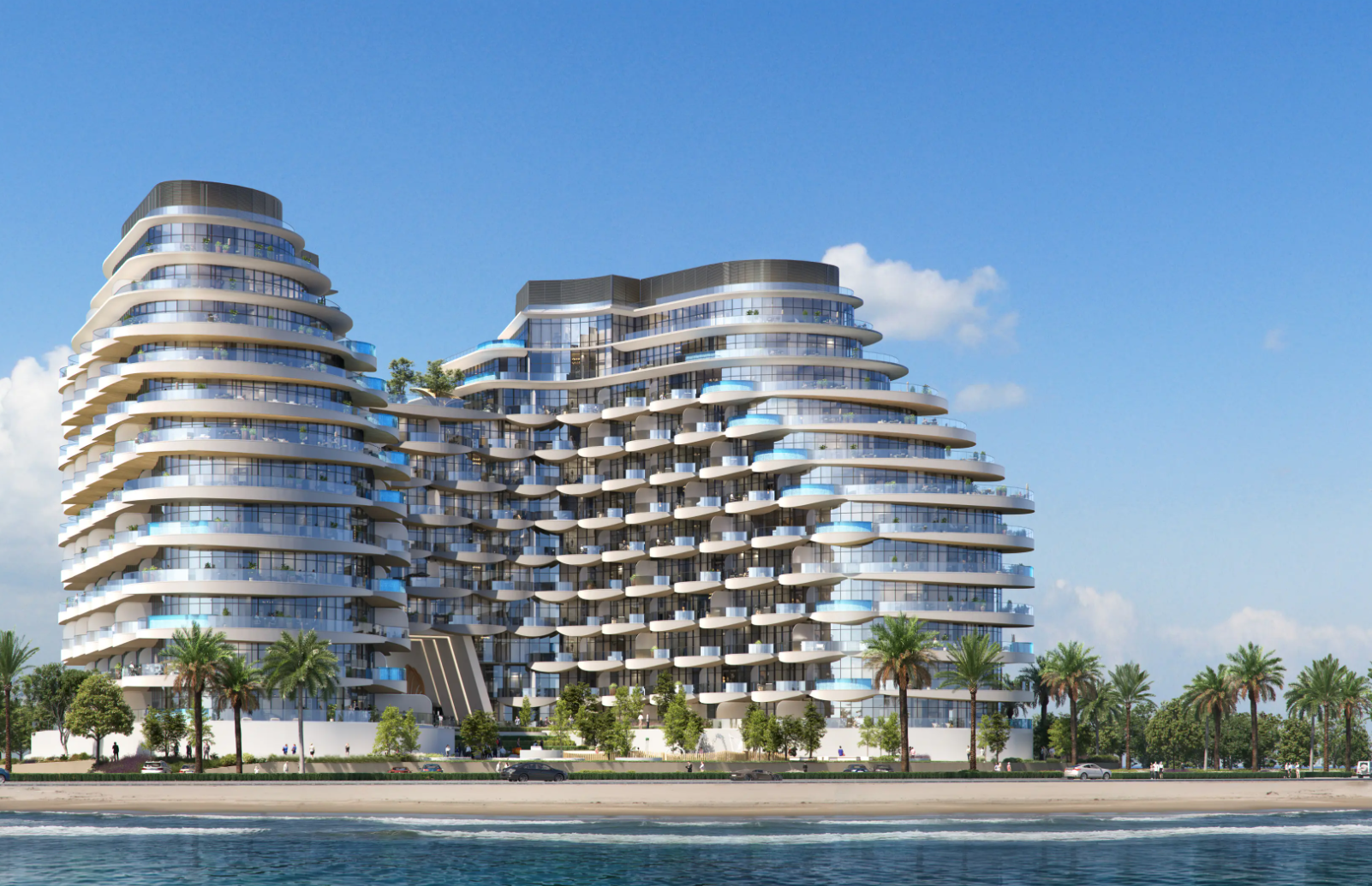
BNW Developments has established a Sydney presence, joining Arada and Sobha Realty among the growing number of UAE developers pursuing Australian buyers and development opportunities.
Australian shares fell on Thursday as Wall Street weakness, rising oil and persistent rate concerns weighed on most of the market. The S&P/ASX 200 declined 0.72 per cent to 8,702. The All Ordinaries lost 0.66 per cent to finish at 8,897. Mining stocks were hit particularly hard, while real estate also dragged on the index. …
Continue reading “ASX falls 0.7 per cent as miners and property stocks retreat”

 2 min
2 minAustralian shares fell on Thursday as Wall Street weakness, rising oil and persistent rate concerns weighed on most of the market.
The S&P/ASX 200 declined 0.72 per cent to 8,702. The All Ordinaries lost 0.66 per cent to finish at 8,897. Mining stocks were hit particularly hard, while real estate also dragged on the index.
Energy was the notable exception, gaining more than one per cent as Brent crude traded above US$103 a barrel. Oil had moved higher amid uncertainty surrounding potential US diesel-export restrictions and broader geopolitical supply risks. The move supported energy producers but renewed concern about inflation inputs across transport and the wider economy.
Gold shares were weak even as spot bullion remained historically elevated. The All Ordinaries Gold index fell about 2.25 per cent, showing that equity performance can diverge from the commodity because of valuation, currency, operating and company-specific factors.
Zip was a prominent loser, falling 11.38 per cent after the company reported short sales after the previous close. Nine Entertainment also weakened after UBS analysts warned of near-term revenue challenges associated with its advertising-supported subscription tier.
Premier Investments led larger winners despite caution about the retail environment. Breville, in which Premier owns a significant stake, also appeared among leading movers. In the broader ASX 300 screen, Myer gained 11.43 per cent and MAAS Group rose 7.93 per cent, while Lotus Resources fell 10.53 per cent. These percentage moves should be checked against company announcements and trading liquidity before attributing causes.
The Australian dollar was broadly flat at US70.38 cents. Spot gold was around US$4,280 an ounce, Brent crude approximately US$103.08 a barrel and iron ore near US$96.90 a tonne late in the session.
The rate outlook remains the central domestic catalyst. Labour-market weakness has not eliminated the possibility of an RBA increase next week, leaving banks, listed property and other rate-sensitive sectors exposed to changing expectations.
Market dashboard
S&P/ASX 200: 8,702, down 0.72 per cent.
All Ordinaries: 8,897, down 0.66 per cent.
Best sector: Energy, up more than one per cent.
Weakest areas: Real estate and materials were the major drags; confirm final sector percentages before publication.
Material winner: Premier Investments led the large-company gainers. Confirm its final closing move from the ASX before publication.
Material loser: Zip, down 11.38 per cent.
ASX 300 percentage leader: Myer, up 11.43 per cent.
ASX 300 percentage laggard: Zip, down 11.38 per cent.
AUD/USD: Approximately US$0.7038, broadly flat.

From reworked homes to remote retreats, designers are prioritising warmth and a deeper connection to landscape.
Australian shares fell on Thursday as Wall Street weakness, rising oil and persistent rate concerns weighed on most of the market. The S&P/ASX 200 declined 0.72 per cent to 8,702. The All Ordinaries lost 0.66 per cent to finish at 8,897. Mining stocks were hit particularly hard, while real estate also dragged on the index. …
Continue reading “ASX falls 0.7 per cent as miners and property stocks retreat”