BLOCKBUSTER CRED MAKES THIS HOME A STAR
This Surrey Hills stunner has starred alongside Zac Efron and John Cena. Now the five-bedroom showpiece is ready for its next leading role.
 2 min
2 min


Every house claims to be picture-perfect when it hits the market, but this grand five-bedroom home in Melbourne’s Surrey Hills has Hollywood’s stamp of approval.
The contemporary two-storey house was hand-picked by movie location scouts to feature in the $80 million Zac Efron-driven film, Nicky Stanicky.
Out last year, the movie also stars former pro-wrestler turned Hollywood heavyweight John Cena and Academy Award nominee William H Macy. Set in Providence, Rhode Island, with scenes in Atlantic City and New Jersey, the production was actually filmed in various Melbourne suburbs.
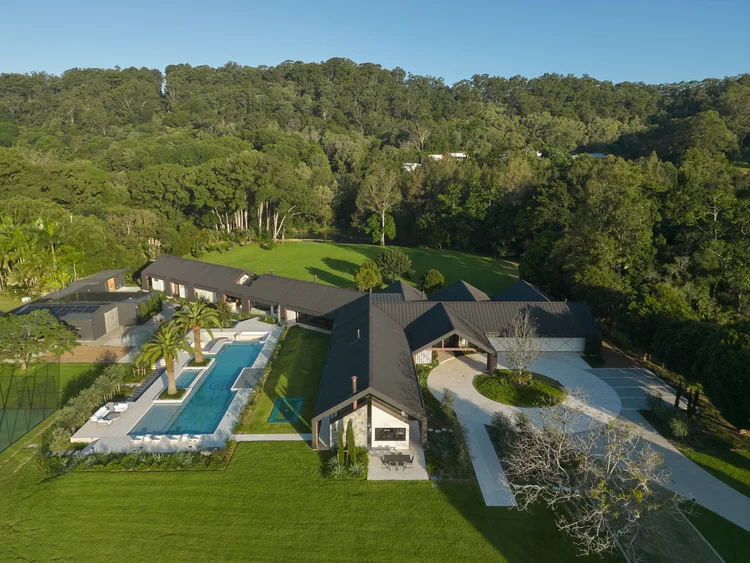
The modern suburban residence has all the hallmarks of a US family home, with its Hamptons-style facade and vast proportions measuring 650sq m of internal space.
Just listed with Kay & Burton Boroondara team, Scott Patterson, Walter Dodich and Jacqui Bendall, the Norfolk Rd property is set to go under the hammer on August 23 with a price guide of $5.5 million to $5.9 million.
After appearing on the big screen, the home has piqued the interest of several filmmakers (including Neighbours producers before the show was axed) and is still on the books to feature in other filming projects, if the new owners are keen to play the role.
In Australia, private residences can earn between $1000 and $5000 a day when used in the media – from magazine shoots to blockbuster movies.
The 2016 house sits on a 996sq m block and is home to a versatile floor plan with multiple entertaining spaces over both levels.
On the spacious ground floor, there is a central family room with an Escea fireplace anchoring the footprint, with an adjoining state-of-the-art Gaggenau and Miele kitchen that has a butler’s pantry, an expansive stone island bench, pyrolytic and steam ovens, an integrated coffee machine, a dishwasher, and a Vintec wine fridge.
A large dining room with bespoke wine storage opens via stacker doors to an undercover alfresco area with ceiling fans, a built-in Zeigler & Brown barbecue, sink, and a fridge for all weather gatherings around the pool and half basketball court.
This lower level also houses a dramatic entryway crowned with a 4m void, a formal lounge room with another fireplace, a separate study overlooking the pool area, powder room, and a primary bedroom featuring a walk-in wardrobe, a bath ensuite, and an illuminating skylight.
Upstairs, there are four more spacious bedrooms, including one with a two-way wardrobe and bathroom. Additionally, the level has a full family bathroom, a powder room, a walk-in linen press featuring a handy chute to the laundry below, and a huge media room or kids’ breakout space.
Other attributes of the Melbourne property include a poolside cabana with toilet and outdoor shower, French oak parquet floors, zoned central air-conditioning, ducted vacuuming, a security alarm, in-built speakers, automatic blinds, front electric gates, and an internal remote-control double garage.
Close to Union Station, the property is near sought-after schools, Surrey Hills cafes and shops, as well as Wattle Park, Deakin University, and Box Hill Central.
Kay & Burton agent Scott Patterson is auctioning 14 Norfolk Road, Surrey Hills on August 23 at 2pm with the indicative price guide of $5.5 million to $5.9 million.

From making unpopular decisions to learning when to listen, leaders from five businesses reveal what nobody prepared them for — and how running a company has challenged their expectations.

Technology and semiconductor shares fell sharply as investors questioned the debt financing the AI infrastructure boom and confronted higher rates and Chinese competition.

Mirvac’s 45-level Trielle has topped out at Yarra’s Edge, pairing riverfront apartments with wellness facilities, private dining and resident services.
3 min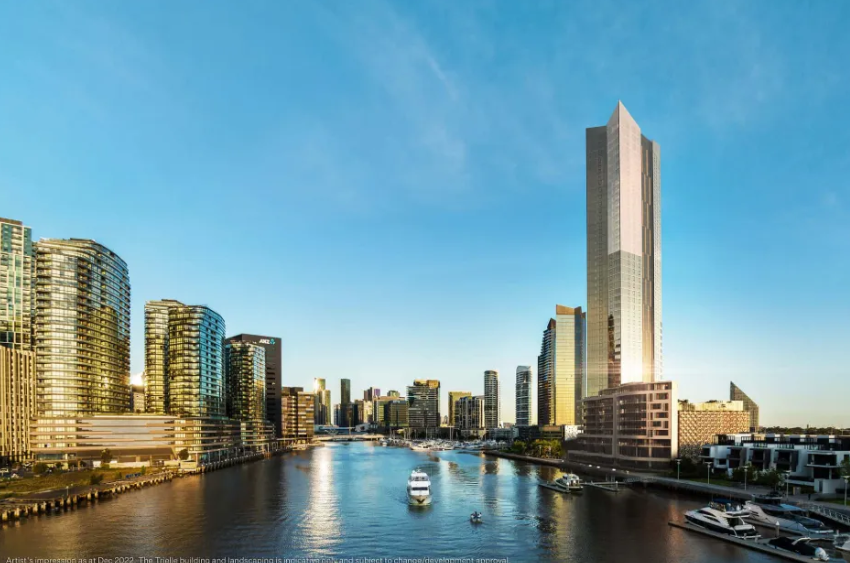
Mirvac has topped out Trielle at Melbourne’s Yarra’s Edge, with more than 70 per cent of the riverfront development sold and approximately 80 per cent of purchasers intending to make their apartment a home.
The figures, released on September 22, point to an owner-occupier audience for one of the precinct’s final residential towers. Mirvac began developing Yarra’s Edge in 2003, and its latest addition occupies one of the remaining absolute riverfront sites.
Mirvac CEO of Development Stuart Penklis said existing residents were among those moving up within the neighbourhood.
“Many purchasers already have a connection to Yarra’s Edge,” Mr Penklis said, describing buyers whose changing needs were encouraging an upgrade within the precinct.
“As one of the final residential towers within Yarra’s Edge, Trielle represents the culmination of more than two decades of creating one of Melbourne’s most established and sought-after waterfront communities,” Penklis said.
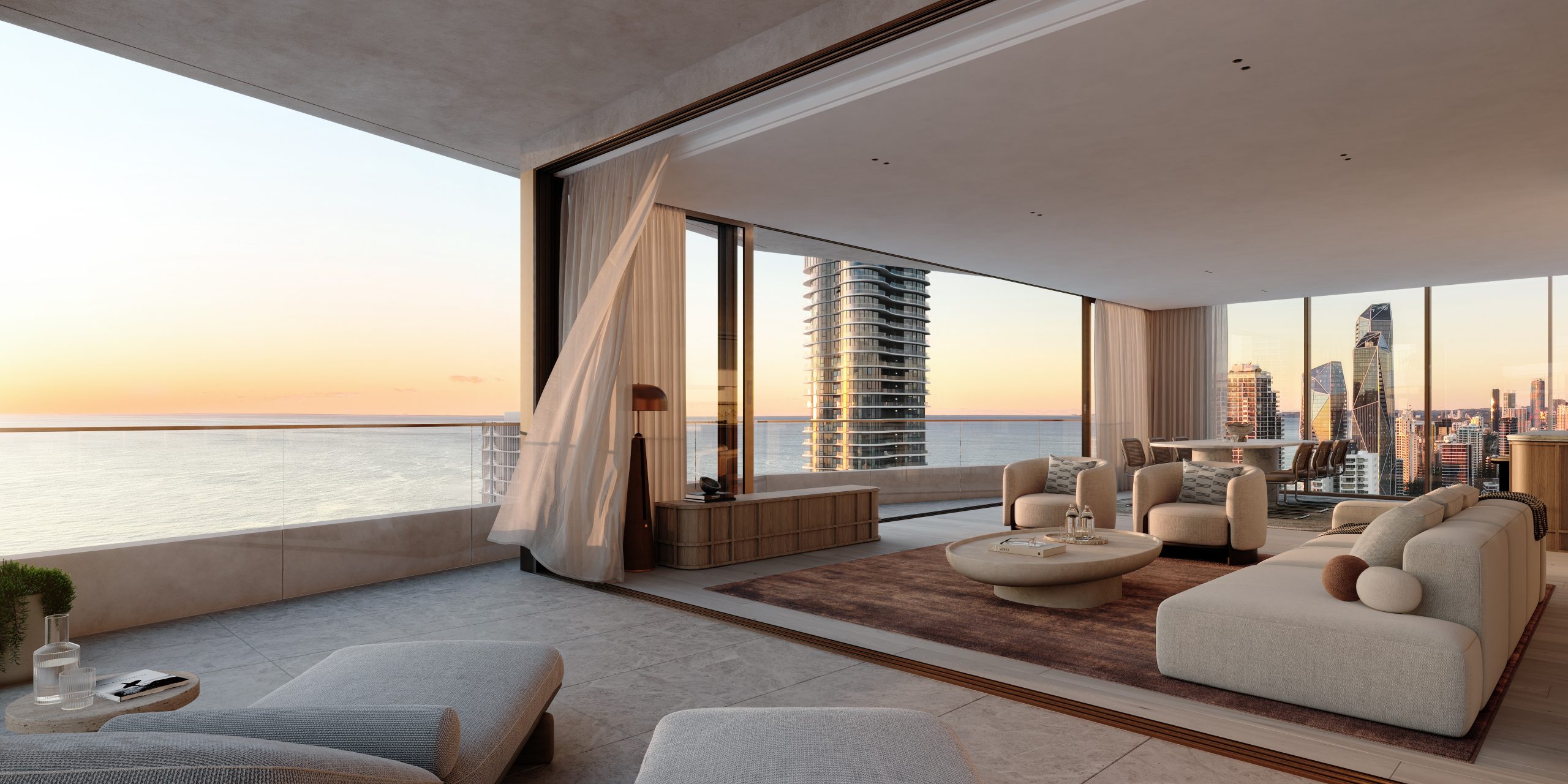
“Positioned on the Collins Street axis with absolute river frontage, Trielle offers residents a rare opportunity to enjoy sweeping views across the Yarra River, Melbourne skyline and Port Phillip Bay, while remaining seamlessly connected to the CBD. With Trielle now more than 70 per cent sold, we’re continuing to see strong demand from buyers seeking quality homes in established locations.”
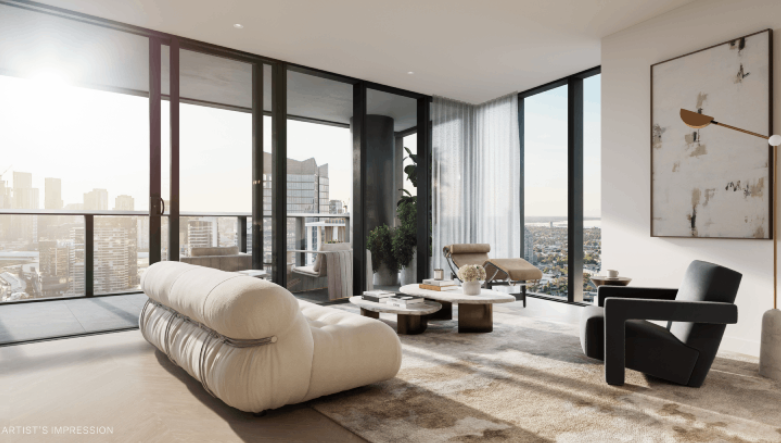
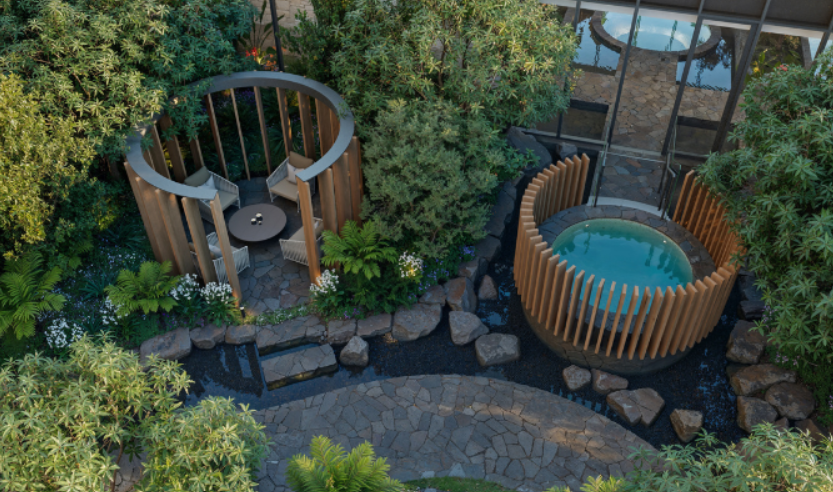
The developer also flagged a penthouse and sub-penthouse collection with larger layouts, premium finishes and broad outlooks. The planned wellness centrepiece, The Oasis, encompasses a 900-square-metre elevated urban rainforest.
Mirvac General Manager Residential Development Victoria Elysa Anderson said Trielle had resonated strongly with buyers seeking a rare lifestyle offering in Melbourne.
“Opportunities to secure a new luxury residence on a riverfront site of this calibre are incredibly rare, particularly within a community like Yarra’s Edge,” Anderson said.
“What makes Trielle unique is the combination of exceptional views, world-class residential facilities and the lifestyle that already exists around it. Residents are buying into a mature waterfront community with parks, promenades, dining, wellness and strong community connections already in place.”
The 45-level tower brings a substantial new presence to that waterfront. Its residential offering spans one-, two-, three- and four-bedroom apartments, with Signature, Prestige and Sub-Penthouse collections accommodating different household sizes. The north-facing position connects the apartments visually to the river and city beyond.
Seven storeys above the promenade, the planned Oasis combines planting and a running stream with a Scandinavian-inspired wellness club developed with spa specialist Naomi Gregory. Facilities include a 25-metre lap pool, hot magnesium pool, sauna, hydrotherapy, a gym, yoga and Pilates room, and treatment spaces.
The amenity extends beyond exercise. Residents will have access to The Biblioteca library and workspaces, ground-floor work pods, and The Salone piano lounge. A private Chef’s Table dining room offers a setting for larger gatherings, while a cinema, games room and sports lounge broaden the entertaining options. Concierge services and a dog-wash area support everyday routines.
Trielle comprises a collection of one, two, three and four-bedroom residences. Reflecting strong demand from owner occupiers, approximately 80 per cent of purchasers to date intend to live in their homes, highlighting the project’s appeal to those seeking a long-term waterfront lifestyle.
Mirvac has recently delivered The Albertine, a premium apartment development on the edge of Melbourne’s CBD, and is nearing completion of Prince & Parade in Brunswick, further strengthening its portfolio of thoughtfully designed apartment communities in some of Melbourne’s most sought-after urban locations.

Parts for iPhones to cost more owing to surging demand from AI companies.

Travellers are swapping traditional sightseeing for immersive experiences, with Africa emerging as a must-visit destination.