Wealthy Collectors Reveal Signs of Strength in the Art Market—Outside of the Auction Houses

 5 min
5 min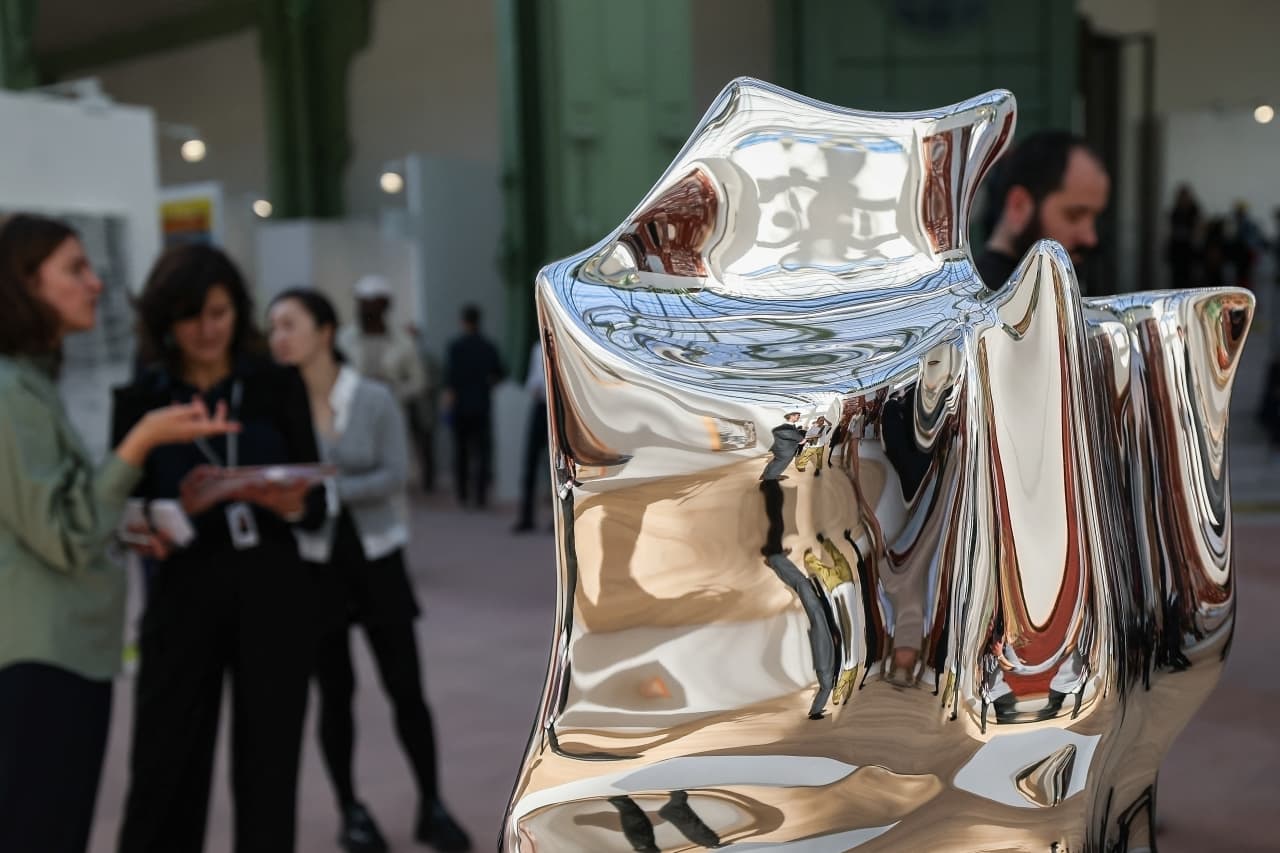
Sky-high pricey artworks may not be flying off the auction block right now, but the art market is actually doing just fine.
That’s a key takeaway from a 190-plus page report written by Art Economics founder Clare McAndrew and published Thursday morning by Art Basel and UBS. The results were based on a survey of more than 3,600 collectors with US$1 million in investable assets located in 14 markets around the world.
That the art market is doing relatively well is backed by several data points from the survey that show collectors are buying plenty of art—just at lower prices—and that they are making more purchases through galleries and art fairs versus auction houses.
It’s also backed by the perception of a “robust art market feeling,” which was evident at Art Basel Paris last week, says Matthew Newton, art advisory specialist with UBS Family Office Solutions in New York.
“It was busy and the galleries were doing well,” Newton says, noting that several dealers offered top-tier works—“the kind of stuff you only bring out to share if you have a decent amount of confidence.”
That optimism is reflected in the survey results, which found 91% of respondents were optimistic about the global art market in the next six months. That’s up from the 77% who expressed optimism at the end of last year.
Moreover, the median expenditure on fine art, decorative art and antiques, and other collectibles in the first half by those surveyed was US$25,555. If that level is maintained for the second half, it would “reflect a stable annual level of spending,” the report said. It would also exceed meet or exceed the median level of spending for the past two years.
The changes in collector behaviour noted in the report—including a decline in average spending, and buying through more diverse channels—“are likely to contribute to the ongoing shift in focus away from the narrow high-end of sales that has dominated in previous years, potentially expanding the market’s base and encouraging growth in more affordable art segments, which could provide greater stability in future,” McAndrew said in a statement.
One reason the art market may appear from the outside to be teetering is the performance of the major auction houses has been pretty dismal since last year. Aggregate sales for the first half of the year at Christie’s, Sotheby’s, Phillips, and Bonhams, reached only US$4.7 billion in the first half, down from US$6.3 billion in the first half a year ago and US$7.4 billion in the same period in 2022, the report said.
Meanwhile, the number of “fully published” sales in the first half reached 951 at the four auction houses, up from 896 in the same period last year and 811 in 2022. Considering the lower overall results in sales value, the figures imply an increase in transactions of lower-priced works.
“They’re basically just working harder for less,” Newton says.
One reason the auction houses are having difficulties is many sellers have been unwilling to part with high-value works out of concern they won’t get the kind of prices they would have at the art market’s recent highs coming out of the pandemic in 2021 and 2022. “You really only get one chance to sell it,” he says.
Also, counterintuitively, art collectors who have benefited from strength in the stock market and the greater economy may be “feeling a positive wealth effect right now,” so they don’t need to sell, Newton says. “They can wait until those ‘animal spirits’ pick back up,” referring to human emotions that can drive the market.
That collectors are focusing on art at more modest price points right now is also evident in data from the Association of Professional Art Advisors that was included in the report. According to APAA survey data of its advisors, if sales they facilitated in the first half continue at the same pace, the total number of works sold this year will be 23% more than 2023.
Most of the works purchased so far were bought for less than US$100,000, with the most common price point between US$25,000 and US$50,000.
The advisors surveyed also said that 80% of the US$500 million in transactions they conducted in the first half of this year involved buying art rather than selling it. If this pattern holds, the proportion of art bought vs. sold will be 17% more than last year and the value of those transactions will be 10% more.
“This suggests that these advisors are much more active in building collections than editing or dismantling them,” the report said.
The collectors surveyed spend most of their art dollars with dealers. Although the percentage of their spending through this channel dipped to 49% in the first half from 52% in all of last year, spending at art fairs (made largely through gallery booths) increased to 11% in the first half from 9% last year.
Collectors also bought slightly more art directly from artists (9% in the first half vs. 7% last year), and they bought more art privately (7% vs. 6%). The percentage spent at auction houses declined to 20% from 23%.
The data also showed a shift in buying trends, as 88% of those polled said they bought art from a new gallery in the past two years, and 52% bought works by new and emerging artists in 2023 and this year.
The latter data point is interesting, since works by many of these artists fall into the ultra contemporary category, where art soared to multiples of original purchase prices in a speculative frenzy from 2021-22. That bubble has burst, but the best of those artists are showing staying power, Newton says.
“You’re seeing that kind of diversion between what’s most interesting and will maintain its value over time, versus maybe what’s a little bit less interesting
and might have had speculative buying behind it,” he says.
Collectors appear better prepared to uncover the best artists, as more of those surveyed are doing background research or are seeking advice before they buy. Less than 1% of those surveyed said they buy on impulse, down from 10% a year earlier, the report said.
Not all collectors are alike so the Art Basel-UBS report goes into considerable detail breaking down preferences and actions by individuals according to the regions where they live and their age range, for instance. The lion’s share of spending on art today is by Gen X, for instance—those who are roughly 45-60 years old.
Despite a predominately optimistic view of the market, of those surveyed only 43% plan to buy more art in the next 12 months, down from more than 50% in the previous two years, the report said. Buyers in mainland China were an exception, with 70% saying they plan to buy.
Overall, more than half of all collectors surveyed across age groups and regions plan to sell, a reversal from past years. That data point could foretell a coming buyer’s market, the report said, or it “could be indicative of more hopeful forecasts on pricing or the perception that there could be better opportunities for sales in some segments in the near future than there are at present.”
In the U.S., where 48% of collectors plan to buy, Newton says he’s seeing a lot of interest in art from wealth management clients.
“They’re looking for ideas. They’re looking for names of artists that can be compelling and have staying power,” Newton says. “That’s definitely happening from an optimistic standpoint.”
 Copyright 2020, Dow Jones & Company, Inc. All Rights Reserved Worldwide. LEARN MORE




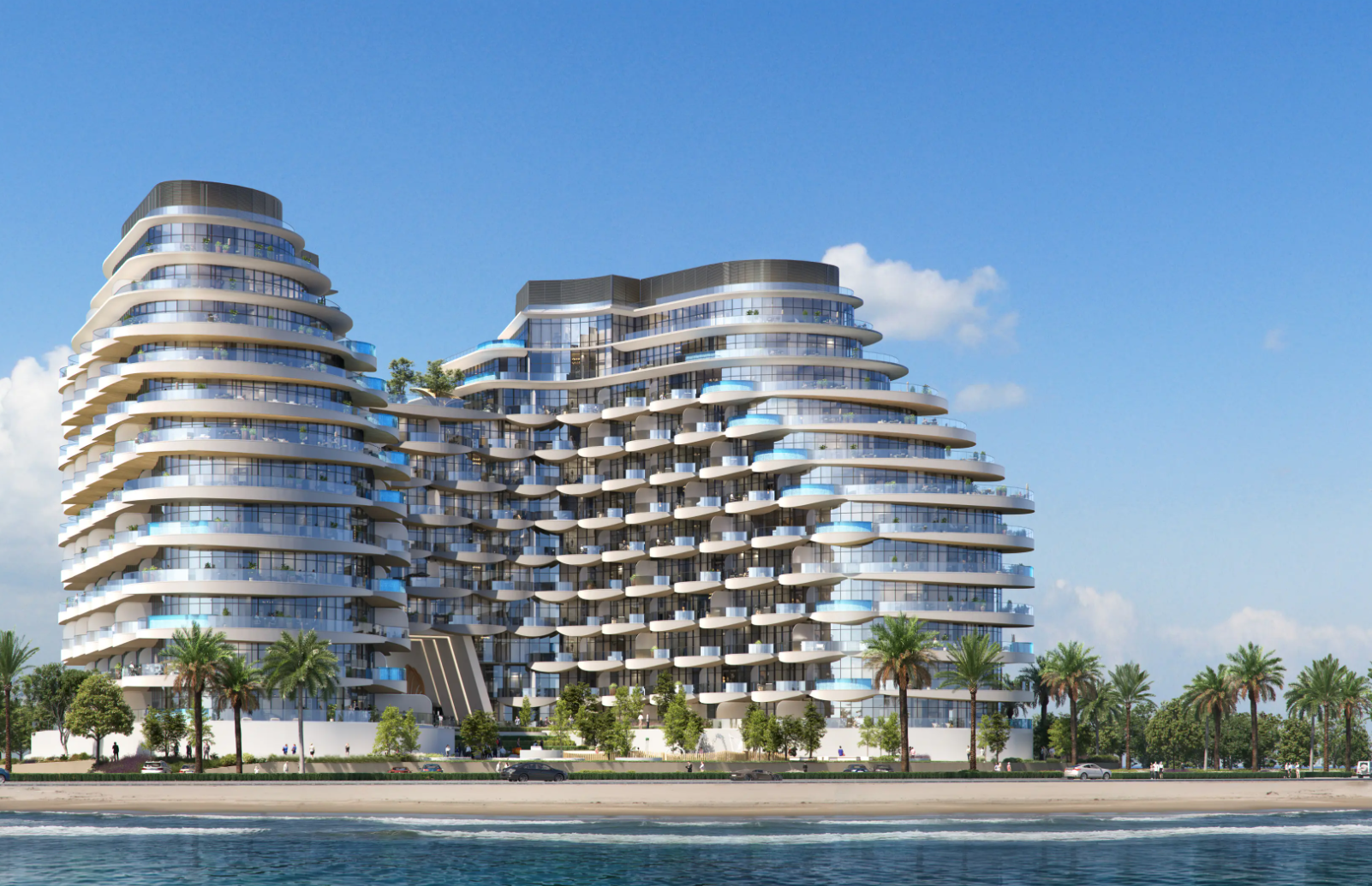
BNW Developments has established a Sydney presence, joining Arada and Sobha Realty among the growing number of UAE developers pursuing Australian buyers and development opportunities.

Australian shares fell on Thursday as Wall Street weakness, rising oil and persistent rate concerns weighed on most of the market. The S&P/ASX 200 declined 0.72 per cent to 8,702. The All Ordinaries lost 0.66 per cent to finish at 8,897. Mining stocks were hit particularly hard, while real estate also dragged on the index. …
Continue reading “ASX falls 0.7 per cent as miners and property stocks retreat”

 2 min
2 minAustralian shares fell on Thursday as Wall Street weakness, rising oil and persistent rate concerns weighed on most of the market.
The S&P/ASX 200 declined 0.72 per cent to 8,702. The All Ordinaries lost 0.66 per cent to finish at 8,897. Mining stocks were hit particularly hard, while real estate also dragged on the index.
Energy was the notable exception, gaining more than one per cent as Brent crude traded above US$103 a barrel. Oil had moved higher amid uncertainty surrounding potential US diesel-export restrictions and broader geopolitical supply risks. The move supported energy producers but renewed concern about inflation inputs across transport and the wider economy.
Gold shares were weak even as spot bullion remained historically elevated. The All Ordinaries Gold index fell about 2.25 per cent, showing that equity performance can diverge from the commodity because of valuation, currency, operating and company-specific factors.
Zip was a prominent loser, falling 11.38 per cent after the company reported short sales after the previous close. Nine Entertainment also weakened after UBS analysts warned of near-term revenue challenges associated with its advertising-supported subscription tier.
Premier Investments led larger winners despite caution about the retail environment. Breville, in which Premier owns a significant stake, also appeared among leading movers. In the broader ASX 300 screen, Myer gained 11.43 per cent and MAAS Group rose 7.93 per cent, while Lotus Resources fell 10.53 per cent. These percentage moves should be checked against company announcements and trading liquidity before attributing causes.
The Australian dollar was broadly flat at US70.38 cents. Spot gold was around US$4,280 an ounce, Brent crude approximately US$103.08 a barrel and iron ore near US$96.90 a tonne late in the session.
The rate outlook remains the central domestic catalyst. Labour-market weakness has not eliminated the possibility of an RBA increase next week, leaving banks, listed property and other rate-sensitive sectors exposed to changing expectations.
Market dashboard
S&P/ASX 200: 8,702, down 0.72 per cent.
All Ordinaries: 8,897, down 0.66 per cent.
Best sector: Energy, up more than one per cent.
Weakest areas: Real estate and materials were the major drags; confirm final sector percentages before publication.
Material winner: Premier Investments led the large-company gainers. Confirm its final closing move from the ASX before publication.
Material loser: Zip, down 11.38 per cent.
ASX 300 percentage leader: Myer, up 11.43 per cent.
ASX 300 percentage laggard: Zip, down 11.38 per cent.
AUD/USD: Approximately US$0.7038, broadly flat.

Porsche has revealed a one-off 911 GT2 RS that brings the extraordinary silhouette of its 935/78 “Moby Dick” racing car onto the road. Created by Porsche Sonderwunsch with Manthey, the commission began with a near-new GT2 RS. The owner requested greater performance, a Slantnose profile and a rear wing influenced by the limited 911 GT3 …
Continue reading “Porsche Builds a Road-Going “Moby Dick” From a 911 GT2 RS”

From farm-to-table Thai to fairy-lit mango trees and Coral Sea vistas, Port Douglas has award-winning dining and plenty of tropical charm on the side.